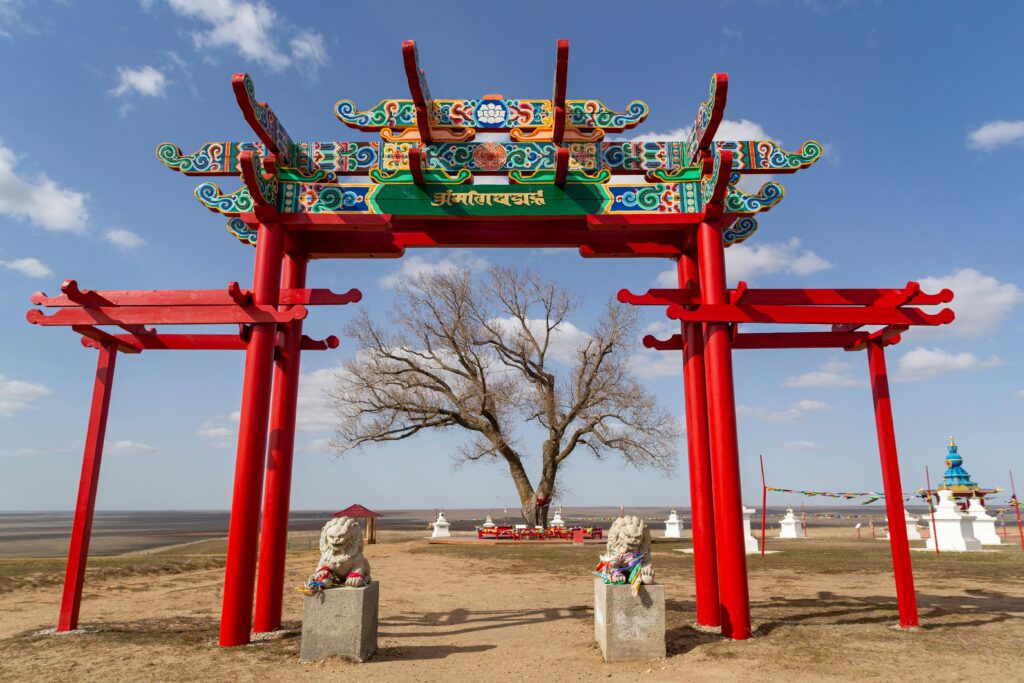
Deciding the best time to visit Mongolia depends on what you want to see and do: wide-open steppe, the frozen silence of winter, vibrant Naadam festivals in summer, or the crisp shoulder seasons where autumn colors and clear skies make photography exceptional. This guide uses climate data and tourism board information to provide an evidence-based overview, helping you plan travel around weather patterns, festival timetables, and activity windows.
Below you’ll find a month-by-month climate snapshot, regional differences, activity recommendations, practical packing and travel tips, and a comparison table to quickly compare months. For official seasonal event dates and visitor information, check the national tourism authority before you travel.
When is the best time to visit Mongolia
The most commonly recommended period for first-time visitors is late May through September. During these months temperatures are milder, many rural ger camps reopen after winter, and major cultural events like Naadam (usually in July) take place. This season offers the most consistent window for comfortable daytime temperatures, accessible roads across central and southern Mongolia, and the widest range of tourist services.
However, “best” is contextual. If you prioritize dramatic winter landscapes, skilled winter travel options, or unique phenomena like the ice and snow of central lakes, late November through March becomes appealing despite extreme cold. Photographers and adventure travelers also favor shoulder seasons—April to early May and September to October—for lower visitor numbers and clearer skies.
Mongolia weather by month guide
This month-by-month guide summarizes average temperatures, precipitation tendencies, daylight, and what travelers can expect. Use it to match your priorities—festivals, trekking, horse riding, wildlife viewing, or simply experiencing the nomadic lifestyle—with the appropriate season.
January–February: Deep winter peaks. Expect severe cold with average lows across central regions often below -20°C (-4°F) and daytime highs remaining below freezing in many areas. Doors to many rural services close, but the Gobi Desert and southern regions can be clearer and less windy.
March–April: Transition to spring brings rapidly rising temperatures but still cold nights. Snowmelt can make some tracks muddy; access to remote areas may be limited until late April. Spring winds are notable, especially across open steppe.
May–June: Warming into comfortable daytime temperatures (10–25°C / 50–77°F) in many places. May can still carry spring variability, but by June grasslands turn green and nomadic herders begin mobile summer routines. This is a good time for early trekking and birdwatching before peak tourist months.
July–August: Warmest months with long daylight and temperatures frequently between 20–30°C (68–86°F) in the south and lower elevations. July is the high season for festivals, especially Naadam. Thunderstorms and short heavy rains are most common in July and early August, especially in northern and central areas.
September–October: Clear skies, cooler temperatures (5–20°C / 41–68°F), and spectacular autumn color in northern larch forests and river valleys. September often yields the most pleasant combination of mild days and stable weather—ideal for trekking and photography. By late October, nights start dropping below freezing in many places.
November–December: Early winter begins with rapidly falling temperatures and increased chance of snow. Many tourist services scale down, and travel between remote locations becomes more challenging. However, clear cold air produces excellent visibility and a different, quieter landscape for those prepared for winter conditions.
Regional variations: what to expect across Mongolia
Mongolia’s vast geography creates strong regional contrasts in weather and climate. Planning should consider these differences because the “best time” can vary widely by region.
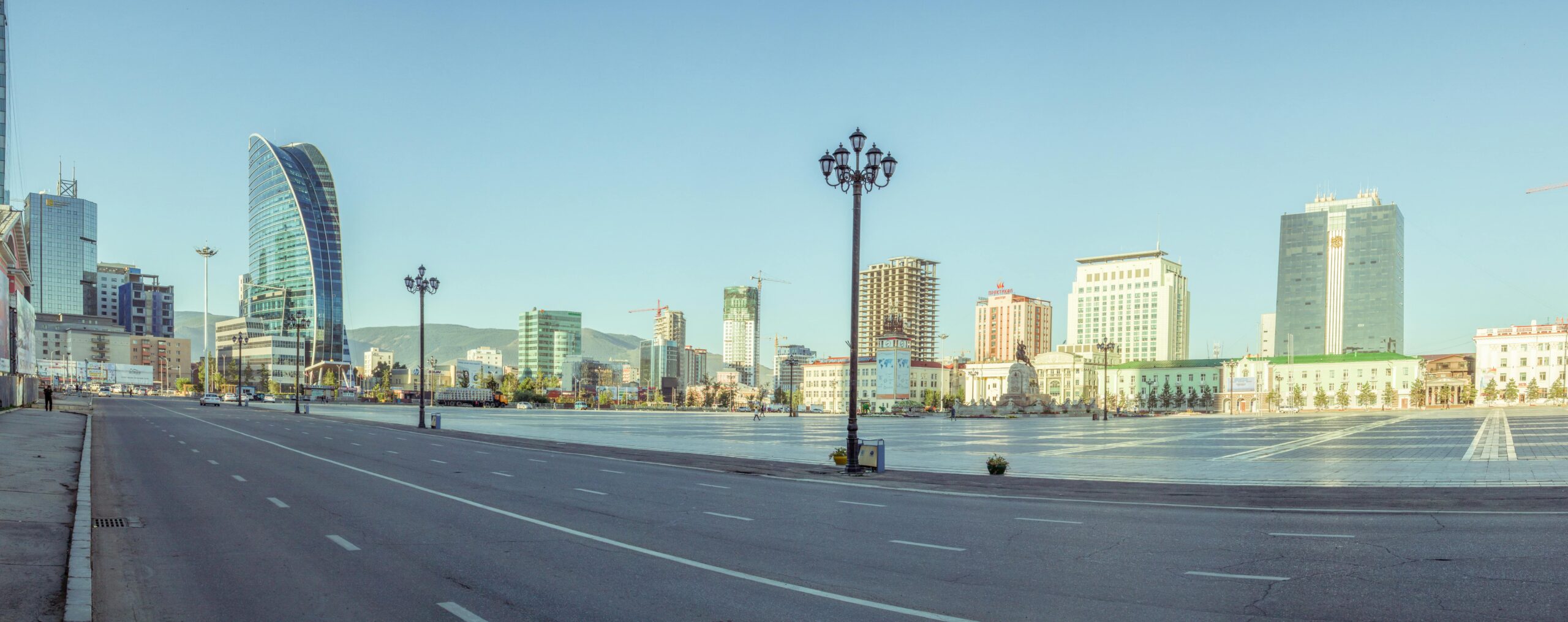
Central and northern Mongolia (including Ulaanbaatar and Khangai): These regions have the strongest continental climate—very cold winters and warm summers. Ulaanbaatar is one of the world’s coldest capitals; winter lows can routinely fall below -30°C (-22°F). Summer offers comfortable days but can still be cool at elevation. For hiking in the Khangai Mountains, aim for June–September.
Gobi Desert and southern Mongolia: The Gobi experiences extreme diurnal temperature swings. Summer days can be very hot (30°C / 86°F or more), while nights are cooler. Winter is milder than the north but can still be bitter. Spring and autumn are favorable for touring dunes and desert wildlife, with May–September being the typical tourist window.
Eastern Mongolia and lake regions: These areas receive more summer rainfall and can be greener in midsummer, making them attractive for wildlife and birdwatching. Late spring through early autumn is best for accessing wetlands and river valleys.
How weather affects activities and festivals
Different activities in Mongolia align strongly with seasonal windows. Wilderness trekking, horse riding, and motorcycle tours are concentrated in late spring to early autumn when trails are dry and daytime temperatures are hospitable. Naadam, Mongolia’s signature cultural festival with wrestling, horse-racing, and archery, occurs during summer and draws both local and international visitors.
For wildlife viewing—especially bird migration and sightings of large herbivores—late spring and early summer are productive. Conversely, winter offers unique cultural insights: ice-fishing festivals and winter camps reveal nomadic resilience and traditional livelihoods under cold conditions, but travel is more specialized and requires winter-ready logistics.
Road conditions also change with season: unpaved roads can become impassable with spring thaws or heavy summer rains, and winter snowpack can close routes. Airlines and some overland services operate year-round, but schedules and service availability expand in summer.
Practical travel tips by season
Planning practical logistics around Mongolia’s seasons reduces surprises. Below are targeted tips for each main travel window.
- Summer (June–August): Book accommodation and guided services early, especially for Naadam period and popular routes. Expect occasional thunderstorms; waterproof outerwear and sturdy footwear are essential.
- Shoulder seasons (May and September–October): Pack layers—mornings and evenings can be cold while afternoons warm. This period offers lower prices and fewer crowds but variable road conditions early in spring.
- Winter (November–March): Travel only with operators experienced in winter logistics. Ensure gear rated for sub-zero temperatures, check vehicle heating systems, and allow buffer days for weather-related delays.
- General tips: Altitude is moderate but sun exposure is strong—bring a sun hat and sunscreen. Water can be scarce in the Gobi in summer; carry supplies. Respect nomadic customs when staying in gers and ask permission before photographing people or livestock.
For bookings and lodging options across Mongolia, consult reputable accommodation listings to compare availability and traveler reviews prior to travel.
Check current accommodation options in Mongolia to help plan around peak event dates and remote-area availability.
Comparison table: months at a glance
The table below offers a quick reference comparing months by average conditions, travel suitability, and suggested activities. Use it to identify windows that match the type of trip you want to take.
| Month | Avg Temp (Ulaanbaatar) | Typical Conditions | Best For |
|---|---|---|---|
| January | -20 to -10°C | Very cold, snow, limited services | Winter photography, cultural immersion (specialized travel) |
| March | -5 to 5°C | Variable, thawing, windy | Early spring landscapes, lower prices |
| May | 5 to 18°C | Warming, green steppe, occasional rain | Trekking, birdwatching |
| July | 15 to 25°C | Warm, long days, festival season | Naadam, cultural festivals, desert tours |
| September | 5 to 20°C | Clear skies, cooler nights, autumn colors | Hiking, photography, fewer crowds |
| November | -10 to 0°C | Colder, start of winter conditions | Beginner winter travel, quiet season |
Booking and logistics
Lead times and availability vary by season: summer requires earlier reservations, while winter often needs specialized operators for transport and accommodation. Domestic flights can save time when overland travel is slow due to road conditions. For official visitor guidance, entry requirements, and seasonal advisories, consult national tourism resources before travel.
Before finalizing bookings, it’s useful to consult the national tourism authority for up-to-date event calendars and regional notices so you can align your plans with local festivals or seasonal closures.
FAQs
What months have the warmest weather in Mongolia?
The warmest months are July and August, with daytime temperatures commonly ranging from 20–30°C (68–86°F) in many lowland areas. Southern Gobi regions can be hotter. Night temperatures remain cooler, especially at elevation.
Is it safe to travel to Mongolia in winter?
Winter travel is possible but requires advanced planning and experienced guides. Temperatures can be extreme, and services in remote areas are limited. Ensure you have appropriate cold-weather gear, vehicles rated for winter, and contingency days for weather-related delays.
When is Naadam festival and how does it affect travel?
Naadam typically takes place in July, with the national festival in Ulaanbaatar being the largest. During Naadam, accommodation and transport demand spikes and many regional festivals occur. Book early and expect local crowds and celebratory events across the country.
Which months are best for trekking and horseback riding?
Late May through September offers the most reliable weather for trekking and horseback riding. June to September usually provides stable trails, open ger camps, and more moderate temperatures. Early and late shoulder months can still be suitable with layered clothing and flexible plans.
How much does weather vary between Ulaanbaatar and the Gobi?
Ulaanbaatar and northern regions have a harsher continental climate with colder winters and cooler summers at elevation. The Gobi Desert in the south has larger day-night temperature differences and can be warmer in summer but milder in winter relative to the north. Expect substantial regional variation and plan clothing and logistics accordingly.
Conclusion
Choosing the best time to visit Mongolia comes down to priorities: late spring to early autumn (May–September) is the most versatile period for general travel, offering milder temperatures, open services, and major cultural events. Shoulder seasons deliver quieter conditions and excellent photographic light, while winter reveals a stark, beautiful side of Mongolia that requires specialized planning. Use the month-by-month climate guide and regional notes to match activities with weather windows, consult official tourism resources for event dates, and plan logistics—accommodation, transportation, and gear—well in advance for a smoother trip.