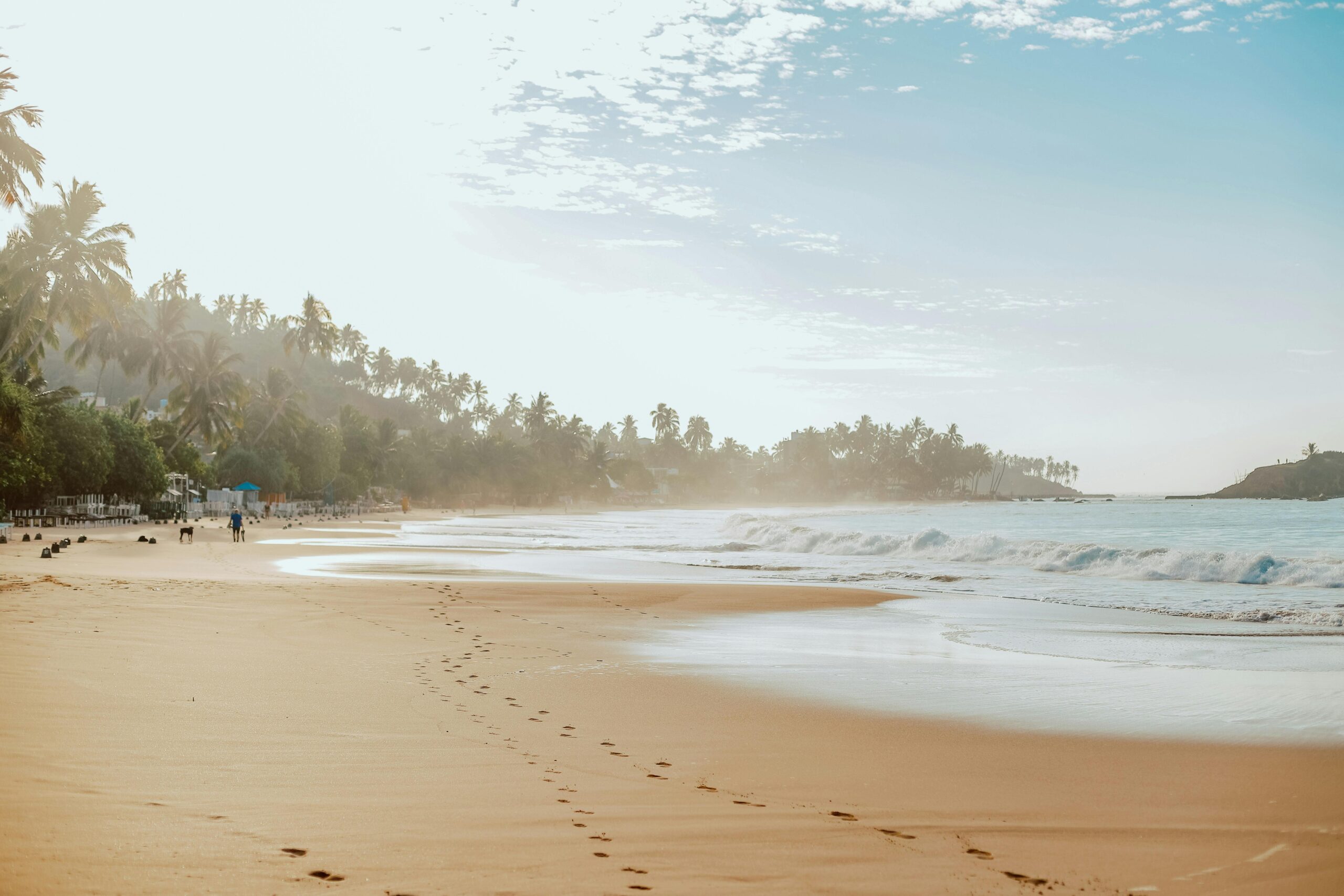
Deciding the best time to visit Mirissa comes down to what you want from this small, palm-fringed town on Sri Lanka’s south coast. Whether you’re after calm turquoise waters and reliable whale sightings, sun-drenched beach days, or big surf and dramatic skies, Mirissa’s seasonal rhythms shape the experience. This guide pulls together official climate data and local whale-season patterns to help you choose the ideal month for your trip.
Below you’ll find a month-by-month breakdown of Mirissa weather, a focused whale season guide, practical planning tips for tours and accommodation, and a clear comparison of seasons so you can match conditions to your priorities. The information is based on official climate data and tourism board guidance to give you an accurate picture of what to expect.
Why Mirissa is a year-round draw
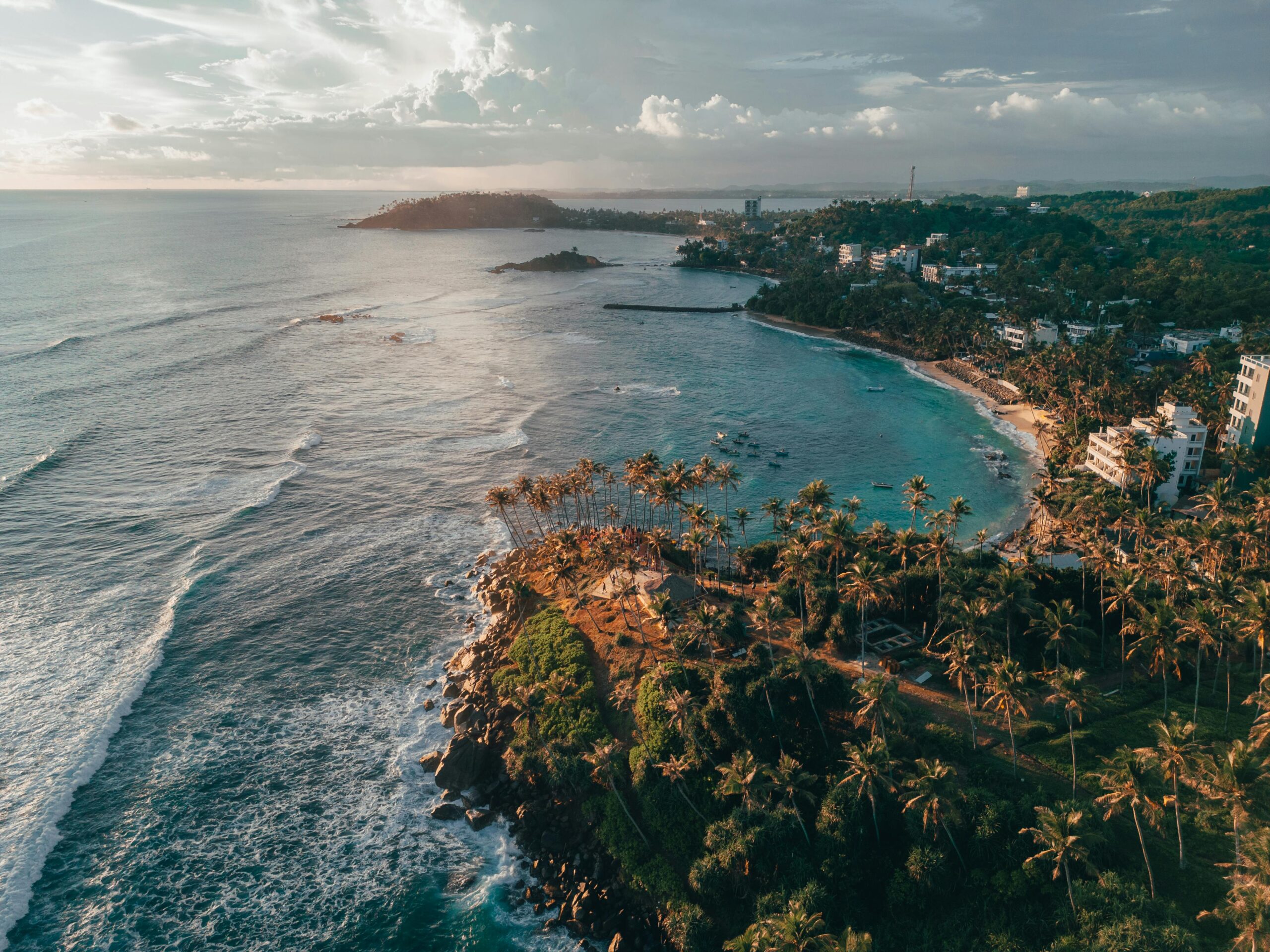
Mirissa is famous for its crescent-shaped bay, golden sand, late-afternoon beach culture and as a jumping-off point for blue and sperm whale watching. Its tropical location gives steady warm temperatures year-round, with average highs commonly in the high 20s to low 30s Celsius (mid-80s Fahrenheit). That stability means travelers can visit any month, but the character of the experience changes with the monsoon cycles and migratory patterns offshore.
For photographers and wildlife lovers, Mirissa offers spectacular light, easy sunset vantage points, and dependable boat access to offshore whale habitats during the season. For surfers and storm-chasers, the southwest monsoon brings consistent swell and dramatic weather. Understanding the local climate and marine calendar helps you pick dates that align with your priorities.
Mirissa climate: monthly breakdown and what to expect
Mirissa has a tropical monsoon climate with two key rainfall influences: the southwest monsoon (roughly May–September) that affects the south and west coasts, and the inter-monsoon periods (April–May and October–November) that can bring intense, short-lived storms. The driest window on the south coast typically runs from December through March, and this is when sea conditions are calmest and skies often clearest.
Month-by-month snapshot (generalized from official climate records):
- January–March: Generally dry, plenty of sunshine, calm seas and lower humidity—ideal for beach time, swimming and whale watching.
- April–May: Increasing heat and humidity, with sporadic showers during the inter-monsoon period. Conditions can still be good for early-season whale trips in late April and May.
- June–September: Southwest monsoon brings more frequent rain and rougher seas. Expect stronger onshore winds and larger surf; beach swimming may be less reliable but surf spots come alive.
- October–November: Inter-monsoon rains can be heavy, especially in late October and November. Short, intense downpours and thunderstorms are common; visibility for whale trips may be reduced on rough days.
- December: Transitioning to the dry season with improving sea conditions. By mid-December many boat operators resume regular whale-watching departures.
Temperatures remain fairly steady year-round, but humidity and rainfall are the variables that determine whether days feel sticky or pleasant. For the most consistently pleasant weather and calm seas, official data points to December through March as the sweet spot.

Whale season guide: when to go for marine sightings
Mirissa is one of the world’s best places to see blue whales, sperm whales and a variety of cetaceans. The primary whale-watching season on the south coast generally runs from November through April, with peak sightings often recorded between December and March when offshore waters are calmer and visibility is higher. During that period, multiple species may be encountered on a single trip.
Common sightings and timing:
- Blue whales: Frequently sighted in the peak season (Dec–Mar), often in deep waters a short boat ride from Mirissa.
- Sperm whales: Year-round presence is possible, but sightings become more consistent during the dry season when operators run more trips.
- Dolphins and smaller cetaceans: Spinner and bottlenose dolphins are common and may be seen year-round, particularly in calmer months.
For the best chance of sightings choose mornings with calm seas; many operators depart at dawn when conditions and cetacean activity combine for higher success rates. Keep in mind that weather can affect daily departures—rough seas during the southwest monsoon reduce or cancel boat trips for safety reasons.
Beaches, surf and diving: matching activities to seasons
If your priority is beach lounging, swimming and snorkeling, target the dry months from December through March when seas are calm and visibility is best for underwater life. Snorkeling and beginner dives near Mirissa typically offer clearer water and safer conditions in this window.
Surfing in Mirissa and nearby breaks is tied to the southwest monsoon and local swell patterns. May through September brings more consistent swell and offshore winds that favor many reef and point breaks along the south and southwest coasts. Advanced surfers looking for bigger waves often plan trips during this period, acknowledging that rain and wind are more likely.
Dive operators run trips year-round depending on conditions, but the best underwater visibility usually aligns with the dry, calmer months. If diving is a major focus, check recent visibility reports with local dive shops and confirm seasonality for the specific sites you want to visit.
Planning tips: tours, accommodation and practical advice
Booking whale-watching and other marine tours during peak season (December–March) is wise in advance, as reputable operators limit boat capacity to protect marine life and demand can be high. For accommodations, Mirissa ranges from budget guesthouses to boutique hotels and beachside villas. You can browse current options and compare locations and reviews on established travel platforms for up-to-date availability.
When booking accommodation and excursions, consider proximity to the beach and harbor if whale trips are a priority—shorter transfers to the jetty reduce morning logistics. For a comprehensive selection of local lodging, many travelers start their search with popular online booking tools that list verified properties and guest reviews.
Packing and practical items to bring:
- Sunscreen, hat and sunglasses for strong tropical sun even on cloudy days.
- Lightweight, quick-dry clothing and a light rain jacket for sudden showers in shoulder months.
- Motion-sickness medication if you’re prone to seasickness—boat rides to whale grounds can take 30–90 minutes depending on sightings.
- Reusable water bottle and basic first-aid items. Local pharmacies are available but may have limited hours during holidays.
For official travel guidance, permit requirements and updated local advisories, the national tourism authority provides current information and recommended safety practices for marine excursions and coastal travel.
Explore places to stay in Mirissa to find accommodations that match your itinerary and proximity preferences.
Season comparison: which months match your priorities?
To help narrow choices, the table below compares the main seasonal trade-offs—weather, whale opportunities, surf, crowd levels and average travel costs—so you can pick dates aligned with your priorities.
| Season | Typical months | Mirissa weather | Whale sightings | Surf & activities | Crowds & prices |
|---|---|---|---|---|---|
| High season (dry) | Dec–Mar | Warm, low rainfall, calm seas | Peak; best visibility and reliability | Great for swimming, snorkeling, diving | Higher crowds and prices around Christmas/New Year |
| Shoulder months | Apr, May; Nov | Warmer, intermittent showers (inter-monsoon) | Good potential (late Apr/May, Nov start/end) | Mixed—early surf or calm windows | Moderate crowds; better deals than high season |
| Monsoon season | Jun–Oct | Frequent rain, higher humidity, rough seas | Less reliable; many tours canceled on rough days | Ideal for surfing; limited swimming days | Lower prices and quieter beaches |
Use this comparison to weigh what matters most: whale sightings and calm seas (Dec–Mar), lower costs and surf (Jun–Sep), or a balance with fewer crowds and potential sightings in shoulder months (Apr/May and Nov).
FAQs
When is the best month to see whales in Mirissa?
The most consistent whale sightings typically occur between December and March, when offshore waters are calmest and visibility is at its best. Peak months are often January through March, but sightings can also occur in November and April—particularly on calm days. Always check local operator reports for recent sighting trends before booking.
How reliable is the Mirissa weather for beach days?
Mirissa’s driest and most reliable weather for beach activities runs from December through March. Outside of these months, especially during the southwest monsoon (May–September) and inter-monsoon periods, expect more frequent showers and choppier seas, which can limit swimming and snorkeling opportunities.
Are whale-watching tours safe and ethical in Mirissa?
Many local operators follow responsible encounter guidelines—maintaining respectful distances, limiting approach time and capping the number of boats near a sighting—especially those accredited by tourism associations. Choose licensed operators who communicate their wildlife policies clearly and prioritize animal welfare. Confirm cancellation and safety procedures before booking, and ask about boat capacity and life jacket availability.
Can I surf and watch whales on the same trip?
Yes, but you’ll need to plan timing and season carefully. Surfing conditions are generally best during the southwest monsoon (May–September), while whale-watching is most reliable during the dry season (Dec–Mar). Shoulder months like April, May and November can offer opportunities for both, though neither activity is guaranteed—check local conditions and consider splitting your time across the season transition.
What should I pack for a trip to Mirissa?
Pack lightweight breathable clothing, reef-safe sunscreen, a hat, sunglasses, and swimwear. Bring a light rain jacket for shoulder months or unexpected downpours, motion-sickness tablets for boat trips, and comfortable footwear for exploring. If you plan to dive or snorkel, check whether operators provide equipment or if you need to bring your own.
Conclusion
The best time to visit Mirissa depends on your priorities: choose December through March for the most reliable whale watching, calm seas and beach-perfect conditions; opt for June through September if surfing and lower prices appeal more; and consider April, May or November as flexible shoulder months that can offer a balance of quieter beaches, potential sightings and better deals. Use official climate patterns and current local reports to fine-tune the exact dates, and book whale tours and accommodation early if you plan to travel during the peak window.
For authoritative, up-to-date travel and destination guidance check the national tourism authority before you go to confirm seasonal advisories and marine-safety updates.
Visit the official Sri Lanka tourism site for current advisories and further destination information.