Planning a trip to Bolivia can be an unforgettable experience, but choosing the best time to visit Bolivia is crucial for making the most of your adventure. The country’s dramatic landscapes, ranging from the high-altitude Altiplano to lush Amazonian rainforests, create a variety of climates throughout the year. To ensure you enjoy Bolivia’s natural wonders, historic cities, and vibrant culture, understanding the country’s seasonal weather patterns is essential.
This travel guide is based on official climate data and insights from the country’s tourism board, helping you decide when to visit Bolivia for the experiences that matter most to you. Whether you’re drawn to the salt flats of Uyuni, the colonial streets of Sucre, or the wildlife-rich wetlands, knowing what to expect from Bolivia weather by month will help you plan with confidence.
Understanding Bolivia’s Climate Zones
Bolivia’s unique geography means the country is divided into several distinct climate zones. The western highlands, including cities like La Paz and Potosí, experience cooler temperatures year-round due to their elevation, while the eastern lowlands and Amazon basin are warmer and more humid. This diversity creates opportunities for travel in every season, but also means that the best time to visit Bolivia can vary depending on your chosen destinations.
Altitude is a major factor in Bolivia’s weather. The Altiplano, at over 3,500 meters above sea level, can see chilly nights even in summer, while the lowlands, such as Santa Cruz, enjoy a more tropical climate. Understanding these regional differences is key to packing appropriately and planning your itinerary to match the weather patterns you’ll encounter.
Bolivia Weather by Month: An Overview
Bolivia’s weather is broadly divided into two main seasons: the dry season (May to October) and the wet season (November to April). Each season has its own advantages and challenges for travelers. The dry season is generally considered the best time for trekking, sightseeing, and exploring the country’s iconic landscapes, as rain is minimal and skies are clear. The wet season, on the other hand, brings lush scenery and fewer tourists but can also result in travel disruptions, especially in remote areas.
Monthly weather patterns can differ significantly between regions. For example, while June and July are among the driest and sunniest months in the highlands, the Amazon basin may still experience sporadic rainfall. Understanding Bolivia weather by month travel guide recommendations can help you match your plans to the climate. For more insights on the country’s geography and weather, visit the Bolivia Wikipedia page.
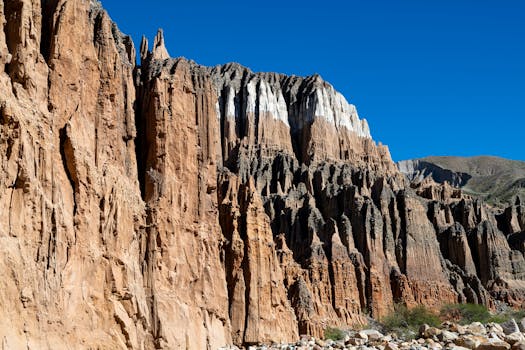
Dry Season (May to October): Peak Travel Months
The dry season in Bolivia, spanning from May to October, is widely regarded as the best time to visit Bolivia for most travelers. During these months, the weather is typically stable, with clear blue skies, minimal rainfall, and comfortable daytime temperatures. Nights, particularly in the highlands, can be cold, so layering is recommended.
This period is ideal for outdoor adventures such as trekking in the Cordillera Real, exploring the Uyuni Salt Flats, or visiting Lake Titicaca. June and July are especially popular, coinciding with school holidays in many countries, so popular destinations can be busier. The dry season is also the best time for festivals and traditional events, including the colorful Gran Poder festival in La Paz.
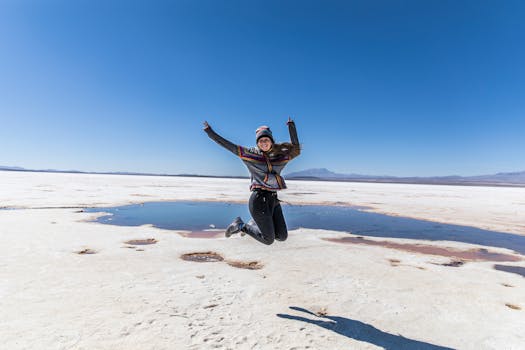
Wet Season (November to April): Lush Landscapes and Fewer Crowds
The wet season in Bolivia, from November to April, transforms the landscape with vibrant greenery and dramatic cloud formations. Rainfall is most frequent between December and February, particularly in the lowlands and tropical regions. While travel during the wet season can be more challenging due to muddy roads and occasional flooding, it offers unique experiences for those seeking fewer crowds and a different perspective on Bolivia’s scenery.
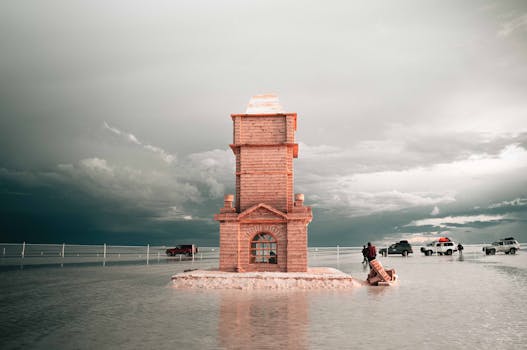
One of the highlights of visiting during the wet season is witnessing the mirror-like effect on the Uyuni Salt Flats, when a thin layer of water creates stunning reflections. The Amazon basin is alive with wildlife, and the countryside bursts into bloom. However, travelers should be prepared for possible delays and check local conditions, especially if venturing into remote areas. For official tourism board advice on seasonal travel, consult the Tourism in Bolivia resource.
Month-by-Month Bolivia Weather Travel Guide
Understanding Bolivia weather by month is essential for planning activities and packing appropriately. Here’s a detailed breakdown:
- January – March: Expect heavy rainfall, especially in the Amazon and Yungas regions. Some rural roads may be impassable, but the landscapes are lush and rivers are full. The Uyuni Salt Flats may display spectacular reflections.
- April – May: Rainfall decreases, and conditions improve for trekking and sightseeing. The countryside remains green, and temperatures are mild.
- June – August: These are the driest and sunniest months, with chilly nights in the highlands. Ideal for outdoor activities and exploring major attractions.
- September – October: Dry conditions persist, but temperatures begin to rise. This is a great time for wildlife watching and visiting the lowlands.
- November – December: Rain returns, particularly in the east, and the landscape becomes verdant again. Travel is possible, but some areas may be affected by weather disruptions.
By considering this month-by-month guide, you can align your travel plans with the weather patterns most suitable for your interests and destinations.
Comparing Seasons: Dry vs. Wet (Table)
| Season | Months | Weather | Best For | Possible Challenges |
|---|---|---|---|---|
| Dry | May–October | Clear, sunny, cool nights | Trekking, sightseeing, festivals | Cold nights, higher prices, busy sites |
| Wet | November–April | Rainy, lush, humid | Salt flat reflections, wildlife, fewer tourists | Muddy roads, travel delays, some closures |
This comparison highlights the trade-offs between Bolivia’s two main travel seasons, helping you decide which aligns best with your travel goals.
Festivals and Events by Season
Bolivia’s rich cultural calendar is closely tied to its weather patterns. Many of the country’s most famous festivals take place during the dry season, when travel is easiest. Notable events include:
- Gran Poder (May/June): A massive folkloric festival in La Paz, featuring parades, music, and traditional dances.
- Inti Raymi (June): The Andean New Year, celebrated with rituals and festivities in the highlands.
- Virgen de Urkupiña (August): A major pilgrimage and celebration in Cochabamba.
During the wet season, travelers can experience Carnival (February or March), a vibrant celebration marked by lively parades and water fights, especially in the city of Oruro. These events offer unique insights into Bolivia’s culture and are well worth planning a trip around if your schedule allows.
Regional Weather Differences: Highlands, Valleys, and Lowlands
Bolivia’s regional diversity means that weather conditions can vary dramatically within the country. The highlands, including La Paz, Oruro, and Potosí, are characterized by cool temperatures and a pronounced dry season. Valleys such as Cochabamba enjoy a mild, spring-like climate year-round, making them pleasant to visit at any time.
The eastern lowlands, including Santa Cruz and the Amazon basin, are warmer and more humid, with significant rainfall during the wet season. Travelers should be aware that the best time to visit Bolivia’s lowlands may differ from the highlands, especially if planning jungle excursions or wildlife tours. Packing for a range of temperatures and weather conditions is recommended when traveling across different regions.
FAQs
What is the best time to visit Bolivia for trekking?
The best months for trekking in Bolivia are typically from May to September, during the dry season. Trails are less muddy, weather is more predictable, and mountain scenery is at its best.
When can I see the mirror effect at Salar de Uyuni?
The mirror effect at Salar de Uyuni occurs during the wet season, usually from January to March, when a thin layer of water covers the salt flats and creates stunning reflections.
Is it safe to travel in Bolivia during the wet season?
Traveling during the wet season is generally safe, but visitors should be prepared for potential delays, road closures, and local flooding, especially in remote areas. Checking weather updates before traveling is advisable.
Are there many festivals in Bolivia’s dry season?
Yes, many of Bolivia’s largest festivals, including Gran Poder and Inti Raymi, take place during the dry season, making it a vibrant time to experience local culture.
What should I pack for a trip to Bolivia?
Packing layers is essential, as temperatures can vary widely between regions and from day to night. Waterproof gear is recommended if traveling during the wet season, while warm clothing is necessary for high-altitude destinations.
Conclusion
Choosing the best time to visit Bolivia depends on your travel interests, preferred activities, and tolerance for weather variations. The dry season offers ideal conditions for most outdoor adventures and cultural events, while the wet season reveals a lush, vibrant side of Bolivia with unique natural phenomena and fewer tourists. By understanding Bolivia weather by month travel guide recommendations and considering regional differences, you can tailor your trip for a memorable and comfortable experience. Whether you seek adventure, culture, or natural beauty, Bolivia welcomes visitors year-round with unforgettable sights and experiences.