Scotland, a land of rugged landscapes, historic castles, and vibrant culture, attracts travelers from all over the world. Knowing the best time to visit Scotland can greatly enhance your experience, as the country’s weather varies significantly throughout the year. Whether you’re planning to explore the Highlands, stroll through Edinburgh’s charming streets, or enjoy the serene lochs, understanding Scotland’s climate will help you make the most of your trip.
Scotland’s weather is famously unpredictable, but it generally follows seasonal patterns that can guide your travel plans. This comprehensive guide will take you through Scotland’s weather by month, helping you decide the ideal time for your visit based on temperature, rainfall, and daylight hours. From the blooming spring to the crisp winter months, each season offers unique opportunities for exploration and adventure.
By exploring the best time to visit Scotland and the typical weather conditions throughout the year, you can tailor your itinerary to suit your interests and preferences. Whether you want to enjoy festivals, hiking, or simply soaking in the breathtaking scenery, this guide provides detailed insights backed by climate data and expert tourism sources.
Understanding Scotland’s Climate: An Overview
Scotland’s climate is classified as oceanic, with mild temperatures and significant rainfall spread throughout the year. The country’s diverse geography—from coastal areas to mountainous regions—creates microclimates that can lead to wide variations in weather even within short distances. Generally, the west coast is wetter and milder, while the east experiences cooler and drier conditions.
Summer months tend to be the warmest, with average temperatures ranging between 15°C and 20°C (59°F to 68°F), while winters can be cold, particularly in the Highlands, with temperatures occasionally dropping below freezing. Rain is frequent but often falls in short bursts rather than prolonged downpours, making it essential to be prepared with appropriate clothing regardless of when you visit.
Daylight hours also fluctuate dramatically, especially in northern Scotland. During summer, you can experience nearly 18 hours of daylight, perfect for outdoor activities and sightseeing. Conversely, winter days can be as short as six hours, limiting outdoor exploration but providing a cozy atmosphere for indoor cultural experiences. For more detailed historical and cultural context, you might find the information on Scotland’s Wikipedia page useful.
Spring in Scotland: March to May
Spring marks the gradual transition from the cold winter months to milder weather. March often remains chilly, especially in the Highlands, but by April and May, Scotland begins to bloom with vibrant flowers and lush greenery. Temperatures typically rise from 5°C (41°F) in March to around 13°C (55°F) by May.
Spring is an excellent time to visit if you prefer fewer crowds and want to witness Scotland’s natural beauty awakening after winter. Wildlife becomes more active, and the days lengthen, offering more daylight for exploring. However, spring can still be unpredictable with occasional rainfall and chilly winds, so layering your clothing is advisable.
Many festivals and events start to take place during spring, including the famous Highland Games in some regions. This season offers a balance between accessibility and tranquility, making it ideal for travelers interested in hiking, photography, and cultural experiences without the summer tourist rush.

Summer in Scotland: June to August
Summer is widely considered the best time to visit Scotland, largely due to the warmest weather and extended daylight hours. Temperatures in summer average between 15°C and 20°C (59°F to 68°F), although occasional heatwaves can push temperatures higher, especially in the cities.
June, July, and August bring the most reliable weather for outdoor pursuits such as hiking, cycling, and exploring Scotland’s famous castles and lochs. The long days provide ample time for sightseeing, with sunset as late as 10 pm in northern areas. This season is also packed with cultural events, including the renowned Edinburgh Festival Fringe in August, the largest arts festival in the world.
However, summer is also the peak tourist season, so popular destinations can be crowded, and accommodation prices tend to rise. Booking in advance is recommended. The weather can still be changeable, so packing waterproof gear remains a smart choice. For a detailed month-by-month climate breakdown, you can consult the official climate guide for Scotland.
Autumn in Scotland: September to November
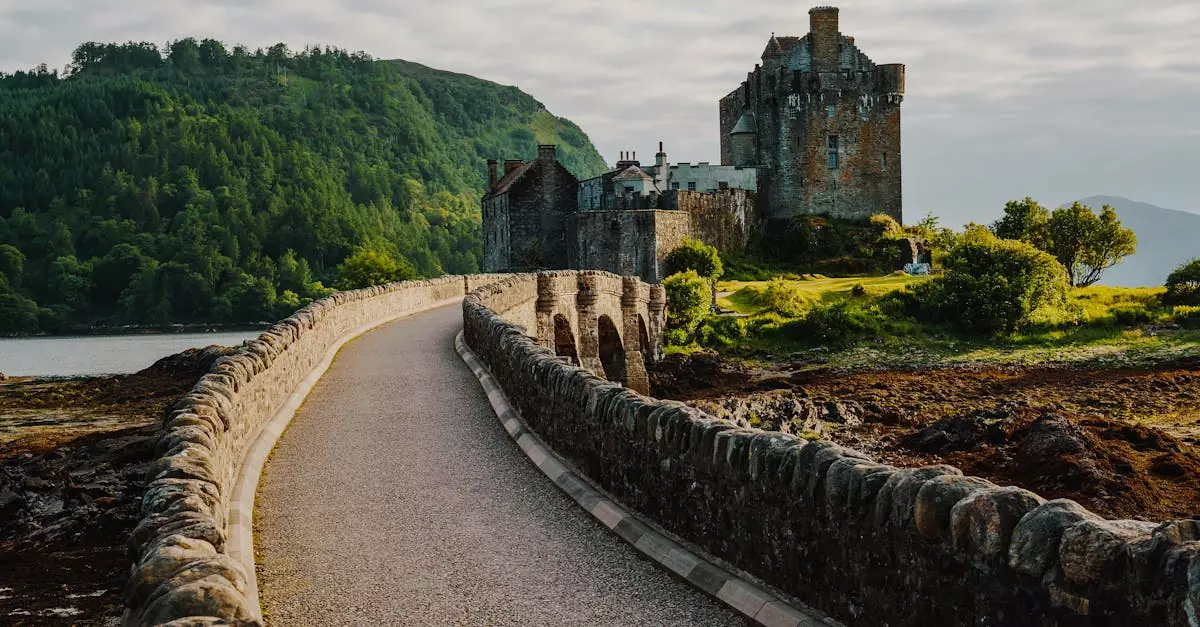
Autumn offers a spectacular display of color as Scotland’s forests and countryside transform with shades of red, orange, and gold. September remains relatively mild, with average temperatures around 14°C (57°F), but by November, temperatures drop closer to 5°C (41°F), and daylight hours shorten considerably.
This season is perfect for travelers seeking a quieter, more reflective experience. The summer crowds dissipate, and accommodation and travel costs tend to be lower. Autumn is also harvest time, making it an excellent opportunity to enjoy Scotland’s culinary delights, including fresh game and seasonal produce.
Weather in autumn can be variable, with a mix of sunny days and increased rainfall. Misty mornings and crisp air add a mystical quality to the landscape, ideal for photographers and nature enthusiasts. Hiking remains popular, especially in the early autumn months before the colder weather sets in.
Winter in Scotland: December to February
Winter in Scotland is characterized by cold temperatures, shorter days, and often snowy conditions, particularly in the Highlands. Average temperatures range from 0°C to 5°C (32°F to 41°F), but can feel colder due to wind chill. Coastal areas tend to be milder but wetter during this season.
While winter is not the most popular time for tourism, it offers unique experiences such as festive Christmas markets, Hogmanay (Scottish New Year) celebrations, and winter sports like skiing and snowboarding in resorts such as Aviemore. The dramatic winter landscape with snow-capped mountains and frost-covered lochs creates a magical atmosphere for visitors.
Travelers should be prepared for limited daylight and potentially challenging weather conditions. Checking local forecasts and road conditions is essential for safety. Winter visitors can also enjoy Scotland’s rich indoor attractions, including museums, historic castles, and cozy pubs with traditional Scottish fare.
Scotland Weather by Month Guide: Quick Reference Table
| Month | Average Temperature (°C) | Rainfall (mm) | Daylight Hours | Best Activities |
|---|---|---|---|---|
| January | 2 – 5 | 80 | 6-7 | Winter sports, Hogmanay celebrations |
| March | 4 – 9 | 60 | 9-11 | Wildlife watching, early spring hikes |
| May | 8 – 15 | 50 | 14-16 | Festivals, sightseeing, gardening tours |
| July | 13 – 20 | 60 | 17-18 | Outdoor activities, festivals, coastal walks |
| September | 11 – 16 | 55 | 12-14 | Autumn foliage, food festivals |
| November | 4 – 8 | 70 | 8-9 | Museum visits, early winter hikes |
Tips for Planning Your Trip Based on Scotland’s Weather
When planning your trip, consider the activities you want to prioritize. For example, if hiking and outdoor exploration are your main interests, late spring through early autumn offers the most favorable weather. Conversely, if you’re drawn to cultural festivals, summer months provide a vibrant atmosphere filled with events.
Always pack layers, including waterproof and windproof clothing, as Scotland’s weather can change rapidly. Footwear suitable for uneven, sometimes muddy terrain is essential for countryside adventures. Additionally, booking accommodations well in advance during peak seasons ensures better availability and prices.
Keep in mind that some remote areas may have limited services during the off-season, so it’s wise to plan accordingly. Checking local weather forecasts before and during your trip can help you adapt your plans to current conditions.
FAQs
What is the best month to visit Scotland for good weather?
The best months for good weather in Scotland are June, July, and August, offering the warmest temperatures and longest daylight hours. However, May and September can also be pleasant with fewer crowds.
Is it always rainy in Scotland?
While Scotland is known for its rain, precipitation is often light and intermittent rather than continuous. Rainfall varies by region, with the west coast receiving more than the east.
How cold does Scotland get in winter?
Winter temperatures typically range from 0°C to 5°C (32°F to 41°F), but can drop below freezing, especially in the Highlands. Snow is common in higher elevations.
Can I visit Scotland year-round?
Yes, Scotland is a year-round destination. Each season offers unique experiences, from winter sports and festivals to summer hiking and cultural events.
Where can I find reliable weather forecasts for Scotland?
Reliable weather forecasts can be found on official meteorological websites such as the UK Met Office or local tourism board pages, which provide up-to-date information tailored to specific regions.
Conclusion
Choosing the best time to visit Scotland depends largely on your preferences for weather, activities, and crowd levels. Summer offers warm temperatures and vibrant cultural events, making it the most popular period for travelers. However, spring and autumn provide beautiful scenery and quieter surroundings, while winter showcases a magical landscape and festive traditions.
By understanding Scotland’s weather by month, you can plan a trip that matches your interests and ensures a comfortable and enjoyable experience. Whether you’re drawn to the historic cities, dramatic landscapes, or rich cultural heritage, Scotland welcomes visitors throughout the year with its timeless charm and breathtaking beauty.