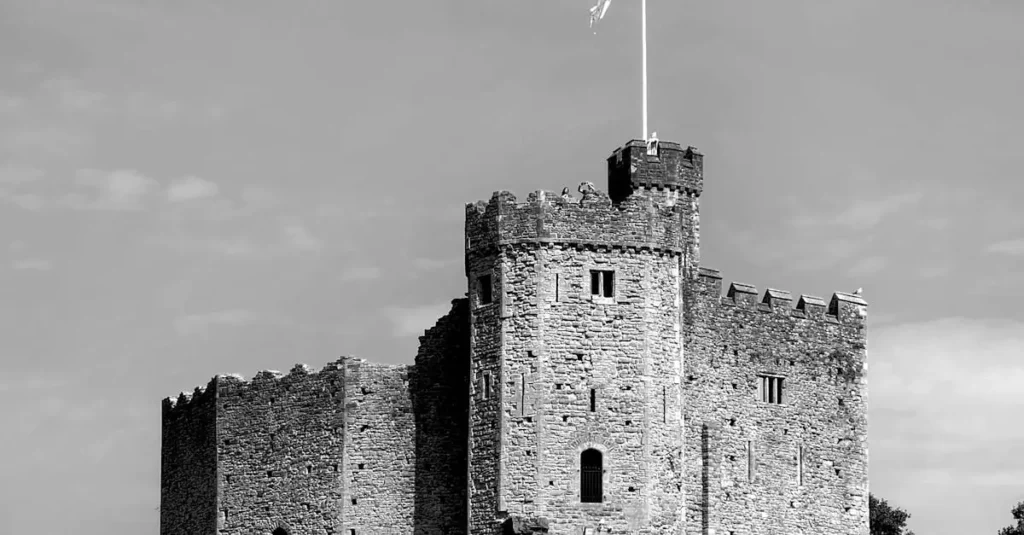
Choosing the best time to visit Wales is crucial for travelers seeking to make the most of their trip to this beautiful country in the United Kingdom. Wales, known for its stunning landscapes, rich history, and vibrant culture, offers different experiences throughout the year depending on the weather and seasonal events. Understanding Wales weather by month travel guide can help you plan your visit according to your preferences, whether you want to enjoy outdoor activities, festivals, or peaceful countryside escapes.
This comprehensive travel guide explores the climate trends and seasonal highlights across Wales, helping you decide when to pack your bags. From the lush green valleys in spring to the cozy winter festivities, each season offers something unique. Wales’ varied topography, including mountains, coastlines, and national parks, means weather can vary, so knowing what to expect month by month is essential for a comfortable and enjoyable stay.
Whether you are drawn to the lively cities or the tranquil countryside, this guide will provide you with detailed insights into the best months to visit Wales, supported by climate data from trusted weather authorities and the tourism board. Let’s dive into the specifics of Wales weather by month travel guide to help you experience this enchanting country at its finest.
Understanding Wales Climate: An Overview
Wales experiences a temperate maritime climate characterized by mild summers and cool, wet winters. The influence of the Atlantic Ocean and prevailing westerly winds means the weather can change quickly and varies significantly between coastal areas and inland mountainous regions. On average, temperatures range from around 2°C (36°F) in winter to 20°C (68°F) during the summer months.
Rainfall is relatively frequent throughout the year, with the western parts of Wales, such as Snowdonia, receiving higher precipitation than the eastern lowlands. This abundance of rain contributes to Wales’ famously lush greenery and thriving natural landscapes. Despite the wet weather, Wales enjoys a fair amount of sunshine during the summer months, making it ideal for outdoor adventures.
Travelers should be prepared for variable conditions, especially if planning to explore the outdoors. Lightweight waterproof clothing and layered outfits are recommended year-round. For those interested in cultural festivals and events, the summer months typically offer the most reliable weather, while the shoulder seasons provide fewer crowds and a more tranquil experience.
Spring in Wales: March to May
Spring marks the awakening of Wales’ natural beauty, making it one of the best times to visit Wales for nature lovers. From March to May, temperatures gradually rise from around 8°C (46°F) to 15°C (59°F), and the countryside bursts into bloom with wildflowers and blossoming trees.
Although rainfall remains moderate, spring often brings a mix of sunny and rainy days, which creates perfect conditions for exploring the national parks such as Brecon Beacons and Pembrokeshire Coast. The days lengthen, providing more daylight for hiking, cycling, and sightseeing. Spring is also when many local festivals begin, offering authentic cultural experiences without the summer crowds.
Visiting Wales in spring means you can enjoy quieter attractions and accommodation rates that are generally lower than in peak summer months. Wildlife enthusiasts will appreciate the chance to spot nesting birds and newborn lambs in the rural areas. Overall, spring is an excellent season for travelers who want a balance of pleasant weather and fewer tourists.

Summer in Wales: June to August
Summer is widely regarded as the peak tourist season and the best time to visit Wales for those seeking warm weather and lively events. From June through August, average temperatures hover between 15°C (59°F) and 20°C (68°F), with July and August being the warmest months. This season also offers the most sunshine, although occasional showers are still common.
The summer months are perfect for enjoying Wales’ extensive coastline, with opportunities for surfing, beachcombing, and coastal walks. Popular destinations such as Cardiff, Swansea, and the Gower Peninsula come alive with festivals, outdoor concerts, and cultural celebrations. National parks are bustling with visitors taking advantage of the long days to hike and explore.
However, summer also means higher prices and larger crowds, especially around well-known tourist hotspots. Booking accommodations and activities well in advance is advisable. For families and festival-goers, this is the ideal time to visit, but travelers seeking solitude might prefer the quieter shoulder seasons.

Autumn in Wales: September to November
Autumn is a fantastic time to visit Wales for those who appreciate dramatic landscapes and crisp, cool air. From September to November, temperatures gradually drop from around 17°C (63°F) in early September to 8°C (46°F) by November. The changing foliage colors add a stunning visual element to the countryside, especially in forested and mountainous areas.
Rainfall starts to increase as the season progresses, but early autumn often enjoys pleasant weather with fewer tourists. This makes it an ideal period for hiking and exploring ancient castles and heritage sites without the summer crowds. Local harvest festivals and food markets also provide an authentic taste of Welsh culture and cuisine during this time.
Autumn is a shoulder season that balances mild weather with lower accommodation prices and less congestion. Visitors should pack layers and waterproof gear to stay comfortable during variable weather conditions. It’s also a wonderful time for photographers and nature lovers looking to capture Wales’ scenic beauty in a quieter setting.
Winter in Wales: December to February
Winter in Wales is typically cold, wet, and often windy, with temperatures ranging from 2°C (36°F) to 7°C (45°F). Snowfall is common in higher elevations such as the Brecon Beacons and Snowdonia, creating picturesque winter landscapes and opportunities for winter sports like skiing and snowboarding.
Despite the colder weather, winter can be a charming time to visit Wales, especially for those interested in festive events and cozy indoor attractions. Christmas markets, traditional pubs, and historic castles offer warm retreats from the chill. Coastal areas tend to be milder, though stormy weather can occur.
Travelers planning a winter visit should be prepared for shorter daylight hours and occasional travel disruptions due to weather. However, this season offers a unique perspective on Welsh culture and scenery, with fewer tourists and often reduced prices on accommodation and travel costs.
Monthly Weather Comparison Table for Wales
| Month | Average High (°C) | Average Low (°C) | Rainfall (mm) | Sunshine (hours) |
|---|---|---|---|---|
| January | 6 | 1 | 110 | 45 |
| February | 7 | 1 | 90 | 65 |
| March | 9 | 2 | 80 | 90 |
| April | 12 | 4 | 70 | 140 |
| May | 15 | 7 | 60 | 180 |
| June | 18 | 10 | 55 | 200 |
| July | 20 | 12 | 60 | 210 |
| August | 20 | 12 | 65 | 190 |
| September | 17 | 10 | 80 | 150 |
| October | 13 | 7 | 100 | 100 |
| November | 9 | 4 | 110 | 60 |
| December | 7 | 2 | 115 | 40 |
Planning Your Trip: Activities by Season
Wales offers a rich variety of activities tailored to each season, making it a year-round destination. In spring, visitors can enjoy birdwatching, cycling, and garden visits, with many gardens such as Bodnant and Powis Castle showcasing spectacular spring blooms.
Summer is ideal for coastal activities like kayaking, surfing, and attending music festivals such as the Hay Festival or Green Man Festival. The warm weather also encourages hiking in national parks and exploring historic castles.
Autumn invites travelers to partake in food festivals, scenic drives through changing foliage, and visits to local markets. It’s also a great time for photography and quieter exploration of cultural sites.
Winter activities include skiing and snowboarding in the mountains, exploring festive Christmas markets, and enjoying traditional Welsh cuisine in cozy pubs. The quieter season also allows for peaceful retreats in rural accommodation and spa resorts.
Tips for Visiting Wales Throughout the Year
- Pack versatile clothing to adapt to rapidly changing weather conditions.
- Book accommodations and transport early, especially in summer and during festivals.
- Check local event calendars to experience Welsh culture through festivals and markets.
- Consider visiting lesser-known regions for a more authentic and tranquil experience.
- Use waterproof footwear and layers when exploring outdoor attractions.
For more detailed information about Wales’ history and geography, you can visit the Wales Wikipedia page, which offers comprehensive insights into this fascinating country.
FAQs
What is the best month to visit Wales for hiking?
The best months for hiking in Wales are from late spring to early autumn, particularly May through September. During this period, the weather is milder, and daylight hours are longer, making it ideal for outdoor activities in national parks such as Snowdonia and Brecon Beacons.
Is it rainy all year round in Wales?
Wales experiences rainfall throughout the year, but the wettest months tend to be from October to January. The western mountainous regions receive more precipitation than the eastern areas. However, rain showers are usually intermittent, and many days still offer sunshine, especially in summer.
Can I visit Wales in winter for outdoor activities?
Yes, winter visitors can enjoy outdoor activities like skiing and snowboarding in the mountainous regions. While the weather can be cold and wet, winter also provides a unique charm with fewer tourists and festive events. Proper preparation for cold and wet conditions is essential.
Are there any major festivals in Wales during the summer?
Summer hosts several major festivals in Wales, including the Hay Festival, Green Man Festival, and the National Eisteddfod. These events celebrate literature, music, and Welsh culture, attracting visitors from around the world.
How does the weather vary between coastal and inland Wales?
Coastal areas of Wales generally experience milder temperatures and less rainfall compared to the inland mountainous regions, which tend to be cooler and wetter. This variation means coastal locations are often preferable for beach activities, while inland areas are better suited for mountain hiking and winter sports.
For additional details on Wales’ climate and travel tips, the Climate of Wales Wikipedia page is a reliable resource that provides in-depth weather data and seasonal patterns.
Conclusion
Determining the best time to visit Wales depends largely on your travel goals and preferences. For those seeking warm weather and vibrant cultural events, summer from June to August is ideal, despite the higher prices and crowds. Spring and autumn offer mild temperatures, beautiful natural scenery, and fewer tourists, making them excellent choices for outdoor enthusiasts and those wanting a quieter experience.
Winter, while colder and wetter, presents a unique opportunity to enjoy Wales’ festive atmosphere, winter sports, and cozy indoor attractions. By understanding the Wales weather by month travel guide and planning accordingly, you can tailor your trip to enjoy the country’s rich heritage, stunning landscapes, and welcoming culture year-round.
Ultimately, Wales is a destination that offers something special in every season, and with the right preparation, you can experience its magic whenever you choose to visit.