The Maldives’ South Ari Atoll is widely regarded among divers as a top destination for close encounters with whale sharks, and choosing among the best diving resorts in South Ari Atoll can make the difference between a good trip and an unforgettable one. This guide focuses on resorts that combine reliable whale shark access, high-quality dive operations, and comfortable accommodation so you can maximize time in the water.
Throughout the article you’ll find practical information on seasons and conditions, what to expect from whale shark dives, how to choose the right resort and dive package, and travel logistics for reaching South Ari Atoll. Whether you’re a photographer, a marine-conservation-minded traveler, or a certified diver aiming for repeated sightings, these insights will help you plan smartly.
Why South Ari Atoll is special for divers
South Ari Atoll (Alifu Dhaalu and Alifu Alifu areas) occupies a unique place in Maldivian diving because of its broad channels, healthy reef systems and a year-round presence of plankton-rich waters that attract large pelagics. The relatively shallow lagoons and protected house reefs provide options for both drift and guided reef dives, while nearby deep channels host manta rays, reef sharks and the famous whale sharks.
Resorts in this atoll usually maintain onsite PADI/SSI dive centers staffed with experienced guides, skippers and photographers who know the local seasonal patterns. Many marine biologists and conservation groups work with resorts here to monitor whale shark movements, increasing the likelihood of responsible encounters rather than disruptive interactions.
Best times to dive and typical sea conditions
The Maldives has two main seasons—the dry northeast monsoon (December to April) and the wetter southwest monsoon (May to November). For whale shark sightings in South Ari Atoll, the window is broad: sightings commonly spike from November through April, but many operators report regular encounters year-round due to food availability around channels and cleaning stations.
Dive visibility ranges from 15–30 meters on good days, with water temperatures typically between 27–30°C (80–86°F). Currents can be moderate in the channels, making drift dives exciting but requiring careful planning; most resorts tailor dive schedules to tide and current to keep encounters safe and accessible.
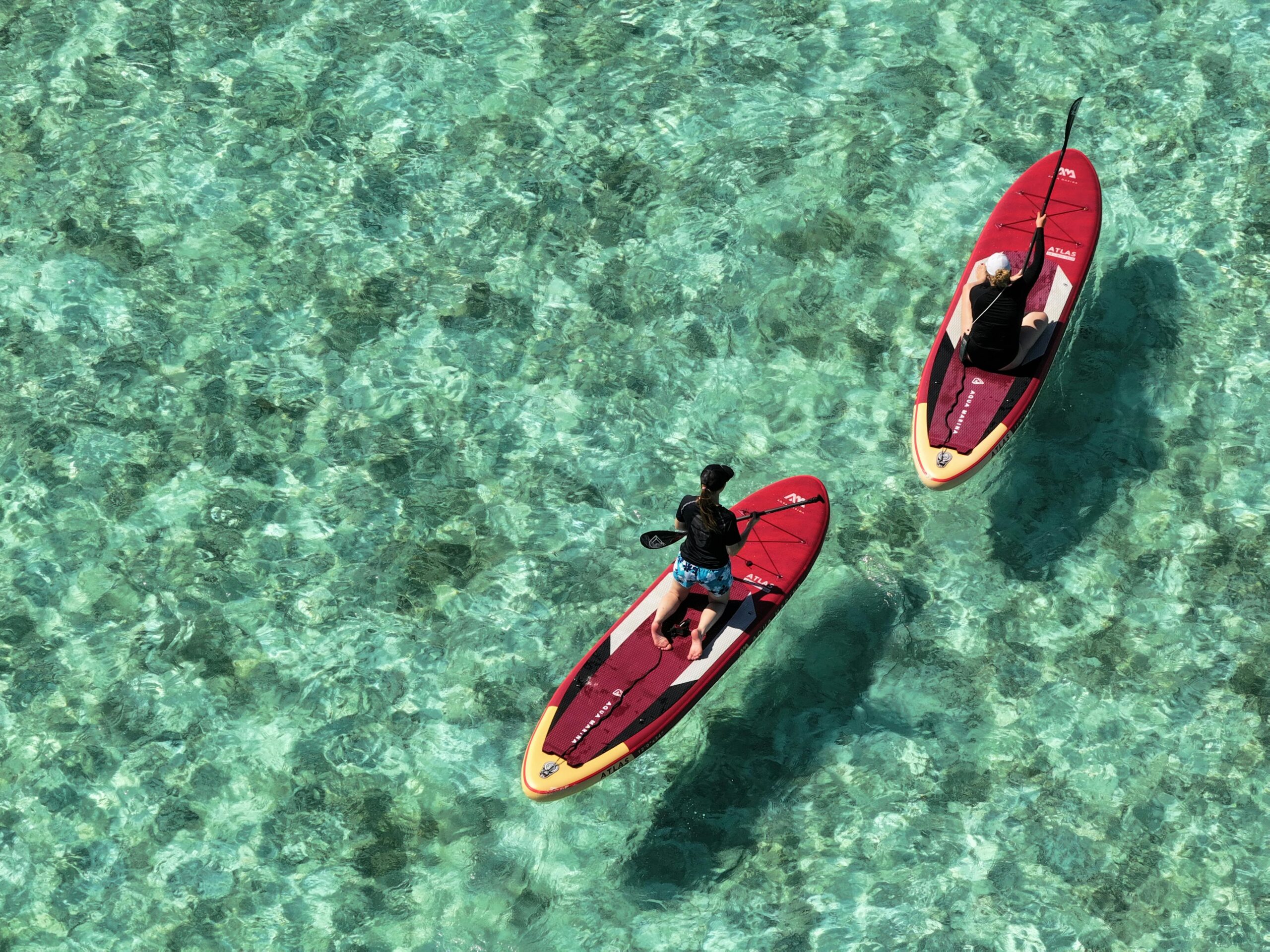
Top diving resorts in South Ari Atoll to consider
Below are resorts known for consistent whale shark access, strong dive operations and guest services that support divers. Each resort offers different price points and styles—from family-friendly to adults-only—so prioritize what matters most (proximity to channels, night diving, camera support, conservation involvement).
- Resort A — High sighting reliability and full-service dive center: Often praised for regular whale shark sightings, comprehensive dive briefings and wide range of guided trips including night dives and wrecks. Ideal for divers wanting many guided options in a single stay.
- Resort B — Luxury stays with professional photo support: Luxury villas and in-house underwater photographers make this one attractive for underwater photographers who need charging stations, camera rinse tanks and easy access to dive boats.
- Resort C — Budget-conscious with excellent day-boat programs: Good value for independent divers and small groups. Offers frequent day-boat runs to known whale shark hotspots and a helpful dive team for beginners and advanced divers alike.
- Resort D — Eco-forward and research-friendly: Partners with marine researchers, runs guest lectures, and supports tagging and citizen-science projects—perfect for travelers who want their stay to contribute to conservation.
- Resort E — Family-friendly options and non-diver activities: If traveling with non-divers, this resort balances land-based activities (snorkeling, spa, kids’ programs) with strong dive excursions for certified guests.
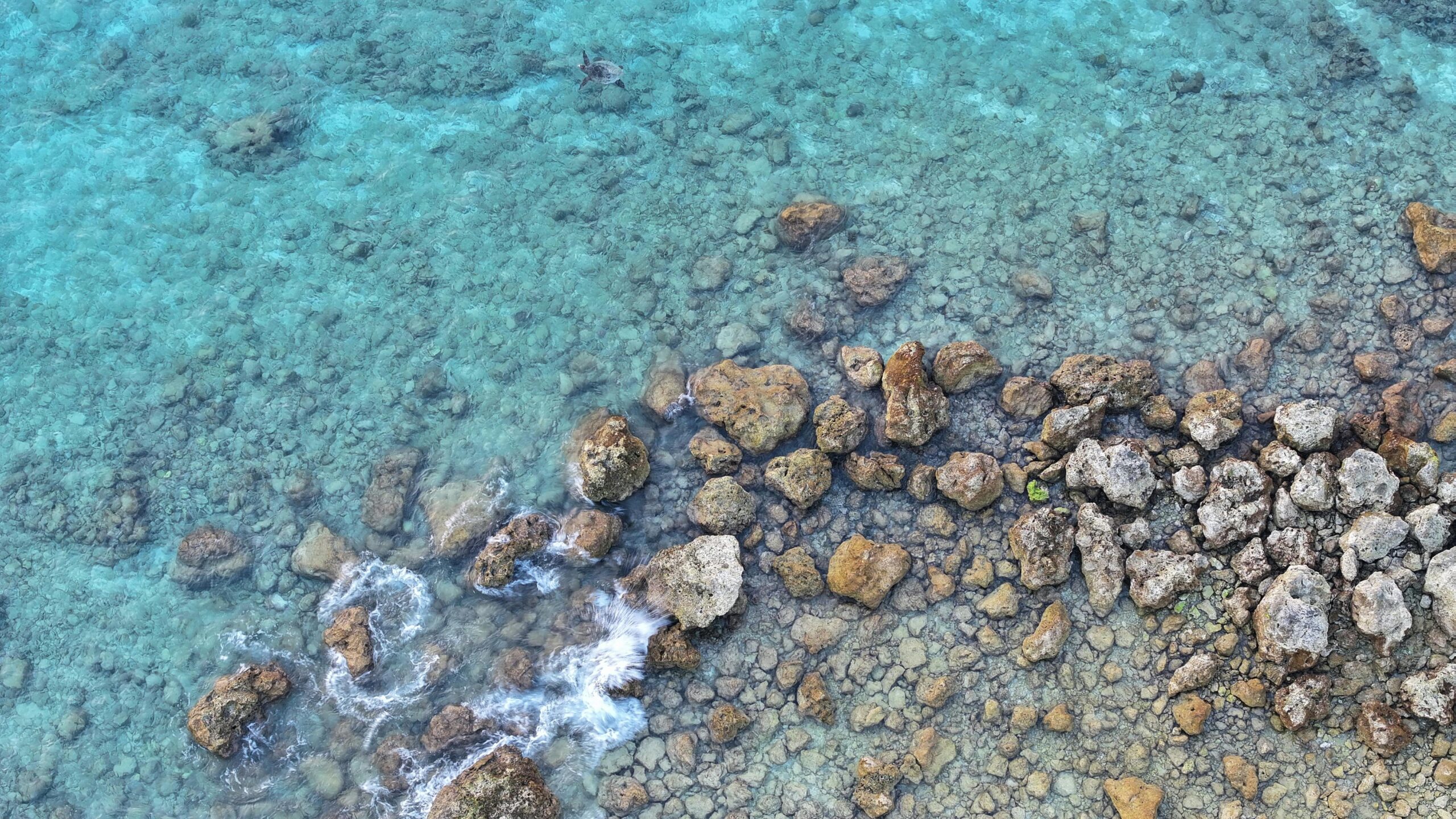
What to expect on a whale shark dive in South Ari Atoll
Whale shark encounters in South Ari Atoll are typically conducted from dive boats or dhonis that position near feeding aggregations or channels. Guides emphasize minimal disturbance: approach slowly, keep a respectful distance, avoid flash photography when requested, and never attempt to touch or swim directly in front of the animal’s path.
Encounters can range from brief fly-bys to extended sessions where several individuals feed within the same area. Guides will often time dives for slack water or falling tides to reduce current and increase safety. If you’re a photographer, ask the dive center about ideal camera settings and whether there’s a guide allocated for photographers.
Choosing the right resort and dive package
When comparing resorts, evaluate the following criteria to match your priorities:
- Distance to known whale shark hotspots and average boat run times
- Dive boat capacity and guest-to-guide ratios
- Availability of nitrox, camera facilities and equipment rental quality
- Conservation credentials and membership in local marine programs
- Package inclusions—are dives, transfers and park fees included or extra?
Ask dive centers specific questions before booking: How many boat trips per week target whale sharks? Do they keep sighting logs? Is there an extra charge for guided whale shark excursions? Clear answers will prevent surprises and often reveal which operators prioritize safe, sustainable interactions.
Travel logistics: getting to South Ari Atoll
Most international visitors fly into Velana International Airport (Malé) and then transfer to South Ari Atoll by domestic flight, seaplane or speedboat depending on the resort’s location and transfer agreements. Domestic flights and seaplanes have strict baggage limits, so confirm luggage allowances and camera gear rules with your resort beforehand.
To compare transport-inclusive packages and local availability, you can search resort options on Booking.com to see transfer details listed by property. Booking directly with a resort often clarifies exact transfer times and arrival windows for seaplanes or speedboats.
Safety, certification and gear recommendations
Most whale shark encounters are non-technical and accessible to Open Water certified divers, but good buoyancy and comfort in currents are essential. If you’re not confident in drift diving, consider a refresher course or try guided sessions before attempting deeper or drift-heavy sites.
- Bring a surface marker buoy (SMB) for drift or open-water dives where boats operate nearby.
- Consider nitrox if doing multiple dives per day—many resorts offer it as an add-on.
- Underwater cameras: bring a sturdy housing and check with the dive center about rinse tanks and charging stations.
- Sun protection: reef-safe sunscreen, long-sleeve rash guards and a hat for surface intervals.
Responsible diving and conservation considerations
Supporting resorts that follow responsible wildlife interaction guidelines helps protect whale sharks and the broader ecosystem. Look for operators that adhere to local regulations, use experienced guides to manage encounters, and participate in monitoring programs or marine conservation fees that fund research.
Simple guest practices—no feeding, no touching, and maintaining distance—minimize stress on animals and maximize long-term viewing opportunities. Many resorts provide briefings on local rules and ask divers to report sightings to contribute to national databases used by scientists.
FAQs
When is the best month to see whale sharks in South Ari Atoll?
While sightings often peak between November and April, many operators report year-round encounters in South Ari Atoll. The “best” month can depend on local currents and plankton blooms, so check recent sighting reports from your chosen dive center.
Do I need to be a certified diver to see whale sharks?
No—non-diving guests can often see whale sharks on guided snorkeling trips. For close underwater encounters, Open Water certification and comfort with boat-based dives and moderate currents are recommended.
How many dives should I plan to increase my chance of seeing a whale shark?
More dives increase your odds. Consider booking at least four to six days of diving or multiple targeted trips with the resort’s day-boat program. Many guests see whale sharks within a few dives, but sightings are never guaranteed.
Are whale shark encounters safe for divers and the animals?
When managed correctly, encounters are safe. Choose resorts that enforce approach distances, limit the number of swimmers around an animal, and brief guests on no-touch policies. These measures reduce risk to both divers and whale sharks.
Can I go on a liveaboard instead of staying at a resort in South Ari Atoll?
Yes—liveaboards offer extensive coverage of multiple atolls and can be ideal for divers focused solely on maximizing sightings. However, resorts provide easier access for non-divers and more varied land-based amenities; choose based on whether you want a boat-centric or resort-style stay.
Conclusion
Choosing among the best diving resorts in South Ari Atoll depends on your priorities: peak sighting reliability, photography support, conservation involvement or family-friendly facilities. Prioritize resorts with experienced dive teams, clear sighting logs and respectful wildlife policies to ensure safe, memorable encounters with whale sharks and other pelagics.
Plan transfers carefully, book a package that matches your dive ambitions, and allow several days to maximize your chances. With responsible planning and a reputable dive operator, South Ari Atoll offers some of the most rewarding whale shark and pelagic diving in the Maldives.