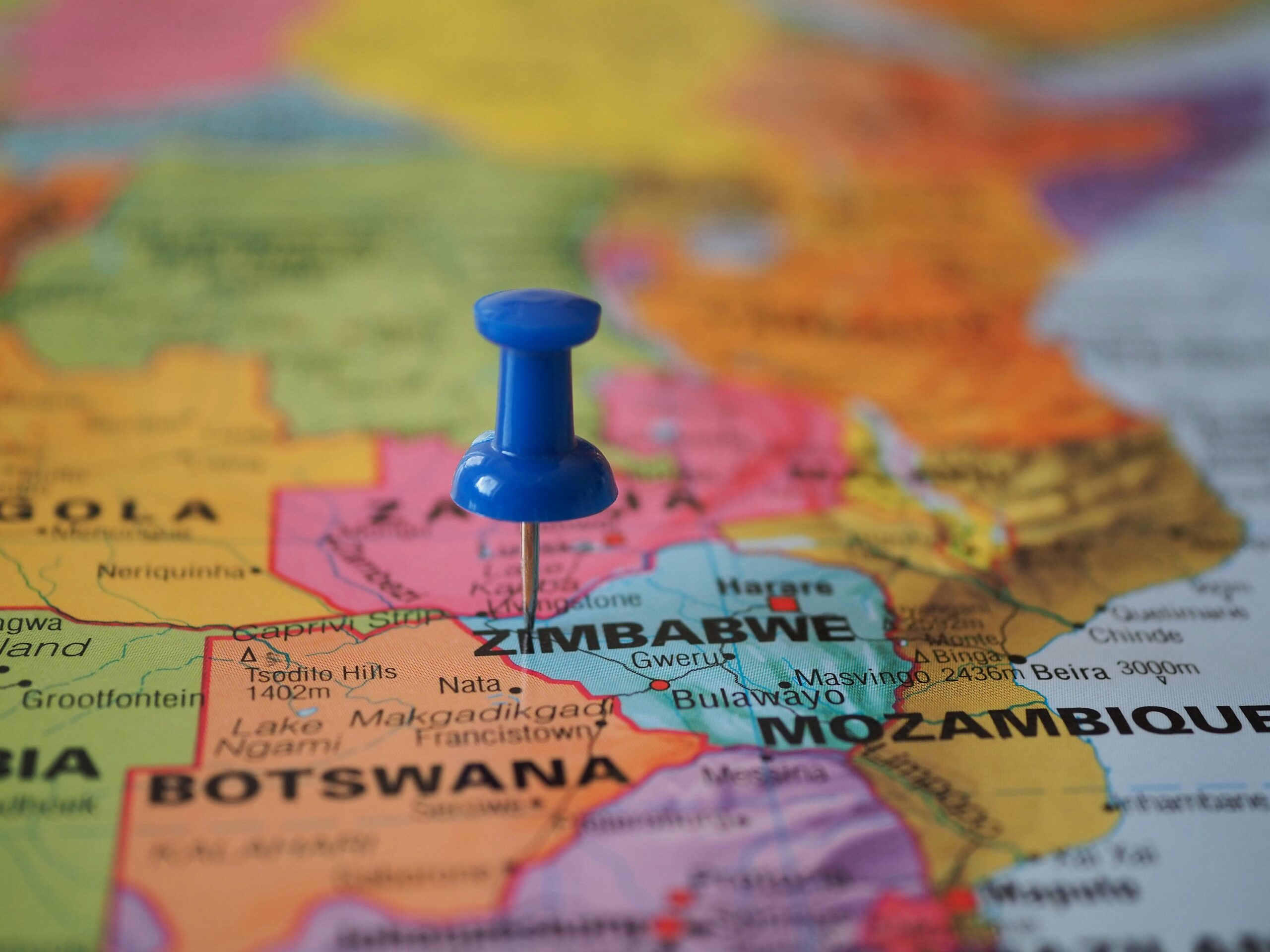
Choosing the best lodges in Botswana is the first step toward an unforgettable safari experience. From private island camps in the Okavango Delta to riverside retreats along the Chobe, Botswana’s lodges combine intimate wildlife encounters with elevated comfort. This guide highlights top properties, what to expect at each, and practical advice to match style, season and budget.
Based on accommodation listings and official guidance from the Botswana Tourism Authority, the following overview covers standout Botswana luxury safari lodges across the country’s key wildlife regions, plus booking tips, travel logistics, and a comparison table to help you decide.
Why Botswana’s lodges stand out
Botswana’s lodges are celebrated not only for luxury but for proximity to wildlife and for small-scale, low-impact design. Many are situated inside private concessions or on islands, where numbers are limited so guests enjoy high sightings rates and intimate game viewing. Expect polished service, carefully curated activities like mokoro (dugout canoe) excursions, guided walking safaris and night drives, and inclusive pricing that often bundles meals, drinks and most activities.
Conservation and community partnerships are central to many operations. Properties typically work with local guides, support anti-poaching and habitat protection, and contribute to community projects. If you value sustainability, choose lodges that publish their conservation work and local engagement.
Top regions and what each offers
Understanding the main safari regions helps you match a lodge to the experience you want. The Okavango Delta is famed for water-based safaris and dense wildlife. Chobe National Park has huge elephant herds and river cruises. Linyanti and Savuti are known for predators and dramatic landscapes, while the Central Kalahari and Makgadikgadi Pans deliver wide-open spaces, desert-adapted species and seasonal zebra migrations.
Pick a region based on the wildlife you most want to see: birding and water-based activities point to the Delta; elephants and river cruises point to Chobe; big-cat interest pushes travel toward Savuti and Linyanti; and photographers seeking stark landscapes may prefer Kalahari and Makgadikgadi camps.
Featured lodges by category
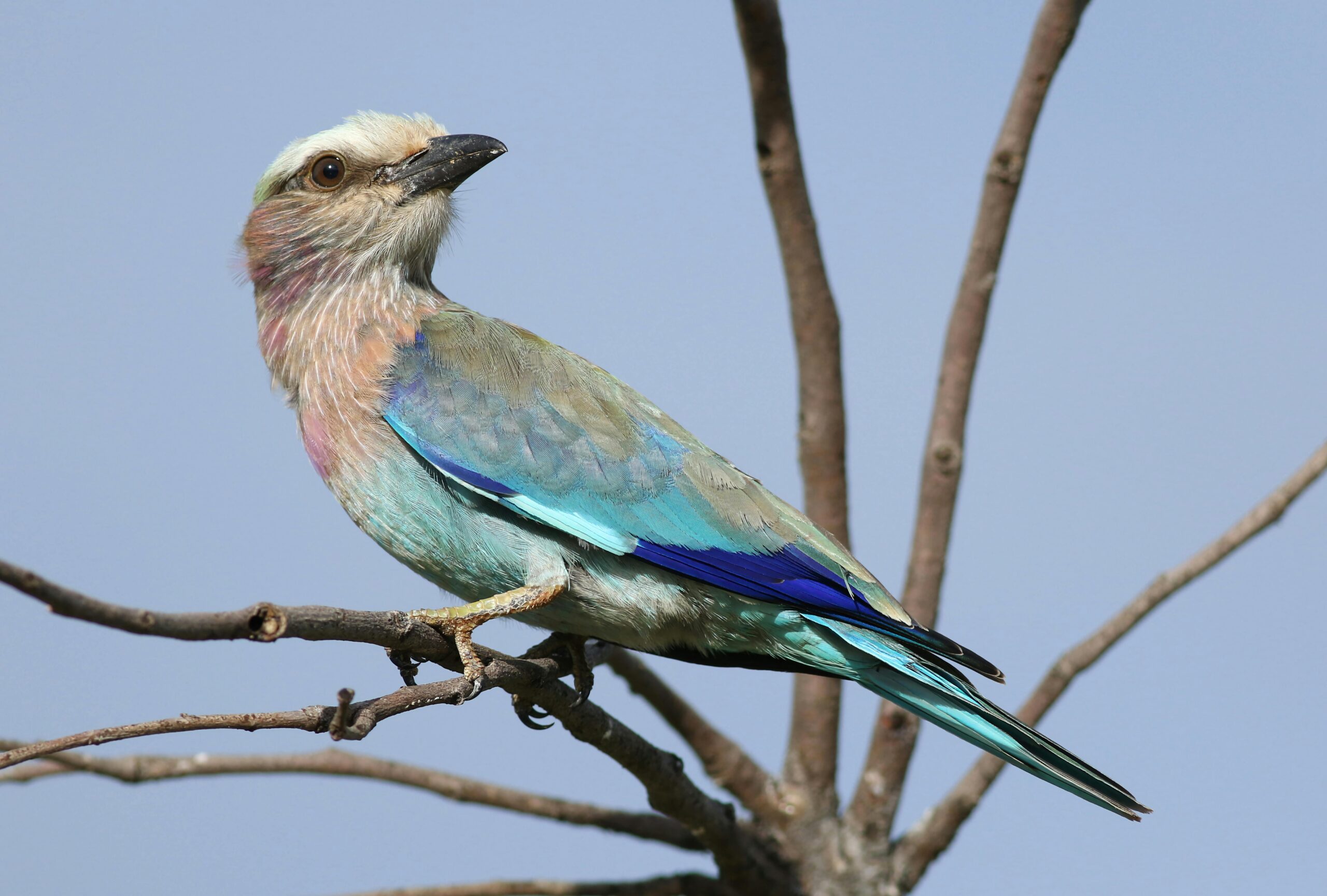
Below are representative lodges (by category) that appear frequently in accommodation listings and reviews. Each entry highlights what makes the property special and the type of traveler it suits.
– Private-island luxury: Okavango island camps offering secluded suites and outstanding mokoro or boat safaris; ideal for honeymooners and privacy-seekers.
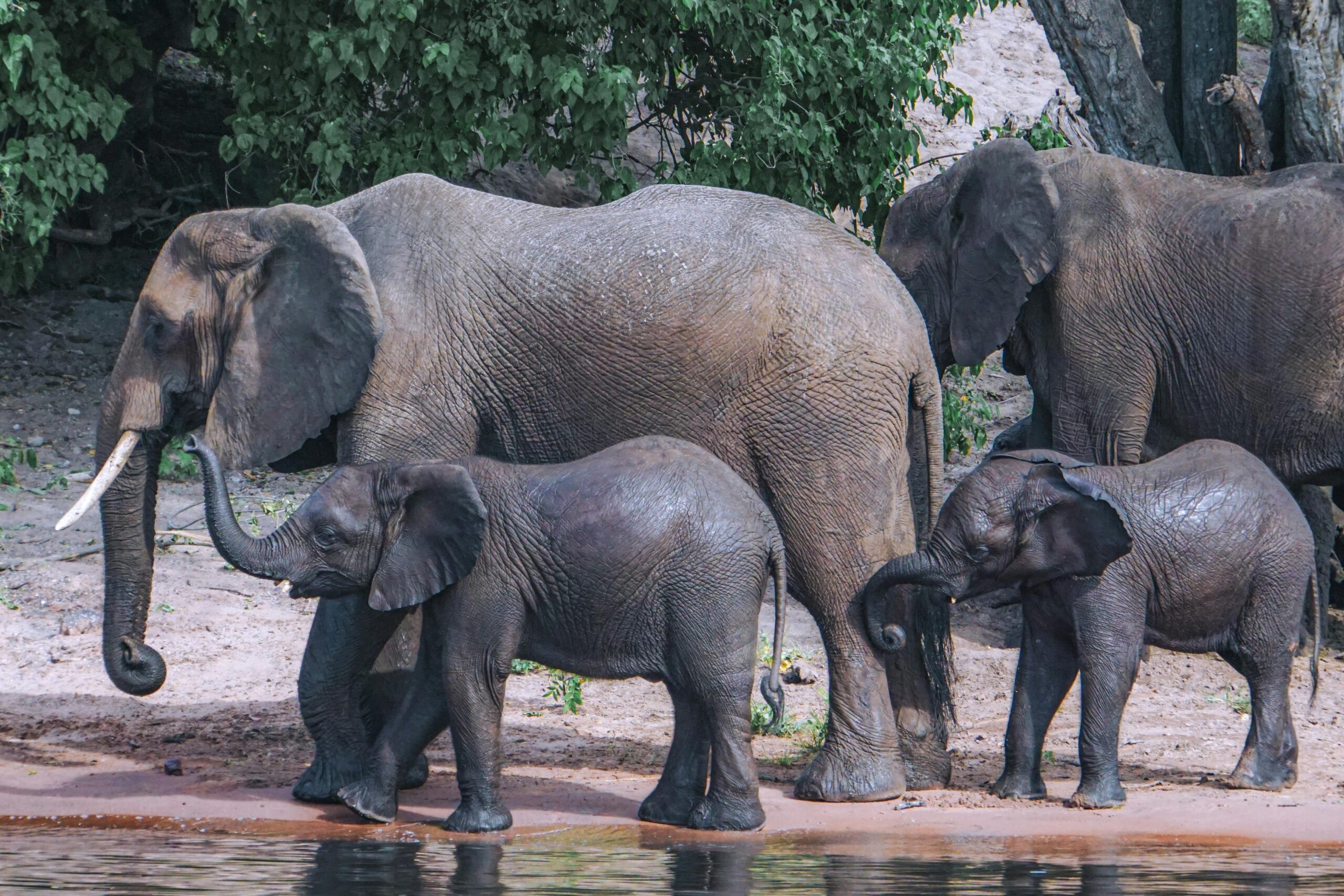
– Classic riverside lodge: Chobe riverfront properties with boat safaris and easy park access; perfect for large mammals and relaxed wildlife watching.
– Bushwalking and guide-led camps: Small camps emphasizing guided walks and interpretive safari experiences; best for active travelers keen on tracking and birding.
How to choose the right lodge for your trip
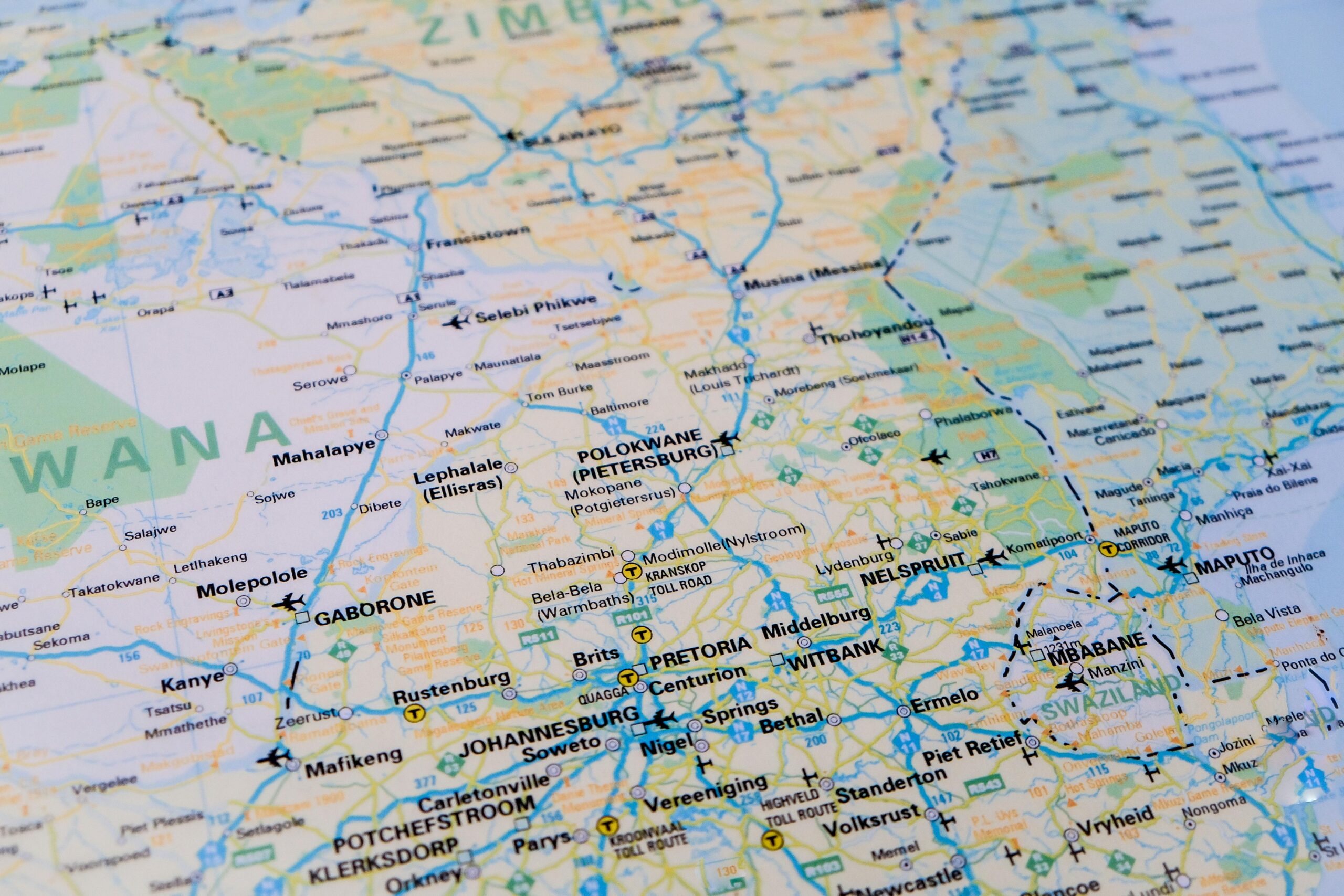
Deciding among Botswana luxury safari lodges requires weighing several factors: season, preferred activities, group size, and desired level of comfort. If you’re traveling in the dry season (May–October), expect excellent game viewing as animals cluster near water. For water safaris and bird migration, consider the green season (November–April) when the Delta fills and wetlands teem with life.
Consider accommodation type: tented suites offer immersive wilderness feeling; fixed-structure villas can provide greater privacy and amenities. Also check whether children are accepted—some camps are adult-only. If you want a personal guide or private vehicle, confirm availability and pricing before booking.
Booking and planning practicalities
Most lodges operate on seasonal staffing and have limited rooms, so early booking is advisable, especially for peak months. Many properties include transfers from airstrips, meals and activities in the daily rate; others charge separately for premium activities like helicopter flips or private drives. Always confirm what is included and factor in domestic air transfers, which are common for reaching remote camps.
For logistics and to compare available lodging options across regions, it’s helpful to review current listings. You can explore up-to-date availability and guest reviews on accommodation platforms to verify what’s included at each property. For example, you can check reputable booking listings that aggregate lodges across Botswana and provide filtering by region and travel dates: see available accommodations in Botswana.
Sample comparison table
| Lodge | Region | Style | Best for | Typical starting rate (per person/night) |
|---|---|---|---|---|
| Delta Island Camp (example) | Okavango Delta | Luxury tented suites | Romantic, water safaris | USD 700–1,200 |
| Riverside Retreat (example) | Chobe | Riverside lodge | Elephants, boat safaris | USD 450–900 |
| Bushwalk Camp (example) | Moremi/Private concession | Small guiding-focused camp | Walking safaris, birding | USD 400–800 |
| Pans & Dunes Camp (example) | Makgadikgadi/Kalahari | Eco-tent camp | Landscape photography, nocturnal wildlife | USD 350–700 |
When to visit and what to expect each season
Botswana’s seasons shape both logistics and wildlife viewing. The dry winter months (May–October) are the most popular: water concentrates wildlife around remaining water sources and airstrip transfers are typically reliable. Crisp days and cool nights make game drives comfortable. The green season (November–April) brings dramatic scenery as the Delta floods and bird numbers surge; some roads and airstrips can be affected, and certain camps operate seasonally to match water levels.
Plan around the specific region: the Okavango’s water levels vary year to year and can influence whether camps rely more on vehicle, boat or mokoro activities. If you prefer fewer crowds and lush landscapes, consider shoulder months when lodges may offer lower rates and the environment is greener.
Wildlife experiences and activities at lodges
Activities vary by lodge and environment. Typical offerings include morning and afternoon game drives, guided nature walks, mokoro excursions in the Delta, riverboat safaris in Chobe, night drives (where permitted), and birding tours. Many lodges also provide cultural visits to local villages, photography sessions, and short guided talks about conservation and local ecology.
Wildlife highlights depend on region and season: large elephant populations in Chobe, dense predator sightings in Savuti and Linyanti, and extraordinary birdlife and aquatic mammals in the Delta. For a specialized experience—big cats, birding, family-friendly stays or private-use villas—contact the lodge to confirm season-specific opportunities and whether guides can accommodate your priorities.
Travel tips: visas, health and packing
Before you travel, verify visa requirements for Botswana based on your nationality and check health guidance—vaccinations and malaria prophylaxis may be recommended depending on region and season. Many lodges are remote; bring copies of medical prescriptions, a basic first-aid kit, and any personal items you prefer, as boutique camps may have limited shopping options.
Packing should focus on layers (cool mornings, warm afternoons), neutral-colored clothing for game drives, a good pair of binoculars, a quality camera with extra batteries and memory cards, insect repellent, and sunscreen. Comfortable closed shoes are essential for walking safaris. Confirm luggage weight limits for domestic flights, as small aircraft servicing bush airstrips commonly impose strict allowances.
Sustainability and community engagement
Many lodges in Botswana operate with conservation as a core principle. Look for properties that support anti-poaching initiatives, hire and train locally, and incorporate sustainable practices such as solar power, waste management and water conservation. Community programs can include school support, craft initiatives and employment opportunities, which help ensure tourism benefits local people.
If you want to learn more about national tourism priorities, regulations and conservation-focused travel guidance from local authorities, the official tourism body provides reliable overviews and updates on travel in Botswana: information from the Botswana Tourism Authority.
Cost expectations and budget planning
Botswana is positioned as a premium safari destination, and nightly rates for Botswana luxury safari lodges commonly reflect that positioning. Prices depend on lodge standard, region and inclusions; high-end private islands and luxury villas command higher nightly rates, while smaller tented camps and shared-vehicle properties can be more economical. Factor in domestic air transfers, conservation levies, park fees and gratuities when budgeting.
To find the best balance of experience and price, consider multi-night stays at a single camp to reduce transfer costs, or mix a high-end lodge with a simpler camp for variety. Book early for peak months, and ask lodges about any package deals for combined stays or family bookings.
FAQs
What are the best months for game viewing in Botswana?
The dry season, typically May through October, is the prime period for game viewing because animals concentrate near water and vegetation is thinner, improving visibility. The green season (November–April) offers dramatic scenery, prolific birdlife and excellent photographic opportunities, but water levels and seasonal closures can affect access to some camps.
Are Botswana lodges family-friendly?
Some lodges welcome families and offer child-specific programs, but many properties are adult-only or have age restrictions for safety during activities like walking safaris. Always check a lodge’s child policy and available family accommodation when planning, and inquire about private guides or family-friendly activity schedules.
How do I get to remote lodges in the Okavango or Chobe?
Most remote lodges are reached via light aircraft from Maun or Kasane; transfers are coordinated by the camps and typically included in your reservation. Some lodges offer overland transfers from major hubs, but flights are faster and maximize your time on safari. Confirm luggage limits and arrival windows when booking domestic flights.
What should I pack for a Botswana safari lodge stay?
Pack neutral-colored clothing in layers, a hat, sunscreen, insect repellent, a compact binocular, good camera gear with spare batteries, closed walking shoes, any prescription medications, and a small daypack. Check luggage weight limits for domestic flights and bring photocopies of important documents.
How can I support conservation and local communities when staying at a lodge?
Choose lodges that demonstrate clear conservation commitments and community engagement. Participate in lodge-led community programs, follow guide instructions to minimize impact, and ask how your stay contributes to local projects. Many properties also provide opportunities to donate to or participate in conservation initiatives.
Conclusion
Botswana’s lodges deliver some of Africa’s most memorable safari experiences, blending close wildlife encounters with thoughtful design and conservation-driven operations. Whether you opt for a secluded Okavango island camp, a riverside lodge in Chobe, or a walking-focused concession camp, selecting the right property will shape your trip. Use this guide to match lodge style, season and activity preferences, verify inclusions and transfers, and book early to secure prime dates. With careful planning you’ll enjoy the wildlife, landscapes and hospitality that make Botswana a premier safari destination.