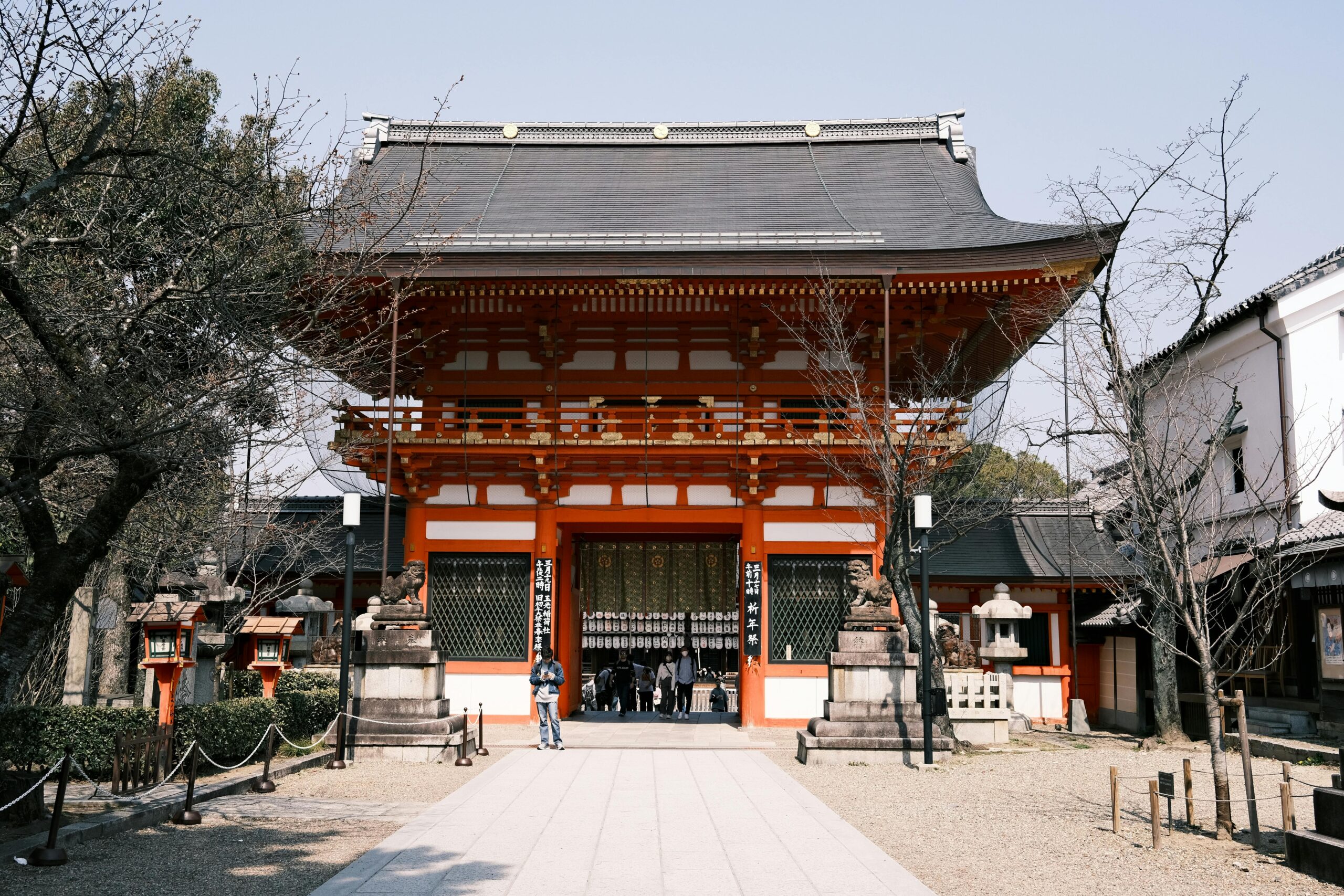
Searching for the best ryokan in Kyoto can transform a visit to Japan from a sightseeing trip into a memorable cultural immersion. Traditional Japanese inns—known as ryokan—offer tatami-matted rooms, kaiseki meals, and the quiet, refined hospitality that has defined Japanese lodging for centuries. In Kyoto, where history and seasonal beauty intersect, choosing the right ryokan shapes your entire experience.
This guide distills listings-based data and official visitor guidance to help you select a ryokan that suits your priorities: location, budget, onsen access, and dining style. Whether you want a luxurious, centuries-old property or a modest inn with authentic touches, the recommendations and practical tips below will help you plan a comfortable, respectful stay in Japan’s former capital.
What is a ryokan and what to expect
A ryokan is a traditional Japanese inn that preserves architectural and hospitality elements dating back to the Edo period. Key features typically include tatami (woven straw) flooring, futon bedding laid out by staff, sliding shoji screens, and a communal bathing area or onsen when available. Many ryokans also serve kaiseki, a multi-course dinner focused on seasonal ingredients and elegant presentation.
Unlike Western hotels, ryokan emphasize quiet, slow-paced hospitality. Rooms are often simple and uncluttered, encouraging guests to enjoy the space and the surrounding environment. Staff may assist with dressing in yukata (casual kimono), show you how to use the futon, and explain communal bath etiquette. If you value authenticity and attention to detail, staying at a ryokan is one of the best ways to connect with Japan’s living cultural traditions.
Why choose a ryokan in Kyoto
Kyoto’s compact layout and concentration of historic neighborhoods make it an ideal city for ryokan stays. Many ryokans are located near temples, tea houses, and preserved streets where you can step out and immediately feel the city’s atmosphere. Seasonal attractions—cherry blossoms in spring, lush greenery in summer, fiery foliage in autumn, and crisp winter light—are enhanced by traditional architecture and garden views from ryokan rooms.
Staying in a ryokan also supports small, often family-run businesses that maintain local craftsmanship and culinary traditions. If you want authoritative practical information about regional events and travel logistics, the official visitor guide is a useful reference for planning your timing and transportation choices: Japan National Tourism Organization.
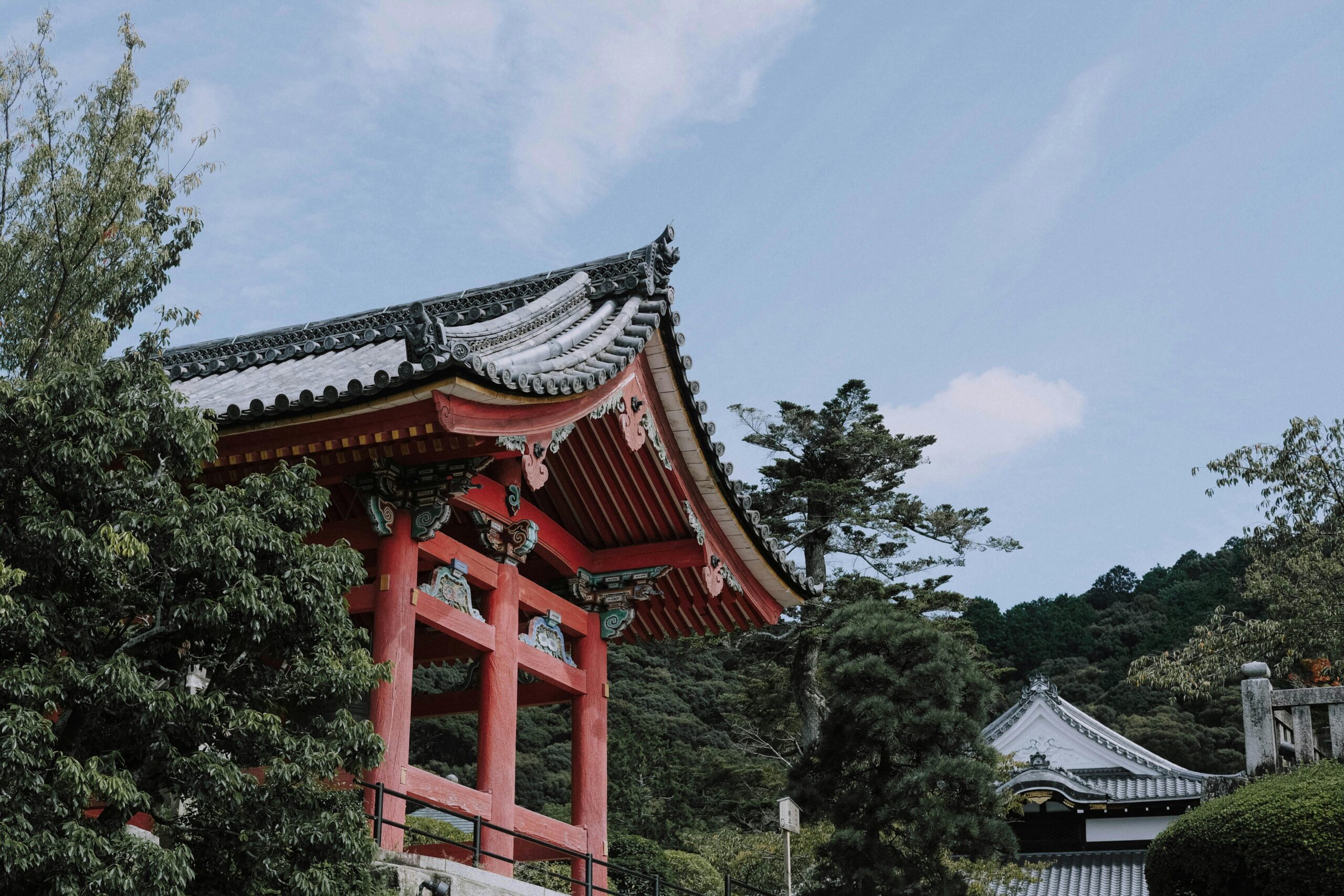
How to choose the right ryokan in Kyoto
Choosing the best ryokan in Kyoto depends on several practical factors. Start by listing priorities: proximity to a specific district (Gion, Higashiyama, Arashiyama), private onsen versus public baths, room types (suite vs. standard tatami), and whether you want included meals. Rates vary widely—budget ryokans and guesthouses can be economical, while historic, centrally located ryokans with private baths or renowned kaiseki chefs command premium prices.
Consider the following decision points:
- Location: Stay near the sites you plan to visit to reduce transit time—Gion or Higashiyama for classic Kyoto sights, Arashiyama for bamboo grove and river scenery, and central Kyoto for easy access to multiple lines.
- Meals: An included kaiseki dinner is a highlight but often increases cost. If you prefer flexibility, choose a ryokan with optional meal plans or nearby dining.
- Bathing: Onsen or sento facilities range from communal to private in-room baths. Private baths are better for families or travelers who prefer privacy.
- Accessibility: Traditional ryokan typically have stairs and minimal elevators. Verify accessibility if you have limited mobility.
When it’s time to confirm availability, use trusted booking platforms that aggregate up-to-date listings and provide clear cancellation policies; you can compare properties and check recent guest feedback on a site like Booking’s Kyoto page.
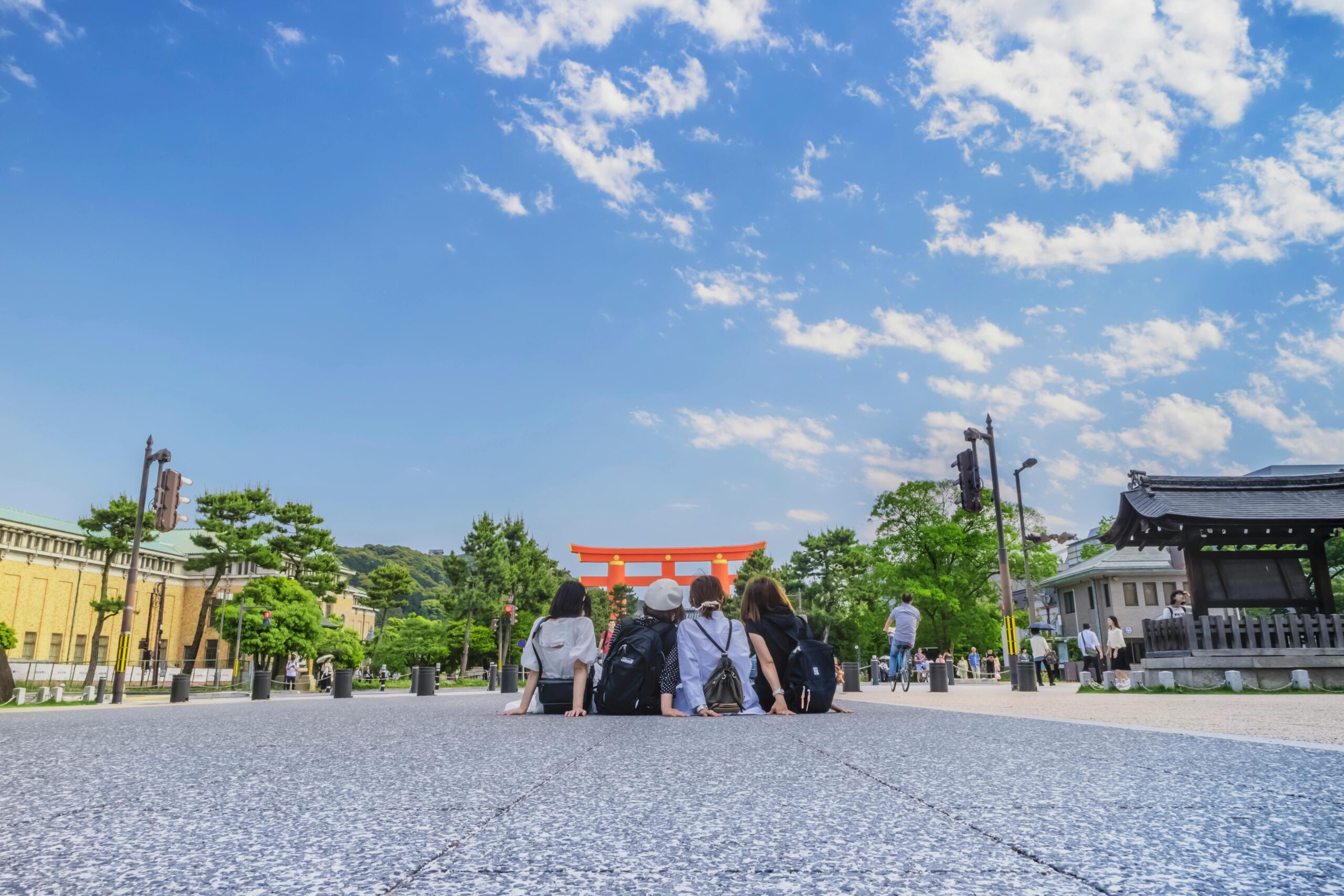
Top ryokans and notable options in Kyoto
Below are categories and notable examples based on listings and commonly cited historical properties. Properties and availability change seasonally, so use the list as a starting point for research rather than an exhaustive ranking.
- Historic luxury ryokan: Some Kyoto ryokans have been established for generations and offer refined, intimate experiences with private gardens and formal kaiseki. These are best for travelers seeking heritage and attentive service.
- Modern boutique ryokan: Blending traditional elements with contemporary design, these properties might offer in-room baths, curated breakfast options, and accessible locations near central stations.
- Budget-friendly and minimalist inns: Simple tatami rooms with shared baths or minimal meals—good for travelers who prioritize cultural experience over frills.
- Onsen ryokan outside central Kyoto: For a full hot-spring experience, some ryokan in peripheral areas around Kyoto offer true onsen facilities; these require a short transfer but deliver a traditional bathing culture.
When researching specific properties, check recent guest reviews and amenities lists to confirm meal times, bath rules, and check-in procedures—especially since many ryokans require advance notice for dinner and have strict late check-in policies.
Practical tips: etiquette, packing, and booking windows
Staying at a ryokan is as much about cultural participation as it is about lodging. Observing basic etiquette improves your stay and shows respect for hosts and other guests. Common courtesy includes removing shoes at the entrance, wearing provided slippers only where appropriate, and keeping noise to a minimum in hallways and shared baths.
Packing essentials and practical items:
- Light layers and a simple change of clothes for applying yukata—many ryokans provide these garments.
- Small toiletries and personal items—while many ryokans supply basics, you may prefer your own preferred brands.
- Respectful behavior in communal baths: wash thoroughly outside the onsen pool, tie long hair back, and avoid towels in the water.
- Advance notification for dietary restrictions: if you have allergies or strong preferences, communicate clearly before arrival so the kitchen can accommodate you.
Booking windows: Popular ryokans, particularly those with limited rooms or famous kaiseki chefs, can fill months in advance for peak seasons like cherry blossom and autumn foliage. Plan early and confirm cancellation terms; many properties have strict no-show or partial refund policies during high season.
Comparison table: quick reference for ryokan features
| Property type | Typical location | Meals | Bathing | Price range (per person/night) |
|---|---|---|---|---|
| Historic luxury ryokan | Central Kyoto (Gion, Higashiyama) | Included kaiseki dinners and breakfast | Private baths or high-end communal onsen | High |
| Modern boutique ryokan | Near station or neighborhood hubs | Optional set meals or à la carte | In-room or small communal baths | Mid–High |
| Budget/minimal ryokan | Residential areas or outskirts | Simple breakfast; dinner optional nearby | Shared bath or no onsen | Low–Mid |
| Onsen ryokan (peripheral) | Outside downtown Kyoto, scenic spots | Often included, seasonal ingredients | Natural onsen; some private outdoor baths | Mid–High |
Local area recommendations: where to stay in Kyoto
Different neighborhoods offer distinct advantages depending on your priorities:
- Gion and Higashiyama: Ideal for first-time visitors who want proximity to classic temples, tea houses, and historic streets. Expect well-preserved atmosphere and tourist crowds during peak times.
- Central Kyoto (Karasuma, Kawaramachi): Good for transport connections, shopping, and a mix of traditional and modern dining options. Convenient for day trips and train access.
- Arashiyama: Scenic riverside and bamboo grove; quieter in the evenings and great for nature lovers. Some ryokans here emphasize views and outdoor bathing.
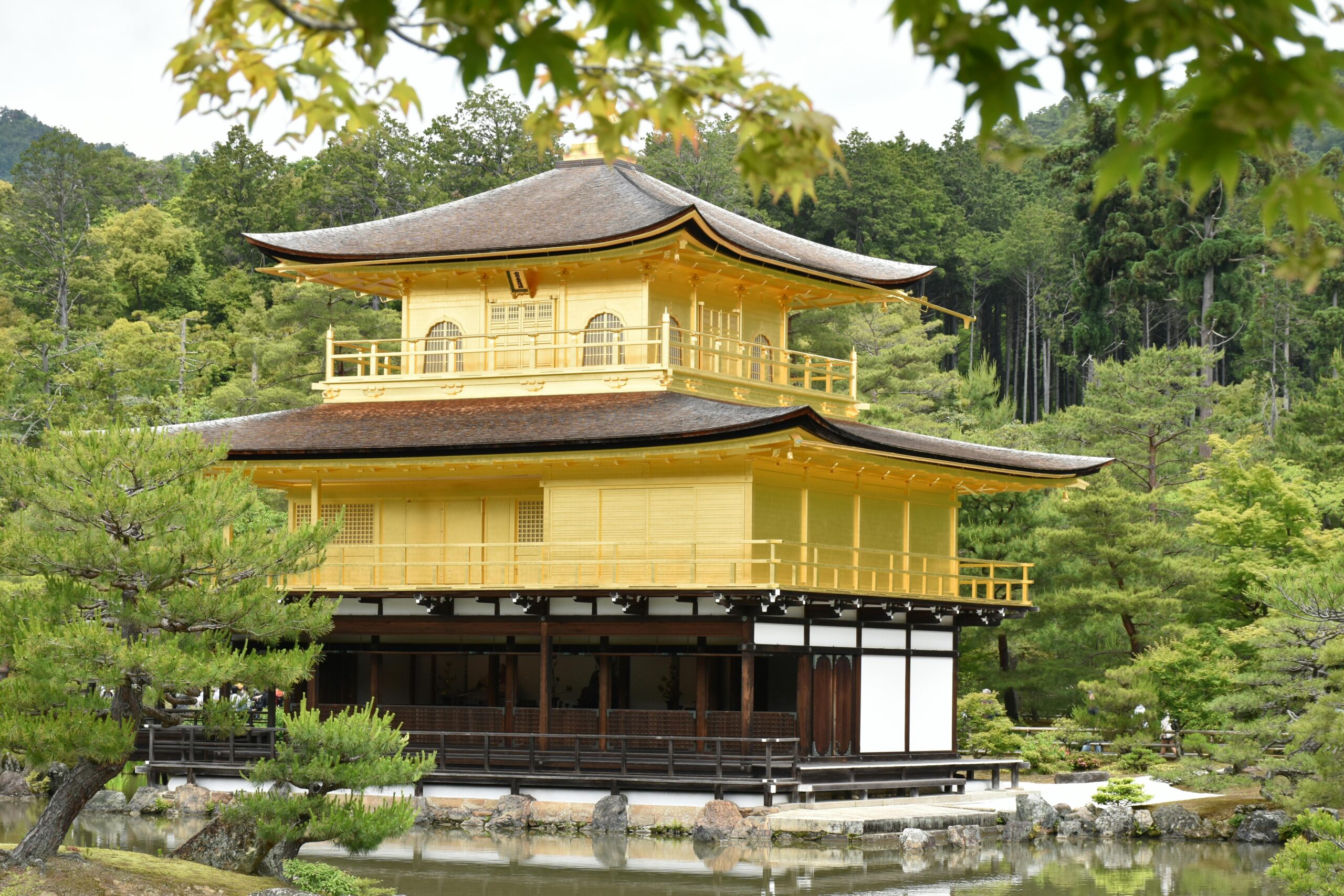
- Northern Kyoto (Kinkaku-ji area): Calmer residential areas near major temple sites—suitable for travelers wanting easy access to iconic landmarks without the Gion crowds.
Whatever area you choose, factor in the walking and public transport involved. Kyoto is walkable but attractions are spread across neighborhoods; staying near your main points of interest reduces travel time and lets you enjoy early morning or late evening tranquility.
FAQs
Are ryokan only for Japanese guests?
No. Ryokan welcome international guests and many properties provide English-language check-in sheets and some staff who speak English. Still, it helps to review rules ahead of time—such as mealtime schedules and bath etiquette—so you arrive prepared and can fully enjoy the experience.
Is it necessary to wear a yukata during my stay?
Wearing a yukata is optional but encouraged as a comfortable, traditional garment for relaxing in your room and walking to communal facilities. Most ryokans provide yukata and simple instructions for wearing them, and staff can help if needed.
Can I stay in a ryokan if I have dietary restrictions?
Many ryokans can accommodate dietary restrictions if notified in advance, especially larger properties and those that cater to international guests. Contact the property before arrival to discuss allergies, vegetarian needs, or other preferences so the kitchen can prepare suitable alternatives.
What is the typical check-in and check-out time at ryokans?
Check-in times commonly fall in the late afternoon (around 3:00–5:00 PM) and dinner service is often timed early, so late arrivals can be problematic. Check-out is usually mid-morning. Confirm times when booking and inform staff if you expect to arrive late.
Are ryokans family-friendly?
Many ryokans welcome families and can provide larger rooms or arrangements to sleep children on futon bedding. However, communal baths and quiet etiquette can be challenging with young children, so inquire about private bathing options or family-friendly facilities when booking.
Conclusion
Choosing the best ryokan in Kyoto depends on how you balance location, meals, bathing preferences, and budget. The most rewarding stays prioritize authentic hospitality and thoughtful details—seasonal cuisine, tatami rooms, and respectful, attentive service. Research properties carefully, confirm policies and meal inclusions, and book early for peak seasons to secure the style of ryokan you most want to experience. For up-to-date availability and to compare options across neighborhoods, consult reliable booking listings and city visitor resources before finalizing your reservations.