Africa beckons with an extraordinary promise of wildlife encounters, from the thundering herds of the Serengeti to the elusive big cats of the Maasai Mara. Selecting the best safari destinations in Africa can be daunting, given the continent’s vastness and diversity. This guide will simplify your choices, spotlighting seven exceptional locations known for their remarkable wildlife viewing opportunities, unique landscapes, and unforgettable experiences. Discover where to witness the Great Migration, track the Big Five, explore vast savannas, and immerse yourself in pristine wilderness. Whether you envision gliding through water channels in a mokoro or self-driving through iconic national parks, we’ll help you identify the perfect African adventure. Prepare to explore the heart of the wild and create lasting memories.
Why Choose Africa for Your Ultimate Safari Adventure?
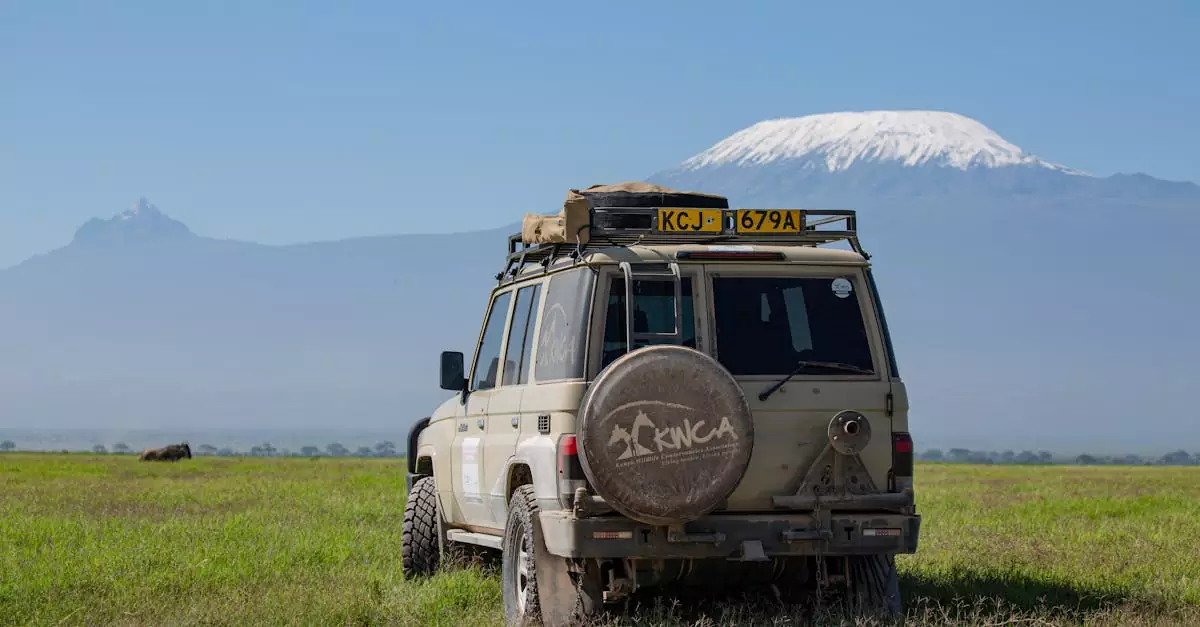
Africa offers an unmatched opportunity to witness wildlife in its natural habitat. The continent’s diverse landscapes, from the sweeping savannas of the Serengeti to the dense rainforests of the Congo Basin, host an astonishing array of species. An African safari is more than just a vacation; it’s an immersive journey into nature, allowing for a profound connection with the wild.
The Unrivaled Biodiversity of African Ecosystems
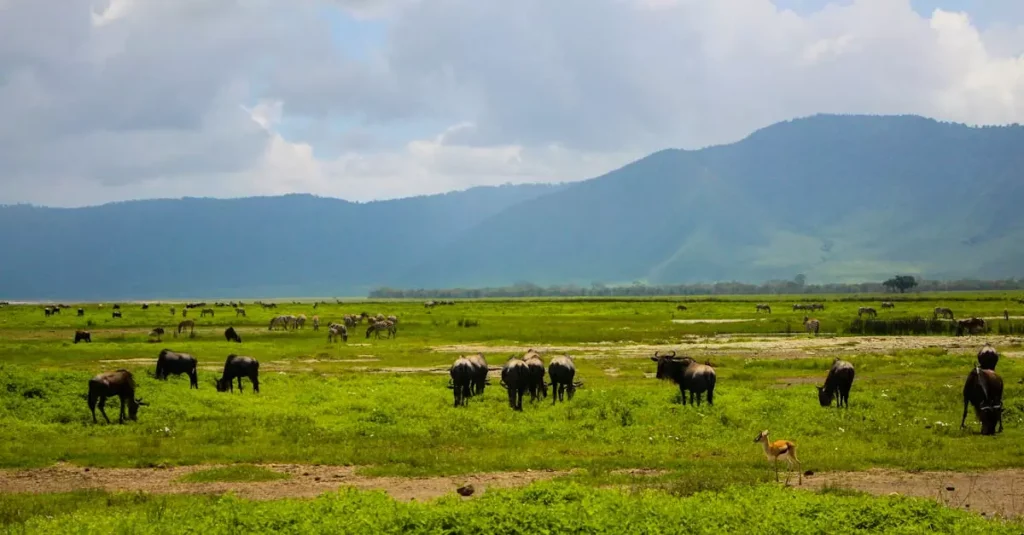
The biodiversity across Africa is staggering. It is home to iconic megafauna like the “Big Five” – lions, leopards, elephants, rhinos, and buffalo – as well as countless other fascinating creatures. Each ecosystem features unique inhabitants and adaptations, from the wildebeest and zebras that undertake the Great Migration across the Maasai Mara and Serengeti plains to the gorillas of the Virunga Mountains. This rich tapestry of life offers endless opportunities for discovery.
Experiencing the Thrill of the Wild: What to Expect on an African Safari
A typical safari experience includes early morning and late afternoon game drives in open-top vehicles, led by experienced guides who know the bush intimately. These are the prime times for wildlife activity, as animals are most active during the cooler parts of the day. Expect to encounter herds of animals, observe predators in action, and marvel at diverse birdlife. Many safaris also offer walking excursions for a closer connection to the environment or night drives to spot nocturnal creatures.
The thrill of the wild lies in its unpredictability. While guides excel at finding animals, sightings are never guaranteed. This element of surprise enhances the excitement. You might witness a lion hunt, see a family of elephants bathing, or spot a chameleon blending into its surroundings. The sounds of the bush, the vast starry sky, and the presence of wild animals create an atmosphere unlike any other.
Choosing Your Ideal African Safari Experience: Lodge vs. Camping
Your choice of accommodation significantly shapes your safari experience. Luxury lodges offer comfort and amenities, often with stunning views and gourmet dining, providing a serene retreat after thrilling days. They typically feature en-suite bathrooms, swimming pools, and attentive service.
For a more rustic and immersive experience, consider a tented camp. Options range from basic canvas tents to luxurious “glamping” setups with comfortable beds and private bathrooms. Camping allows you to feel closer to nature, with the sounds of the wild just outside your tent.
Here’s a brief comparison to help you decide:
| Feature | Luxury Lodge | Tented Camp |
| :————— | :—————————————— | :—————————————— |
| Comfort Level| High, with full amenities | Moderate to High, closer to nature |
| Atmosphere | Relaxed, pampered | Adventurous, immersive |
| Cost | Generally higher | Varies, can be more budget-friendly |
| Wildlife Proximity | Varies, often from a distance | Can be very close, especially at night |
| Activities | Game drives, guided walks, birdwatching | Game drives, guided walks, campfire stories |
Ultimately, the best safari aligns with your preferences for comfort, adventure, and budget. Many tour operators, such as those recommended by the African Tourism Board, can help tailor an itinerary to suit your needs.
Serengeti National Park, Tanzania: The Great Migration Spectacle
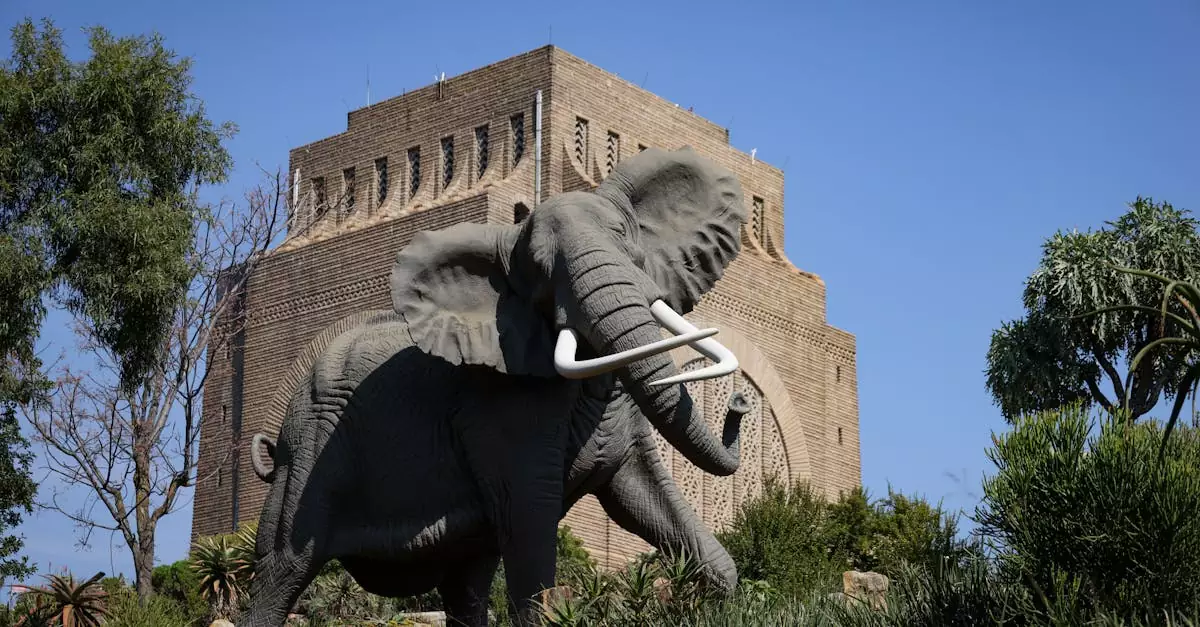
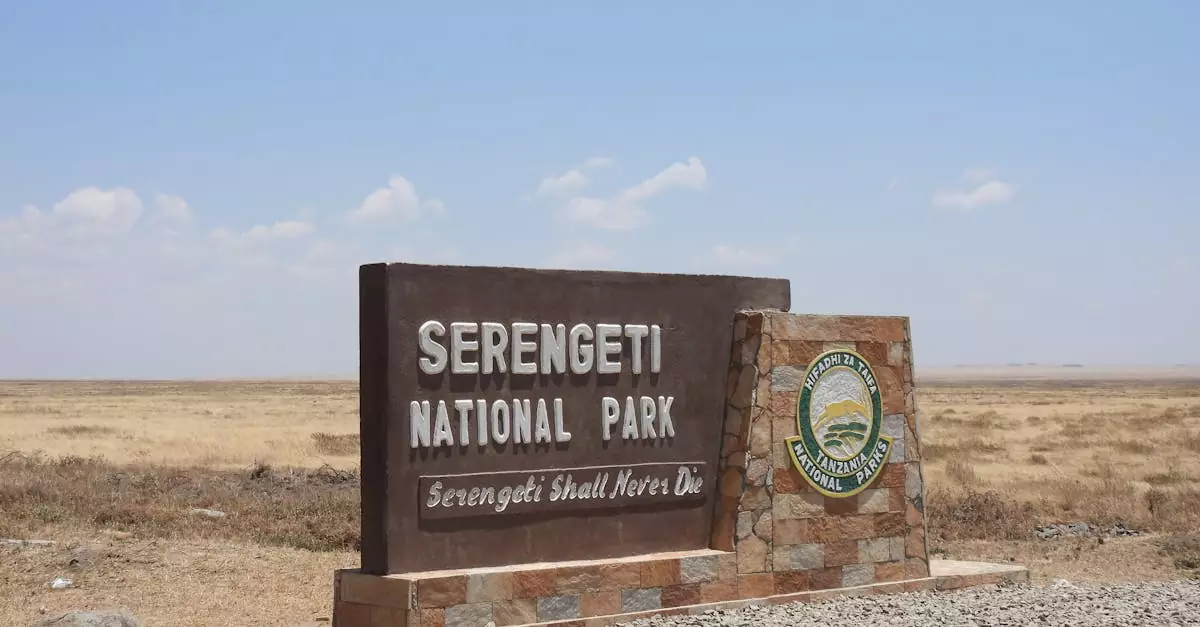
Among the best safari destinations in Africa, Serengeti National Park in Tanzania consistently ranks at the top for its extraordinary wildlife spectacles, particularly the Great Wildebeest Migration. This vast ecosystem spans over 14,750 square kilometers and is a UNESCO World Heritage Site, offering a quintessential African safari experience. Its name, derived from the Maasai word “Siringet,” meaning “endless plains,” perfectly captures the sweeping landscapes that stretch as far as the eye can see.
Witnessing the Wildebeest Migration: Best Viewing Spots and Timing
The Great Migration is a year-round phenomenon, with its most dramatic moments occurring during calving season and river crossings. From late December to March, hundreds of thousands of wildebeest calves are born on the southern plains, providing excellent viewing opportunities for predators like lions, cheetahs, and hyenas. This period is ideal for observing the scale of the herds.
The highlight for many travelers is witnessing the wildebeest and zebra herds cross the Grumeti and Mara Rivers. These crossings typically occur between July and October as the herds move north in search of fresh grazing. The Grumeti River crossings, often featuring large crocodiles, can be seen in the central and western Serengeti. The Mara River crossings, further north, are arguably more dramatic and are best viewed near the Kogatende area. Planning your safari during these months increases your chances of witnessing this breathtaking natural event.
To maximize your chances of seeing the migration, consider basing yourself in different areas of the park depending on the time of year. For example, the Seronera area in the central Serengeti is excellent for resident game year-round, while the Kogatende region in the north is prime for river crossings in the latter half of the year.
Beyond the Migration: Exploring Serengeti’s Big Five Habitats
While the migration draws crowds, the Serengeti is also home to a remarkable diversity of resident wildlife, making it a prime destination for spotting the “Big Five” – lion, leopard, elephant, rhino, and buffalo. The central Seronera Valley is particularly renowned for its large lion prides and abundant cheetahs, often seen hunting on the open plains. Leopards, while elusive, are frequently spotted in acacia trees along the Seronera River.
Elephants are widespread throughout the park, with larger herds congregating near good water sources. Black rhinos are rare but can be found in specific protected areas, particularly in the Moru Kopjes region. Buffalo herds are commonly seen near waterholes and rivers. Beyond the Big Five, the Serengeti teems with giraffes, zebras, hippos, crocodiles, and a dazzling array of birdlife, including raptors and migratory species. The density of animals ensures that even brief game drives yield incredible sightings.
Luxury Lodges and Campsites in the Serengeti
Accommodation options in the Serengeti cater to various budgets and preferences, from rustic campsites to opulent lodges. For an immersive experience, consider a tented camp. These offer the thrill of sleeping under canvas while providing comfortable amenities and excellent service. Many luxury tented camps are strategically located for prime wildlife viewing, often within walking distance of waterholes or migration routes.
- Luxury Tented Camps: Offer en-suite bathrooms, comfortable beds, and gourmet dining. Examples include Four Seasons Safari Lodge Serengeti and Singita Sasakwa Lodge.
- Mid-Range Lodges: Provide comfortable rooms, on-site restaurants, and guided game drives, often situated in prime wildlife viewing locations.
- Budget Campsites: For the adventurous traveler, public and special campsites offer basic facilities and a true wilderness experience. These require advance booking and are managed by park authorities or private operators.
When booking your stay, consider its location relative to the migration’s expected path for your visit. Many lodges offer all-inclusive packages covering accommodation, meals, drinks, and game drives, simplifying logistics for your safari adventure. For longer trips, combining a stay in the Serengeti with a visit to the nearby Ngorongoro Conservation Area can provide a comprehensive Tanzanian safari experience.
Maasai Mara National Reserve, Kenya: Iconic Wildlife and Cultural Immersion
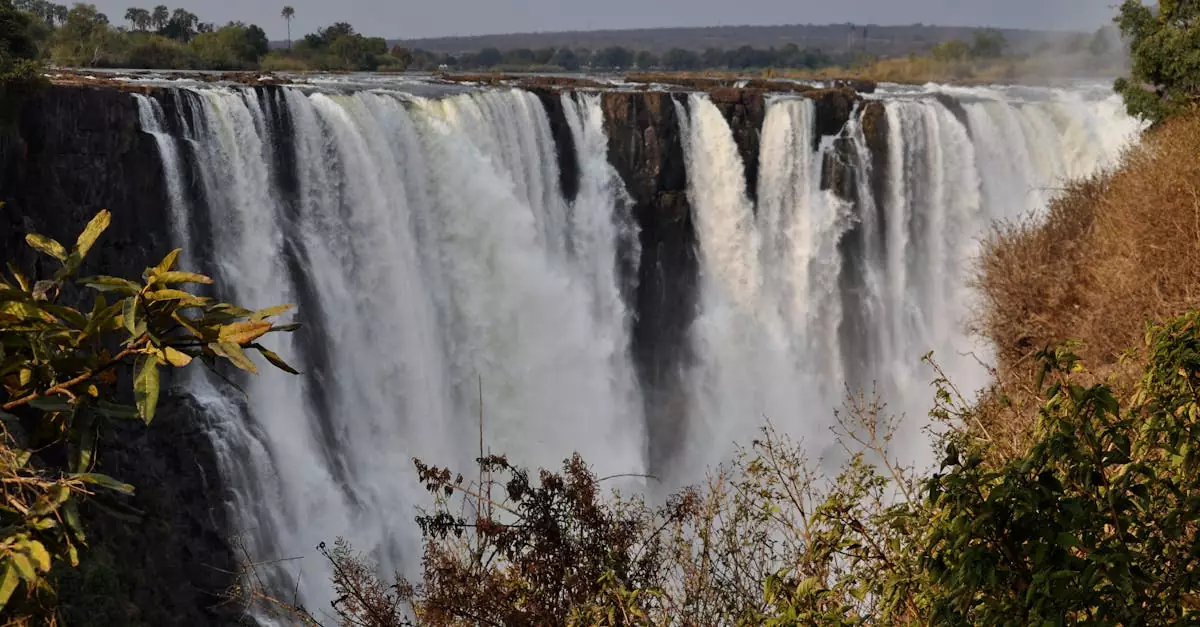
The Maasai Mara National Reserve in Kenya ranks among the best safari destinations in Africa for its abundance of wildlife and dramatic landscapes. This vast savanna is renowned for its large predator populations, particularly lions, leopards, and cheetahs, making it ideal for witnessing thrilling predator-prey interactions. The reserve is part of the larger Serengeti-Mara ecosystem, facilitating the annual Great Migration, a spectacle of millions of wildebeest, zebras, and gazelles traversing the plains.
Best Time to Visit Maasai Mara for Big Cat Sightings
The optimal time to visit the Maasai Mara for exceptional wildlife viewing, especially for big cats, is during the dry seasons: June to October and December to February. During these months, vegetation thins out, and water sources become scarce, leading animals to congregate near permanent waterholes, making them easier to spot. While the Great Migration typically occurs from July to October, bringing a surge of predators, the dry season offers consistent opportunities to see resident wildlife year-round. If your primary goal is to witness the dramatic river crossings of the wildebeest, aim for August and September.
Hot Air Balloon Safaris Over the Maasai Mara Plains
For a truly unforgettable perspective of the Maasai Mara, a hot air balloon safari offers a breathtaking dawn experience. As the sun rises, you’ll float gently above the vast plains, observing herds of animals from a unique vantage point. This serene journey provides panoramic views and a chance to see wildlife that might otherwise remain hidden. The flight typically concludes with a champagne breakfast in the bush, a fitting end to an extraordinary adventure. While balloon safaris are a significant splurge, many travelers find the experience to be a highlight of their safari.
Cultural Encounters with the Maasai People
A visit to the Maasai Mara offers a unique opportunity to engage with the Maasai people, one of East Africa’s most iconic indigenous communities. Many lodges and camps in the region partner with local Maasai villages, allowing visitors to learn about their ancient traditions, semi-nomadic lifestyle, and deep connection to the land. You can participate in guided village tours, witness traditional dances, and explore their intricate beadwork and social structures. It’s important to approach these cultural interactions with respect and an open mind, understanding that you are guests in their community. A portion of the fees often directly supports the community.
Kruger National Park, South Africa: Accessible Big Five and Diverse Landscapes
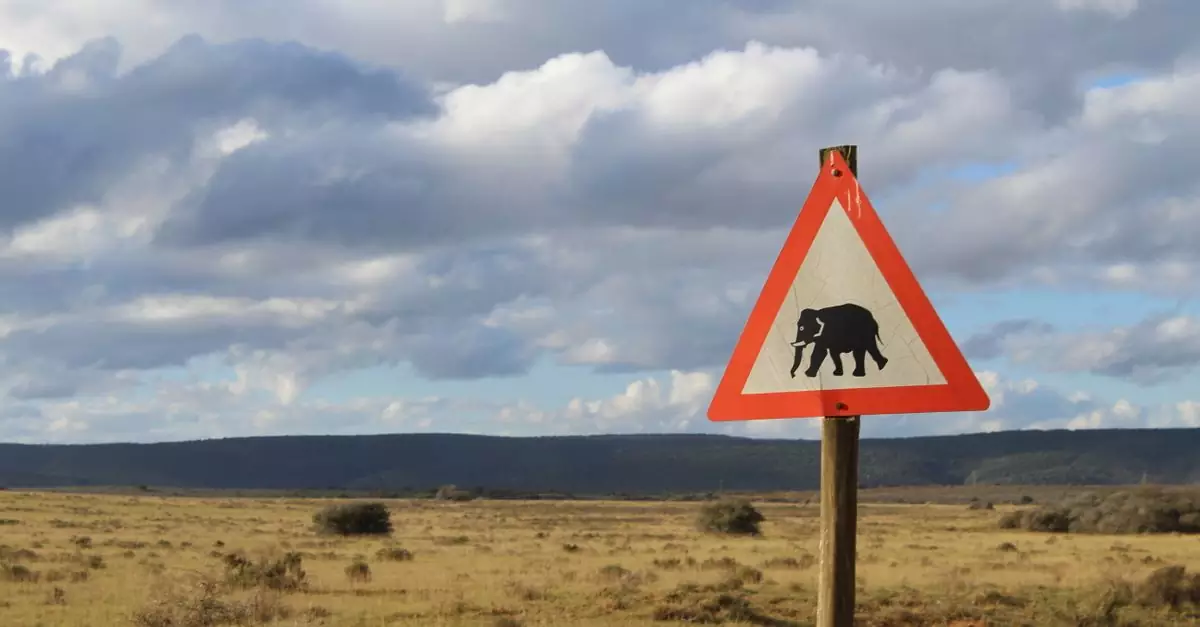
Kruger National Park is one of the most iconic and accessible safari destinations in Africa, renowned for its high density of wildlife, including the coveted Big Five (lion, leopard, elephant, rhino, and buffalo). Covering nearly 2 million hectares, it offers a remarkable diversity of landscapes, from open savannas and acacia woodlands to riverine forests and rolling hills. This variety supports an equally diverse array of animals, making it a prime location for unforgettable wildlife encounters. Planning a trip to Kruger is often more straightforward than to other African parks, appealing to both first-time safari-goers and seasoned travelers.
Self-Drive Safari Options in Kruger National Park
One of Kruger’s most significant advantages is the freedom it offers for self-drive safaris. Visitors can rent a vehicle, often a standard sedan or small SUV, and navigate the park’s extensive network of well-maintained roads at their own pace. This option provides considerable flexibility in terms of timing and where you choose to spend your time, allowing you to linger at sightings or move on as you please. The park is divided into different regions, each with its unique character and wildlife concentrations. For instance, the southern parts of Kruger tend to be busier but offer excellent chances of spotting predators, while the northern areas are more remote and provide a wilder feel.
Key considerations for self-driving include:
- Vehicle Rental: Book your rental car in advance, especially during peak seasons. Consider a vehicle with higher clearance if you plan to venture onto less-maintained gravel roads.
- Navigation: While roads are clearly marked, a good map or GPS is essential. Download offline maps as mobile signal can be patchy within the park.
- Speed Limits: Adhere strictly to the speed limits (typically 50 km/h on main roads and 40 km/h on gravel roads) to ensure safety and maximize wildlife viewing opportunities.
- Fuel: Ensure your fuel tank is full before entering the park and refuel at major rest camps when possible, as fuel stations are not abundant.
Top Rest Camps for Budget-Friendly Stays in Kruger
Kruger National Park is managed by South African National Parks (SANParks), which operates a network of rest camps offering various accommodation options, many of which are budget-friendly. These camps provide essential amenities such as restaurants, shops, fuel, and swimming pools, serving as convenient bases for safari activities. For travelers on a tighter budget, staying within these SANParks camps is significantly more economical than private lodges outside the park.
Popular and well-equipped rest camps include:
- Lower Sabie Rest Camp: Situated on the banks of the Sabie River, offering beautiful views and frequent wildlife sightings from the camp itself. It’s known for its excellent location for predator sightings.
- Satara Rest Camp: Located in the heart of the park’s savanna region, this camp is famous for its high concentrations of plains game and predators, particularly lions and hyenas.
- Olifants Rest Camp: Perched on a hilltop overlooking the Olifants River, it provides panoramic views and a good chance of spotting elephants and hippos.
These camps offer various accommodation types, from basic bungalows and tented camps to guesthouses, catering to different budgets and preferences. Booking well in advance is crucial, especially for popular camps during South African school holidays or international peak seasons.
Exploring the Panorama Route Near Kruger
While the wildlife within Kruger National Park is the primary draw, the surrounding Mpumalanga province offers stunning scenery along the Panorama Route. This route is easily accessible from the western gates of Kruger, making it a perfect addition to a safari itinerary for those seeking breathtaking landscapes and natural wonders. It provides a different kind of exploration, focusing on dramatic geological formations, waterfalls, and lush forests.
Highlights of the Panorama Route include:
- Blyde River Canyon: One of the largest canyons in the world, offering spectacular viewpoints like God’s Window, Bourke’s Luck Potholes, and the Three Rondavels.
- Waterfalls: Beautiful waterfalls, such as Lisbon Falls and Berlin Falls, can be visited along the route.
- Forestry Towns: Charming towns like Graskop and Sabie offer local crafts, restaurants, and a glimpse into the region’s timber industry.
The Panorama Route can be explored by car, typically taking one to three days depending on how many stops you make. It’s a scenic drive that complements the bushveld experience of Kruger, offering a well-rounded introduction to the natural attractions of this part of South Africa. For those flying into Kruger Mpumalanga International Airport (MQP), renting a car and driving the Panorama Route before or after your safari is a popular and rewarding choice.
Okavango Delta, Botswana: Unique Water-Based Safaris and Pristine Wilderness
The Okavango Delta in Botswana offers a safari experience unlike any other in Africa. This vast inland delta, formed by the Okavango River emptying into the Kalahari Desert, creates a labyrinth of channels, lagoons, and islands teeming with wildlife. Its unique water-based environment shapes the safari activities, offering a tranquil and intimate way to observe animals. The sheer scale of the wilderness and concentration of wildlife make it one of the premier best safari destinations Africa has to offer.
Mokoro Excursions: A Silent Approach to Wildlife in the Delta
A mokoro, a traditional dugout canoe expertly steered by a poler, is the quintessential Okavango Delta experience. Gliding silently through the shallow waterways allows for incredibly close encounters with wildlife. Hippos wallow in deeper channels, while elephants wade gracefully, often just meters away. Birdlife is prolific, with the quiet approach revealing species that might otherwise be startled. This method of game viewing is peaceful and offers a unique perspective on the delta’s ecosystem.
Travelers should note that mokoro excursions are best enjoyed during the drier months, typically from April to October, when water levels are optimal for navigation. Safety is paramount; always listen to your experienced poler, who understands the currents and animal behavior. While not ideal for viewing large predators from a distance, mokoro trips excel at showcasing the delta’s smaller inhabitants and stunning aquatic scenery.
Best Areas in the Okavango Delta for Birdwatching
The Okavango Delta is a paradise for birdwatchers, boasting over 400 species. The diverse habitats, from papyrus-lined channels to acacia woodlands and open floodplains, attract a wide array of avian life. Areas like the Moremi Game Reserve, which encompasses a significant portion of the delta, are particularly rewarding. Look for Pel’s fishing owls along permanent channels, wattled cranes on the floodplains, and various kingfishers and bee-eaters flitting among the reeds.
For dedicated birdwatchers, visiting during the wetter season (November to March) can be advantageous. This is when many migratory species arrive, and resident birds are often in their breeding plumage, making them more visible and vocal. Combining mokoro excursions with game drives in areas like Chief’s Island or Xakanaxa within Moremi offers the best chance to spot a comprehensive list of the delta’s feathered inhabitants.
Exclusive Private Concessions for an Intimate Safari
While the Okavango Delta is renowned for its wildlife, many visitors seek a more exclusive and less crowded experience. This is where the private concessions bordering or within the delta shine. Operated by luxury safari camps, these concessions offer a more intimate encounter with the wilderness. Game drives can venture off-road, allowing for closer proximity to animals, and night drives are permitted, revealing nocturnal species rarely seen elsewhere.
These concessions, such as the Linyanti and Selinda Reserves, are managed to ensure low-impact tourism and high wildlife densities. They often boast spectacular predator sightings, including large prides of lions, wild dogs, and elusive leopards. Accommodations here are typically high-end, offering unparalleled service and guiding. While these private concessions represent a higher budget safari option, the exclusivity and quality of wildlife viewing are exceptional. Many travelers find this investment worthwhile for a truly unforgettable African safari.
Frequently Asked Questions About Planning Your Best Safari Destinations in Africa
Planning a safari adventure across Africa involves several key considerations. Understanding these aspects beforehand will help you choose the right destination and ensure a smoother, more rewarding experience.
What is the best time of year for an African safari?
The optimal time for a safari largely depends on the specific region and your goals. Generally, the dry season, from June to October, is favored by many travelers. During this period, vegetation thins out, making wildlife easier to spot as animals congregate around dwindling water sources. This is also a prime time for witnessing the Great Migration in places like the Masai Mara.
However, the green season (November to May) offers unique advantages. Birdwatching is exceptional during these months, and the lush landscapes provide a stunning backdrop. It’s also a less crowded and often more budget-friendly period, with newborn animals frequently appearing.
| Region | Best Time (Dry Season) | Best Time (Green Season) | Key Wildlife Sightings |
| :————— | :——————— | :———————– | :————————————————— |
| East Africa | June – October | November – May | Great Migration, Big Five, diverse birdlife |
| Southern Africa | May – October | November – April | Big Five, abundant predators, diverse antelope herds |
| Central Africa | Year-round | Year-round | Gorillas, chimpanzees, forest elephants |
How much does a safari in Africa typically cost?
Safari costs can vary significantly based on the country, type of accommodation, duration, and activities. A budget-friendly camping safari might range from $150 to $300 per person per day, while mid-range lodges can cost between $300 and $600 per person per day. Luxury lodges and exclusive reserves often start at $700 and can exceed $1,500 per person per day.
These estimates typically include accommodation, meals, park entrance fees, and game drives. International flights, visas, travel insurance, and personal expenses are usually additional. For more detailed pricing, consulting with local tour operators through resources like the African Tourism Board can provide tailored quotes.
What essential items should I pack for an African safari?
Packing light and smart is crucial for any safari trip. Neutral-colored clothing (khaki, beige, olive green) is recommended, as bright colors can startle wildlife. Layers are key, as mornings and evenings can be cool, while midday can be hot.
Essential items include:
- Lightweight, long-sleeved shirts and trousers
- A warm fleece or jacket for cooler mornings and evenings
- Comfortable walking shoes or hiking boots
- A wide-brimmed hat for sun protection
- High-SPF sunscreen and insect repellent
- A good pair of binoculars for wildlife viewing
- A camera with extra batteries and memory cards
- A reusable water bottle
- Personal medications and a basic first-aid kit
Remember to check airline baggage restrictions, especially when traveling on smaller bush planes.
Is it safe to go on safari in Africa?
Safety is a top priority for most travelers, and African safaris are generally safe when planned and executed correctly. Reputable tour operators and lodges adhere to strict safety protocols. Guides are highly trained in wildlife behavior and emergency procedures.
Key safety tips include:
- Always follow your guide’s instructions without question.
- Never leave your vehicle or accommodation without permission.
- Keep a safe distance from wildlife.
- Secure your belongings and be aware of your surroundings.
- Ensure you have up-to-date vaccinations and malaria prophylaxis if recommended for your destination.
For specific health and safety advisories, it’s best to consult your doctor and check with your country’s foreign travel advice service before your trip.