Deciding the best time to visit Algarve depends on what you want from your trip: sunbathing on golden beaches, peaceful coastal walks, or lively festivals. The Algarve’s mild Mediterranean climate makes it a year-round destination, but seasonality affects crowds, prices, and the range of activities available.
This guide breaks down Algarve weather, typical tourist patterns, and budgeting tips so you can choose the ideal month for your trip. Whether you need reliable beach weather or lower travel costs, the following sections explain what to expect and how to plan.
Overview: seasons and what to expect
The Algarve experiences four distinct travel periods: high summer (June–August), shoulder seasons (April–May and September–October), low season (November–March), and a brief warm spell in late spring. High summer delivers long, hot days and busy beaches, while winter brings quieter towns and milder temperatures compared with northern Europe.
Peak season is driven by sun-seekers and families; if you prefer fewer crowds and still pleasant conditions, aim for the shoulder months. For budget travelers or those focused on hiking and cultural sightseeing, winter can be surprisingly rewarding despite cooler sea temperatures.
Month-by-month breakdown
Understanding each month’s typical conditions helps match expectations to activities. This month-by-month snapshot highlights average temperatures, sea conditions, and crowd levels so you can pick dates that fit your priorities.
- January–February: Coolest months, daytime highs around 14–17°C (57–63°F). Quiet towns and reduced service in smaller resorts.
- March–April: Spring starts to warm; wildflowers and fewer tourists. Great for walking and sightseeing.
- May: Warmer and sunnier, water still cool but plenty of beach days. Shoulder-season prices begin to rise.
- June–August: High summer with temperatures often 25–30°C (77–86°F) and very busy beaches. Book well in advance.
- September: Warm sea and comfortable air temperatures—often considered the best compromise between weather and crowds.
- October: Pleasant and calm, with some rain toward month’s end. Good deals on accommodation.
- November–December: Cooler and quieter; many attractions remain open, but expect occasional rainy days.
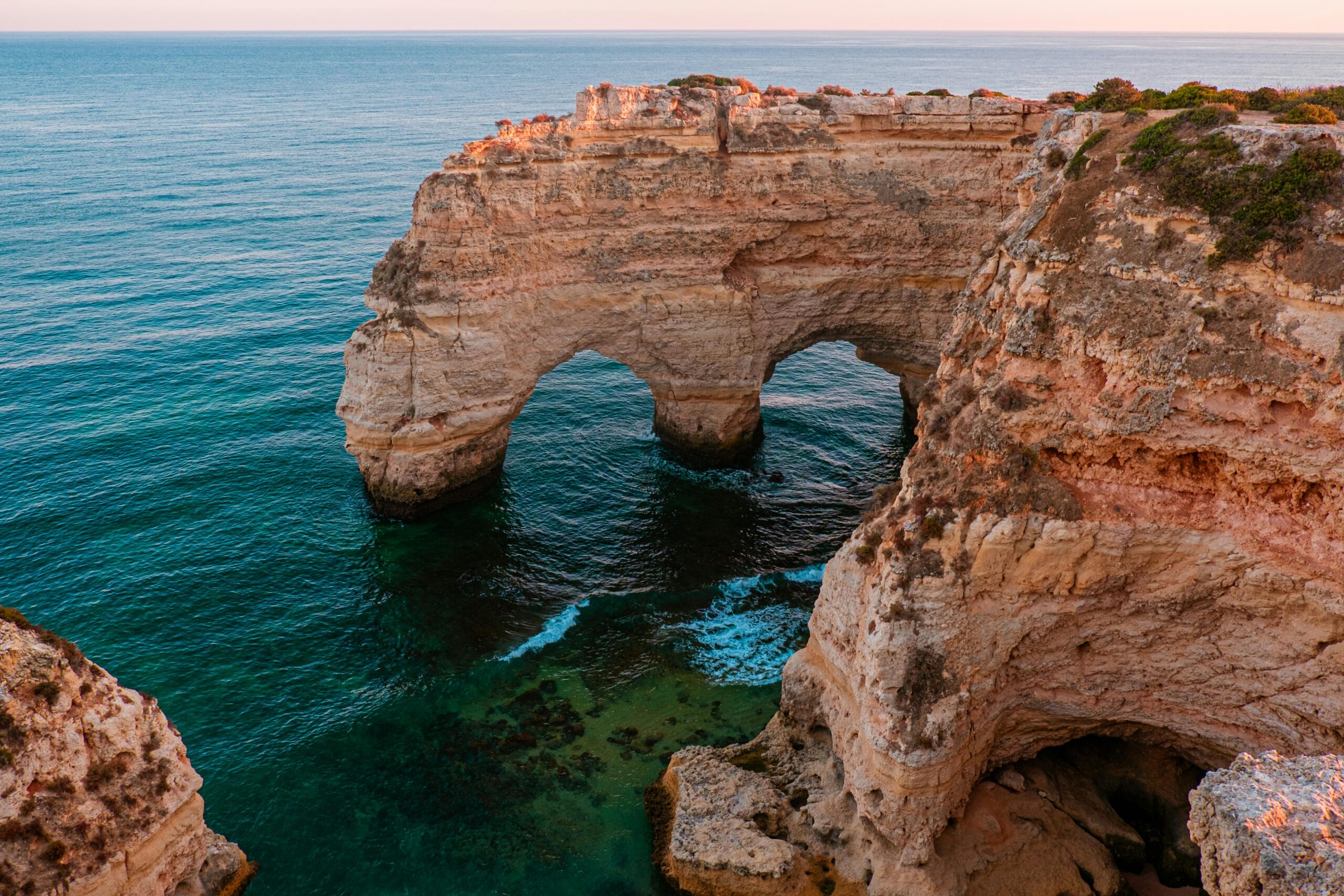
Algarve weather: patterns, temperatures and sea conditions
Algarve weather is dominated by Atlantic influences and a Mediterranean summer, which keeps winters mild and summers dry. Average summer highs typically sit in the mid-20s Celsius, and winter rarely dips below 8–10°C (46–50°F) at night in coastal towns. The warmest sea temperatures arrive in late August and September, making those months ideal for swimming.
Wind patterns can be important for specific activities: windsurfing and kitesurfing are best at exposed west-facing spots when northerly winds kick in, while sheltered bays along the central and eastern Algarve offer calmer waters for paddleboarding and family swimming.
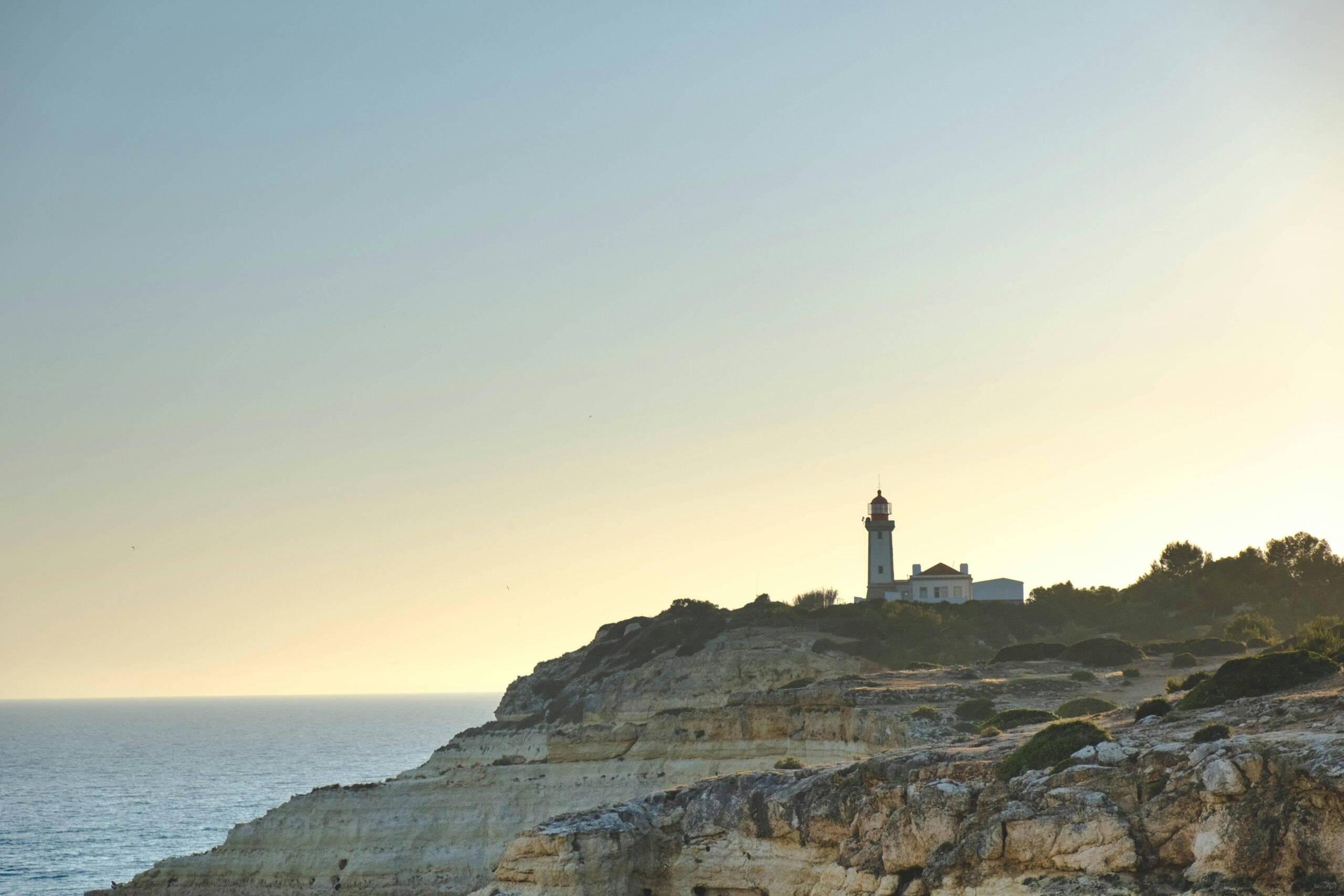
Algarve tourist season and crowd management
The Algarve tourist season peaks in July and August, when beach towns, coastal trails, and popular viewpoints become crowded. Major resorts and historic towns will have the most activity, while inland villages and quieter beaches offer respite. Understanding Algarve tourist season helps you plan sightseeing early in the day or choose less popular destinations for a calmer experience.
If you want the liveliness of festivals and a full range of services (beach bars, boat tours, evening entertainment), travel in summer. For a quieter visit with more space on beaches and lower local congestion, visit in May, June, or September. For those aiming to minimize accommodation costs and avoid crowds altogether, November–March is best, though some seasonal services may be reduced.
If you’re comparing lodging options and need up-to-date availability and pricing for different seasons, use a reliable booking platform to search accommodation options and compare what’s open across months: search accommodation options in the Algarve.
Algarve travel cost: budgeting by season
Algarve travel cost varies with season, location, and booking lead time. Peak summer months drive prices up for flights, hotels, and car rentals. Shoulder seasons—spring and autumn—offer a much better balance between pleasant weather and lower costs. In winter, expect the lowest nightly rates and occasional off-season deals, but some services (like certain boat tours) may be suspended.
- Accommodation: Expect the highest nightly rates in July–August; book early if traveling then.
- Flights: Spring and autumn often have the best fares and more frequent sales; winter can be cheap but less convenient service-wise.
- Transport and tours: Car rental demand peaks in summer; book in advance. Many guided tours run year-round but with reduced frequency in winter.
To compare hotels and prices across weeks and discover seasonal discounts, a hotel search tool provides current rates and availability: compare hotels and prices in Algarve.
Activities by season: beaches, hiking, festivals and wildlife
Choose the season based on the mix of activities you value most. Summer maximizes beach time and water-based excursions, while spring and autumn are ideal for hiking, cycling, and visiting cultural sites without the heat or crowds. Winter can be a rewarding time for birdwatching and quiet photography sessions along dramatic cliffs.
- Beach days and boat trips: Best from May through September, with the warmest sea in late August and September.
- Hiking and cycling: Spring and autumn offer mild temperatures and blooming landscapes or golden fall light.
- Festivals and events: Check local calendars—many towns hold food, music, and cultural festivals in spring and summer.
- Wildlife watching: Winter and early spring are good for migratory birds; dolphins can be seen year-round but are more reliably spotted on calm, off-peak mornings.
Practical tips for planning your trip
Pack for layered weather if you’re visiting during shoulder seasons—mornings and evenings can be cool while afternoons warm up. Reserve accommodation and car hire well in advance if traveling in July or August. For activities like boat trips to sea caves or guided nature walks, book a day or two ahead during busy months to secure your spot.
Consider staying in smaller towns or inland villages if you prefer quieter evenings and lower prices, and use day trips to explore the coast. Public transport connects major towns, but a rental car gives far more flexibility for reaching hidden beaches and remote viewpoints.
FAQs
When is the warmest time to swim in the Algarve?
The warmest sea temperatures are typically in late August and September, offering the most comfortable swimming conditions. Air temperatures in July and August are also warmest, but the sea reaches peak warmth slightly later in the season.
Is the Algarve rainy in winter?
Winter brings the most rainfall of the year, usually in short episodes rather than continuous downpours. Coastal areas remain milder than inland, and many sunny days still occur between rainy periods.
Are there shoulder-season advantages to traveling in May or September?
Yes. May and September often combine pleasant weather, fewer crowds, and lower prices than peak summer. These months are ideal for outdoor activities, sightseeing, and enjoying beaches without full-season congestion.
How much should I budget for a week in the Algarve?
Budget depends on travel style and timing. In peak season, expect higher accommodation and transport costs; a mid-range traveler might budget more for July–August. During shoulder and low season, you can find significant savings on lodging and tours. Consider advance bookings and flexible dates to secure the best rates.
Can I visit Algarve towns and attractions year-round?
Most major attractions and towns remain accessible all year, though some seasonal services like smaller boat tours or beach bars may close in winter. Museums, historic sites, and many restaurants stay open, offering a quieter, more local experience outside summer months.
Conclusion
Choosing the best time to visit Algarve comes down to whether you prioritize sun and beach crowds, quieter exploring, or the lowest travel costs. For sun and swimming, late August to early September is ideal; for fewer crowds and pleasant weather, aim for May, June or September; for budget travel and calm coastal scenes, winter months work well. Planning with your priorities in mind—activities, budget, and tolerance for crowds—will help you pick the perfect dates and make the most of this varied Portuguese region.