Deciding the best time to visit Auckland depends on what you want from your trip — sunshine and beaches, outdoor festivals, or quieter city sightseeing. Auckland’s year-round mild climate means there’s no single “wrong” time, but specific months offer distinct weather patterns, crowd levels, and price differences that will shape your experience.
This guide breaks down Auckland weather by season, highlights peak tourist periods, explains Auckland travel cost expectations, and gives practical tips so you can choose dates that match your priorities. Whether you’re planning a summer sailing trip, a shoulder-season city break, or a budget-conscious winter escape, you’ll find actionable guidance below.
When to go: a quick seasonal snapshot
Auckland sits in a temperate oceanic zone with warm summers and mild winters. Summers (December–February) are warm, humid and lively — ideal for beaches and festivals. Autumn (March–May) offers settled weather and fewer crowds, while spring (September–November) brings blossom and variable conditions. Winters (June–August) are cooler and wetter but still comfortable compared with many northern-hemisphere cities.
For first-time visitors who want the full Auckland experience—harbors, islands, outdoor dining and events—late spring through early autumn (October to April) is the most rewarding window. If lower prices and quieter attractions matter more, target the shoulder seasons of March–May and September–November.
Auckland weather — month-by-month guide
Understanding Auckland weather across months helps decide the right travel window for your plans. Average highs, rainfall patterns and sea temperatures shift gradually, so consider what matters most: warmth, dry days, or calmer seas for sailing and ferries.
December to February: Summer brings average daytime highs around 22–25°C (72–77°F). Rain is possible but often in short bursts. Sea temperatures rise, making swimming and water sports pleasant.
March to May: Autumn cools slightly with daytime highs of 18–22°C (64–72°F). Rainfall can increase later in the season, but many days remain stable and suitable for walking and outdoor dining.
June to August: Winter is mild with daytime highs near 14–16°C (57–61°F) and cooler nights. Rainier days are more frequent, but snow is essentially unheard of in the city. Museums and cafes are cozy options this time of year.
September to November: Spring warms up quickly, with wild fluctuations possible — a warm afternoon can follow a rainy morning. Daytime highs of 16–20°C (61–68°F) are common, and gardens around the city come alive.
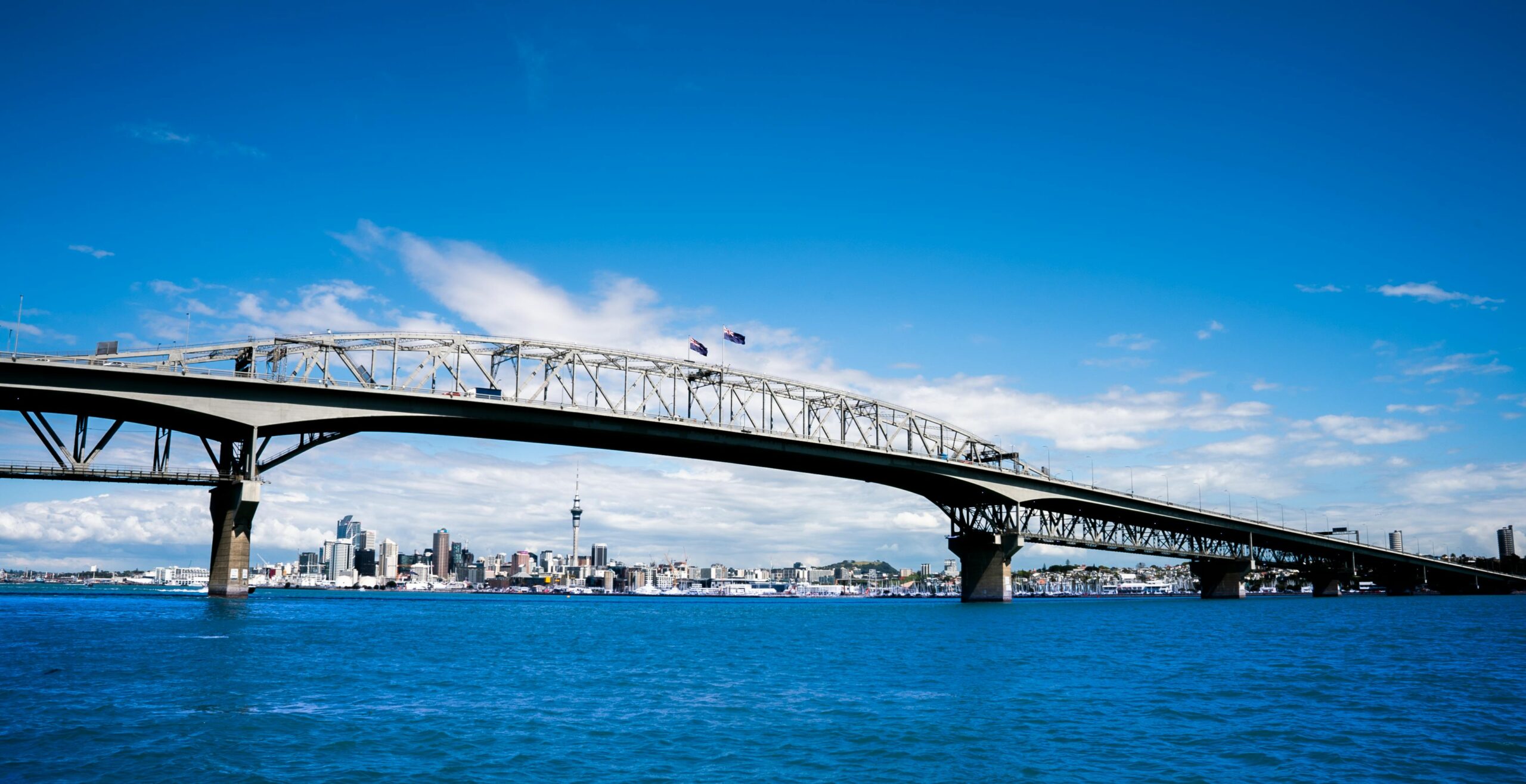
Best months for specific activities
Choose months that align with your priorities rather than chasing a single “perfect” month. Here’s a breakdown by activity so you can match seasonality to your travel goals.
- Beaches and swimming: Late December to March offers the warmest sea temperatures and sunniest days.
- Sailing and island-hopping: Summer months are best for calmer conditions and frequent boat services to Waiheke and Rangitoto.
- Hiking and walking: Autumn (March–May) and spring (September–November) provide cooler, comfortable temperatures and less crowding on trails like the Waitakere ranges and coastal walks.
- Food and wine: Waiheke Island and the city’s restaurant scene are great from late spring through autumn when outdoor dining is comfortable.
- Event-focused travel: Plan around major events if you have a specific festival in mind — for example, the Auckland Arts Festival in March/April some years, and summer concerts and markets in December–February.
Auckland tourist season and crowds
Auckland tourist season peaks in summer and around school holidays. Domestic travel surges during New Zealand’s summer break (mid-December to late January) and during public holidays, which can push up demand for ferries, popular walking tracks, and restaurants. International visitor numbers are also highest in January and February.
To avoid the busiest periods without sacrificing good weather, aim for the shoulder months of March–April or October–November. These months typically have fewer tourists, shorter queues for attractions, and more availability in favored neighborhoods, yet still deliver pleasant days for outdoor activities.
Auckland travel cost — planning a realistic budget
Auckland travel cost can vary widely depending on season, accommodation choice, and activities. Expect to pay more for mid-December through March travel, with peak rates in late December and January. Booking ahead reduces the price shock, especially for accommodation and ferries to islands.
Typical daily budgets (approximate):
- Budget traveler: NZD 80–130 — hostels or budget hotels, public transport, self-catering, and free/low-cost attractions.
- Mid-range traveler: NZD 150–300 — 3–4 star hotels, a mix of dining out and DIY meals, tours or paid activities once or twice.
- Comfort traveler: NZD 300+ — boutique hotels, regular dining out, guided experiences, and some private transfers.
To compare lodging options and secure competitive rates close to your travel dates, look through well-known booking platforms that list a wide selection of properties across Auckland, from city center apartments to family-run B&Bs in waterfront suburbs. Use a reputable accommodation site to filter by neighborhood and transport links before you finalize dates: places to stay in Auckland.
Practical tips for timing your trip
Think beyond weather — timing affects transport, local events, and the feel of neighborhoods. Here are practical considerations to refine your travel window.
- Book ferries and popular guided experiences early if traveling in November–March to avoid sold-out days.
- If you want cheaper flights and hotels, travel in May–June or late August–September when demand eases.
- Public transport runs reliably year-round, but services to some islands increase in summer. Check schedules before booking island day trips.
- School holidays (both New Zealand and Australian) affect accommodation prices and small-town crowding, so avoid domestic school breaks when possible if you prefer quieter stays.
When you’re ready to lock in rooms and tours, use sites that let you compare cancellation policies and read verified reviews to ensure flexibility if your plans change. It’s often worth securing accommodation with a flexible cancellation policy during shoulder seasons when weather can be unpredictable: book accommodation in Auckland.
Where to stay and how to get around
Auckland’s neighborhoods each have a distinct personality. The Central Business District (CBD) is ideal for first-timers wanting museums, waterfront views and ferry terminals nearby. Ponsonby and Grey Lynn are lively for dining and cafes; Devonport and Takapuna offer a quieter seaside vibe with easy ferry access to the city.
Public transport includes buses, trains and ferries; a reloadable AT HOP card makes hopping on and off services cheaper. Rideshares and taxis are readily available for late-night returns. If you plan to explore regional parks or the west coast beaches, a rental car gives extra flexibility, especially outside the city center.
Packing tip: layers and a light rain jacket are essential year-round. Even in summer, evenings can be cooler near the water, and quick showers are frequent. Comfortable walking shoes are a must for volcanic cone climbs and harbor-side walks.
FAQs
What is the warmest month in Auckland?
The warmest months are January and February, when average daytime temperatures peak around 22–25°C (72–77°F) and sea temperatures are most inviting for swimming and water sports.
When are the cheapest flights and hotels to Auckland?
Cheapest travel windows are typically May–June and late August–September, outside the main summer season and major holiday periods. Booking 6–12 weeks ahead during shoulder months often yields better rates.
Is Auckland busy during December and January?
Yes. December and January coincide with summer holidays and increased domestic travel, so attractions, ferries, and popular restaurants can be very busy. Book popular tours and island day trips in advance if you plan to visit in these months.
Can I expect rain any time of year in Auckland?
Yes. Auckland has reasonably frequent short rain showers year-round because of its maritime climate. Winters are generally wetter, but showers can occur in summer too. Packing a compact waterproof layer is advisable for all seasons.
Are there months with calmer sea conditions for ferry trips to Waiheke?
Calmer conditions are more likely in summer (December–February) though weather on the Hauraki Gulf can change quickly. Check ferry schedules and sea forecasts before booking, and consider midweek departures to avoid crowds.
Conclusion
Choosing the best time to visit Auckland comes down to priorities: aim for December–March for warm weather and lively events; pick March–May or September–November for milder conditions, fewer crowds and better prices; and consider June–August for a quieter, more budget-friendly city escape. Factor in the activities you most want—beaches, sailing, hiking or food—and pick months that align with those needs. With planning, Auckland is rewarding year-round: whether you arrive for a sunny harbor adventure or a peaceful off-peak city break, the region’s blend of urban culture and easy access to wild coastline makes it a flexible, memorable destination.