Deciding on the best time to visit Bali depends on what you want from your trip: sunny beach days, quieter cultural exploration, lower costs, or the liveliest festivals. For most travelers seeking reliable weather and outdoor activities, the dry season is often recommended, but Bali’s appeal stretches year-round when you match activities to the island’s seasonal rhythms.
This guide draws on official tourism patterns and seasonal weather trends to explain Bali weather, how Bali tourist season affects prices and crowds, and practical tips so you can plan the right dates for your interests and budget.
When is the best time to visit Bali?
The short answer: mid-April to early October is generally considered the prime window for most visitors because rainfall is lower, humidity is more comfortable, and islandwide outdoor activities run smoothly. This period aligns with Bali’s dry season, offering more predictable sunshine for beaches, rice terrace hikes, and temple visits.
That said, “best” varies by traveler. Surfers chase different swells at different times; photographers and honeymooners may prefer shoulder months (April–June and September–early October) to avoid peak crowds while still enjoying good weather; budget travelers might target the low season for cheaper rates. Understanding how Bali’s weather cycles intersect with festivals and tourist flows makes it easier to pick the right week for you.
Dry season vs wet season — what to expect
Indonesia’s tropical climate divides Bali into a dry season and a wet season rather than four temperate seasons. The dry season (roughly April–October) brings mostly sunny days, lower chance of heavy rain, and calmer seas in many coastal areas. The wet season (around November–March) increases humidity and short, intense downpours often in the late afternoon or evening.
For beach activities, snorkeling and diving visibility is often best in the dry months, while surf conditions shift—famous west-coast breaks favor the dry months, and the east and northeast breaks can come alive in the wet season. If you’re primarily after sunshine and open-air exploration, the dry period reduces the risk of itinerary disruption.
Weather services and long-term climate reports can help you see typical monthly averages for rain and temperature; for broad forecasts and official observed patterns, consult resources such as the Weather Channel’s site.
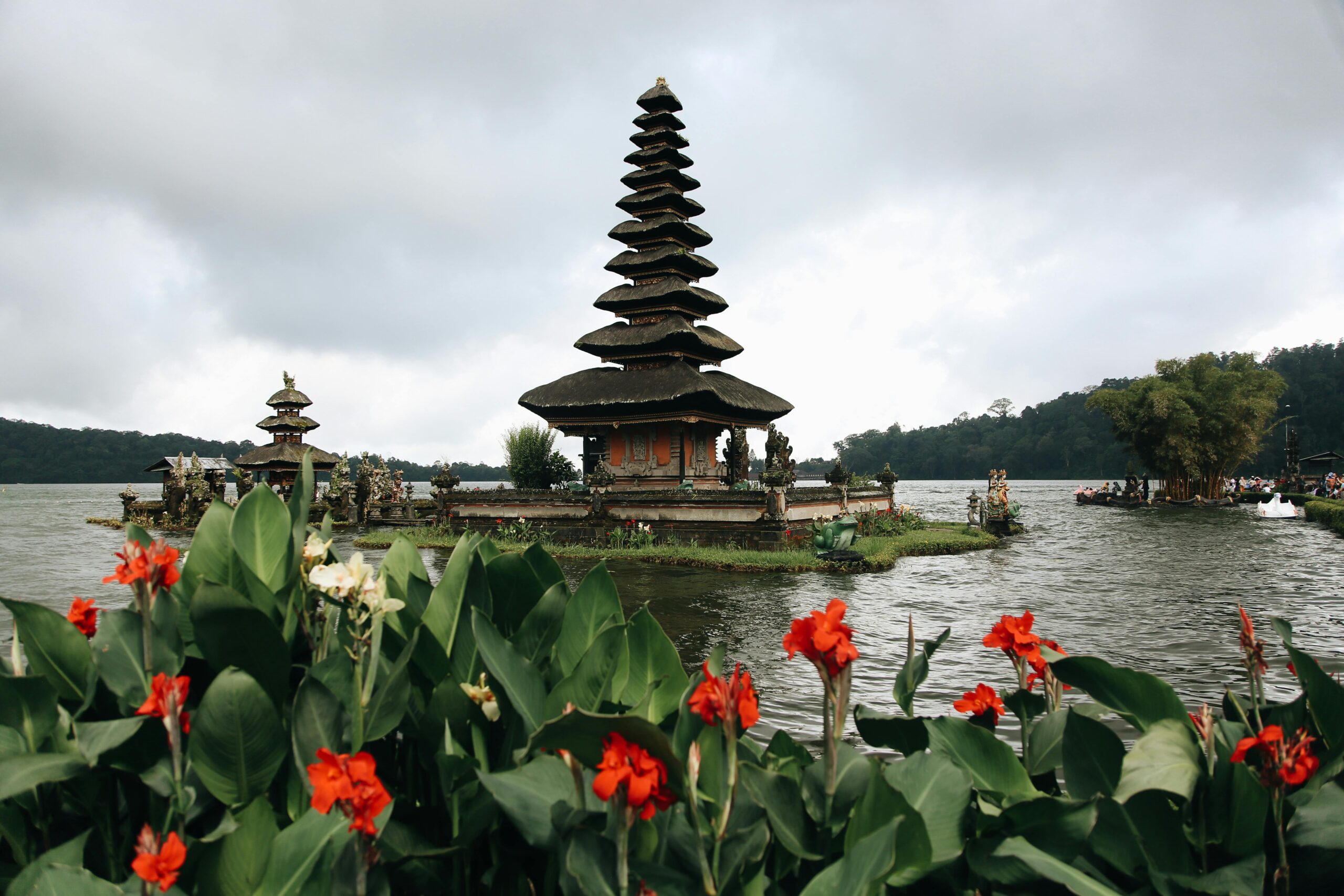
Regional variations and microclimates across Bali
Bali is compact but climatically diverse. Coastal zones like Kuta, Seminyak, Canggu, and the Bukit Peninsula tend to be warmer and sunnier, while central and northern highlands—Ubud and the foothills around Mount Batur—are cooler and often greener year-round. East Bali, including Amed and Tulamben, can remain drier later into the wet season compared with the west.
Microclimates matter when planning specific activities: sunrise treks up Mount Batur are cooler and can be misty in the wet months, whereas rice terrace walks near Ubud are lush and dramatic after rains. If you want a quick overview of the island’s geography and cultural regions, the Bali page on Wikipedia offers a concise orientation useful for first-time visitors: overview of Bali.

Festivals and cultural timing — when to experience Balinese culture
Cultural calendar plays a big role in choosing travel dates. Nyepi (the Balinese Day of Silence), usually in March, is a unique cultural experience: the entire island shuts down for 24 hours, including the airport, and visitors stay within hotel grounds. For those interested in ceremonies, temple festivals (odalan) and Galungan/Kunigan cycles happen on a regional schedule tied to the Balinese pawukon and saka calendars.
Visiting during festival periods can offer rich cultural encounters but also local traffic and temporary closures. If you prefer to witness rituals with fewer crowds, consider planning around smaller local temple festivals in less-touristed areas rather than the biggest holiday days. Booking accommodations well ahead is important when your trip overlaps major holidays.
Bali travel cost and tourist season — how timing affects your budget
Bali travel cost fluctuates with demand. Peak international travel months—July and August, and around Christmas–New Year—see higher room rates, sold-out villas, and pricier flights. Shoulder seasons (April–June, September–early October) usually offer a balance: good weather, thinner crowds, and more competitive pricing on lodging and tours.
During the wet season, many hotels and tour operators run discounts or packages to attract travelers, so if your priorities are savings and fewer visitors, booking in the low season can be economical. However, some niche operators (like surf or dive schools) may scale back operations during the wettest months, so confirm availability before finalizing plans.
- Peak season: July–August, mid-December–early January — higher prices, busy beaches.
- Shoulder season: April–June and September–early October — good weather, better prices.
- Low (wet) season: November–March — lower rates, short heavy rains, greener landscapes.
Practical travel tips by season — what to pack and how to plan
No matter when you visit, lightweight clothing, sun protection, and a decent pair of walking shoes are essential. Here are season-specific tips to help you plan:
- Dry season (Apr–Oct): Pack breathable clothing, reef-safe sunscreen, a light jacket for higher elevations, and insect repellent for evenings. Book popular activities like whitewater rafting, sunrise treks, and beach clubs in advance during July–August.
- Shoulder months (Apr–Jun, Sep–Oct): Bring both sun protection and a compact rain layer for occasional showers. Shoulder months are ideal for photography and quieter temple visits.
- Wet season (Nov–Mar): Prioritize quick-drying clothes, waterproof bags for electronics, and flexible itineraries; expect occasional cancellations for small boat trips during heavy weather. Use low-season discounts for more upscale stays if you don’t mind some rain.
Booking strategies: for peak holiday windows, reserve flights and accommodations at least 3–6 months in advance. For shoulder and low seasons, flexible bookings with free cancellation allow you to take advantage of short-term deals or move dates if local weather patterns shift.
FAQs
What month has the best weather in Bali?
Generally, July and August offer consistent dry conditions and plenty of sunshine, but late April through June and September provide similarly good weather with fewer crowds and lower prices, making them attractive alternatives.
Is Bali expensive to visit during peak season?
Costs rise in peak months—accommodations, flights, and popular tours can be significantly more expensive. Travel during shoulder months or the wet season usually reduces Bali travel cost while still allowing enjoyable experiences.
Can I surf in Bali during the wet season?
Yes—surfing is year-round in Bali, but different breaks perform better in different seasons. West coast breaks are typically best during the dry season; east coast and reef breaks can work well during the wet months. Check local surf reports before planning specific spots.
Will Nyepi affect my travel plans?
Nyepi (Balinese Day of Silence) temporarily halts most services, including the airport, so plan arrival and departure dates carefully. If you are on the island for Nyepi, expect to stay within hotel grounds for the day and respect local restrictions.
How much time should I spend in Bali to see the highlights?
Two weeks allows a relaxed pace to explore beach towns, Ubud and central highlands, and a couple of eastern or northern coastal spots. Ten days can work for a shorter trip that balances beaches and cultural excursions; a week suits a focused itinerary if you prioritize one region.
Conclusion
The best time to visit Bali depends on your priorities: for the most reliable weather and outdoor access choose the dry season (mid-April to early October), for quieter travel and better value aim for shoulder months, and for budget-conscious travelers who don’t mind occasional rain the wet season delivers lush landscapes and lower prices. Match your dates to the activities and cultural experiences you value most, book key services early for peak periods, and use regional climate differences to refine where on the island to stay. With planning aligned to seasonal patterns, Bali rewards visitors nearly year-round.