Deciding on the best time to visit Bangkok depends on what you want from the trip—sunny days for rooftop bars, tolerable heat for temple visits, or quieter streets during shoulder seasons. The best time to visit Bangkok typically falls between November and February when cooler, drier air makes exploring the city much more comfortable.
This guide explains Bangkok weather patterns, breaks down seasons month-by-month, covers Bangkok travel cost trends through the year, and gives practical advice so you can choose the ideal window for your trip.
When is the best time to visit Bangkok?
For most travelers, the period from late November through February offers the most pleasant Bangkok weather: lower humidity, milder daytime temperatures (often in the mid-20s°C / mid-70s°F), and clearer skies. These months are ideal for walking around temples, taking river cruises, and enjoying outdoor markets without constant rain or extreme heat.
If you prioritize lower prices and fewer tourists, consider the shoulder months of March and October. March begins to warm up, while October is the tail end of the rainy season, often offering green landscapes and better hotel deals for visitors willing to accept occasional showers.
Season breakdown: Weather and what to expect
Bangkok’s climate can be divided into three broad seasons: cool/dry, hot, and rainy. Understanding each season helps you pick the right activities, plan wardrobe choices, and budget for any seasonal travel cost differences.
Cool/dry (November–February): Temperatures are more comfortable and humidity drops, making outdoor sightseeing and rooftop dining pleasant. Expect higher demand from international tourists, so popular attractions and accommodations can fill early.
Hot (March–May): Temperatures climb, sometimes exceeding 35°C (95°F). If you travel in this period, plan for indoor midday breaks, air-conditioned transport, and early-morning or evening sightseeing.
Rainy (June–October): Heavy but often short-lived tropical downpours are normal. Flooding is uncommon in central Bangkok, but sudden storms can slow transport. Rainy season offers lush parks and lower Bangkok travel cost for accommodations and tours.
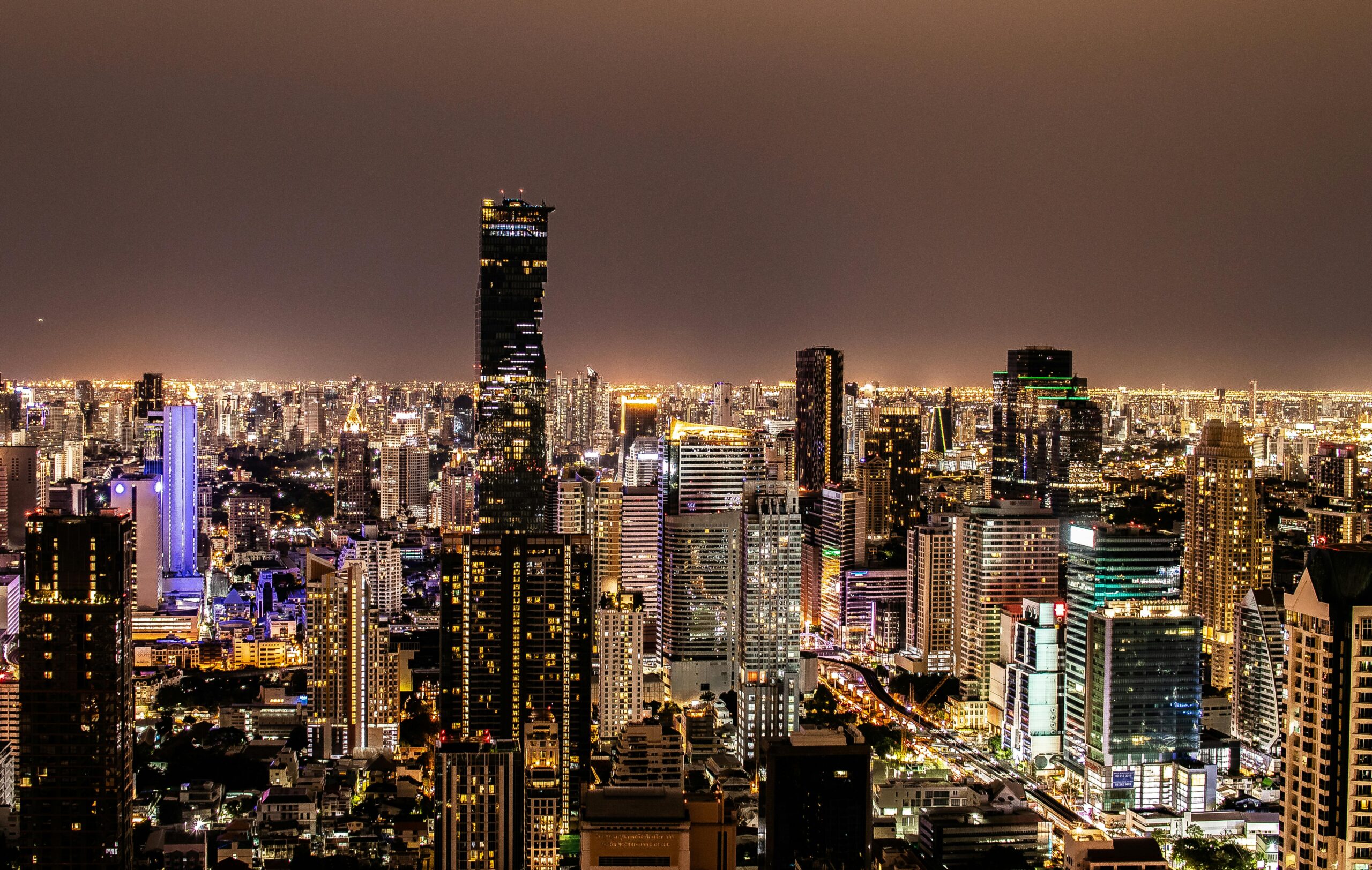
Month-by-month guide to help you choose
A month-by-month approach gives a clearer picture of weather trends, event timing, and when prices tend to rise or fall:
- January–February: Peak season. Cool mornings and warm afternoons. High demand for hotels and attractions.
- March–April: Temperatures rise; Songkran (Thai New Year) in mid-April is a nationwide water festival—fun but busy and wet.
- May: Transition month; hot days and increasing showers toward the end of the month.
- June–August: Rainy season with frequent showers. Good time for museum visits and lower accommodation rates.
- September–October: Often the wettest months, but also quieter for tourism and attractive for bargain hunters.
- November–December: Weather improves rapidly. Festivals like Loy Krathong (timing varies) can make travel particularly memorable.
For current hotel availability and seasonal deals, you can compare options and read traveler reviews on Booking.com’s Bangkok listings.
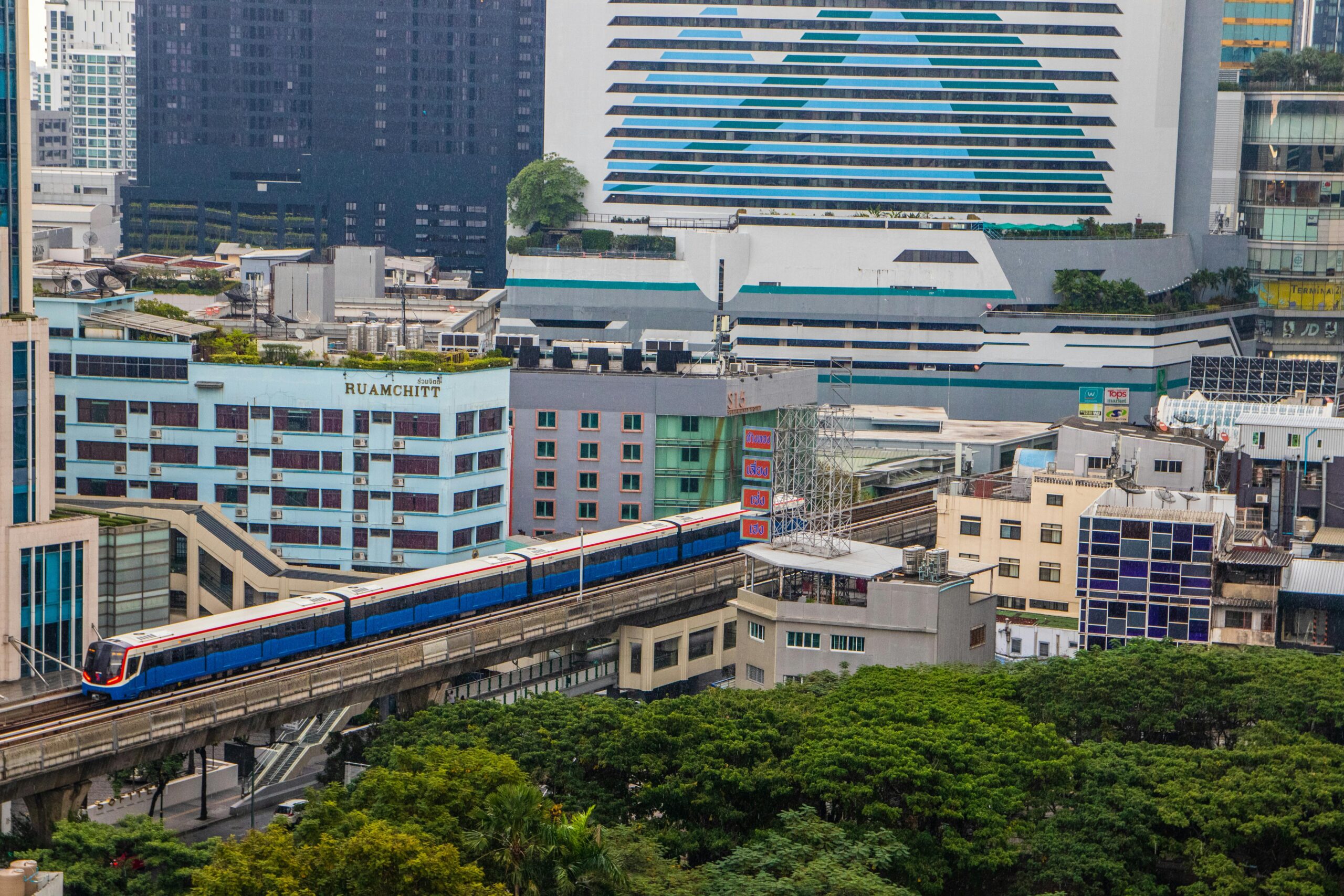
Avoiding crowds: Bangkok tourist season and tips
Bangkok tourist season peaks during the cool months, which means popular sites like the Grand Palace, Wat Pho, and Khao San Road are busiest then. If you prefer quieter experiences, consider visiting in the shoulder months (late October or March) or arrive early in the morning to beat the crowds.
Tips to avoid crowds and long lines:
- Book early-morning temple tours or late-afternoon visits for softer light and fewer visitors.
- Use river ferries and BTS/MRT to skip street-level traffic at peak times.
- Explore lesser-known neighborhoods like Bang Rak, Talat Noi, or the canals in Thonburi for a slower pace.
Bangkok travel cost: How season affects your budget
Bangkok travel cost varies notably with season and demand. Peak season usually brings higher airfares and hotel rates, while the rainy months often yield discounts and promotions. Overall, daily expenses like food, transport, and attractions remain affordable year-round compared with many global capitals.
Typical cost considerations by season:
- Peak season (Nov–Feb): Expect higher accommodation costs and advance booking premiums for guided tours and popular restaurants.
- Shoulder season (Mar, Oct): Moderate prices and occasional promotions; good compromise between weather and cost.
- Low season (Jun–Sep): Best time for bargains on hotels and package deals, though you should plan indoor alternatives for heavy-rain days.
To find up-to-date accommodation pricing and to book stays that match your budget, check live inventories on trusted booking platforms like the Bangkok city pages at Booking.com.
Practical travel tips by season
Packing and planning change depending on when you visit. Below are practical suggestions to make the most of each season.
- Cool/dry season: Pack light layers for mornings and evenings, sunscreen and a sunhat for daytime, and comfortable walking shoes for temple and market visits.
- Hot season: Choose breathable fabrics, carry a refillable water bottle, and plan sights for early morning or late afternoon. Expect many indoor attractions to be air-conditioned.
- Rainy season: Bring a compact umbrella or a light rain jacket, quick-dry clothing, and waterproof footwear for comfort during sudden showers.
Festival planning: check local event calendars when booking. Festivals like Songkran and Loy Krathong can be highlights but may require earlier reservations for popular hotels and dinner cruises.
Best activities and where to go by season
Certain activities are season-specific. Matching your interests to the season enhances your Bangkok experience.
- Cool months: Rooftop bars, night markets like Asiatique and Chatuchak Weekend Market, and river cruises are most enjoyable.
- Hot months: Take advantage of indoor cultural sites—museums, temples with shaded courtyards—and enjoy rooftop pools or day trips to Ayutthaya early in the morning.
- Rainy months: Explore Bangkok’s food scene through cooking classes, street-food tours under covered market walkways, and art galleries.
FAQs
When is the absolute best month to visit Bangkok?
Late November through February is widely considered the best because of lower humidity, cooler temperatures, and clearer skies. If you want fewer crowds with reasonable weather, late October or March are good alternatives.
How does Bangkok weather affect daily sightseeing?
High heat and humidity can make midday walking uncomfortable, so plan outdoor activities for mornings and evenings during hot months. During the rainy season, keep flexible indoor options and check local forecasts for short heavy showers.
Is the rainy season a bad time to visit Bangkok?
Not necessarily. Rainy season brings lush green parks and lower travel costs. Showers are often short but heavy; with planning and waterproof gear you can still enjoy markets, temples, and indoor attractions.
How much more will I pay to travel during peak tourist season?
Airfares and accommodations generally rise during November–February, sometimes by 20–50% depending on demand and events. Booking early and comparing options can reduce the price impact of traveling in peak months.
Can I find good hotel deals in Bangkok year-round?
Yes. The best deals typically appear in the rainy months and occasionally in shoulder seasons. Comparing dates and flexible cancellations on major booking sites can help you secure competitive rates.
Conclusion
Choosing the best time to visit Bangkok comes down to what you value most: comfortable weather, lower prices, or lively festivals. For most visitors, November through February strikes the best balance with pleasant Bangkok weather and full access to outdoor attractions. If you prefer fewer crowds and better deals, aim for shoulder months or the rainy season and plan indoor alternatives.
Regardless of when you travel, advance planning—particularly for accommodation and major attractions—keeps your trip smoother. Use reliable booking resources and local event calendars to match your travel dates to weather, budget, and personal interests for a memorable Bangkok experience.