Deciding the best time to visit Belgrade depends on what you want from the trip: warm street-side cafes and lively nightlife, or quiet museum afternoons and lower travel costs. Located at the confluence of the Sava and Danube rivers, Belgrade’s character shifts dramatically through the year, so timing can shape your whole experience.
This guide breaks down Belgrade weather, tourist seasons, events, costs and packing tips so you can pick the months that match your priorities—whether that’s outdoor festivals, fewer crowds, or lower Belgrade travel cost.
Why timing matters for your Belgrade trip
Belgrade’s calendar is dominated by two things: a bustling summer tourist season and a quieter, more local winter rhythm. During peak months you’ll find riverside splavs (floating clubs), busy kafanas, and open-air concerts; outside that window the city feels more lived-in, with shorter lines at museums and friendlier service in restaurants.
Weather plays a big role too. Summers can be hot and humid, while winters can drop below freezing with occasional snow. If you plan a lot of outdoor sightseeing, consider spring or early autumn when temperatures are milder and parks, fortresses and walking routes are at their best.
Month-by-month guide: pick your best month
January–March: Winter extends into early March. Expect cold days and shorter daylight, but also low prices and near-empty attractions. Museums like the National Museum and the Nikola Tesla Museum are easy to visit without crowds. February hosts some local cultural events, but outdoor activities are limited.
April–May: Spring is one of the best times to visit Belgrade. Temperatures rise, trees and parks bloom, and outdoor cafes reopen. Late April and May are ideal for walking the Kalemegdan Fortress, exploring the bohemian Skadarlija district, and joining outdoor markets.
June–August: This is Belgrade’s high tourist season. Warm, sometimes hot weather is perfect for river life—daytime swimming and evening parties on splavs. Expect larger crowds, higher accommodation prices, and a full festival calendar. If you enjoy nightlife and outdoor concerts, summer is unmatched.
September–October: Early autumn mirrors spring: cooler, comfortable temperatures and thinning crowds. Late September is especially pleasant for strolling riverside promenades and sampling seasonal Serbian cuisine. By October the city is quieter and often wetter, but it remains a strong shoulder-season choice.
November–December: Late autumn and early winter bring rain and chill. December builds toward a festive season with Christmas markets and winter menus in restaurants. Prices drop outside the holiday weeks, making November an economical time to visit.
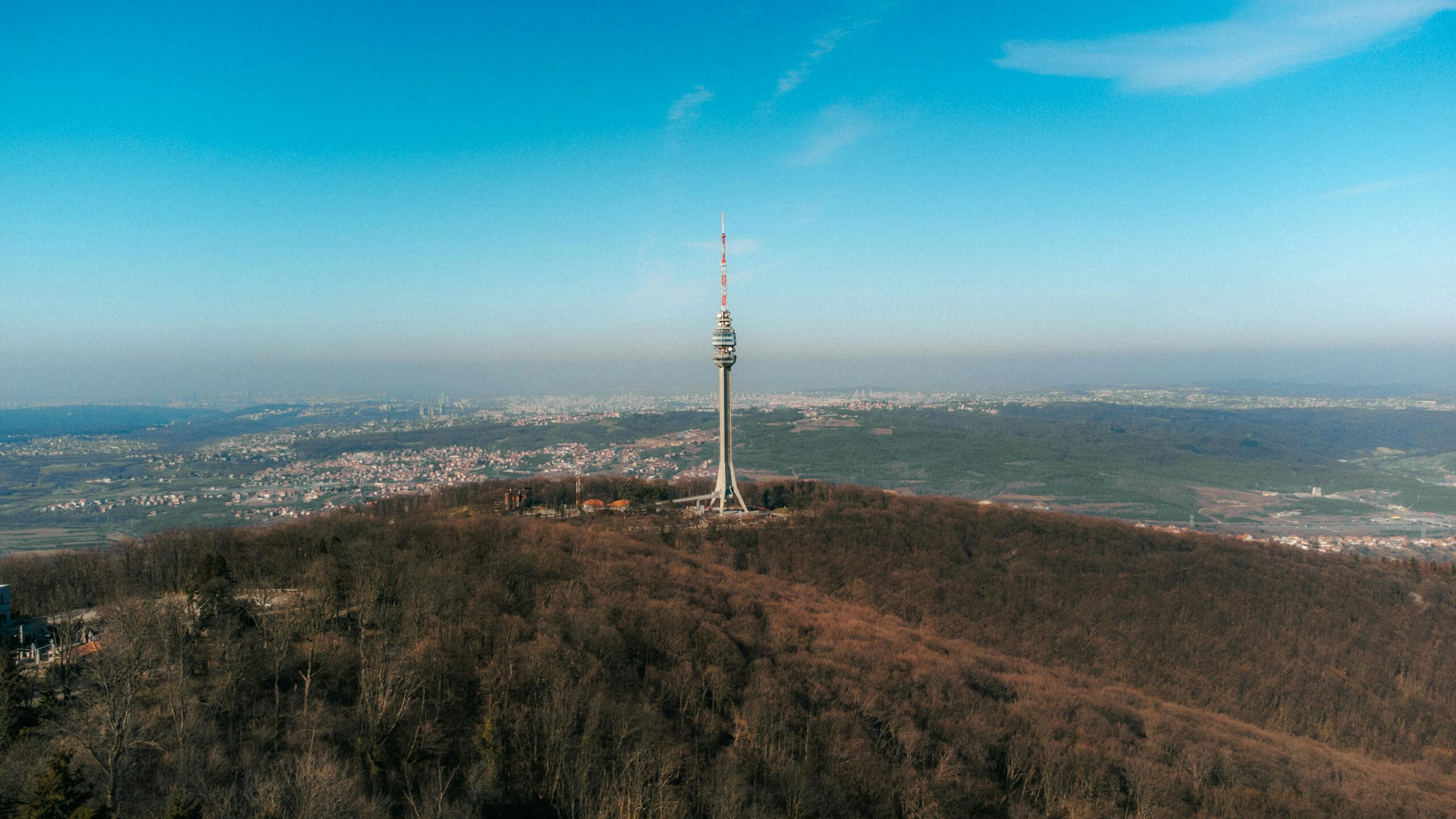
Seasonal breakdown: spring, summer, autumn, winter
Spring (April–May): Mild days (10–20°C / 50–68°F) with occasional rain. This is great for sightseeing and outdoor dining. The city’s parks—Tašmajdan and Kalemegdan—are at their greenest and many cultural venues resume open-air programming.
Summer (June–August): Hotter and drier, daytime highs often 25–35°C (77–95°F). Riverfront life is the highlight: cafés, bars and the floating clubs on the Danube and Sava. If you want to enjoy Belgrade’s famous nightlife and festivals, summer is the season—but expect higher Belgrade travel cost for accommodation and flights.
Autumn (September–October): Temperatures cool to a comfortable 10–22°C (50–72°F). This shoulder season blends fewer crowds with good weather for walking and photography. It’s also hunting and harvest season for local food markets, so you’ll find seasonal produce and hearty dishes on menus.
Winter (November–March): Cold, sometimes snowy, with daytime averages around 0–5°C (32–41°F). Winter suits travelers who prefer museums, cozy restaurants and lower rates. Be aware that riverfront attractions quiet down, though the city keeps a lively cultural calendar with concerts and indoor events.
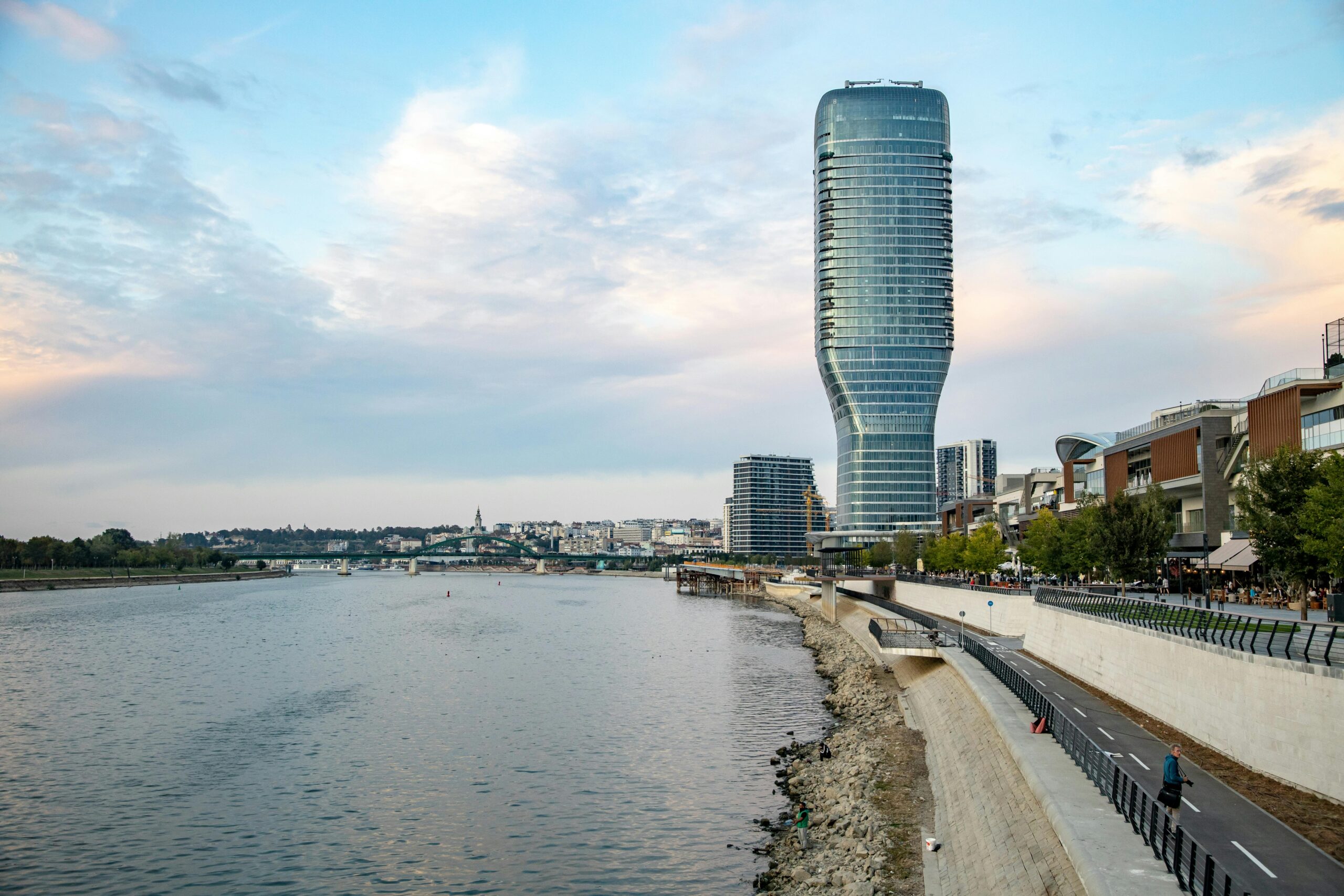
Events, festivals and local highlights by season
Belgrade’s cultural life influences the best time to visit. Summer is festival season: music festivals, open-air concerts at Kalemegdan, and the vibrant Belgrade Nightlife scene. If a specific event matters to you—like the Belgrade Beer Fest or local jazz and film festivals—time your trip around their published dates.
Spring and autumn host cultural weeks and museum nights that attract domestic visitors but don’t overwhelm the city. Winter brings holiday markets and seasonal concerts; New Year’s Eve in Belgrade is lively if you want a big celebration, but expect inflated prices and busier streets.
Budgeting and Belgrade travel cost throughout the year
Accommodation and flight costs rise during summer and around major holidays. Booking in advance for July–August can save money, and shoulder seasons—April–May and September—offer the best balance of pleasant weather and lower prices. If you’re flexible, visiting in November or February can significantly reduce your Belgrade travel cost while still offering city attractions.
Public transport, dining in kafanas, and many museums are budget-friendly year-round. For accommodation comparisons, check current hotel availability and prices; many travelers find good deals using popular booking platforms and local guesthouses. For a quick search of hotels and neighborhoods to match your dates, see hotels on Booking.
What to pack and how to dress by season
Pack layers. Spring and autumn require a light jacket, waterproof layer, and comfortable walking shoes for cobblestone streets. Summer needs breathable clothing, sun protection and a light evening layer. Winter demands a warm coat, gloves and sturdy shoes for icy patches.
If you plan to enter religious sites or visit upscale restaurants, bring modest clothing options (shoulders covered and no swimwear). Comfortable walking shoes are essential year-round—Belgrade is best explored on foot, from historic neighborhoods to riverside promenades.
Practical travel tips: getting around, safety and where to stay
Belgrade is compact and easy to navigate. Tram and bus networks connect most neighborhoods and taxi apps work reliably for late-night trips. Walking between central districts like Dorćol, Savamala and the Old Town is often faster and more rewarding than a short bus ride.
For accommodation, choose a central neighborhood for easy access to attractions—Stari Grad for history and nightlife, Vračar for restaurants and local life, or Novi Beograd for modern hotels. If you prefer to compare options visually and read recent guest reviews, try searching accommodation listings such as those on search accommodation on Booking.
Belgrade is generally safe for tourists. Standard precautions—watch belongings in crowded places, avoid poorly lit streets at night, and confirm taxi rates—will serve you well. Carry some cash, as smaller cafes and markets sometimes prefer it.
FAQs
When is the best month to visit Belgrade for good weather?
Late April through June and September offer the most consistently pleasant weather, with warm days and cool evenings ideal for walking and outdoor activities.
Is Belgrade crowded in summer?
Yes—summer is the city’s high tourist season, with more visitors at riverside areas, festivals and major attractions. Expect higher prices and busier streets from June to August.
How much does it typically cost to travel to Belgrade?
Costs vary by season and travel style. Off-peak months like November and February generally have lower airfare and accommodation rates, while summer sees an increase. Dining and local transport remain relatively affordable compared with many Western European capitals.
What should I know about Belgrade weather on short trips?
Check forecasts before packing: spring and autumn can change quickly with rain, while summer may bring intense heat. Layering and a compact umbrella are practical choices for most short visits.
Are there quiet months for visiting Belgrade’s museums and attractions?
Yes. January, February and November are quieter months with fewer tourists, making these times ideal for visiting museums, galleries and historic sites without long lines.
Conclusion
Choosing the best time to visit Belgrade comes down to priorities: lively summer festivals and river nightlife versus quieter, more economical shoulder seasons with mild weather for sightseeing. For most visitors, late spring (April–May) and early autumn (September) offer the best balance of favorable Belgrade weather, manageable crowds and reasonable Belgrade travel cost. Plan around any specific events you want to attend, pack for variable conditions, and book accommodation early if you travel during high season—then enjoy the energetic mix of history, music and riverside life that makes Belgrade unique.