Deciding on the best time to visit Bilbao depends on what you want from your trip: mild weather, festivals, fewer crowds, or lower prices. Bilbao’s maritime climate keeps temperatures moderate year-round, but rainfall, tourist flows and event calendars vary enough that timing makes a real difference to your experience.
This guide breaks down Bilbao weather by season, month-by-month recommendations, cost considerations, peak tourist times, and practical tips for planning a visit so you can choose the ideal dates for your interests and budget.
Quick overview: Bilbao’s climate and travel rhythms
Bilbao sits in Spain’s Basque Country on the Bay of Biscay, which gives the city an oceanic climate. Winters are cool and often wet, while summers are warm without the extreme heat common in inland Spain. Spring and autumn tend to offer the most comfortable conditions for sightseeing. The city’s annual rhythm is also shaped by cultural events — large celebrations in summer and autumn attract many visitors, while winter can feel quieter and more local.
Understanding the flow of weather, crowds and prices will help you decide whether you want bright festival days in August, mild weather and fewer tourists in May or September, or bargain travel in the off-season.
Bilbao weather by season: what to expect
Spring (March–May): Temperatures rise from roughly 10–16°C (50–61°F) in March to around 17–22°C (63–72°F) by May. Rainfall decreases compared with winter, days lengthen, and parks and riverside walks become especially pleasant.
Summer (June–August): Summers are warm and comfortable, with average highs typically in the low to mid-20s°C (70s°F). July and August are the driest and sunniest months, but also the busiest. Nights remain mild, making it easy to enjoy late dinners or riverside strolls.
Autumn (September–November): Early autumn mirrors late summer, with pleasant temperatures in September and a gradual increase in rain and cooler days through October and November. September is often a sweet spot — good weather with fewer crowds.
Winter (December–February): Winters are cool and wet. Daytime highs usually hover around 10–13°C (50–55°F). Snow is rare in the city, but rain is frequent, so bring a waterproof jacket and plan indoor activities when showers arrive.
Month-by-month guide: choosing the best months to travel
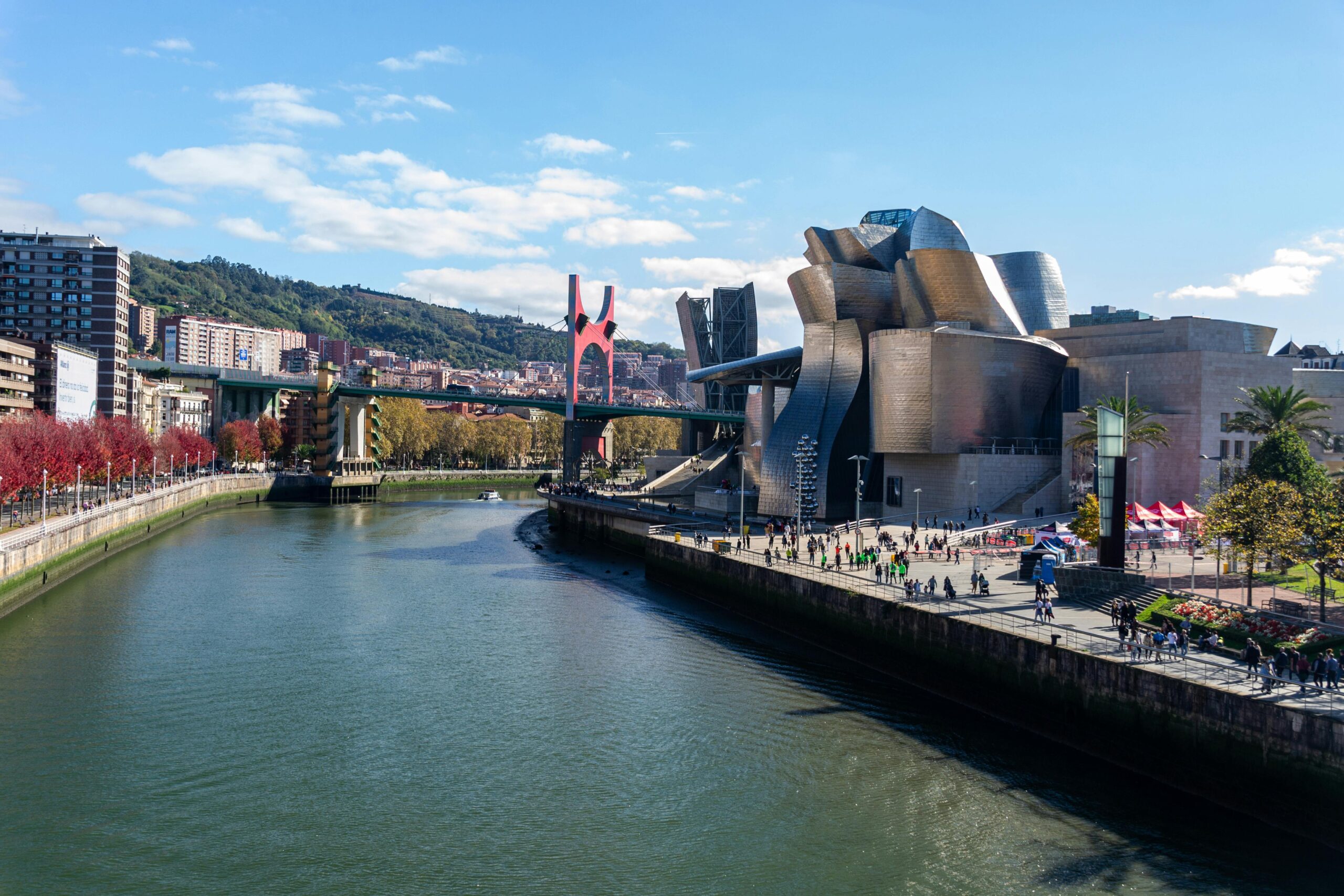
January–February: Quiet and affordable. Museums like the Guggenheim and fine dining are easier to access without queues. Expect wet, cool weather; this period is good for travelers who prioritize indoor culture and lower prices.
March–April: Spring green-up and gradually improving weather make these months enjoyable for walking the riverside and exploring the old town (Casco Viejo). Easter can bring spikes in visitors if dates fall in April.
May–June: One of the best windows for visiting. Warm days, long evenings, and minimal rainfall compared with winter make outdoor markets and day trips to the coast or nearby mountains especially pleasant.
July–August: Peak tourist season. Expect warm, sunny weather and larger crowds, particularly around major events. Prices for accommodation and some services are at their highest. If you plan July–August, book hotels in advance and consider early-morning visits to popular attractions.
September: Often the ideal compromise — summer weather lingers, but the busiest crowds thin out and accommodation prices often drop. Festivals can continue into September, adding vibrancy without heavy overcrowding.
October–November: Cooler and wetter, but the city is calmer and cultural life resumes full swing after summer. Late autumn offers good restaurant availability and lower costs for travelers who don’t mind occasional rain.
December: Festive lights and seasonal markets make December appealing. Weather is cool and wet; expect higher weekend occupancy around holiday dates.
Balancing weather, crowds and cost: practical budgeting
Bilbao travel cost varies by season, accommodation standard and how much you plan to dine out or take excursions. On average, expect mid-range daily costs (including modest hotel, meals and local transport) to be lower in shoulder months and winter compared with summer.
- Accommodation: Hotels and apartments are priciest in July–August and around major festivals. Booking in advance can secure better rates; many visitors compare options on established booking platforms before finalizing plans.
- Food and drink: Bilbao’s dining scene ranges from pintxos bars (inexpensive to moderate) to Michelin-starred establishments (expensive). Budget travelers can sample excellent small plates affordably, while gourmands should factor in higher costs for fine dining.
- Transport: Public transport in Bilbao is efficient. A multi-day public transit pass or reusable card for buses and metro saves money for frequent riders. Day trips to nearby beaches or vineyards usually require a combination of train, bus or organized tour — budget accordingly.
For hotel comparisons and to check current nightly rates in different neighborhoods, many travelers consult established booking platforms before confirming dates. You can review listed options for Bilbao hotels to compare prices and locations on a popular hotel directory.
Bilbao tourist season and major events to plan for
Peak tourist season runs through late spring into summer. Aste Nagusia (Great Week) in August is Bilbao’s largest annual festival, with concerts, parades and fireworks that significantly boost visitor numbers. If you want to experience local culture at its liveliest, plan for Aste Nagusia, but expect full hotels and busy streets.
Other notable events: the Bilbao BBK Live music festival (usually in July) draws younger crowds to the nearby hills, and periodic cultural exhibitions at the Guggenheim or Euskalduna may increase museum visitation. Many cultural events concentrate attendance on weekends, so weekday travel can reduce crowd exposure.
Where to stay and how location affects your experience
Bilbao’s compact center means most neighborhoods are practical. Popular areas include Abando (central, close to the Guggenheim and train station), Casco Viejo (historic old town with narrow streets and pintxos bars), and Ensanche (Eixample) with good shopping and restaurants. Prices vary by neighborhood and season; central districts command premiums during summer and festival weeks.
For flexibility in planning accommodation, compare properties across neighborhoods and check recent reviews. If you prefer quieter evenings, pick a hotel slightly outside the busiest strips; if you want immediate access to nightlife and attractions, stay in Casco Viejo or Abando. For a one-stop search of available properties and current rates, many travelers start by reviewing listings on a widely used hotel booking site.
Practical tips: transport, packing and day trips
Arrival and local transport: Bilbao airport (BIO) is well connected to the city by bus, taxi and rental car. The city’s metro, tram and bus networks make it easy to reach most neighborhoods without a car. A rechargeable travel card (Barik card) simplifies transfers between modes of transport.
Packing tips by season:
- Spring and autumn: layers, a light waterproof jacket and comfortable walking shoes for uneven cobblestones.
- Summer: lightweight clothing for daytime, a light sweater for cooler evenings and sunscreen for sunny days at the riverside.
- Winter: a waterproof coat, umbrella and shoes with good grip for rainy sidewalks.
Day trips: Bilbao is a convenient base for coastal beaches like Sopelana or charming fishing towns such as Getxo. The Rioja wine region lies about an hour to the south and makes a popular full-day excursion. If you plan multiple day trips, check regional train and bus schedules in advance and factor transit time into your itinerary.
FAQs
When is the warmest month in Bilbao?
July and August are typically the warmest months, with average daytime temperatures in the low to mid-20s°C (70s°F). Heatwaves are uncommon compared with inland Spain, so summers are generally comfortable.
Is Bilbao rainy year-round?
Bilbao receives more rain than many parts of Spain because of its Atlantic influence, with the wettest period usually in autumn and winter. Spring and summer bring drier weather, though showers can occur at any time.
How much should I budget per day in Bilbao?
Budget travelers can manage on a modest daily amount by choosing hostels or budget hotels and eating at pintxos bars; mid-range travelers should budget for a comfortable hotel, several meals out and some paid attractions. Costs rise in peak season and during festivals.
Are museums and attractions crowded during shoulder season?
Shoulder months like May and September usually offer a balance of good weather and moderate crowds. Major museums will see visitors year-round, but queues are typically shorter than in high summer.
Can I visit Bilbao on a tight schedule and still see highlights?
Yes. With efficient planning you can visit the Guggenheim Museum, stroll Casco Viejo, and take a riverside walk in a long weekend. Prioritize key attractions, book timed-entry tickets where available, and consider an evening food walk to sample local cuisine.
Conclusion
The best time to visit Bilbao depends on whether you prioritize mild weather, lower costs, or major festivals. For generally ideal conditions with fewer crowds, aim for May–June or September. If you want lively cultural events and don’t mind higher prices, mid-summer festival season delivers unforgettable local experiences. Winters bring lower prices and quieter streets for museum-goers, while rainier months require flexible, indoor-friendly plans. Use the season-by-season and month-by-month advice above to match Bilbao’s rhythms to your travel priorities and create a trip that fits your weather preferences, budget and interest in culture and gastronomy.