Deciding the best time to visit Bologna comes down to balancing weather, crowds and cultural calendar. This guide breaks down the seasons, typical Bologna weather, travel costs and practical tips so you can choose the months that match your priorities—whether you want warm piazzas, food festivals or quieter museum visits.
Bologna rewards visitors year-round: spring brings blossoms and moderate temperatures, summer delivers long days and lively street life, autumn has harvest festivals and ideal dining weather, and winter offers lower prices and indoor comforts. Read on for month-by-month expectations, packing suggestions, budget guidance and where to look for accommodations.
When to go: an at-a-glance seasonal guide
Bologna’s climate is temperate continental with a touch of humidity given its location in the Po Valley. Broadly speaking:
- Late spring (April–June) and early autumn (September–October) are often considered the best compromise between pleasant weather and manageable crowds.
- High summer (July–August) is hot and busy but great for outdoor dining and festivals.
- Winter (December–February) is cooler, sometimes foggy, and typically the most budget-friendly time to travel.
Peak tourist season in Bologna tends to follow the same pattern as much of Italy: late spring to early autumn sees the largest influx of visitors, especially around public holidays and major festivals. If you prefer quieter streets and lower rates, aim for shoulder seasons.
Spring and early summer (April–June)
Spring is widely regarded as one of the best times to visit Bologna. Temperatures usually range from the mid-teens to low twenties Celsius (60s–70s°F), with April occasionally cool and rainy and May–June offering steadily warming, sunny days. Flowers bloom across parks and university courtyards, making walks under the porticoes particularly pleasant.
Highlights of this period include outdoor markets, early-evening aperitivi in busy squares and the reopening of many seasonal terraces. Museum lines are generally shorter than in July and August, and public events ramp up without the peak-season crush.
If you travel during late May and June, book accommodations and popular restaurants a few weeks in advance to secure the best options.
High season and summer (July–August)
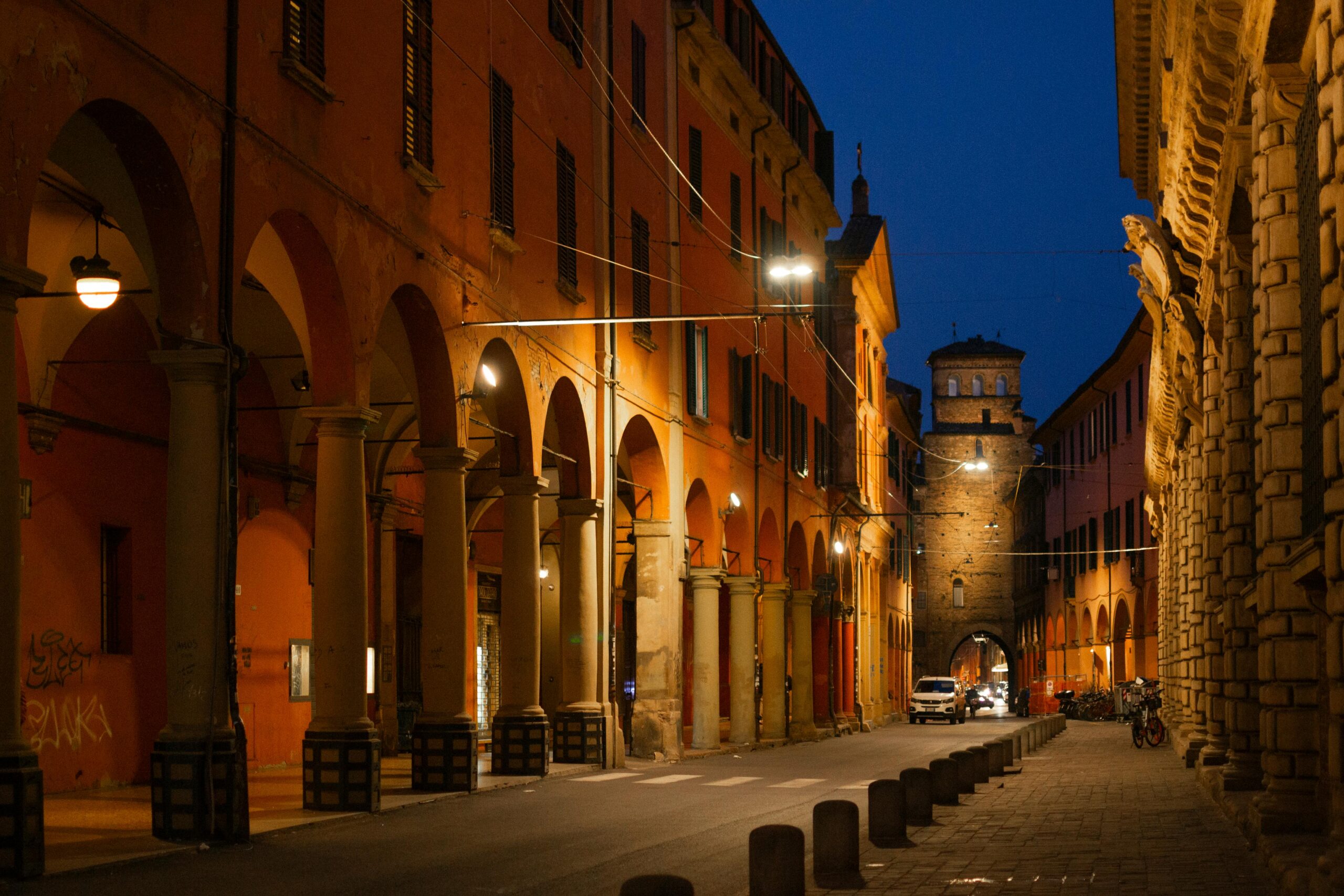
Summer brings long, lively evenings and a calendar full of festivals and concerts, but it’s also the hottest and busiest time. Daytime highs can exceed 30°C (86°F), and humidity in the Po Valley can make the heat feel more intense. Expect crowded streets, higher hotel rates and fuller restaurants, especially around the main tourist sites and the university area.
Despite the crowds, summer has distinct advantages: many events are scheduled outdoors, trattorie and gelaterie stay open late, and the overall atmosphere is celebratory. If visiting in July or August, book hotels early and consider early-morning or late-evening city walks to avoid the midday heat.
Autumn and festival season (September–November)
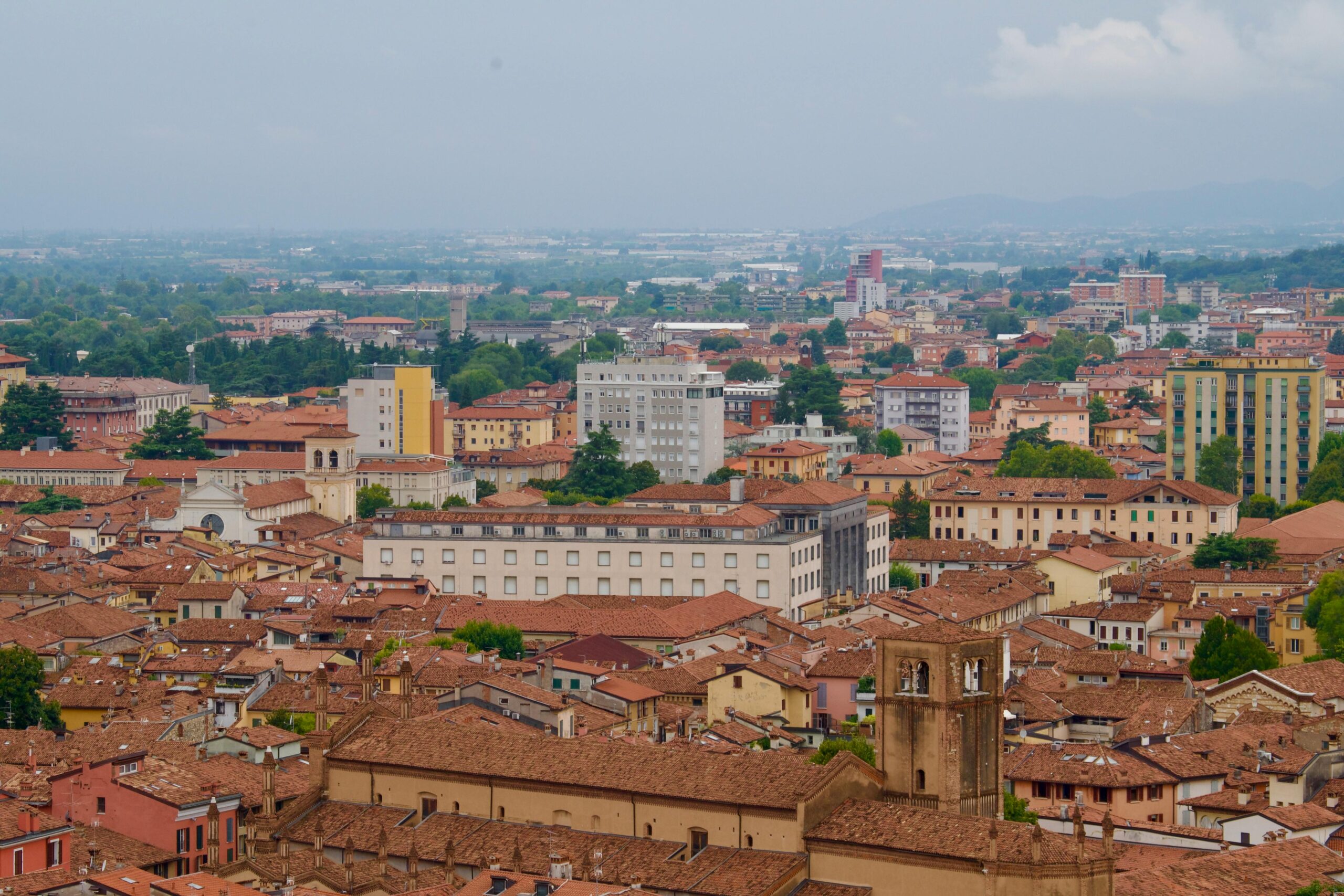
Autumn is another excellent window for Bologna. September often feels like a second spring: temperatures are mild and food-focused events celebrate the harvest. Local festivals spotlight cured meats, cheeses and wines from Emilia-Romagna—ideal for food-minded travelers.
October brings crisp air and beautiful foliage. Museum visiting becomes more comfortable and dining shifts toward hearty regional dishes such as tagliatelle al ragù and truffles from nearby hills. November can be wet and cooler, but it’s also when you’ll find great local produce in markets and lower accommodation prices compared with summer.
Winter: quieter streets and lower travel costs
Winter in Bologna runs from December through February and is the most economical season for many travelers. Temperatures commonly sit between 0–8°C (32–46°F), with occasional fog and rain. Snow is possible but not guaranteed.
Advantages of visiting in winter are clear: museums and major sights are far less crowded, you’ll find off-season hotel deals, and the city’s culinary scene offers warming seasonal specialties. If you don’t mind bundling up, winter provides an intimate, local-feeling Bologna.
Practical planning: weather, costs and tips for choosing dates
When selecting the best time to visit Bologna, consider three practical factors: typical Bologna weather for the months you’re considering, your tolerance for crowds, and Bologna travel cost. Shoulder seasons (April–June and September–October) often represent the sweet spot for all three.
- Weather: Check short-term forecasts before packing, and plan for layers—mornings and evenings can be cool even in summer.
- Costs: If you want lower prices on accommodations and fewer crowds, aim for January–March or late November. For more events and liveliness, accept higher rates in summer and around Easter or major Italian holidays.
- Events: Bookings can spike during festivals and university events. If you want to stay centrally and avoid last-minute surges, reserve lodging several months ahead for travel in May–September.
For an easy way to compare current accommodation options and read guest reviews, consider checking reputable booking platforms when planning your trip. Many travelers use resources like trusted hotel listings for Bologna to find neighborhoods and nightly rates.
Transport inside the city is compact: most attractions are walkable from the central station or main piazzas, and day trips to nearby towns are straightforward by train. If you’re planning trips into the Emilia countryside, factor in extra travel time for regional services.
What to pack and how to prepare
Packing for Bologna depends on the season. General recommendations:
- Spring/Autumn: layers (light sweater, waterproof jacket), comfortable walking shoes, an umbrella, and an adapter for electronics.
- Summer: breathable clothing, sunhat, sunscreen and a refillable water bottle for warm days.
- Winter: warm coat, scarf, waterproof footwear and insulating layers; indoor heating can be strong in hotels, so bring adaptable clothing.
Travel documents: carry a form of ID for reservations, keep a copy of your accommodation confirmation and, if you visit during busy months, book popular attractions or special dinners in advance. Bologna’s porticoes make walking pleasant in light rain, but heavy downpours can still disrupt plans—have a contingency indoor itinerary ready.
FAQs
What month has the best weather in Bologna?
Late May through June and September typically offer the best balance of mild temperatures and lower humidity. These months usually feature comfortable daytime weather ideal for walking and outdoor dining, with fewer extreme heat days than July and August.
When is Bologna most crowded?
Tourist crowds peak from late June through August and during major holidays such as Easter and the Christmas/New Year period. University events can also increase local activity in early autumn and late spring, so check academic calendars if you prefer quieter conditions.
Is Bologna expensive to visit?
Bologna travel cost depends on season and travel style. Summer and festival periods have higher accommodation rates; winter months generally offer the best deals. Dining in Bologna can range from affordable trattorie and market stalls to high-end restaurants—budget travelers can still enjoy local cuisine economically by choosing non-touristy eateries.
Are there many festivals in Bologna?
Yes. Bologna hosts a variety of cultural and culinary events throughout the year, including food festivals in autumn and music events during summer. Check local event calendars before booking to align your travel with festivals you’d like to attend or to avoid heavier crowds.
Should I book hotels far in advance?
If you plan to travel during peak months (June–August), weekends with major events, or during international holidays, reserve accommodations several months ahead. For off-season travel, you can often find good last-minute deals, though booking ahead still provides peace of mind for preferred neighborhoods.
Conclusion
The best time to visit Bologna depends on what you value most: late spring and early autumn for balanced weather and moderate crowds; summer for festivals and long evenings; winter for lower prices and quieter museums. By checking predicted Bologna weather for your chosen dates, considering Bologna travel cost for different months, and aligning your visit with local events when helpful, you can plan a trip that fits your interests and budget.
Whichever season you choose, allow time to savor Bologna’s culinary scene, stroll under the porticoes and explore nearby Emilia-Romagna towns. Planning with clear priorities—weather, crowd tolerance and cost—will make your visit both efficient and memorable.