The best time to visit Bucharest depends on what you want from Romania’s capital: warm sunny days for strolling parks and cafes, colorful autumn light for photography, or quiet streets and lower prices in winter. This guide breaks down seasons, crowds, costs and weather so you can pick the months that match your interests and budget.
Below you’ll find practical tips on Bucharest weather, the city’s tourist season, budgeting for accommodation and transport, and how to plan around festivals and public holidays. Whether you’re planning a short break or a longer stay, these insights will help you choose the ideal time to travel.
When to visit: an at-a-glance seasonal summary
Bucharest’s climate is continental: cold winters, hot summers and clear distinctions between seasons. In general, late spring (May–June) and early autumn (September) offer the best balance of pleasant Bucharest weather, fewer crowds and comfortable outdoor conditions for exploring neighborhoods like Lipscani, the Herastrau Park area and the city’s open-air markets.
Peak tourist season falls in July and August, when the city is busiest and temperatures can reach the high 20s to low 30s °C (80s–90s °F). If you want festivals, lively terraces and long daylight hours, summer is ideal; if you prefer cooler days for museum visits or photography without intense heat, aim for spring or early autumn.
Spring and early summer: the most recommended months
Mid-May through June is often the best time to visit Bucharest for most travelers. Trees and public gardens are in bloom, outdoor cafés open their terraces, and daytime temperatures typically range from the high teens to mid-20s °C (60s–70s °F). This window combines comfortable Bucharest weather with moderate crowds and active cultural programming—concerts, gallery openings and weekend street markets.
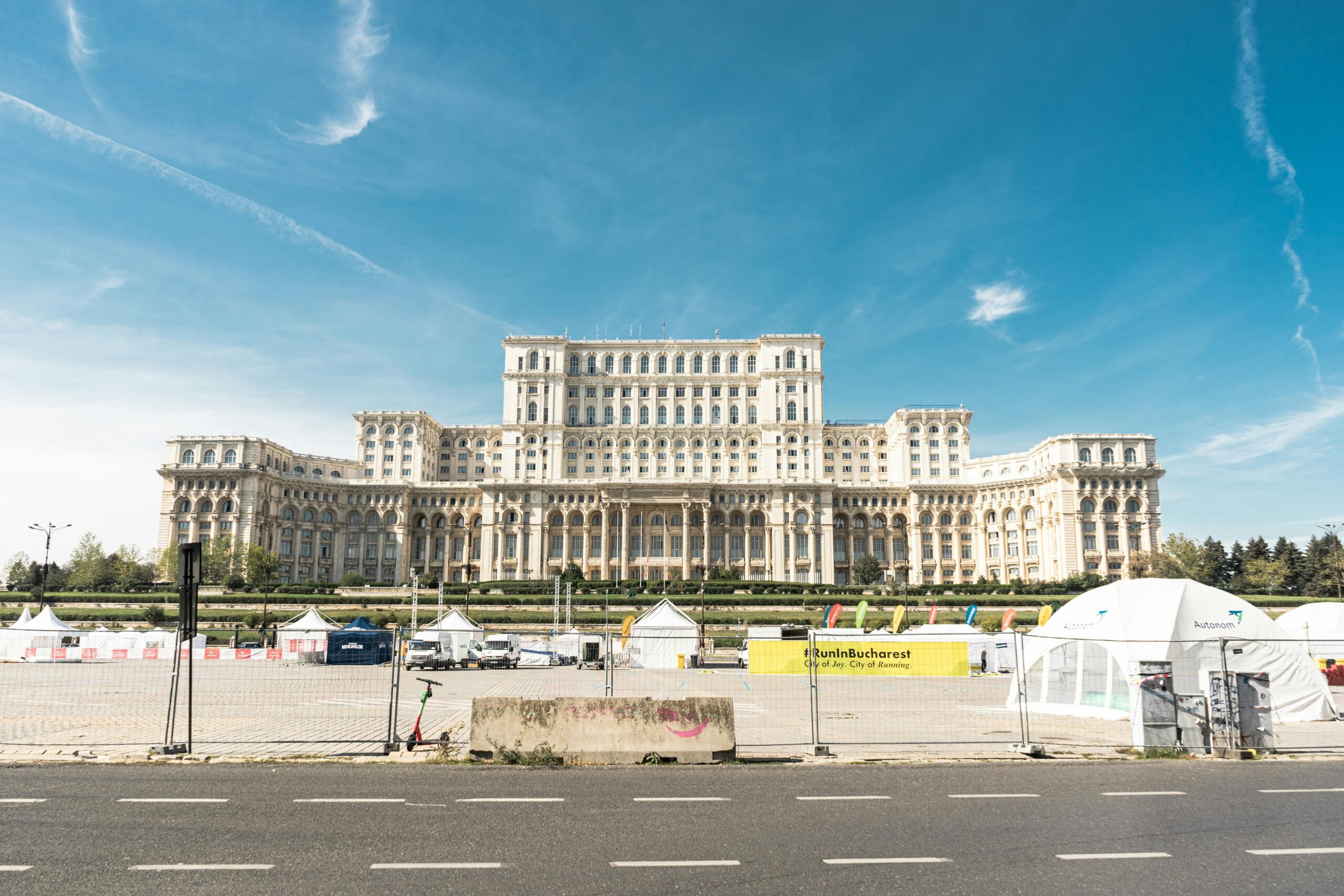
Spring is also convenient for walking tours and cycling along the Dâmbovița River. Because it sits outside the intense July–August tourist season, you’ll find fewer queues at attractions like the Palace of Parliament or the National Museum of Art, but still enough vibrancy for lively evenings. If you want to catch outdoor events such as film festivals or spring concerts, book a month or two in advance for popular weekend dates.
Summer and the peak tourist season
July and August are Bucharest’s tourist high season. Warm nights and long days make terraces busy, open-air events common and rooftop bars full. This is a lively time to visit if you love energetic city life, festivals and late-night dining. However, it’s also when prices for hotels can rise and popular attractions see their biggest crowds.
If your trip falls during summer and you prefer to limit spending or avoid waiting lines, consider arriving midweek, booking central accommodation early, and scheduling popular sites for first thing in the morning. For hotel searches and availability in Bucharest, many travelers compare options and read reviews before booking; you can browse hotels and user reviews for central neighborhoods to find a good match for your itinerary.
Autumn and shoulder-season benefits
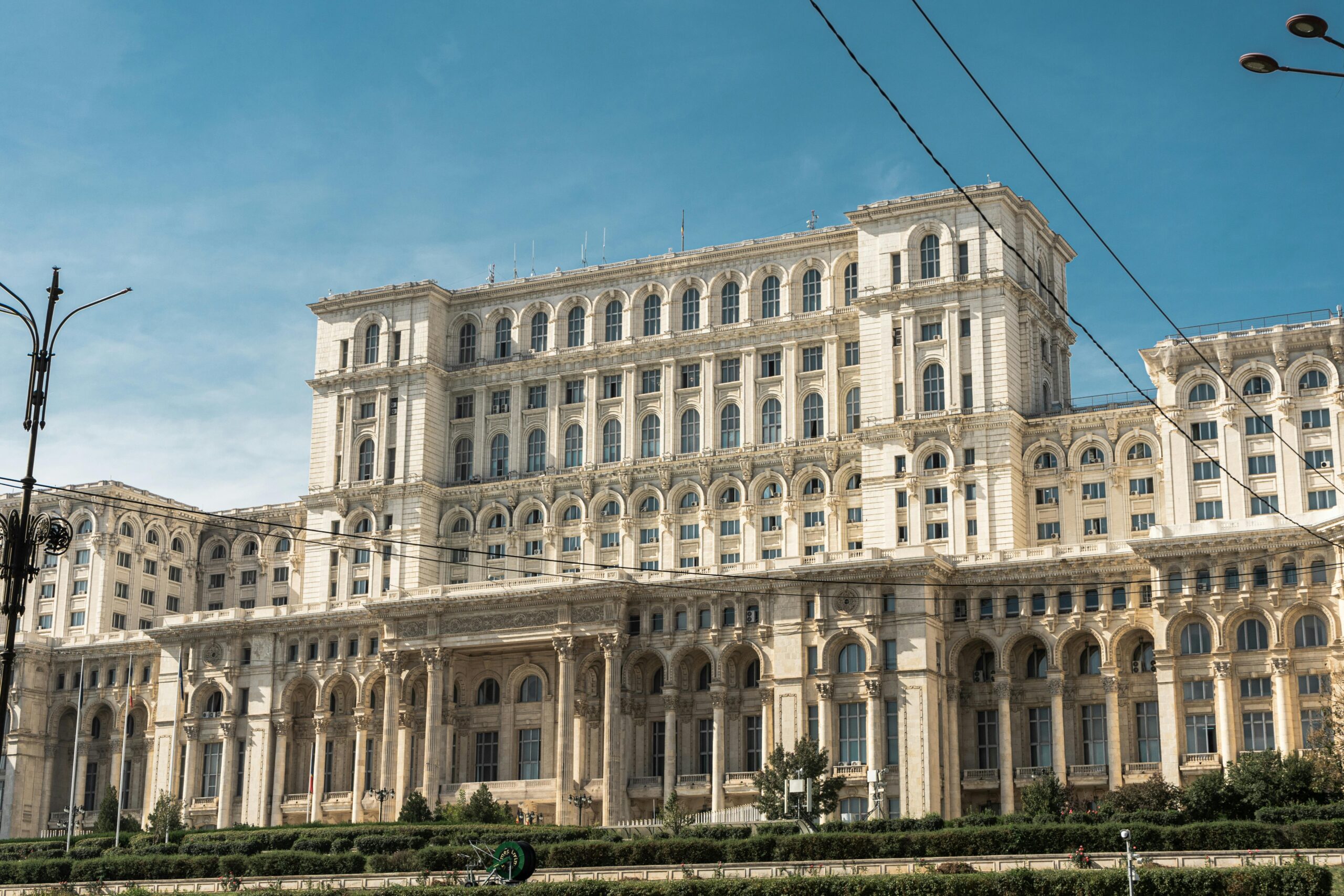
September and October are excellent shoulder-season months. Autumn brings golden light across the city’s parks—Cişmigiu and Herăstrău are particularly striking—and temperatures are comfortable for walking and photography. This period combines mild Bucharest weather with lower numbers of tourists than summer and often with extended cultural calendars (film, theater and food events).
Early autumn also tends to offer good value on flights and accommodation compared with July–August. If you want to pair city time with short countryside excursions (Peleș Castle, Bran Castle, or wine regions), autumn is a great choice because roads are less congested and harvest-related events make day trips rewarding.
Winter travel and low-season advantages
From late November through February, Bucharest is at its quietest. Winters can be cold—often dipping below freezing—so this season is best if you prioritize lower Bucharest travel cost, empty museums and reduced hotel rates. Festive light displays and the Christmas market in December add seasonal charm, and museum openings remain a reliable indoor option on colder days.
Keep in mind that snow and ice can affect transport schedules occasionally. If you travel in winter, pack warm layers, waterproof footwear, and allow padding in your schedule for slower transfers. Many boutique hotels and apartment rentals reduce rates in winter, so travelers on a tighter budget can get more value for the same level of comfort.
Bucharest travel cost: budgeting, accommodation and saving tips
Bucharest travel cost is generally lower than Western European capitals, but expenses vary by season. Expect higher nightly rates during July–August and around December holidays, with the best deals in late autumn and winter. To manage your budget consider booking lodging early for summer and using shoulder seasons for the best combination of price and pleasant weather.
Public transport and dining can be very affordable year-round. Trams, buses and the metro make it easy to keep local 이동 costs down; a multi-day transport card or reusable ticket will save time and money for multiple trips. When planning accommodation, compare central and slightly outlying neighborhoods—both offer different advantages. For up-to-date availability and pricing or to compare neighborhoods, you can check listings for a range of hotels and short-term rentals before making reservations.
Money-saving tips:
- Book outside peak months (July–August) to access lower nightly rates.
- Use public transportation and walk between central sights rather than taking taxis for each short trip.
- Eat at neighborhood bistros and markets for authentic meals at lower cost than tourist-heavy restaurants.
- Purchase city or museum passes only if you plan to visit multiple paid attractions; otherwise buy individual tickets.
Practical tips: packing, weather expectations and crowds
Pack with the season in mind. For summer, lightweight breathable clothing, a hat and sunscreen are essentials; for spring and autumn bring a light waterproof jacket and layers for fluctuating temperatures. In winter, insulated outerwear and sturdy shoes for icy sidewalks will make sightseeing more comfortable.
Consider these crowd and timing tips:
- Weekdays are quieter at museums and major sights; arrive early to avoid peak tour groups.
- Public holidays and local festivals increase hotel demand—check Romania’s holiday calendar if specific dates matter.
- Flexible travel dates let you take advantage of midweek flight and hotel bargains.
- For photography and walking tours, early morning and late afternoon offer the best light and fewer people.
Finally, check local event calendars for concerts, exhibitions and public demonstrations that could affect transport or access to certain areas—those events can be highlights or inconveniences depending on your plans.
FAQs
What month has the best weather in Bucharest?
Late May through June and September are typically the most comfortable months, with warm days and mild evenings. These periods avoid July–August heat spikes and winter cold, making them ideal for outdoor sightseeing and walking tours.
Is summer the busiest tourist season in Bucharest?
Yes. July and August are the peak tourist season when terraces, festivals and rooftop bars are lively. If you prefer fewer crowds and better prices, choose spring or early autumn instead.
How much should I budget per day in Bucharest?
Daily costs vary by travel style. Budget travelers can manage on modest sums using public transport and affordable restaurants; mid-range travelers should budget for comfortable hotels, occasional taxis and paid attractions. Costs are higher during July–August and around holidays.
Can I visit Bucharest in winter?
Absolutely. Winter offers lower prices, quieter museums and festive markets. Be prepared for cold weather and occasionally slower transport due to snow or ice, and plan indoor activities alongside outdoor walks.
Are there months to avoid because of poor weather or closures?
There aren’t months you must strictly avoid, but late December to February can be very cold with shorter daylight hours. Some seasonal attractions or outdoor venues may have reduced hours outside peak season, so check opening times in advance.
Conclusion
Choosing the best time to visit Bucharest depends on whether you prioritize mild Bucharest weather, lower Bucharest travel cost, or lively summer events. For most travelers seeking a balance, late spring and early autumn stand out as the most pleasant times—good weather, manageable crowds and active cultural life. If budget and quiet streets are your priority, winter delivers the best value. Whatever season you pick, plan a flexible itinerary, check local event calendars, and book accommodation early for peak dates to make the most of your visit.