Deciding the best time to visit Budapest depends on what you want from the trip: warm sunny days for sightseeing, lively festivals, or quieter streets with lower prices. This guide lays out seasonal patterns, month-by-month tips, crowd trends and budgeting advice so you can pick the ideal window for your trip.
Information here draws on official tourism data and typical weather patterns to give practical, up-to-date guidance for planning. Use the sections below to match your priorities — whether that’s avoiding peak crowds, catching thermal baths on a crisp day, or timing your visit for festivals and good value.
Quick answer: When to go and why
For most travellers the best trade-off between pleasant weather, manageable crowds and reasonable prices is late spring (May–early June) and early autumn (September–October). During these months you’ll usually find comfortable temperatures, fewer tourists than mid-summer, and most attractions fully open.
If you want a short summary: aim for May or September for outdoor activities and sightseeing, December for festive markets and winter charm, and July–August only if you prefer long daylight hours and a lively festival scene despite larger crowds and higher costs.
For a concise historical and geographic overview of the city, consult the city’s Wikipedia entry for background that can help you choose which neighborhoods or attractions to prioritize when you visit: Budapest on Wikipedia.
Seasonal highlights (spring, summer, autumn, winter)
Spring (March–May): Spring brings blossoming chestnut trees along the boulevards and warming temperatures. Museums and open-air cafés come back to life and hotel rates are typically below the summer peak. It’s a top pick for walking tours and riverfront photos.
Summer (June–August): Summer is festival season, with music, arts, and outdoor events across the city. Expect the warmest weather, long days and crowded attractions like Buda Castle and thermal baths. Book accommodations and popular activities in advance to avoid sold-out dates.
Autumn (September–November): Early autumn mirrors spring with mild temperatures and thinning crowds. Wine festivals and harvest events pop up in September and October, making this a good time for culinary travel. Late autumn gets chillier and rainier, so pack layers.
Winter (December–February): Winter draws visitors for Christmas markets, thermal baths, and cozy cafés. Temperatures can drop below freezing, but snowy days create a picturesque backdrop on the Danube and the castle district. Expect lower rates outside the holiday peak.
Month-by-month planner
Use this month-by-month guide to match weather, events and crowd levels to your interests and timing flexibility.
- January–February: Quiet, low prices outside the holidays. Cold with possible snow; thermal baths are especially atmospheric.
- March: Early spring, temperatures rise, fewer tourists than April. Museums and indoor attractions are comfortable.
- April–May: Warmer weather and blooming parks; ideal for walking, cycling and river cruises. May often has pleasant sunshine and mild nights.
- June: Start of summer crowds. Long days and festivals begin—good if you want lively street life.
- July–August: Hottest and busiest months. Book in advance; expect higher prices and lines at major sites.
- September: One of the best months — warm, comfortable, and crowds start to thin. Harvest festivals and cultural events are common.
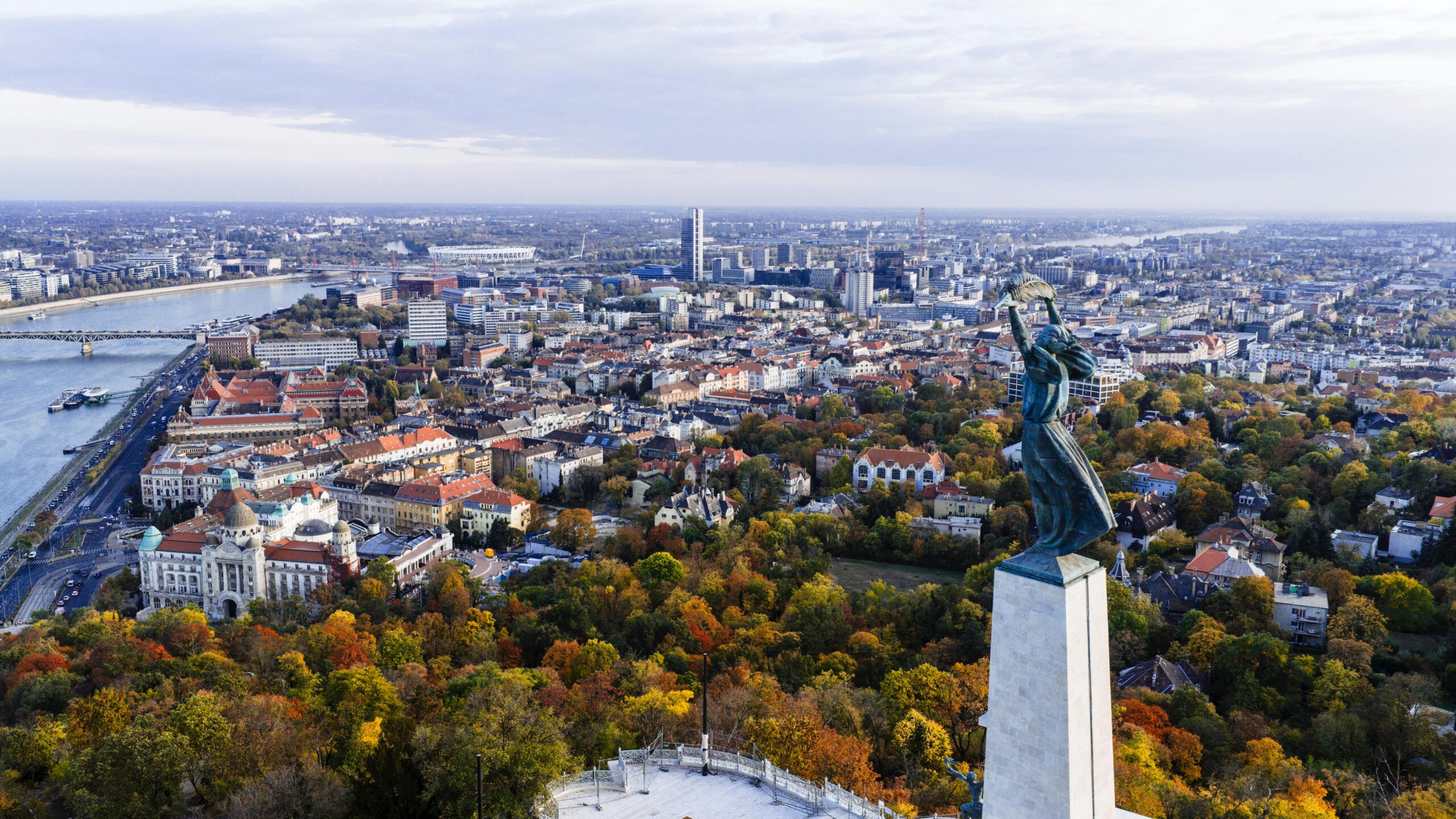
- October: Mild early in the month, then cooler; autumn colors add charm to parks and hillsides.
- November: Cooler, wetter, and cheaper. Indoor attractions and baths are appealing.
- December: Festive season with Christmas markets and lights, higher prices around holidays but magical atmosphere.
Understanding Budapest weather
Budapest has a continental climate: warm to hot summers and cold winters with occasional snow. Spring and autumn are transitional, offering comfortable conditions for walking and outdoor dining. For daily forecasts and seasonal historical averages to fine-tune packing and activity planning, check up-to-date data and long-term trends on reputable weather services like Weather.com.
Average temperature guide:
- Winter (Dec–Feb): averages around -1°C to 4°C (30–39°F)
- Spring (Mar–May): averages 7°C to 18°C (45–64°F)
- Summer (Jun–Aug): averages 18°C to 27°C (64–81°F)
- Autumn (Sep–Nov): averages 8°C to 19°C (46–66°F)
Expect summer thunderstorms occasionally, and bring a light waterproof layer for spring and autumn. When planning thermal bath visits, winter can be especially rewarding: warm outdoor pools against cold air are a highlight for many travellers.
Budapest tourist season: crowds and timings
“Budapest tourist season” peaks in July and August but strong visitor numbers start in late spring and continue into September. Cruise traffic on the Danube tends to add crowds around the central riverfront and bridges. Weekends draw local visitors too, so mid-week sightseeing can be calmer.
Key crowd tips:
- Avoid peak times at the most popular sites (early morning or late afternoon helps at Buda Castle and St. Stephen’s Basilica).
- Book timed-entry tickets for the largest museums and thermal baths during summer.
- Consider shoulder seasons (May, September) for a balance of open attractions and lower visitor density.
Festival calendars — including music, design and food events — influence crowd flows. If you plan to visit during major festivals, expect accommodation and attraction prices to rise and book in advance.
Budapest travel cost and budgeting
Budapest offers relatively good value compared with many Western European capitals, but costs vary by travel style and season. Peak-season rates for hotels and flights will increase noticeably in July–August and around Christmas markets.
Typical cost considerations:
- Accommodation: budget hostels and mid-range hotels are plentiful; boutique hotels in central districts cost more, especially in peak months.
- Food and drink: inexpensive local eateries and markets keep meal costs reasonable; fine dining and riverfront restaurants raise the bill.
- Transport: public transport and trams are affordable; taxis and rideshares add convenience but raise daily costs.
- Attractions: many museums have free or reduced days; thermal baths and Danube cruises are paid but reasonable relative to the experience.
To control Budapest travel cost, travel in shoulder months, book transport and accommodation early, and take advantage of transit passes or combined attraction tickets when available.
FAQs
What month has the best weather in Budapest?
Late May and September typically offer the most pleasant combination of warm, dry days and mild nights without the peak summer crowds. These months are ideal for walking tours, river activities and outdoor dining.
Is Budapest good to visit in winter?
Yes. Winter brings fewer tourists, lower prices and festive markets in December. While temperatures can be cold, thermal baths are especially enjoyable and the city takes on a charming winter atmosphere.
How busy is Budapest in July and August?
July and August are the busiest months with higher hotel rates, longer lines at major attractions, and lively festival activity. If you prefer a less crowded experience, choose shoulder seasons or weekdays for major sites.
Can I save money by visiting Budapest outside peak season?
Definitely. Visiting in late autumn (November) or early spring (March) reduces accommodation and flight costs. Some attractions may have shorter hours, so check opening times, but savings can be significant.
Do I need to book baths and tours in advance?
During peak months it’s wise to reserve popular thermal baths and guided tours in advance to secure preferred times. In shoulder or off-peak seasons you can often purchase tickets on arrival, though timed-entry options remain convenient.
Conclusion
Choosing the best time to visit Budapest comes down to whether you prioritize mild weather, low crowds, festivals, or budget savings. For the best overall balance, aim for late spring (May–early June) or early autumn (September–October). Winter offers a unique, cozy experience for those comfortable with cold weather, and summer brings the liveliest scene at the cost of higher prices and more crowds.
Use the month-by-month guide above along with your personal interests — festivals, thermal baths, sightseeing pace and budget — to pick the exact dates. With a little planning around seasonal patterns and booking strategies, you can tailor a Budapest visit that meets your expectations and makes the most of what this historic European capital has to offer.