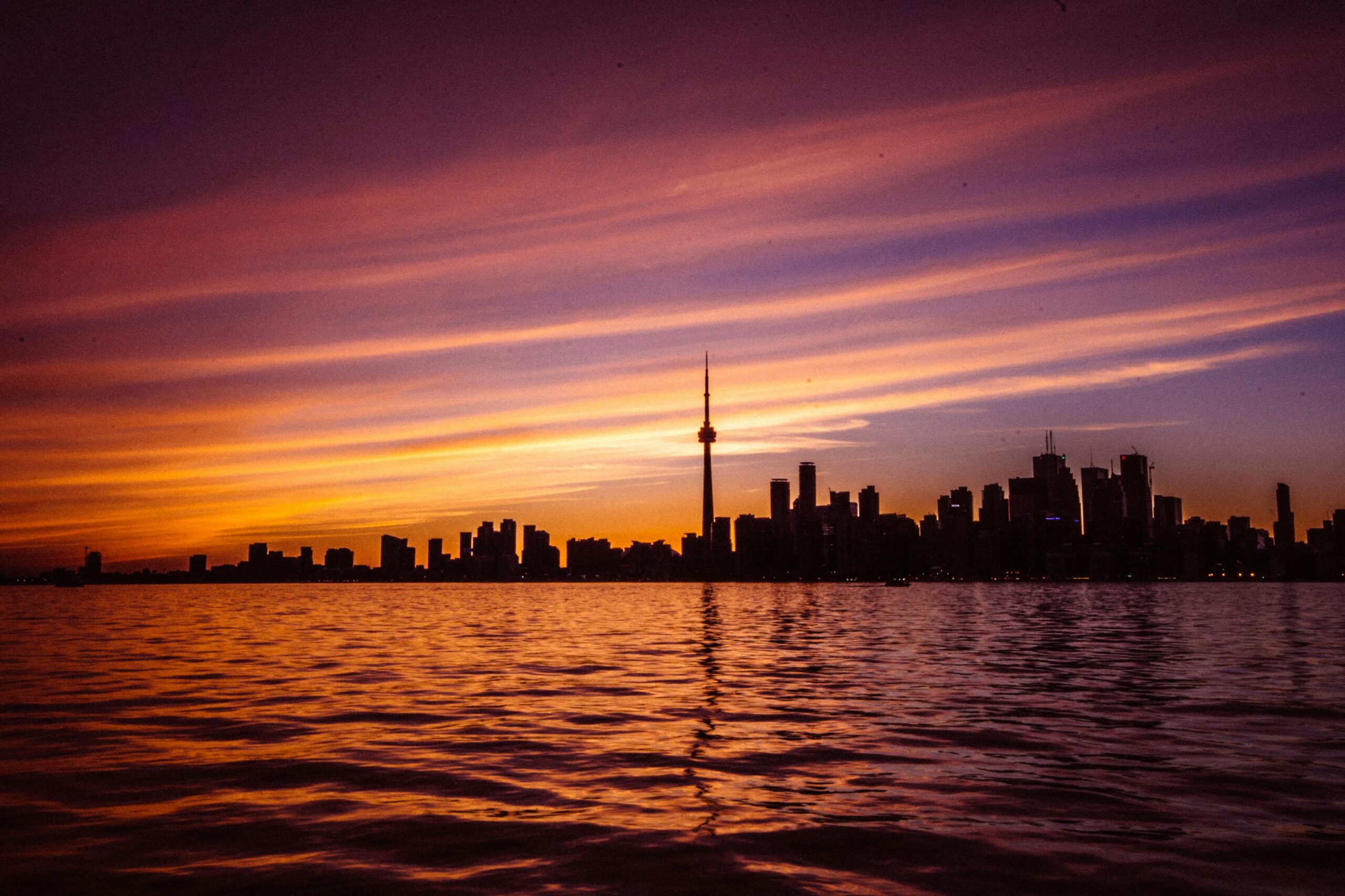
Deciding the best time to visit Canada depends on what you want to see and do: snowy mountain adventures and northern lights, vibrant fall foliage drives, whale-watching on the coasts, or warm-city festivals. This guide uses official climate data and tourism board guidance to help you choose the ideal month and region for your trip.
Below you’ll find a clear, month-by-month Canada weather by month travel guide, regional breakdowns, seasonal activity recommendations, practical packing tips, and a comparison table to simplify planning. Data reflects long-term climate records and visitor patterns from national weather authorities and tourism organizations.
When to Go: Seasonal Overview
Canada’s vast size creates dramatic regional and seasonal differences. Broadly, visitors choose from four travel seasons: winter (December–March), spring (April–June), summer (June–September), and fall (September–November). Each season has clear highlights and travel considerations across different provinces and territories.
Winter is iconic for skiing in British Columbia and Alberta, dog-sledding in the Yukon, and city winter festivals in Quebec and Ontario. Spring can be wet and changeable but offers quieter travel and emerging blooms. Summer brings long daylight hours, warm coastal breezes, and peak festival season. Fall is famous for crisp air and spectacular foliage in eastern Canada and the Laurentians.
Canada weather by month travel guide
This month-by-month overview summarizes typical conditions across broad regions: West Coast (Vancouver/Coastal BC), Interior & Rockies (Banff/Jasper), Prairies (Alberta/Saskatchewan/Manitoba), Central Canada (Ontario/Quebec), and the North (Yukon/NWT/Nunavut). Use it to match weather windows with planned activities.
January: Deep winter across most of Canada. Expect heavy snow and sub-zero temperatures inland and in the Prairies, while coastal BC is milder and rainy. Northern lights season is strong in the Yukon and NWT. Roads in mountain passes can be icy; winter tires and experience are essential.
February: Similar to January, with excellent conditions for winter sports. Quebec City’s Winter Carnival usually runs in February and draws visitors. Late winter is a prime time for aurora-viewing in northern regions.
March: Transition begins. Eastern Canada still has snow, but days lengthen. Ski resorts in the Rockies and BC typically retain good snowpack. Spring break travel increases to ski towns and family-oriented destinations.
April: Spring variability is high. Southern Ontario and Quebec start to show thaw, with muddy “mud season” possible. Coastal BC has early blooms and milder temperatures, making this a pleasant shoulder-season option.
May: Warmer and greener, May is a great spring shoulder month. Gardens and parks in cities like Vancouver, Toronto, and Montréal take on full bloom. Wildlife viewing ramps up—migratory birds return and whales start to appear off the coasts.
June: Start of summer conditions in most populated regions. Long days, moderate warmth, and low humidity in many areas. This is an excellent month for hiking in national parks before peak summer crowds and for cruising the Atlantic and Pacific coasts.
July: Peak summer—warmest month in most regions. Southern Ontario and Quebec can be hot and humid, while coastal BC enjoys comfortable temperatures. July is festival season across the country and ideal for road-tripping and exploring national parks.
August: Another warm month; ideal for beach time on the Great Lakes and for exploring Arctic cruises that depart in late summer from northern ports. Crowds and accommodation prices are highest during July and August, especially in popular national parks.
September: Early fall is a top recommendation for many travelers—warm days, cooler nights, and fewer crowds. Fall color starts in northern and high-elevation areas and later moves to the east. Fishing and hiking conditions remain excellent.
October: Fall foliage peaks in many eastern regions through mid-October; weather becomes crisper. Some mountain parks remain open for shoulder-season travel, but early snowfall can occur at high altitudes. City breaks benefit from lower prices.
November: Quiet shoulder month with variable weather. Northern lights viewing resumes as nights lengthen. Many tourist services in smaller towns scale back, so check seasonal schedules before traveling.
December: Holiday markets and winter festivals light up cities. Ski resorts in many regions open by mid-December, and holiday travel spikes around Christmas and New Year’s. Expect winter conditions on most inland roads.

Regional breakdown: Best months by area
Because “best time” varies dramatically by geography, here’s a regional breakdown to help align weather with activities you have in mind.
West Coast (Vancouver, Victoria): Best months are May through September for outdoor sightseeing and festivals. Winters are mild and rainy—great for off-season city travel and lower prices. For whale-watching and coastal hikes, late spring through early fall is ideal.
Rocky Mountains & Interior BC/Alberta (Banff, Jasper, Whistler): Winter (December–March) for skiing and snow sports; June–September for hiking, lakes, and wildlife viewing. Shoulder months (May and October) can offer solitude but check road and trail conditions.
Prairies (Calgary, Edmonton, Saskatoon, Winnipeg): Warm summers (June–August) with prairie wildflowers and open skies, while winters are very cold with snow. Stampede season (Calgary Stampede in July) is a major draw.
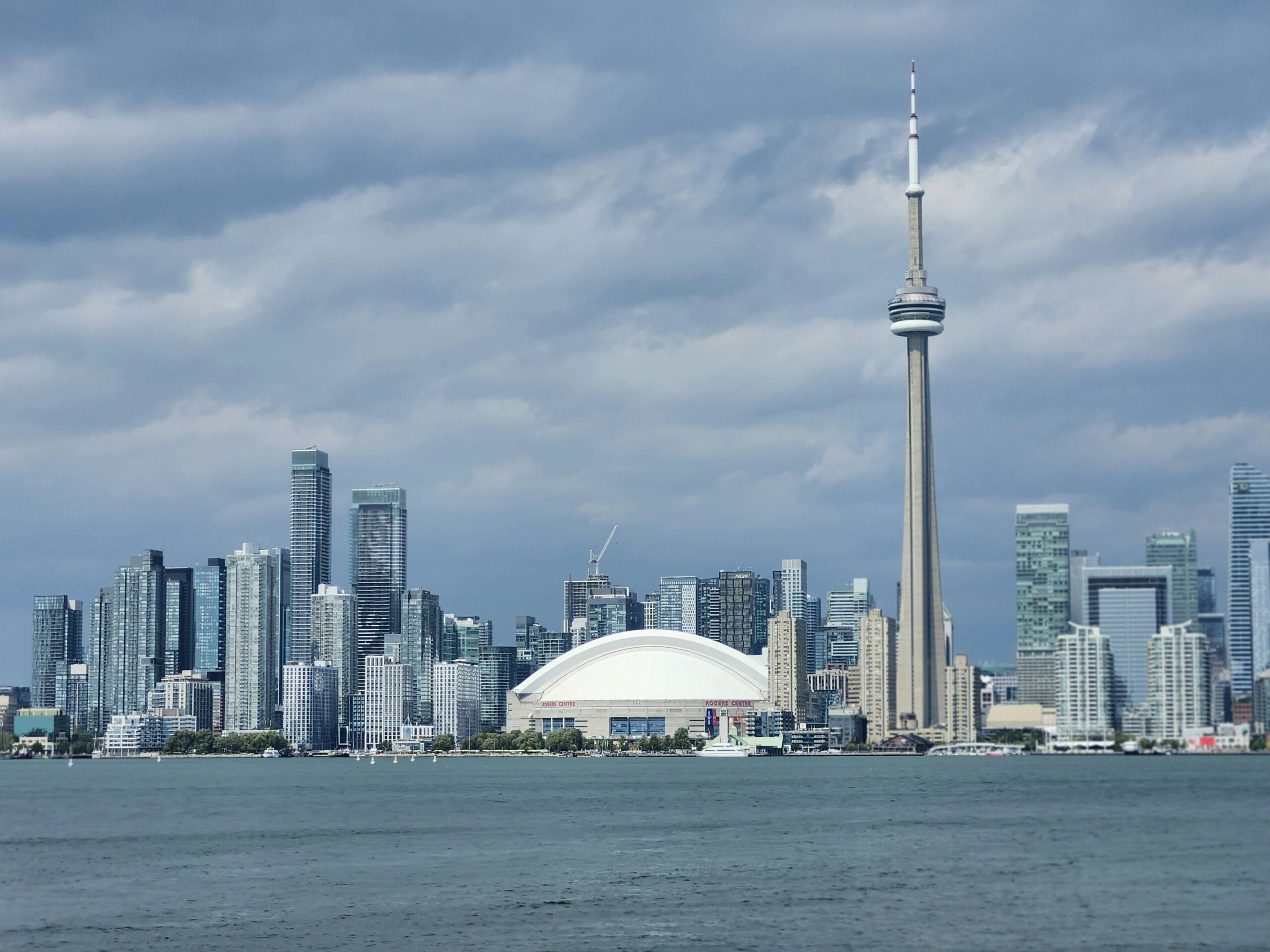
Central Canada (Toronto, Ottawa, Montréal, Québec City): Summer (June–August) for festivals, patios, and long daylight. Fall (September–October) brings spectacular color in Québec and Ontario. Winters are cold and snowy—ideal for winter carnival experiences in Québec City.
Atlantic Canada (Halifax, Cape Breton, Newfoundland): Late spring through early fall (May–September) is best for coastal drives, whale-watching, and seafood festivals. Summers can be pleasantly cool; fall offers dramatic coastal weather and fewer crowds.
The North (Yukon, Northwest Territories, Nunavut): Best access is late June through September for road and cruise travel, with optimal wildlife and landscape viewing. For aurora chasers, October–March is prime, but winter conditions are harsh and services more limited.

Activities and events by season
Match the season to your top activities to find the true “best time” for your trip:
- Winter sports and festivals: December–March. Best for skiing, snowboarding, ice skating, snowshoeing, and events like Québec City Winter Carnival and Toronto’s winter activities.
- Hiking and alpine lakes: June–September. Trails are generally snow-free by mid-June in the Rockies; alpine wildflowers peak in July.
- Wildlife and birding: Spring and fall migrations (May and September) and summer for whale-watching on both the Atlantic and Pacific coasts.
- Northern lights: October–March for darkest skies, though cloud cover and local weather matter; late winter offers long, clear nights in many aurora hotspots.
- Fall color drives: Mid-September to mid-October in eastern Canada and higher elevations across the country.
- Festivals and city culture: Summer months for most major festivals, including music, food, and cultural events in Toronto, Montréal, and Vancouver.
For accommodation and activity bookings during peak travel windows, consider searching options early to secure the best locations and rates; many travelers use reputable booking platforms to compare stays and read recent reviews.
Search accommodation options for Canada on Booking.com
Practical travel tips and packing checklist
Traveling across varied climates means packing smart. Layering is essential—temperatures can swing widely between morning and evening and across elevations.
- Essentials: Warm base layers for winter, breathable layers for summer, waterproof outerwear for coastal and spring travel.
- Footwear: Insulated boots for winter, waterproof hiking shoes for spring/fall, comfortable city shoes for summer walking.
- Driving: If renting a car in winter, ensure the vehicle has winter tires. Mountain passes can be closed or require chains during heavy snow.
- Wildlife safety: Carry bear spray in black bear and grizzly territories, take precautions when hiking, and follow park guidance.
- Health and border: Check entry requirements, travel insurance options, and availability of services in remote regions before departure.
- Connectivity: Remote northern areas may have limited cell coverage—download maps and important documents in advance.
For the most accurate local forecasts and climate normals used to plan safe travel windows, consult official weather services and regional tourism boards before booking or finalizing itineraries.
Check official forecasts from Environment Canada
Comparison table: Seasons and recommended regions
| Season | Best Regions | Highlights | Considerations |
|---|---|---|---|
| Winter (Dec–Mar) | Rockies, Quebec City, Yukon | Skiing, festivals, northern lights | Cold temps, road conditions, shorter daylight |
| Spring (Apr–Jun) | Coastal BC, Atlantic Canada | Blossoms, fewer crowds, migrating wildlife | Unpredictable weather, mud season in some areas |
| Summer (Jun–Aug) | Across Canada | Warm weather, festivals, hiking, beaches | Peak prices and crowds in national parks |
| Fall (Sep–Nov) | Eastern Canada, Highlands | Foliage, cooler temps, shoulder-season deals | Shorter days; some services reduce hours |
How to choose the best time based on interests
Use these quick pairings to match interests with months:
- Skiing & apres-ski: December–March in the Rockies and British Columbia.
- Hiking & alpine lakes: Late June–September in Banff, Jasper, Yoho, and Kootenay.
- City culture & festivals: June–August in Toronto, Montréal, Vancouver.
- Fall leaf-peeping: Mid-September to mid-October, especially in Ontario and Québec.
- Whale-watching & coastal wildlife: May–September on both coasts.
- Northern lights viewing: October–March in Yukon and Northwest Territories.
Factor in crowd levels and price sensitivity: if you prefer lower prices and fewer tourists, travel in shoulder seasons (May–June and September–October) where weather is still favorable for many activities.
FAQs
What is the warmest month in Canada?
July is typically the warmest month across most of Canada, with peak summer temperatures in southern Ontario, the Prairies, and interior BC. Coastal regions like Vancouver tend to be cooler and more temperate.
When is peak foliage season in eastern Canada?
The peak fall foliage window in eastern Canada usually falls between mid-September and mid-October, with timing varying by elevation and latitude—northern and high-elevation areas change color earlier than southern lowlands.
Is driving in Canada safe during winter?
Driving can be safe in winter with proper preparation: equip your vehicle with winter tires, allow extra travel time, check road reports, and know how to drive on snow and ice. Some mountain routes may require additional precautions or closures during storms.
When can I see the northern lights in Canada?
The best months for viewing the aurora are generally October through March, when nights are longest and skies are darkest. The Yukon, Northwest Territories, and parts of northern Manitoba and Nunavut offer some of the most reliable aurora viewing locations.
Are national parks crowded in summer?
Yes—major national parks like Banff, Jasper, and Gros Morne are busiest in July and August. To avoid crowds, visit in early June or September, arrive early in the day, or explore less-visited parks and trails.
Conclusion
There’s no single best time to visit Canada—only the best time for your interests. Use this guide to match activities and regions with seasonal conditions: winter sports and auroras in the cold months, festivals and hiking in summer, and shoulder seasons for fewer crowds and pleasant weather. Consult official forecasts and regional tourism information when finalizing dates, and book popular accommodations early for peak months.
With careful planning—considering weather patterns, activities, and regional differences—you can pick the ideal time to experience Canada’s broad landscapes and vibrant culture.