Deciding the best time to visit Caribbean islands depends on what you want from sun, sand and sea. The best time to visit Caribbean is generally during the dry season—when humidity is lower, rainfall is minimal and trade winds keep temperatures comfortable—but the region’s wide geography and seasonal weather patterns mean “best” can vary by island and traveler priorities.
This caribbean weather by month travel guide uses climate data and official tourism board guidance to help you choose the ideal window for beach days, snorkeling, festivals and lower prices. Read on for a clear month-by-month breakdown, regional differences, practical travel tips and a comparison of peak and off-peak seasons to plan your trip with confidence.
When is peak season and why it matters
Peak tourist season in the Caribbean generally runs from mid-December through mid-April. This corresponds with winter in North America and Europe, when visitors seek sunshine and escape colder climates. During these months islands report the warmest demand for accommodations, higher airfares and more crowded beaches, but thankfully the weather is usually at its driest and steadier.
Peak season delivers reliable beach weather, lower rainfall and less humidity; however, if you prefer quiet hotels, lower prices and empty beaches, consider shoulder seasons in late spring or autumn. Each choice involves trade-offs between cost, crowd levels and the probability of rain or tropical storms.
Month-by-month climate summary for planning
Below is a straightforward month-by-month snapshot focused on average temperatures, rainfall trends and travel considerations. Use this as a quick reference to align your travel priorities—sun, festivals, marine visibility or budget—with expected weather patterns.
January–March: Coolest and driest months for much of the Caribbean. Daytime highs typically range 25–29°C (77–84°F). These are top months for beach activities, diving and sailing, with lower chance of storms.
April–June: Transition months with rising temperatures and increasing rainfall late in the period. April is a popular shoulder month with many islands enjoying warm, pleasant weather and fewer crowds. May and June bring more humidity and scattered showers but still a lot of sunny periods.
July–August: Warm and humid; trade winds can moderate heat on many islands, but expect more frequent short afternoon downpours. This period overlaps with school holidays, so family travel demand rises.
September–November: Historically the wettest months and peak of the hurricane season (August through October). September often records the highest rainfall and the greatest storm risk. November starts to dry out, and late November is a good time for lower prices once the main storm window closes.
December: Weather becomes more stable and dry again, with cooler evenings and prime conditions for holiday travel. Booking early is wise if you plan to travel during the Christmas and New Year period.

Regional differences: Eastern, Western and Southern islands
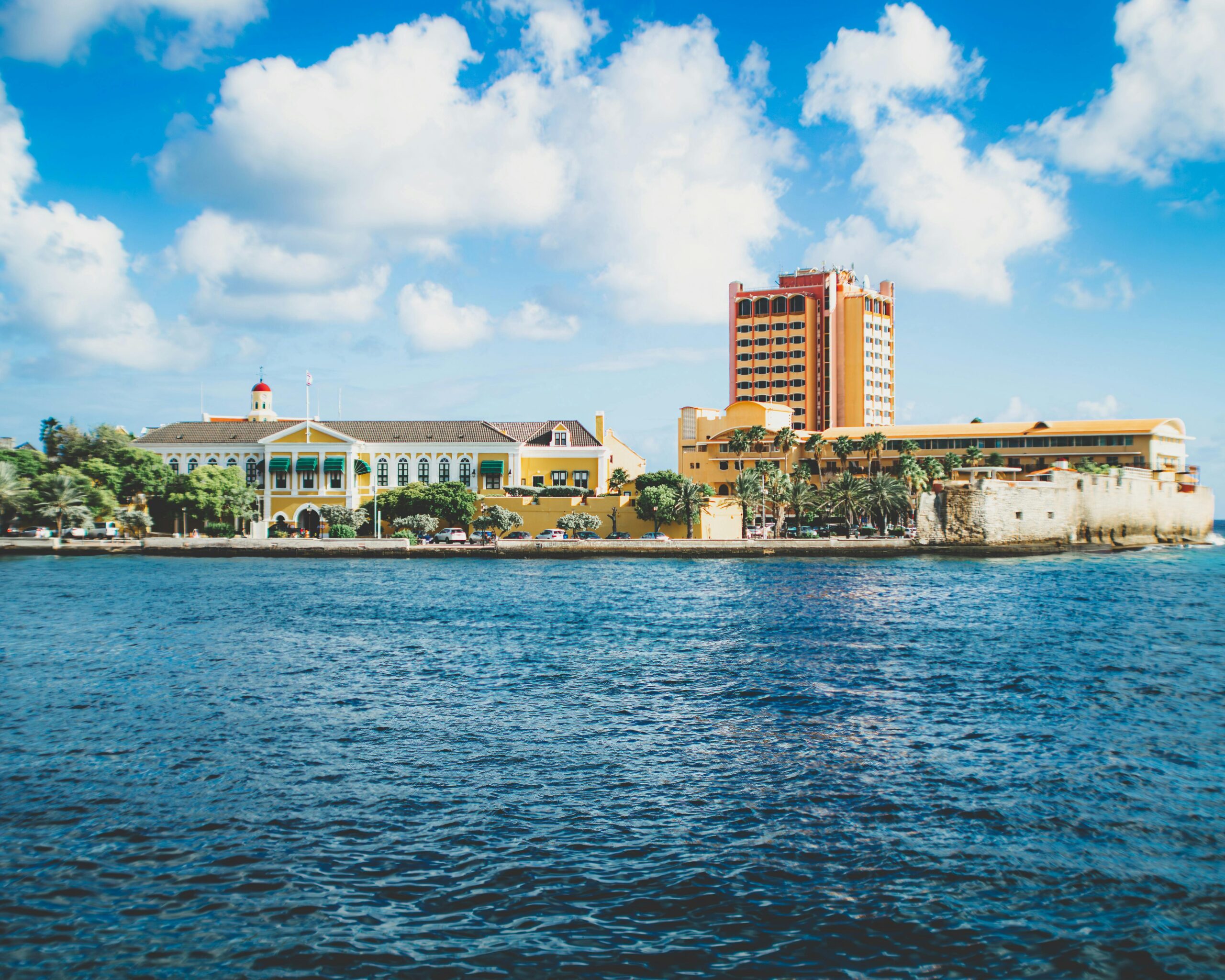
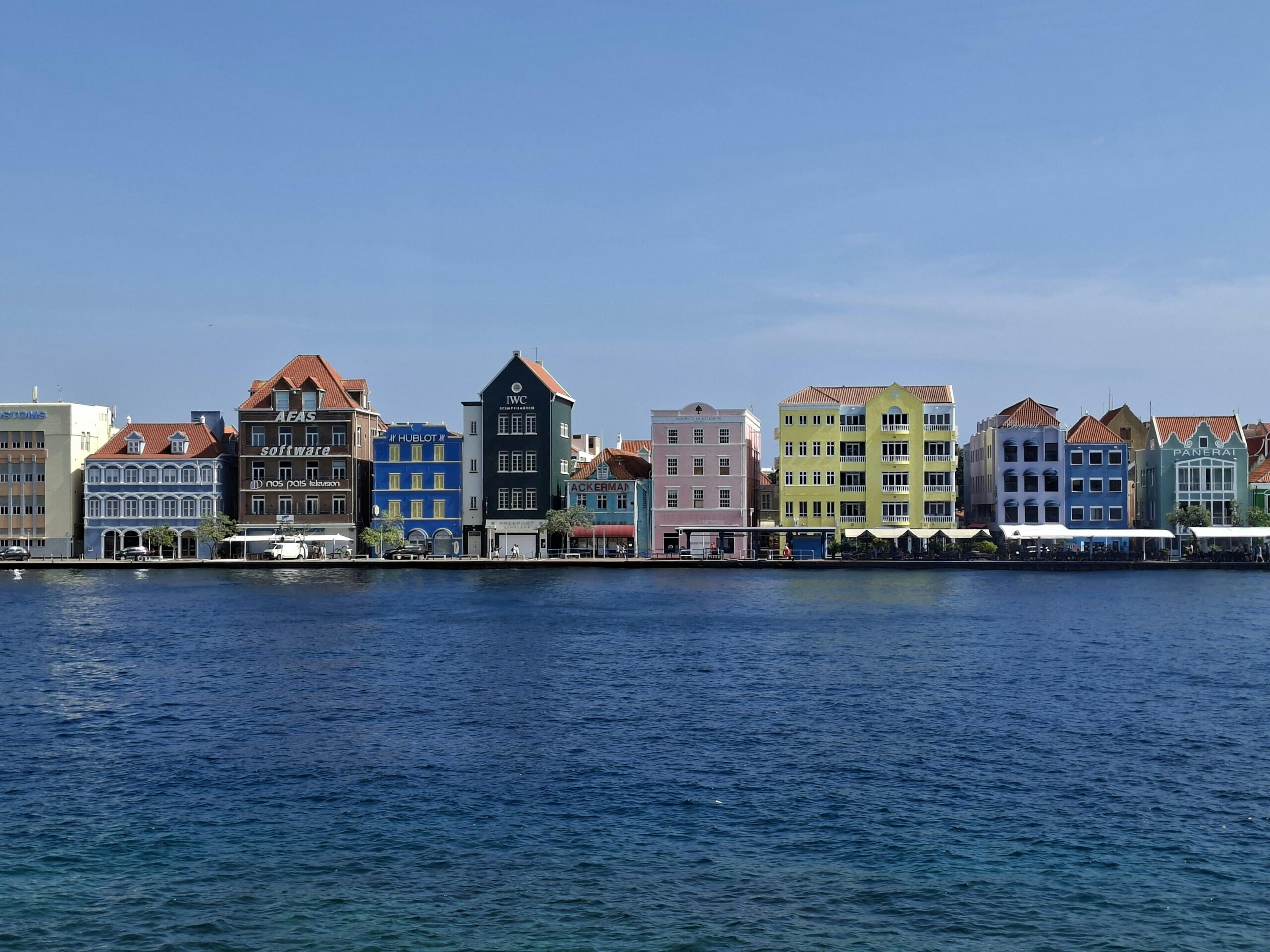
The Caribbean is not uniform. The eastern islands (e.g., Barbados, Antigua) receive more direct trade winds and often have drier microclimates on windward sides. The western Caribbean (e.g., Jamaica, Cayman Islands) tends to be warmer with more variable rainfall patterns. Southern islands such as Aruba, Bonaire and Curaçao lie outside the main hurricane belt and remain relatively dry year-round.
If avoiding storms is your priority, consider the southernmost ABC islands where arid conditions and consistent sunshine lower storm exposure. By contrast, islands in the central and northern Caribbean can be spectacular for diving and cultural festivals but carry a higher hurricane-season risk.
Boat charters, island-hopping and water sports also vary by region: calmer waters in protected bays of some western islands are ideal for families, while eastern exposures offer stronger winds that attract kiteboarders.

Detailed travel tips by season
Dry season (mid-December to mid-April): Book accommodations and flights early. Pack a light sweater for cool evenings and rely on breathable fabrics for daytime heat. If you plan to attend major festivals or holiday events, confirm local schedules months in advance.
Shoulder seasons (April–June, late November–early December): These are attractive windows for lower prices and manageable weather. Expect fewer crowds and find deals on tours. Bring a light rain jacket for isolated showers and plan a mix of indoor and outdoor activities.
Wet season and hurricane season (June–November): Travel during these months can be economical but requires flexibility. Purchase travel insurance that covers storms, monitor weather advisories, and build contingency plans (alternate travel dates, refundable bookings). If you travel in this period, targeting late November or islands outside the hurricane belt reduces risk.
Comparison table: choosing the right time for your priorities
| Priority | Best Months | Pros | Cons |
|---|---|---|---|
| Sun & Beach | Dec–Apr | Low rainfall, pleasant temperatures | Higher prices, busy resorts |
| Budget Travel | May–Jun, Sep–Nov | Lower rates, fewer crowds | Higher storm risk, variable weather |
| Water Sports (wind) | Dec–Apr | Steady trade winds, ideal for kitesurfing | Popular, may need advance bookings |
| Diving & Snorkeling | Feb–May | Good visibility, calmer seas | Peak season prices in some areas |
| Festivals & Culture | Feb–Mar (Carnival season varies) | Rich local events, music and food | Crowds and sold-out accommodations |
Practical planning: bookings, insurance and packing
Book accommodations and inter-island flights with flexible cancellation policies if you travel during the shoulder or hurricane season. For island hotel and resort options, consider comparison shopping on major booking platforms to find seasonal deals and clear cancellation terms; for example, a widely used booking resource lists regional accommodation options and last-minute availability for Caribbean hotels and resorts.
Travel insurance is essential if you travel during hurricane season. Look for policies that include trip cancellation and interruption for named storms and coverage for unexpected evacuations or delays. Keep copies of insurance and local emergency numbers on your phone and offline.
Packing tips: lightweight clothing, reef-safe sunscreen, a reusable water bottle, insect repellent for wetter months, and a compact rain jacket. If you plan diving or snorkeling, bring your own mask for hygiene and fit; otherwise, rent equipment from reputable operators. For islands with cooler evenings, include a light sweater.
Best islands by month and activity
To match island choice with your preferred activities, here are practical pairings based on month:
- December–March: Barbados and Antigua for beach festivals and calm seas; St. Lucia for scenic hikes with manageable rainfall.
- April–June: Cayman Islands and Turks & Caicos offer excellent diving visibility in late spring and fewer crowds.
- July–August: Family-friendly resorts in the Bahamas or Jamaica, with many organized kids’ programs.
- September–October: Aruba, Bonaire and Curaçao are good options because they sit outside the main hurricane belt and stay relatively dry.
- November: Puerto Rico and the Dominican Republic often have quieter tourism and improving weather toward the end of the month.
For operational planning—such as arranging guided excursions, dive trips and charter boats—contact operators in advance and confirm weather-related refund policies. Local operators can also advise on microclimates and the best nearby dive or surf spots for the exact dates you plan to travel.
FAQs
What is the absolute safest month weather-wise to travel in the Caribbean?
Late January through March typically offer the most stable weather across much of the Caribbean: cooler evenings, lower humidity and minimal rainfall. These months sit outside the hurricane season and generally provide predictable conditions for beach activities and boating.
Can I expect hurricanes if I travel between June and November?
Hurricane season runs from June 1 to November 30, with the highest risk historically from August to October. This does not mean a hurricane will occur each year, but the probability increases during that window. If you travel then, monitor forecasts, secure flexible bookings and consider islands outside the primary hurricane belt for lower exposure.
Are there Caribbean islands that stay dry year-round?
Some southern Caribbean islands—most notably Aruba, Bonaire and Curaçao—have an arid climate and remain drier year-round. These islands are outside the main hurricane belt, making them a reliable choice if avoiding storms and seeking consistent sunshine is a priority.
When is the cheapest time to travel to the Caribbean?
The least expensive travel periods are typically during the shoulder months (May–June and September–November) and parts of the wet season. During these times you’ll find lower room rates and airfare, but weigh savings against the increased chance of showers or tropical storms.
How far in advance should I book flights and hotels?
For peak season travel (mid-December to mid-April), book flights and accommodation several months in advance—often 3–6 months for popular islands and holiday weeks. For shoulder seasons, booking 4–8 weeks ahead can secure good deals and availability without the premium pricing of peak months.
Conclusion
Choosing the best time to visit Caribbean depends on your priorities: ideal weather and festivals favor mid-December to mid-April, while budget-conscious or flexible travelers may prefer shoulder months for lower prices and fewer crowds. Use the month-by-month overview and regional notes to align activities—diving, sailing, family trips or wind sports—with expected conditions.
Before you finalize travel plans, check climate summaries from official weather authorities and local tourism boards for the islands you plan to visit, confirm flexible booking and insurance for travel during the wet season, and use reliable accommodation platforms to compare options and cancellation policies. If you prefer to research and book a range of properties across the region, many travelers consult major accommodation listings to compare availability and user reviews for official weather guidance. With careful timing and preparation, you can enjoy Caribbean sun and sea during the months that fit your travel style and comfort level.