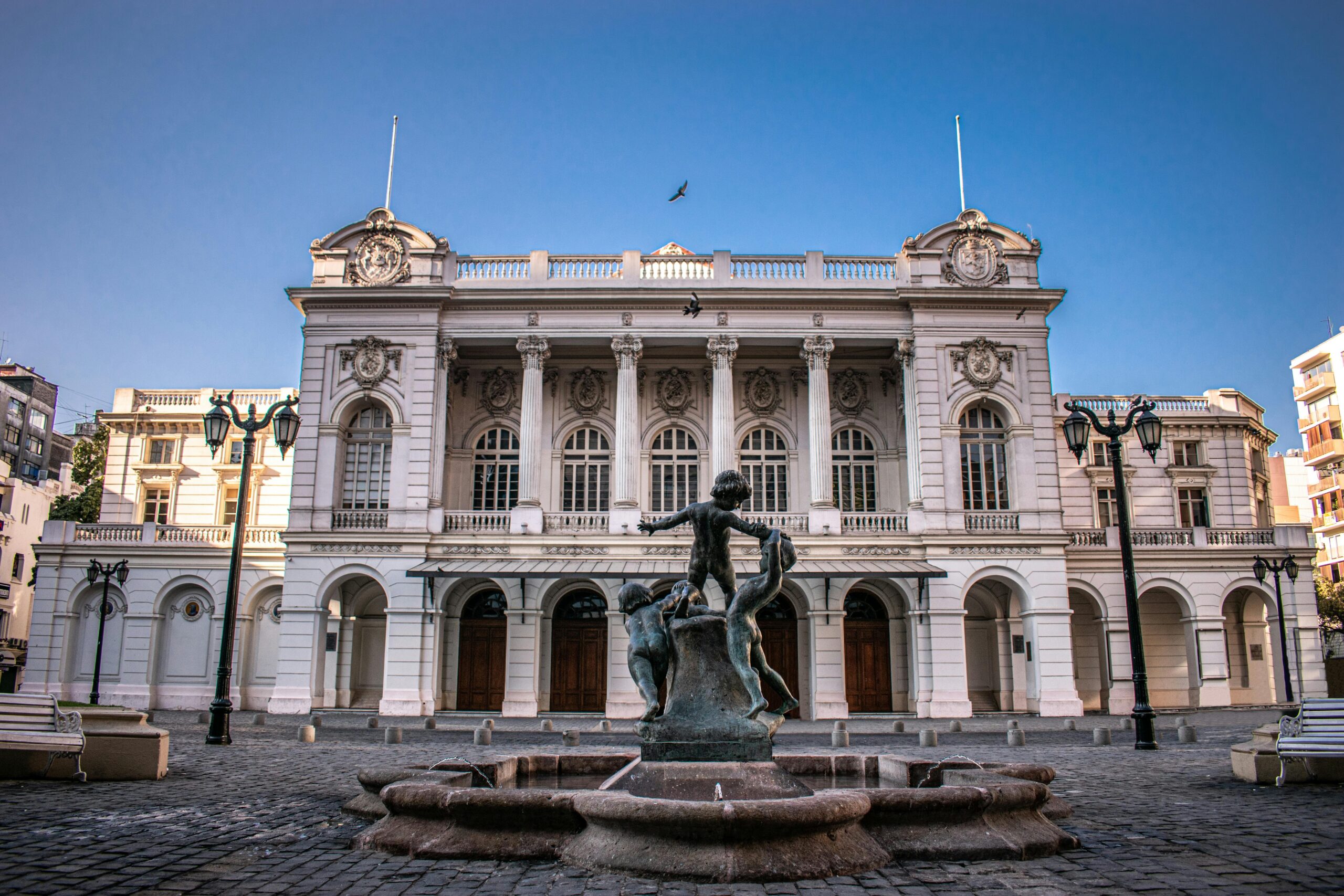
Planning a trip to South America and wondering about the best time to visit Chile? This long, narrow country offers an incredible range of climates and landscapes, from the arid Atacama Desert in the north to the windswept fjords and glaciers of Patagonia in the south. Understanding Chile weather by month is essential for making the most of your journey, whether you’re seeking outdoor adventures, cultural experiences, or breathtaking natural beauty.
Chile’s unique geography means that its weather patterns vary dramatically from region to region. To help you decide when to travel, this comprehensive guide draws on official climate data and tourism board recommendations. Discover the ideal season for your interests, compare regional highlights, and get practical tips for every traveler.
Understanding Chile’s Climate Zones
Chile stretches over 4,000 kilometers from north to south, encompassing several distinct climate zones. In the north, the Atacama Desert is one of the driest places on Earth, while central Chile enjoys a Mediterranean climate with warm, dry summers and mild, wet winters. The south features a temperate rainforest climate and the dramatic landscapes of Patagonia, where weather can be unpredictable year-round.
This diversity means that the best time to visit Chile depends on your chosen destinations and activities. While one region may bask in sunshine, another might be experiencing rain or snow. Understanding these climate zones is key to planning your ideal trip.
Chile Weather by Month: A Regional Travel Guide
Chile’s weather changes not only by latitude but also by altitude, especially in the Andes. Here’s a month-by-month breakdown to help you decide when to visit each region:
- January–March: Peak summer in Chile. The north is hot and dry, perfect for exploring the Atacama. Central Chile enjoys beach weather, while Patagonia is at its warmest and most accessible.
- April–June: Autumn brings cooler temperatures and vibrant foliage to central Chile. The north remains pleasant, but Patagonia begins to see more rain and wind.
- July–September: Winter arrives, with snow in the Andes—ideal for skiing. Central and southern Chile are cooler and wetter, while the north stays mild.
- October–December: Spring sees wildflowers bloom in Patagonia and the Lake District. The weather warms up across the country, making it a great time for outdoor adventures.
For more detailed climate data by region, the official tourism board and weather authority provide up-to-date information to help you plan your trip.
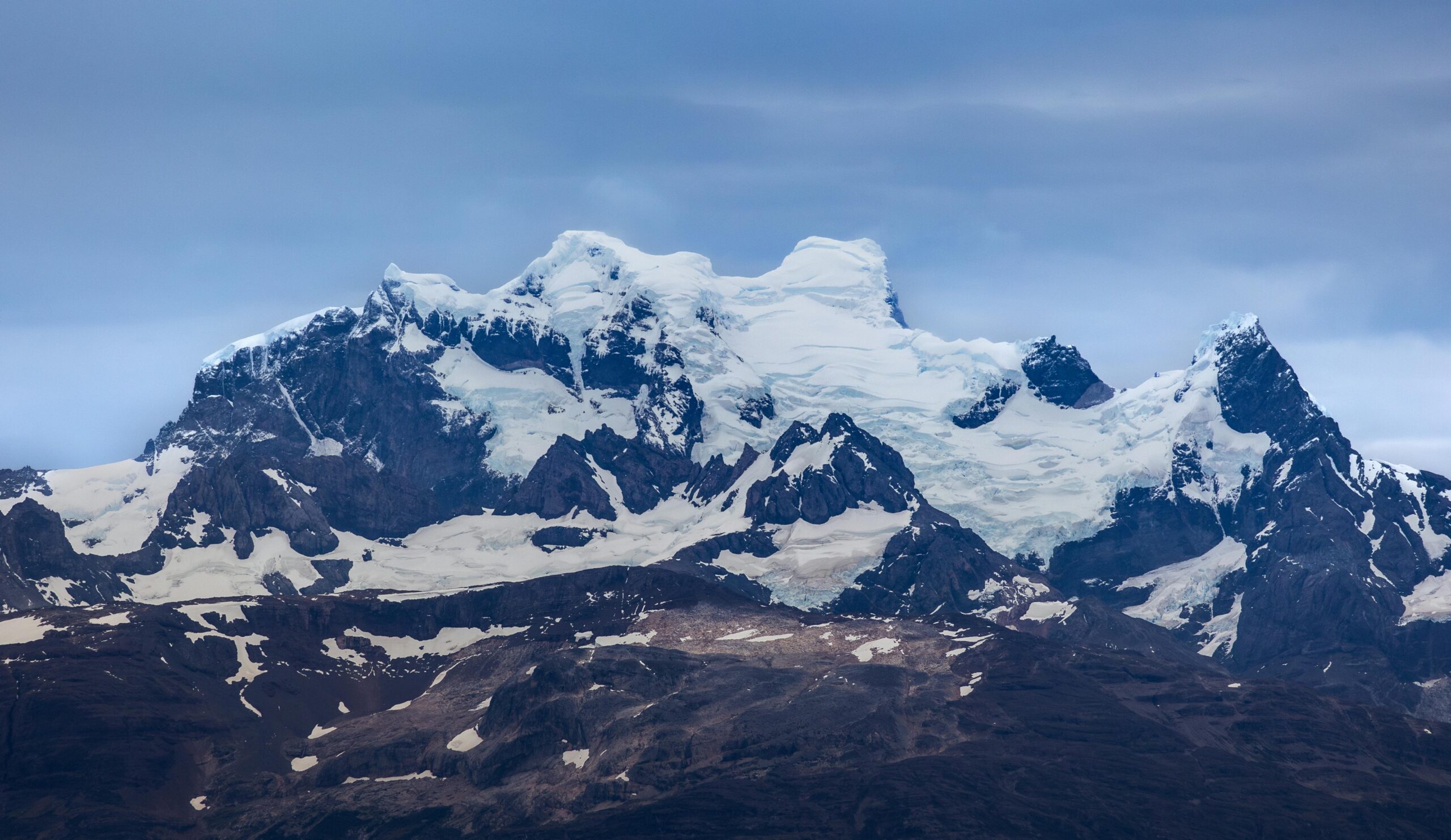
Best Time to Visit Northern Chile: Atacama Desert
The Atacama Desert is famous for its lunar landscapes, salt flats, and clear night skies. Thanks to its arid climate, the region is a year-round destination, but the best time to visit is from March to May and from September to November. During these months, daytime temperatures are comfortable, and you’ll avoid the summer crowds and the coldest winter nights.
Winter (June to August) can bring chilly nights, sometimes dropping below freezing, but the days remain sunny. Summer (December to February) is warmer and busier, especially around the San Pedro de Atacama area. Stargazing is excellent throughout the year, with minimal rainfall and cloud cover.
Central Chile: Santiago, Valparaíso, and the Wine Valleys
Central Chile, home to the capital Santiago and the vibrant port city of Valparaíso, experiences a Mediterranean climate. The best time to visit is during the spring (September to November) and fall (March to May), when temperatures are mild and the wine valleys burst with color.
Summers (December to February) are hot and dry, ideal for beach trips and outdoor festivals. Winters (June to August) bring cooler temperatures and rain, but this is also the season for skiing in the nearby Andes. The grape harvest in March and April is a highlight for wine enthusiasts.
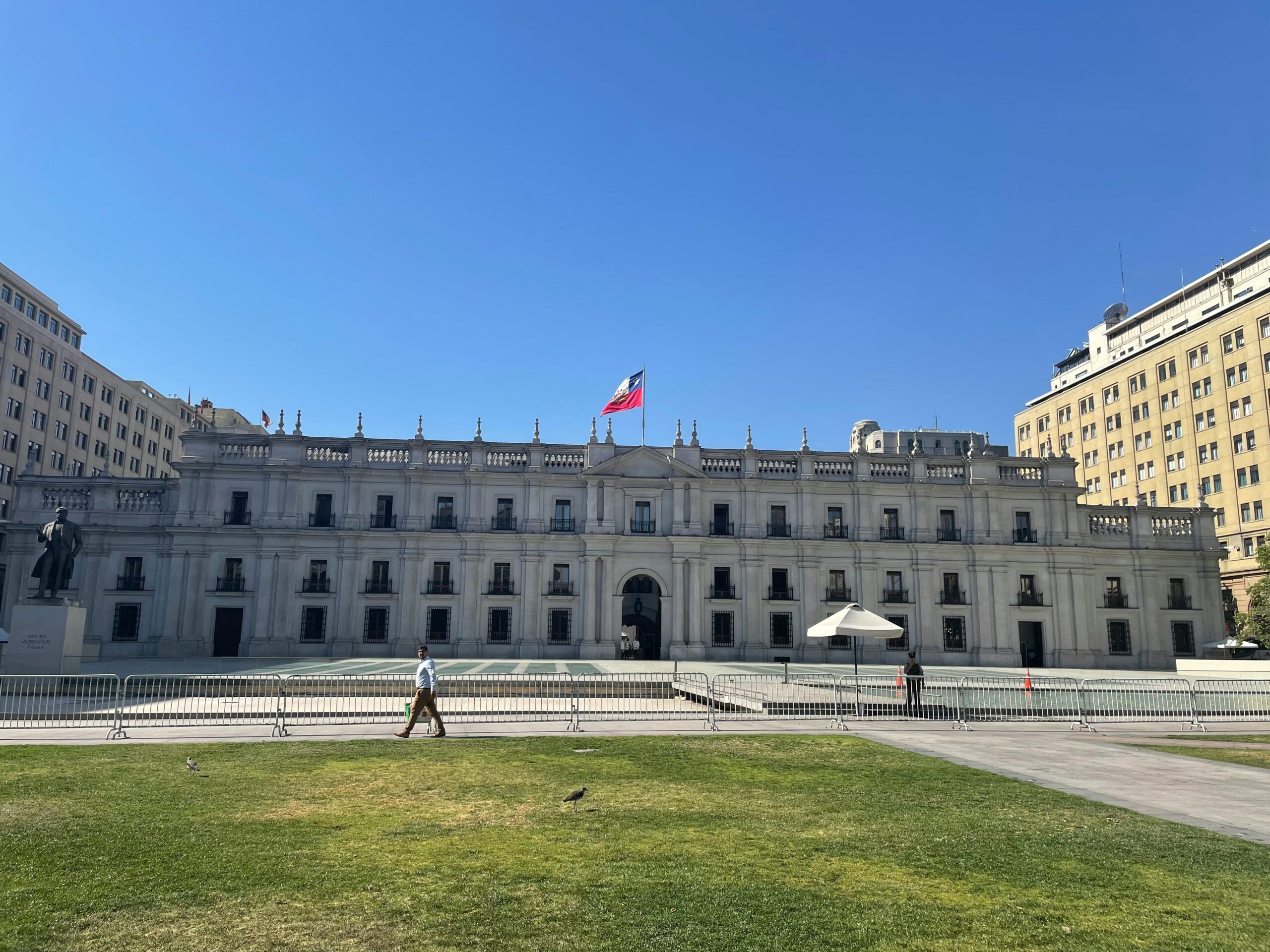
Patagonia and Southern Chile: When to Go
Patagonia is renowned for its dramatic mountains, glaciers, and national parks such as Torres del Paine. The region’s weather is famously unpredictable, with strong winds and rapid changes. The best time to visit is during the southern hemisphere summer, from November to March, when temperatures are milder and most hiking trails are open.
Spring and fall (October–November and March–April) offer fewer crowds and stunning landscapes, though you may encounter cooler temperatures and occasional rain. Winter (May–September) sees many lodges and parks close due to harsh weather, but it’s a magical time for those seeking solitude and snow-covered scenery.
Chile Weather Comparison Table: North, Central, and South
| Region | Best Months to Visit | Average Temperature (°C) | Main Attractions |
|---|---|---|---|
| Atacama Desert (North) | March–May, Sept–Nov | Day: 22–28, Night: 4–10 | Salt flats, geysers, stargazing |
| Central Chile (Santiago, Valparaíso) | Sept–Nov, Mar–May | Day: 18–28, Night: 7–15 | Wine valleys, beaches, festivals |
| Patagonia (South) | Nov–Mar | Day: 10–18, Night: 2–8 | Hiking, glaciers, wildlife |
Festivals and Events: Timing Your Visit
Chile’s vibrant culture comes alive during its many festivals and events. Planning your trip around these celebrations can enhance your experience:
- Fiestas Patrias (September 18–19): Chile’s national holiday, with parades, music, and traditional food.
- Vendimia (March–April): The grape harvest festival in the wine valleys, featuring tastings and local cuisine.
- Tapati Rapa Nui (February): A unique Polynesian festival on Easter Island, with traditional sports and dances.
- New Year’s Fireworks in Valparaíso: One of South America’s largest fireworks displays.
Attending these events provides a deeper insight into local traditions and adds unforgettable memories to your journey.
For a broader overview of the country’s history and culture, you can learn more about Chile’s background and heritage.
Travel Tips for Visiting Chile Year-Round
Regardless of the season, a few practical tips will help you make the most of your Chilean adventure:
- Pack for changeable weather: Especially in Patagonia and the Andes, conditions can shift rapidly. Dress in layers and bring waterproof gear.
- Book early in high season: Summer (December–March) is peak tourist season, especially in Patagonia and the Lake District. Reserve accommodations and tours well in advance.
- Consider shoulder seasons: Spring and fall offer pleasant weather and fewer crowds, making them excellent times to explore popular regions.
- Stay informed: Check local weather forecasts and park conditions, particularly if traveling to remote areas.
- Respect the environment: Chile’s natural beauty is fragile. Follow guidelines in national parks and protected areas to help preserve these landscapes for future visitors.
For more practical travel advice and official recommendations, consult the tourism overview for Chile.
FAQs
What is the best month to visit Chile for hiking in Patagonia?
The best months for hiking in Patagonia are December through March, when trails are open, temperatures are milder, and daylight hours are long. November and April can also be good for fewer crowds, but expect cooler and less predictable weather.
Is Chile a good destination for winter sports?
Yes, Chile is renowned for its ski resorts in the Andes near Santiago, such as Valle Nevado and Portillo. The ski season typically runs from June to September, with July and August offering the best snow conditions.
How does the weather in Santiago change throughout the year?
Santiago experiences hot, dry summers (December–February) with temperatures up to 30°C, and mild, rainy winters (June–August) with temperatures around 10–15°C. Spring and fall are pleasant and ideal for sightseeing and outdoor activities.
When is the best time to visit the Atacama Desert?
The Atacama Desert can be visited year-round, but the most comfortable months are March to May and September to November, when daytime temperatures are moderate and crowds are smaller.
Are there any travel restrictions or safety concerns in Chile?
Chile is generally a safe destination for travelers. However, it’s always wise to check current travel advisories, stay updated on local weather conditions, and follow the guidance of local authorities, especially in remote or natural areas.
Conclusion
Chile’s extraordinary diversity means there’s truly no single “best time to visit Chile”—it all depends on your interests and chosen destinations. Whether you’re drawn to the arid beauty of the Atacama, the vibrant cities and vineyards of central Chile, or the wild landscapes of Patagonia, understanding Chile weather by month will help you plan a rewarding adventure. Consider your priorities, consult official climate data, and prepare for a journey filled with natural wonders and cultural discoveries. Whenever you choose to visit, Chile promises an unforgettable experience.