Deciding the best time to visit Cordoba hinges on what you want to see and experience: fragrant patios, the vast Mezquita, or lively festivals. Cordoba’s weather swings from mild winters to blisteringly hot summers, so timing your trip can make the difference between comfortable exploration and retreating indoors by mid-afternoon.
This guide explains seasonal patterns, crowd levels, budgeting expectations, and practical tips so you can choose the ideal month to travel. Whether you’re planning a relaxed cultural visit or scheduling your stay around Cordoba’s famous festivals, this article covers what to expect and how to make the most of your time in Andalusia’s historic city.
Why Cordoba is worth visiting
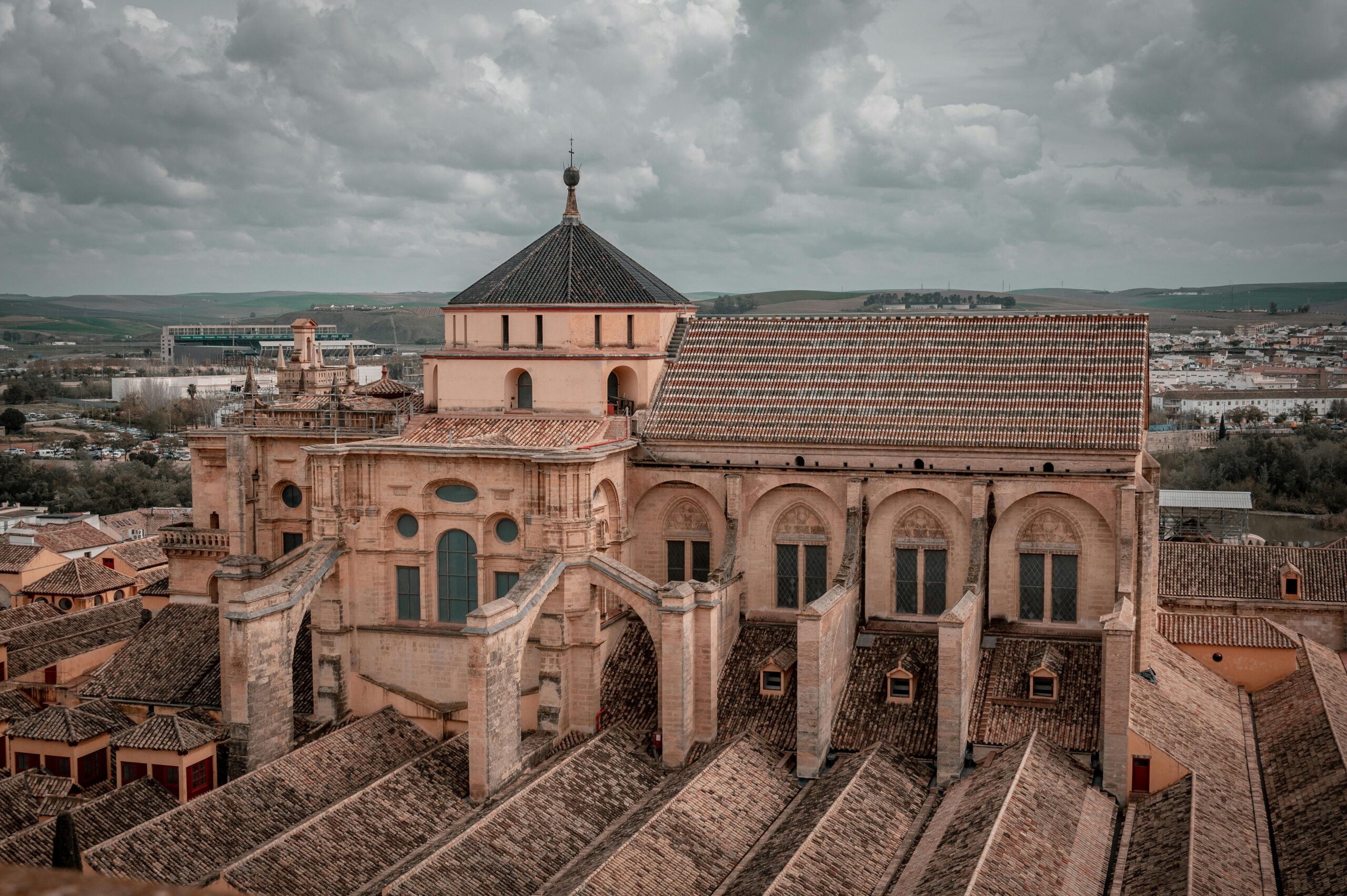
Cordoba is one of Spain’s most atmospheric cities, where Roman foundations, medieval Jewish quarters, and Moorish architecture blend into a compact historic center. The Mezquita-Catedral de Córdoba—an awe-inspiring mosque-turned-cathedral—is a top draw, but wandering narrow cobbled streets, discovering hidden patios, and sampling local cuisine are equally compelling reasons to visit.
For photographers, history buffs, and food lovers alike, Cordoba offers concentrated cultural attractions in a walkable layout. The city’s size makes it easy to combine major sights with quieter neighborhoods, so even a short stay can feel rich and varied.
Cordoba weather and seasonal breakdown
Cordoba weather follows a Mediterranean pattern with hot, dry summers and mild, relatively wet winters. Spring and autumn typically offer the most comfortable temperatures for sightseeing. In more detail:
- Spring (March–May): Warming temperatures, abundant blooms, and low rainfall make spring a favorite for visitors. Average highs rise from the mid-teens Celsius in March to the low 20s by May.
- Summer (June–August): Expect very hot conditions. July and August often see daytime highs above 35°C (95°F); heat is the defining feature, and locals adjust schedules to avoid midday sun.
- Autumn (September–November): Early autumn remains warm and pleasant, cooling toward November. Rainfall increases slightly but stays moderate compared with northern Spain.
- Winter (December–February): Winters are mild compared with northern Europe, with daytime highs around 12–16°C (54–61°F). Nights are cooler, and occasional rain is likely.
If you prefer outdoor walking tours and relaxed patio-hopping without intense heat, aim for late spring or early autumn when Cordoba’s climate is most agreeable.
Best months to visit Cordoba
Choosing the best months depends on priorities: weather, events, and crowds. Here’s a month-by-month rundown to help you pick the optimum window.
- March–May: Arguably the best overall period. Temperatures are pleasant, patios begin to bloom in May, and the city buzzes with springtime life. Holy Week (Semana Santa), which moves by calendar, often falls in April and draws significant crowds for its processions.
- May (Patios Festival): If you can time your visit for early to mid-May, you’ll catch the Fiesta de Los Patios—private courtyards opened to the public and decorated with flowers. This event is one of Cordoba’s signature experiences and a major reason many pick May as the best time to visit Cordoba.
- June–September: These months are the hottest. June can still be acceptable for early-morning sightseeing, but July and August are punishing for midday outdoor activity. If you travel in high summer, plan to sightsee early and rest during the hottest part of the day.
- October–November: Enjoy fewer tourists, comfortable temperatures, and lower accommodation prices. October in particular preserves warm days while evenings cool off.
- December–February: Best for budget travelers who don’t mind cooler weather. Winter brings quieter streets and easier access to popular attractions without long lines.
For most travelers seeking a balance of good weather and accessibility to events, late April through May and September to early October are the sweet spots.

Cordoba tourist season: crowds and events
Cordoba tourist season peaks in spring, particularly during Holy Week and the Patios Festival. These events bring visitors from across Spain and abroad, creating lively streets and higher hotel demand. If you want to experience these festivals, book accommodations and tickets well in advance to avoid disappointment.
Outside of major festival dates, visitor numbers moderate. Summer sees fewer foreign tourists in the midday heat, but domestic weekenders and day-trippers from Seville or Malaga still boost numbers. Autumn and winter are low seasons for tourism, offering a more relaxed pace and easier access to the Mezquita and other top sites.
For practical planning and to compare accommodation options during peak and off-peak periods, consider browsing reputable booking platforms to monitor availability and prices.
Find hotels and apartments in Cordoba
Cordoba travel cost: budgeting guide
Cordoba travel cost is generally lower than in Spain’s largest cities, but expenses vary by season. Expect higher rates during events in spring and lower prices in winter. Typical cost considerations:
- Accommodation: Mid-range hotels in the historic center cost more during the Patios Festival and Holy Week. Budget options and guesthouses are available year-round, with best deals in low season.
- Food and drink: Tapas culture makes dining flexible—small plates in local taverns are cost-effective, while sit-down restaurants near tourist sites charge a premium. A typical meal can range widely depending on choice.
- Attractions: Many sights, like the Mezquita, have entrance fees (with variable rates for guided tours). Plan a bit of extra budget if you want guided experiences or timed-entry tickets to avoid lines.
- Transport: Cordoba is compact and walkable. Local buses and taxis are affordable; train connections from Seville or Madrid vary depending on booking time and seat class.
To save money, travel in shoulder months, eat where locals go, and book trains and accommodation in advance. For quick hotel comparisons and to check seasonal price fluctuations, booking portals can be a useful planning tool.
Compare lodging options and rates in Cordoba
Practical tips: where to stay, getting around, and what to pack
Where you stay should reflect your priorities: proximity to the Mezquita, quiet streets for evening relaxation, or access to public transport. The Jewish Quarter (Judería) places you within walking distance of major attractions, while neighborhoods just outside the historic core can offer better value and quieter nights.
- Getting around: Cordoba is highly walkable. For longer journeys, taxis are plentiful and inexpensive compared with larger Spanish cities. Trains provide fast links to Seville, Malaga, and Madrid if you plan day trips.
- Packing suggestions: Lightweight clothing for summer, breathable fabrics, and sun protection are essential if visiting between June and August. For spring and autumn, pack layers and a light waterproof jacket. Good walking shoes are recommended for cobbled streets.
- Avoiding heat: If visiting in summer, schedule outdoor visits for early morning or late afternoon and reserve midday for museums, shaded patios, or a relaxed siesta-like break.
- Tickets and tours: If you want to visit the Mezquita without waiting, consider booking timed-entry options or guided tours in advance, especially in high season.
FAQs
When is the busiest tourist season in Cordoba?
Spring is the busiest period, particularly around Holy Week and the Patios Festival in May. These events draw large crowds and increase demand for hotels and guided tours.
What months offer the best balance of good weather and fewer crowds?
Late April to early June and September to early October provide warm, comfortable weather with fewer extreme temperatures and more moderate visitor numbers than peak festival dates.
How hot does Cordoba get in summer?
Summer temperatures can exceed 35°C (95°F) in July and August. High heat is normal, so plan sightseeing for early morning and evening and seek shade during midday hours.
Is Cordoba expensive compared with other Spanish cities?
Overall, Cordoba travel cost tends to be lower than in Madrid or Barcelona, but prices rise during major events. You can find budget-friendly dining and lodging, particularly outside peak festival dates.
Can I visit Cordoba as a day trip from Seville or Madrid?
Yes. Cordoba is a popular day-trip destination thanks to efficient train connections, especially from Seville and Madrid. A day trip allows you to see major highlights, though staying overnight gives time for a more relaxed exploration.
Conclusion
Choosing the best time to visit Cordoba depends on whether you prioritize festivals, comfortable weather, or lower costs. For most visitors, late spring (especially May for the Patios Festival) and early autumn strike the best balance between pleasant Cordoba weather and manageable crowds. If you prefer quieter streets and lower prices, winter and late autumn are excellent alternatives.
Plan ahead for major events, pack appropriately for the season, and consider booking accommodations and tickets early if traveling during peak times. With some thoughtful timing and basic preparation, Cordoba’s mix of architecture, culture, and culinary delights is accessible and rewarding year-round.