Deciding on the best time to visit Dubai depends on what you want from the trip: mild, sunny days for outdoor sightseeing, lower prices for hotels and flights, or busy festival crowds and nonstop nightlife. For most travelers the best time to visit Dubai is between November and March when temperatures are pleasant, outdoor events flourish, and the city is at its liveliest.
This guide breaks down Dubai weather, the tourist seasons, monthly conditions, typical Dubai travel cost estimates, and practical tips for families, couples and solo travelers so you can pick dates that match your priorities. Read on for month-by-month advice, crowd patterns, budget strategies and what to expect during Ramadan and major events.
When Dubai is at its best: seasons and general climate
Dubai’s year divides into two clear seasons: a mild, comfortable period from late autumn to early spring (roughly November–March) and a hot, humid stretch from April through October. Winter months bring daytime temperatures typically between 20–30°C (68–86°F), cool evenings and almost no rain—ideal for walking tours, beaches, desert safaris and outdoor dining.
Summer brings very high temperatures often exceeding 40°C (104°F) and high humidity, especially from June to September. Many attractions remain open year-round, but heat affects the type of activities visitors choose. Indoor attractions, air-conditioned malls, and early-morning desert trips become essential in peak summer.
Month-by-month guide: what to expect and who it suits
November: Temperatures start to fall, outdoor venues reopen, and the tourist season ramps up. Ideal for those who want warm daytime weather with pleasant evenings. Expect higher hotel prices as festivals and international events return.
December–February: Peak tourist months. Cool mornings and evenings, great for beaches and desert. This is the busiest time, with major shopping and entertainment events, so book accommodations and activities early.
March–April: Transitional months, still comfortable but gradually warming. March is popular for sports events and spring festivals; April sees fewer crowds but rising temperatures.
May–September: Hot season. Days are very hot and humid, but hotel and flight prices drop and you’ll find quieter attractions. If you travel during these months, plan indoor activities, early-morning desert trips, or evenings on air-conditioned dhow cruises.
October: Temperatures moderate and outdoor season returns. October is a good shoulder month—less crowded than winter but more comfortable than summer.
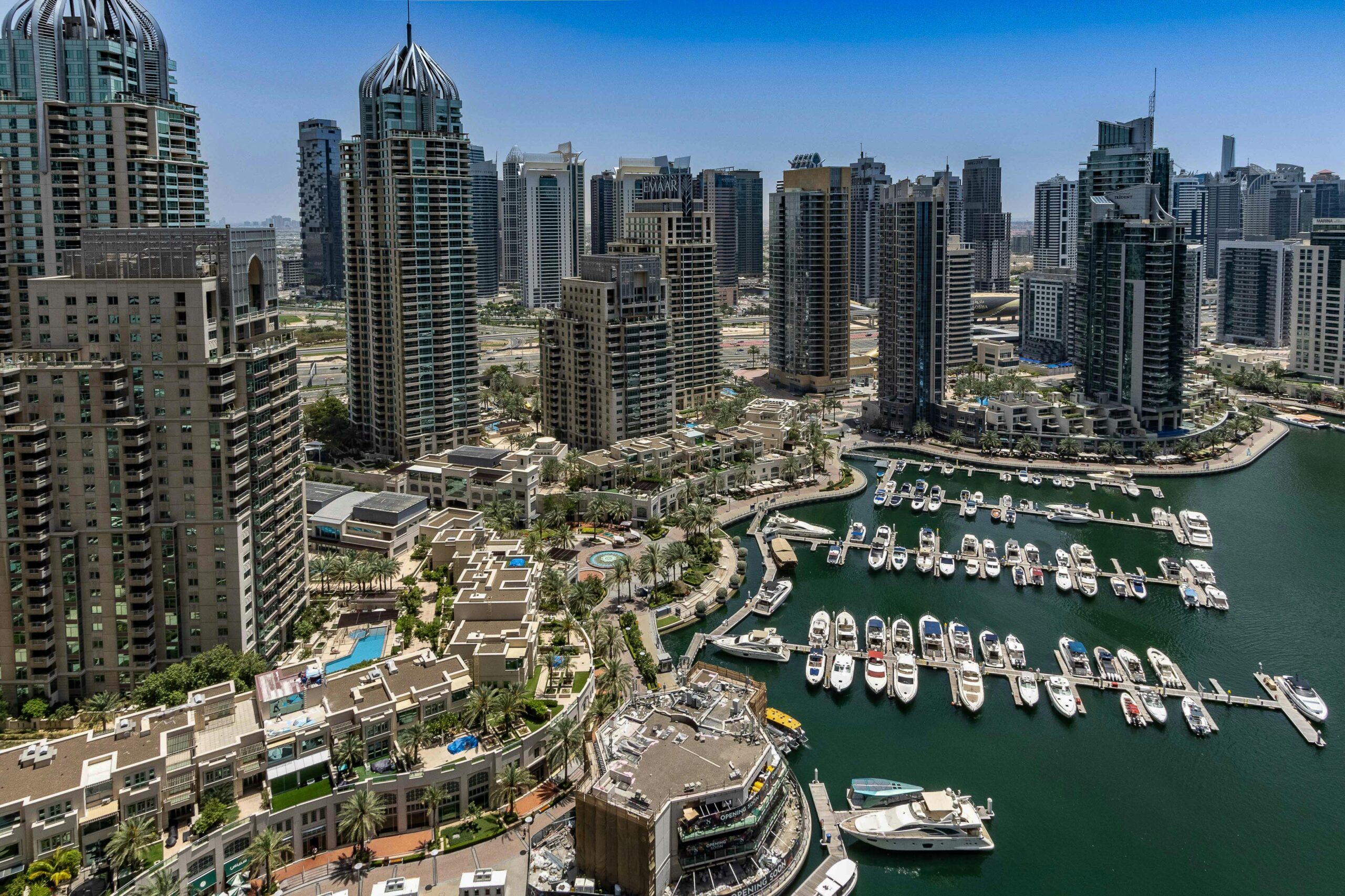
Dubai weather explained: temperatures, humidity and sea conditions
Dubai weather varies mainly by temperature and humidity. Winter months are dry and comfortable, with average temperatures in the low 20s°C during the day and cooler nights. Rain is rare but possible between December and March. Summer is defined by extreme heat, often accompanied by high humidity that makes it feel hotter than the thermometer reads.
Sea temperatures follow the seasons: pleasant for swimming from October through April, then progressively warmer and more humid through summer. If you plan to snorkel or swim, aim for late autumn through early spring when water is more comfortable for extended activity.
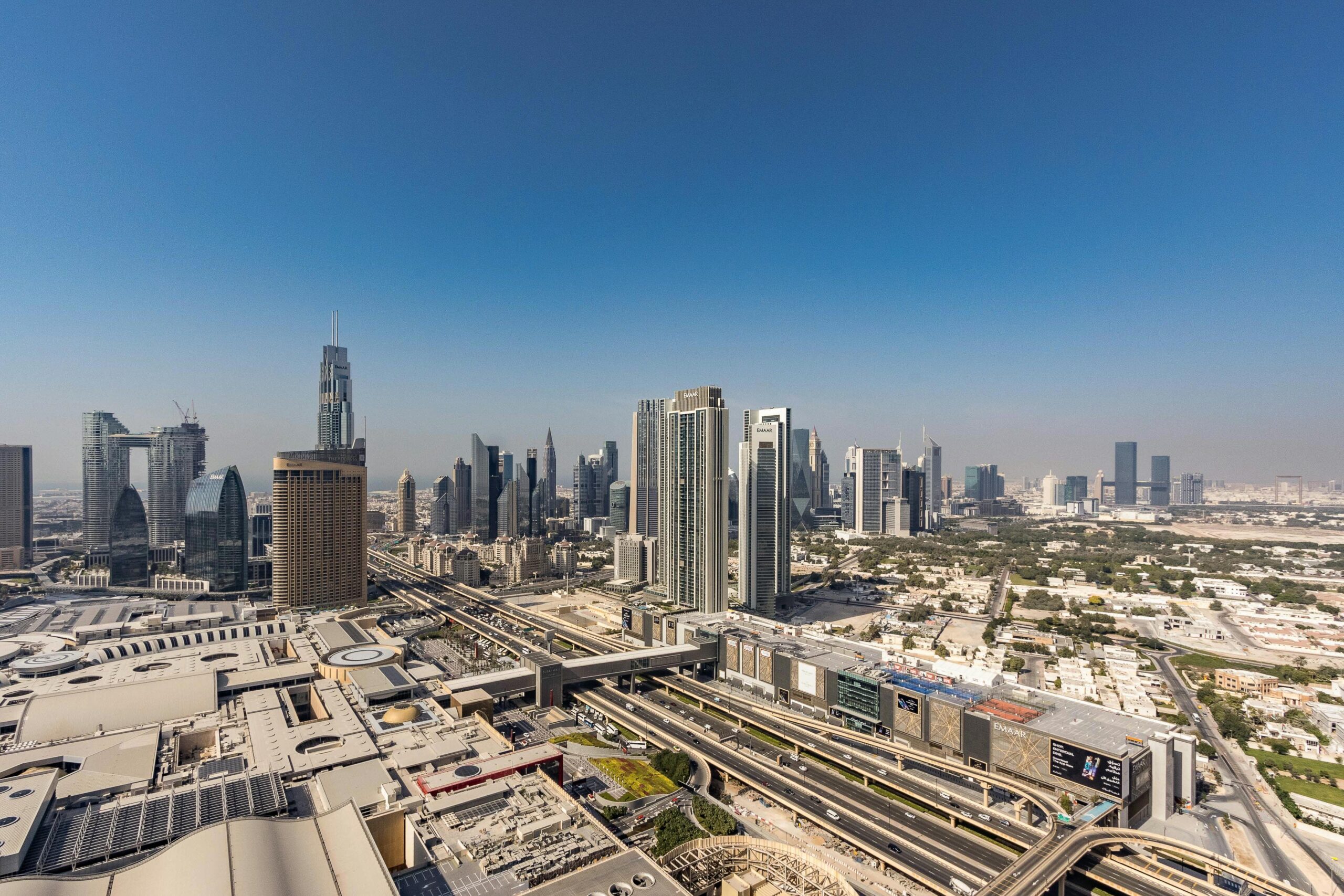
Dubai tourist season and crowd patterns: when to expect busy vs quiet
The main high season for tourism is November through March. International visitors flock to Dubai for mild weather, holiday travel, large events and the shopping season. This period sees the highest demand for hotels, restaurants and attractions, so plan and book ahead if visiting then.
The low season runs from May through September, when extreme heat keeps many leisure travelers away. Low season brings advantages: lower Dubai travel cost for accommodations and flights, easier booking availability, and less crowded attractions. Shoulder months—April and October—offer a balance of better weather and moderate crowds.
Events to plan around: festivals, sporting events and Ramadan
Dubai’s calendar is punctuated by major events that shape visitor experience. The Dubai Shopping Festival (typically in January–February) brings huge crowds, sales and entertainment. Other marquee events include the Dubai World Cup (horse racing), major music concerts, and international trade shows that can drive hotel demand and airfares up.
Ramadan follows the Islamic lunar calendar and shifts about 10–11 days earlier each year. During Ramadan, daytime dining in public is limited and some attractions may operate on reduced hours; however, evenings come alive with Iftar dinners, night markets and cultural events. Consider cultural sensitivity during daytime hours and plan to enjoy special iftar offerings after sunset.
Budgeting: Dubai travel cost and saving strategies
Dubai travel cost varies widely depending on travel style. A budget traveler might spend roughly $60–100 USD per day using hostels or budget hotels, public transport and inexpensive meals. A mid-range traveler can expect $150–300 USD per day for decent hotels, taxis, paid attractions and dining. Luxury travelers should plan for $400+ per day for high-end hotels, private tours and fine dining.
To reduce costs, travel in shoulder or low season, book accommodation and flights well in advance, use public transportation (the metro and buses are efficient), and look for combined attraction passes. For current hotel availability and deals, check listings from a major accommodations site.
Browse hotel listings in Dubai
Practical planning tips: booking, transport and what to pack
Booking: For the winter high season, reserve flights and hotels at least 2–3 months ahead—more if traveling over the holidays or during major events. For quieter months, you can often find last-minute deals but verify cancellation policies.
Transport: Dubai’s metro connects many tourist hotspots; taxis are plentiful and app-based ride-hailing is widely used. For desert excursions or day trips outside the city, consider tour operators that include pickup and drop-off. Driving is straightforward but expect heavy traffic during peak hours and major events.
Packing: In winter, pack layers for cooler evenings and sun protection for daytime. In summer, lightweight, breathable fabrics and a good sunhat are essential. Respect local customs by bringing modest clothing for visits to religious sites or conservative areas, and keep a reusable water bottle for hydration.
Who should travel when: recommendations by traveler type
Families: Late autumn through early spring (November–March) is best for family-friendly weather and an array of outdoor activities, from theme parks to beaches and desert safaris.
Couples: For romantic dinners, beachfront sunsets and comfortable evenings, November–February offers the most pleasant conditions. For a quieter getaway with potentially lower prices, consider April or October.
Budget travelers and bargain hunters: Aim for May–September to take advantage of lower hotel rates and off-season flight deals. Plan more indoor activities and schedule outdoor excursions for early morning or evening to avoid the heat.
FAQs
What is the absolute best month to visit Dubai for pleasant weather?
December and January typically offer the most pleasant weather with mild daytime temperatures, cool evenings and minimal rain—ideal for outdoor sightseeing, beaches and desert activities.
How does Ramadan affect visiting Dubai?
During Ramadan, daytime restaurants may be closed to the public and some entertainment shifts to evenings. Many hotels and tourist venues remain open for visitors, and evenings feature special meals (iftar) and cultural events. Dress modestly and be respectful of local customs during daylight hours.
Is Dubai too hot to visit in summer?
Summer (June–September) is very hot and humid, which limits daytime outdoor activities. However, many attractions are air-conditioned, and travelers can still enjoy shopping malls, indoor theme parks and evening events. Summer also delivers lower accommodation rates and fewer crowds.
When are hotel prices and flights cheapest in Dubai?
Hotel prices and flights are generally cheapest in the low season from May through September when demand drops due to high temperatures. Shoulder months like April and October can also offer reasonable deals with better weather than peak summer.
How far in advance should I book popular attractions and hotels?
For travel between November and March, book hotels, desert safaris, Burj Khalifa time slots and popular restaurant reservations at least 1–3 months in advance. For travel in quieter months, you can often secure bookings closer to your travel date.
Conclusion
Choosing the best time to visit Dubai comes down to priorities: for comfortable weather and lively events, aim for November through March; for lower prices and quieter attractions, travel in May through September with plans to focus on indoor activities and early-morning excursions. Consider event dates, Ramadan timing and your budget when finalizing plans, and book key activities and accommodation early if traveling in peak months. With the right timing, Dubai delivers a wide range of experiences from beach days and desert safaris to world-class shopping and cultural evenings.