Deciding the best time to visit Dublin depends on what you want from the trip: mild weather, lively festivals, affordable travel costs, or smaller crowds. This guide breaks down seasons, events, practical costs, and tips so you can choose the month that matches your priorities and get the most from a stay in Ireland’s compact, culture-rich capital.
Throughout this article you’ll find clear summaries for each season, sensible budgeting advice, and actionable tips on avoiding peak crowds while still enjoying Dublin’s key attractions. References to official resources and local authorities are included where helpful to plan dates and check conditions.
Quick answer: when is the best time to visit Dublin?
For an overall balance of pleasant weather, open attractions, and manageable crowds, late spring (May to early June) and early autumn (September) are often the best times to visit Dublin. Temperatures are mild, daylight hours are long enough for sightseeing, and many festivals are underway without the higher prices and larger crowds of mid-summer.
If you prioritize the warmest weather and the most festival activity, July and August are peak months; if you want the lowest travel costs and quieter streets, consider late November through February, keeping in mind shorter days and more variable Dublin weather.
Dublin weather and what to expect by season
Dublin has a temperate oceanic climate with relatively small temperature swings compared with inland Europe. Rain can occur any month, so layering is essential. Spring (March–May) sees gradually warming days and blossoming parks; summer (June–August) is the warmest and sunniest period; autumn (September–November) brings crisp air and changing leaves; winter (December–February) is cool, damp, and quieter for tourism.
For current and detailed forecasts, consult the official Irish weather service to check longer-term conditions before you travel: Met Éireann. That will help you pack smart and plan outdoor activities like the Phoenix Park, coastal walks, or cycling along the Grand Canal.
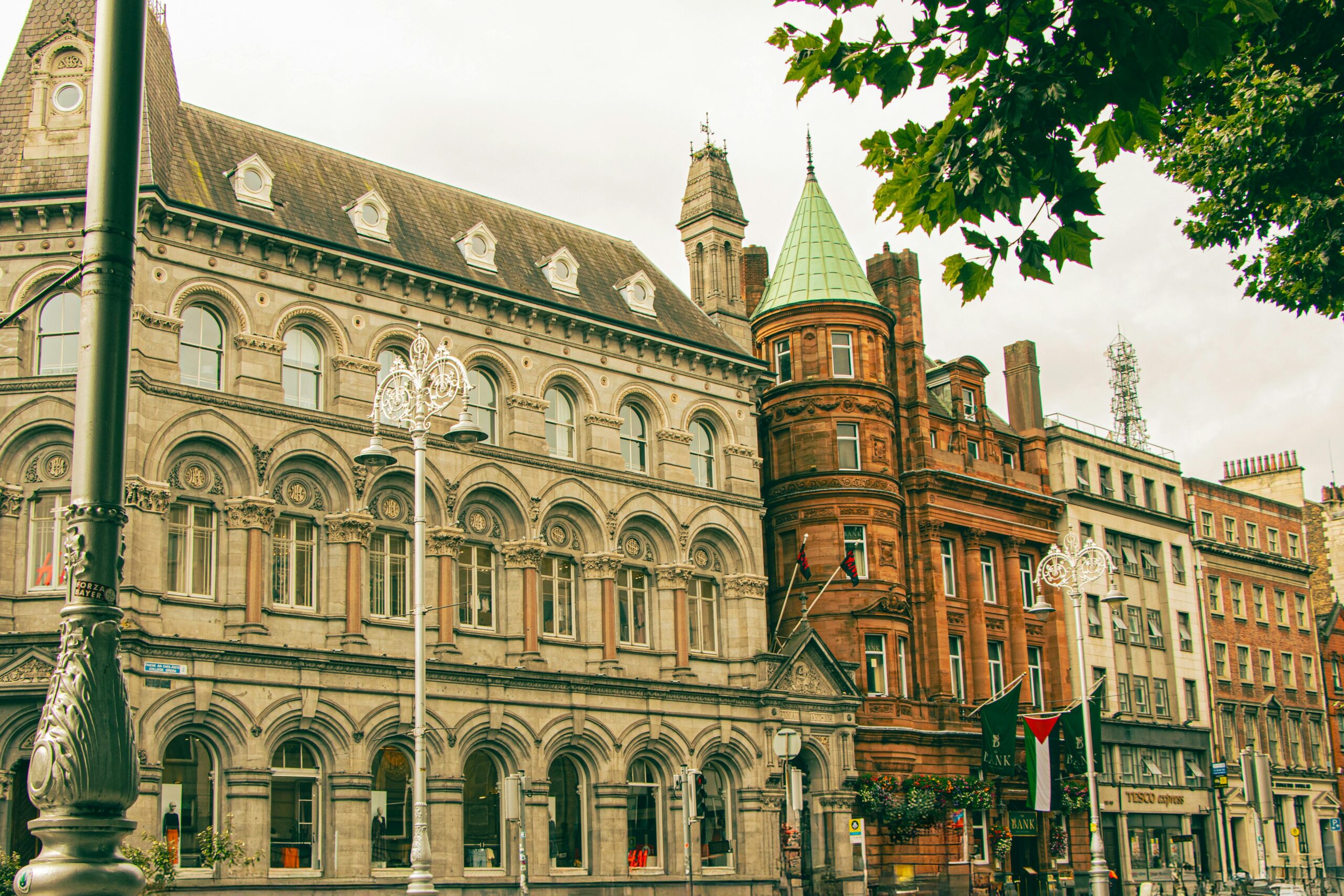
Dublin tourist season: crowds, opening hours, and atmosphere
The Dublin tourist season peaks in July and August. During those months you’ll find extended opening hours for museums and attractions, extra bus and ferry services, and a festival-heavy calendar that includes events like Dublin Pride and the Longitude music festival. Streets around Temple Bar, Grafton Street, and Trinity College are lively and often crowded.
Shoulder seasons (April–June and September–October) combine good weather with fewer crowds; many attractions remain fully open and accommodation prices are generally lower than in high summer. Winter is the quietest time for visitors: some smaller venues may reduce hours or close for a week or two, but you’ll enjoy shorter lines at popular sites such as the Guinness Storehouse and Dublin Castle.
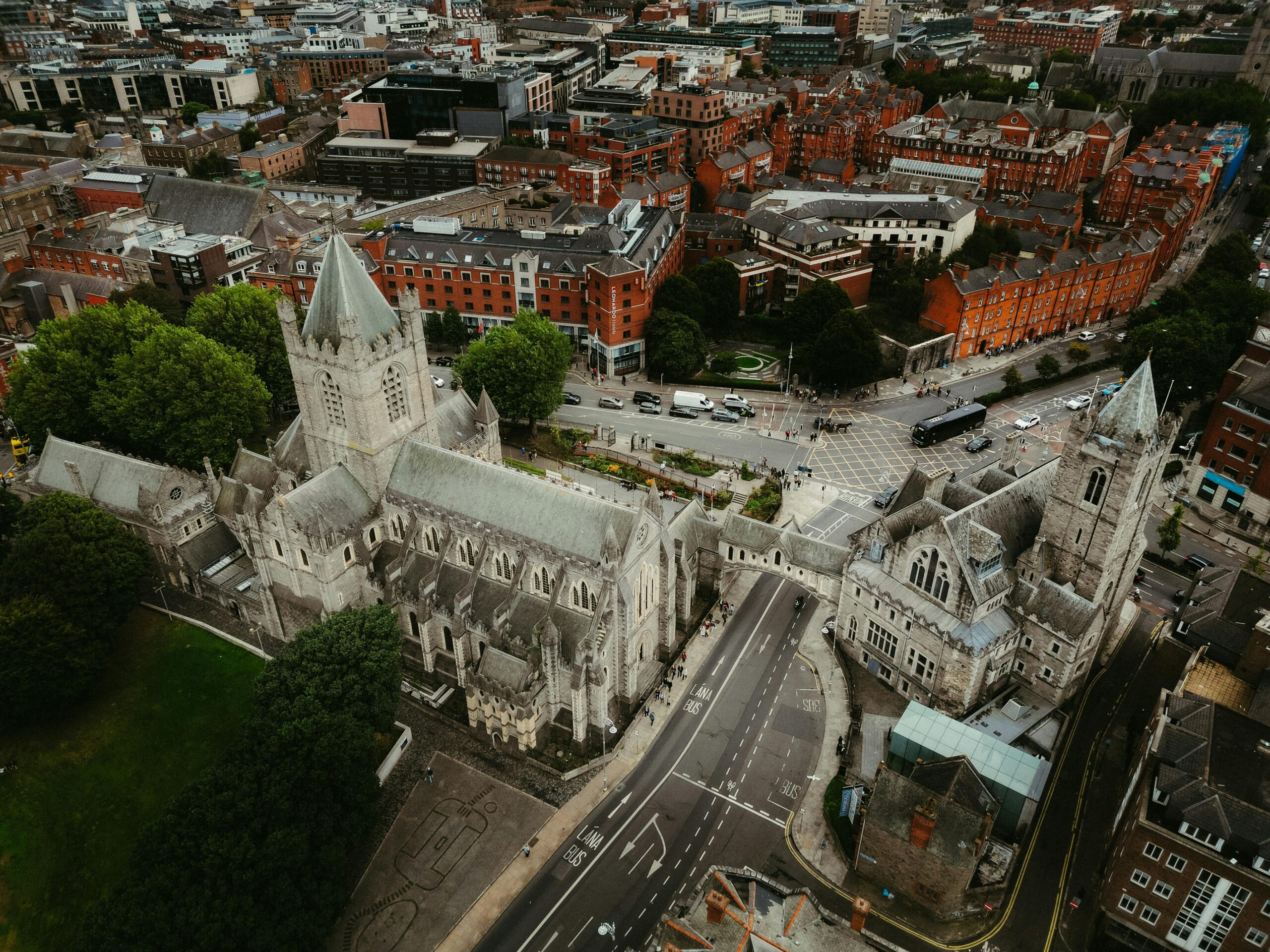
Dublin travel cost: budgeting your trip
Dublin travel cost varies with season, accommodation choice, and how you plan to move around. Expect higher hotel rates in July–August and around major events. Booking 2–3 months ahead can secure better rates in peak months; last-minute deals sometimes appear in shoulder and off-peak periods. Hostels and budget hotels are more affordable outside school holidays.
Public transport is efficient around the city—Dublin Bus, Luas (tram), and DART (coastal rail) connect most points of interest. Using a reusable Leap Card saves on single fares compared with cash tickets. If you’re comparing attractions, look for combined attraction passes or multi-day tickets that can reduce per-site costs. For general visitor information and ideas on events that might affect pricing, the national tourism site provides useful planning pages: Tourism Ireland.
Sample budget ranges (per person, excluding flights):
- Shoestring: €50–€80/day — hostel dorm, prepare some meals, use public transport.
- Mid-range: €120–€200/day — 3-star hotel or private rental, meals out, some paid tours.
- Comfort: €220+/day — 4-star hotel, paid excursions, restaurants and taxis.
Events and festivals to time your visit
Dublin’s event calendar offers reasons to visit year-round. St. Patrick’s Festival in March is the biggest cultural draw, with parades and city-wide celebrations—expect crowds and early accommodation sell-outs. The summer months bring music festivals, open-air performances, and cultural programs. September often showcases arts festivals and outdoor gigs in milder weather.
If you prefer local culture without the biggest tourist influx, plan around smaller neighborhood festivals or weekday museum openings. For specific dates and event details, check official event pages and venue listings as you plan — many festivals publish schedules months in advance so you can time flights and lodging to coincide with what interests you most.
Practical planning tips: packing, transport, and day trips
Packing for Dublin means preparing for changeable weather. Pack a light waterproof jacket, comfortable walking shoes, and layers you can add or remove. A compact umbrella and a waterproof daypack make wet-day sightseeing manageable. Plug adapters (Type G) are needed for most visitors from outside the UK/Ireland.
Getting around: Dublin’s city center is compact and very walkable. For longer trips, the Luas tram and DART trains are reliable. Consider day trips to the Wicklow Mountains, Glendalough, Howth, or the coastal villages—each are easy by train or bus and add natural scenery to your city stay. If you plan to rent a car, remember that driving is on the left and parking in the city center can be expensive.
- Tip: Buy a Leap Card for convenience and lower local fares.
- Tip: Reserve popular tours (Guinness Storehouse, Trinity College Book of Kells) in advance during peak months.
- Tip: Book centrally located accommodation if you want to walk to most attractions and save on daily transport costs.
FAQs
What month has the best weather in Dublin?
July and August are the warmest months with the most reliable sunshine, but they are also the busiest. Late May and early September offer a good compromise: pleasant temperatures and fewer tourists.
Is Dublin expensive to visit?
Dublin can be moderately expensive compared with other European cities, especially for hotels and dining in the city center. You can control costs by traveling off-peak, choosing budget accommodation, and using public transport or free attractions such as many museums and public parks.
When is Dublin the least crowded?
The least crowded months are typically November through February (excluding holiday periods like Christmas), when tourism slows and attractions have shorter queues. Be mindful of reduced opening hours at smaller venues during winter.
Can I see the countryside on a day trip from Dublin?
Yes. Popular day trips include the Wicklow Mountains and Glendalough for hiking and scenery, Howth for coastal walks and seafood, and the Boyne Valley for historical sites. Trains and buses connect these destinations to Dublin in under two hours.
Do I need to book attractions in advance?
For peak months and major attractions such as the Book of Kells or the Guinness Storehouse, advance booking is recommended. For smaller museums and walking tours, you can often book closer to your travel dates, but check opening times in shoulder and off-peak seasons.
Conclusion
Choosing the best time to visit Dublin comes down to priorities: late spring and early autumn provide the best mix of favorable Dublin weather, manageable crowds, and reasonable travel costs, while summer brings festivals and the warmest conditions. Winter offers quiet streets and cheaper accommodation for travelers willing to accept cooler, wetter days. Use official resources for up-to-date weather and event information, plan bookings for popular attractions during peak months, and pack layers to stay comfortable no matter when you travel. With a little planning, Dublin rewards visitors year-round with rich history, vibrant culture, and easy access to Ireland’s scenic countryside.