Deciding the best time to visit Dubrovnik depends on what you want from the city: warm Adriatic swimming, sunny Old Town strolls, or quieter streets and lower prices. Dubrovnik’s appeal changes dramatically across the year, so this guide breaks down weather patterns, crowds, costs, and practical tips to help you choose the right month for your trip.
This article covers Dubrovnik weather by season, how the Dubrovnik tourist season affects prices and availability, and concrete planning advice so you arrive prepared whether you want a buzzing summer holiday or a peaceful winter escape.
When is the best time to visit Dubrovnik: an overview
The most common answer is late spring (May–June) and early autumn (September–October). These shoulder months combine pleasant Dubrovnik weather—warm days and cooler evenings—with fewer crowds than peak summer. Sightseeing, walking the city walls, and island day trips are easier to enjoy without long lines and high midday heat.
If your priorities are swimming and full festival calendars, July and August deliver the liveliest atmosphere. For lower Dubrovnik travel cost and a slower pace, travel between November and March when hotel rates drop and many cruise day-trippers stop for the season.
Dubrovnik weather by month: what to expect
Dubrovnik’s climate is Mediterranean along the coast: hot, dry summers and mild, wetter winters. Here’s a quick monthly snapshot to help plan the best time to visit Dubrovnik for your needs.
- March–April: Spring brings blossoming gardens and gradually warming temperatures (12–18°C / 54–64°F). Some sea days are possible late April.
- May–June: Comfortable highs (20–28°C / 68–82°F). Sea temperatures warm enough for swimming in June; reliable sunny days and long daylight hours.
- July–August: Peak summer heat (28–33°C / 82–91°F), high humidity, and the height of the Dubrovnik tourist season. Expect crowded streets and packed beaches.
- September–October: Warm early autumn, especially in September. October cools down and brings occasional rain but fewer crowds.
- November–February: Mild winters with more rain and temperatures around 8–15°C (46–59°F). Some attractions and restaurants may have reduced hours; good for budget travelers.
Shoulder seasons: why May–June and September–October stand out
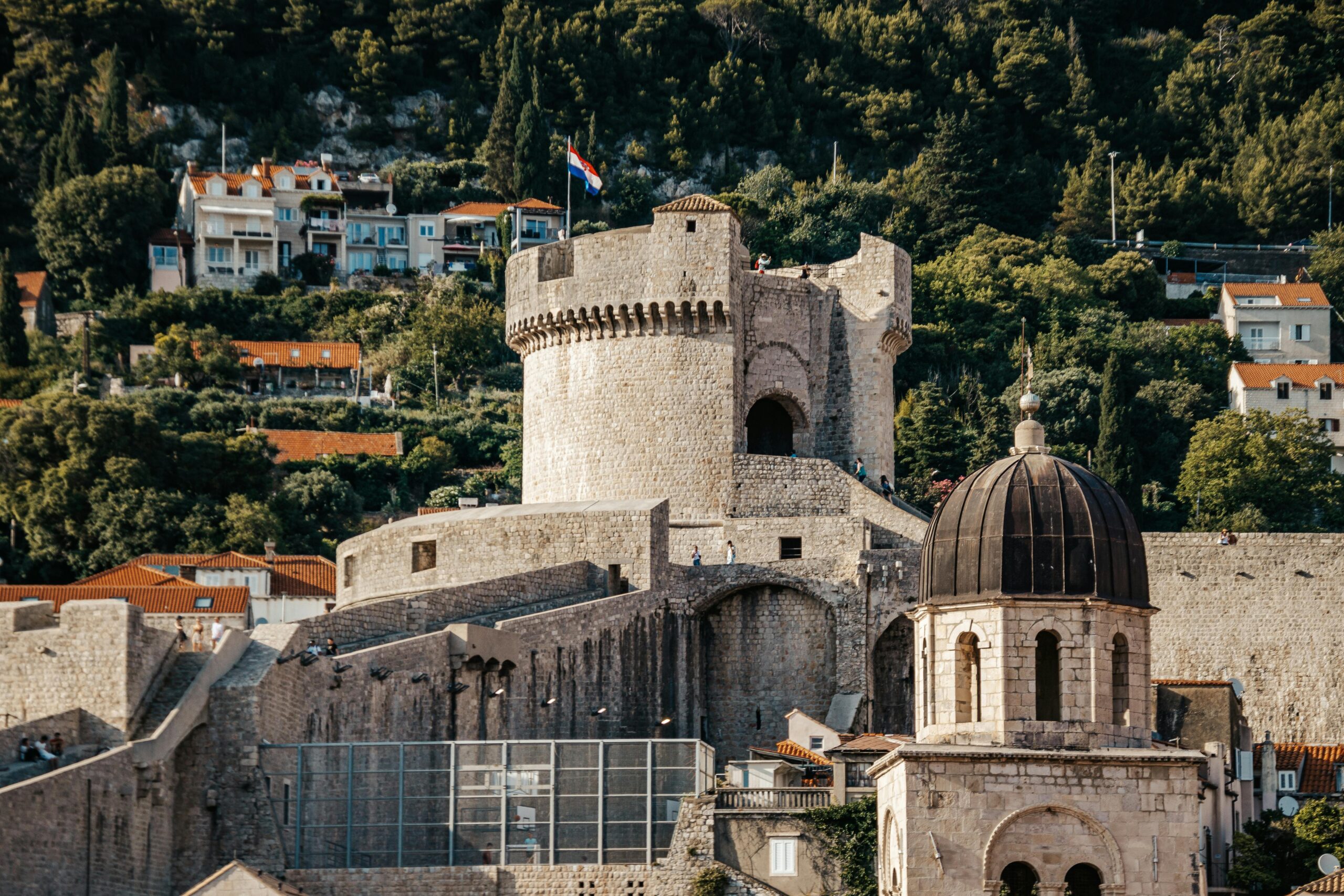
Shoulder seasons strike the best balance between agreeable Dubrovnik weather and manageable crowds. May and September in particular offer warm enough water for swimming, excellent light for photography, and calmer Old Town streets before and after the cruise-ship surge.
Choosing a shoulder month also helps control Dubrovnik travel cost. Accommodation and flight prices usually fall between the high-season peak and low-season minimums, giving you better value without sacrificing the core attractions.
High summer: navigating crowds, heat and events
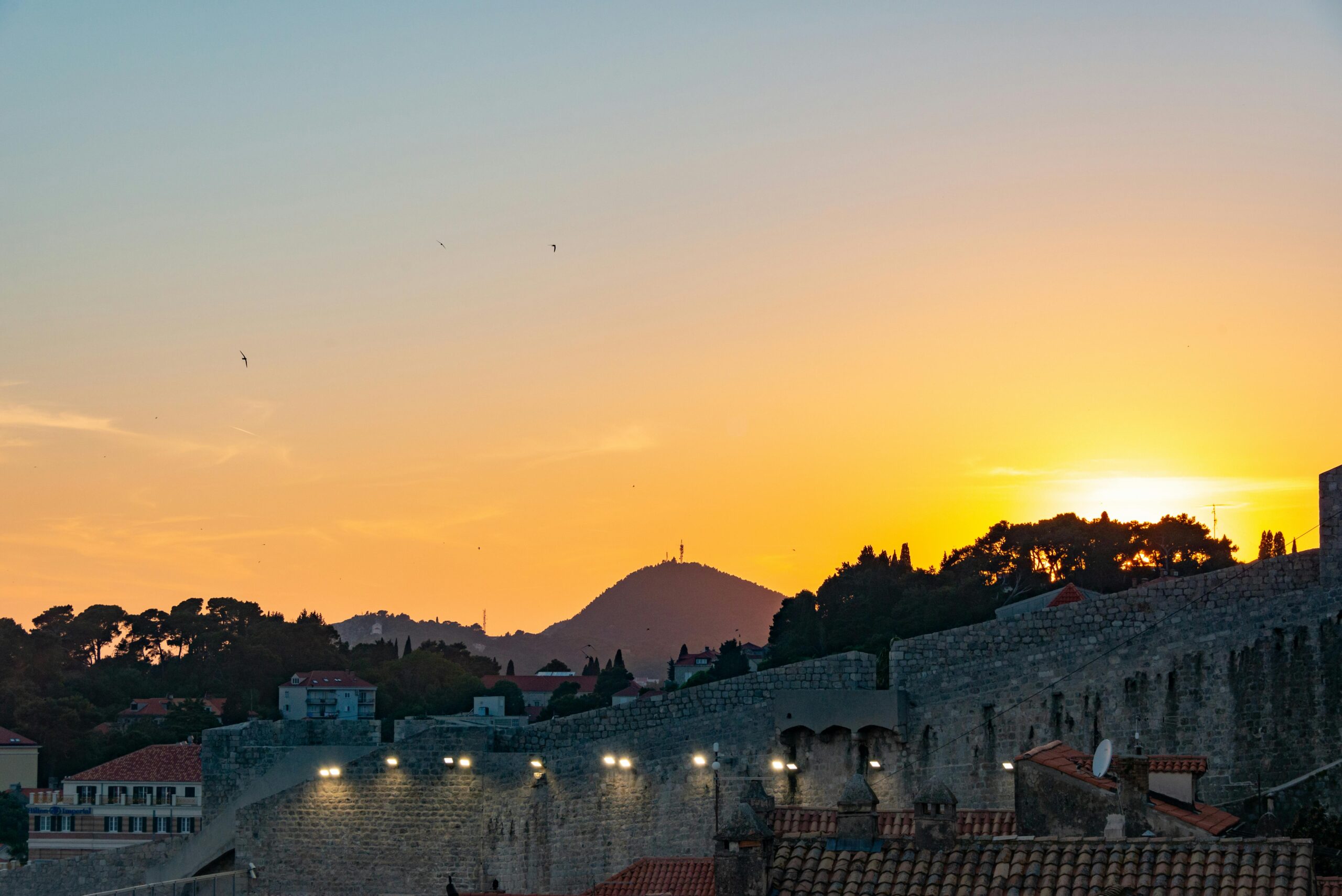
July and August are the heart of the Dubrovnik tourist season. The city is vibrant with festivals, open-air concerts, and a lively beach culture, but expect busy streets, long waits at popular viewpoints, and busier ferry and boat schedules. If you travel in high summer, plan early starts for sightseeing and reserve tickets for the city walls and any guided tours.
Accommodation books quickly during these months, so if you prefer to stay near the Old Town or along the Lapad and Ploče fronts, lock in reservations early. For a quick search of available hotels and guesthouses, consider using a major booking platform to compare options and read recent reviews, especially if your dates fall within local festivals or national holidays: hotels in Dubrovnik on Booking.
Winter and the off-season: quieter streets and lower costs
From November through March, Dubrovnik quiets significantly. Many cruise ships stop calling on the city, and some summer-focused businesses close or reduce hours. This is the time to experience a more local pace, enjoy empty streets in the Old Town, and take advantage of lower Dubrovnik travel cost on flights and hotels.
Winter weather is mild compared with northern Europe, but expect rain and occasionally windy days. Pack layers, a waterproof jacket, and sturdy walking shoes if you visit off-season. It’s a favorable season for photographers seeking moody skies and reflections, and for travelers who prefer exploring museums, churches, and cafés without queues.
Planning tips: practical advice for every season
Choose attractions and activities that match the season. If visiting during the Dubrovnik tourist season peak, book city-wall tickets and boat excursions in advance, and arrive early to beat the midday crowd. If you prefer the sea, late spring through early autumn offers the warmest water for swimming and island hopping.
- Accommodation: Compare locations—Old Town is convenient but pricier; Ploče and Lapad offer quieter stays with easy access to beaches and bus links. For convenience and selection, search major accommodation lists in advance: search Dubrovnik accommodations.
- Transport: Dubrovnik Airport sees seasonal flight increases; public buses, taxis, and ferries are reliable but book transfers ahead in high season. Consider arriving midweek to avoid weekend cruise-ship peaks.
- Packing: Summers need sun protection and light clothing; shoulder seasons require a light layer and comfortable shoes for cobblestones; winter needs waterproof outerwear.
- Money: Expect higher restaurant and lodging prices in peak months. Planning meals away from the main tourist streets can save money without sacrificing quality.
FAQs
What month has the best weather in Dubrovnik?
Late May through June and September typically offer the best weather balance—warm, sunny days with mild evenings and lower humidity than July and August. Sea temperatures warm up by June, making these months ideal for both sightseeing and swimming.
How busy is Dubrovnik during the tourist season?
Dubrovnik tourist season peaks in July and August, driven by beachgoers and cruise ships. The Old Town can be very crowded mid-day; scheduling early morning or late-afternoon visits reduces exposure to the busiest times and hottest sun.
Is Dubrovnik worth visiting in winter?
Yes—if you prefer a quieter experience and lower prices. Many landmarks remain open and the diminished crowds offer a different, more local perspective of the city. However, some seaside activities and small island services may be limited.
How much should I budget for a trip to Dubrovnik?
Dubrovnik travel cost varies by season. Budget travelers can save in the off-season with lower accommodation and flight prices, while summer visitors should expect higher rates and possibly added costs for reservations and tours. Plan according to your comfort level and activity choices—beach and ferry days can add moderate costs, while dining and guided tours are the bigger variable.
Can I swim in Dubrovnik year-round?
Swimming is most comfortable from late May through September when sea temperatures are warm. Some hardy swimmers enter the Adriatic in shoulder months, but winter water is cold and not suitable for casual beach days.
Conclusion
Choosing the best time to visit Dubrovnik comes down to your priorities. If you want warm sea, festivals, and a lively atmosphere, visit during July–August and plan ahead for crowds. If you prefer pleasant weather and fewer people, aim for May–June or September–October. For the lowest prices and a calm pace, visit in winter with the understanding that some tourist services may be reduced. With a bit of planning—matching activities to season, booking accommodations in advance, and packing appropriately—you can enjoy Dubrovnik’s dramatic coastline and historic charm any time of year.