Planning a trip to Scotland often starts with the question: what is the best time to visit Edinburgh? The short answer depends on your priorities — whether you want mild weather, lively festivals, or lower prices — and this guide walks through how each season affects the experience so you can pick the right window for your trip.
Below you’ll find a clear breakdown of Edinburgh weather across the year, how tourist seasons change the vibe, what to expect for Edinburgh travel cost, and practical tips to help you book the ideal visit. Use this to match your interests with the city’s rhythms so you get the most from your time in the Scottish capital.
When is the best time to visit: quick overview
If you want long daylight and outdoor sightseeing, late spring and early autumn (May–June and September) are often the best compromise: milder temperatures, fewer crowds than high summer, and good transport and attraction availability. For festival-goers who want the full spectacle of the city, August — especially for the Edinburgh Festival Fringe and the International Festival — is unmatched, though it brings peak crowds and higher prices.
Winter visits (November–February) can be atmospheric, with crisp air, festive lights, and lower accommodation rates outside the Christmas and Hogmanay period. Decide whether you prefer quieter streets and cheaper hotels or festival energy and open attractions when choosing your month.
Edinburgh weather by season
Edinburgh’s maritime climate means changeable conditions year-round. Summers are cool to warm, with average highs around 18–20°C (64–68°F), while winters are relatively mild compared with inland Scotland, averaging 2–7°C (36–45°F). Rain can occur in any month, and breezy conditions near the castle and along the coast are common, so layering is essential.
Spring (March–May) brings longer daylight and budding greenery but still some chilly days early on. Autumn (September–November) offers crisp air and often clear skies, especially in late September. If you rely on consistent dry weather for walking or sightseeing, plan some flexibility into your schedule.
For precise, up-to-date climate normals and short-term forecasts, consult the national weather authority to plan outdoor activities around predicted conditions.
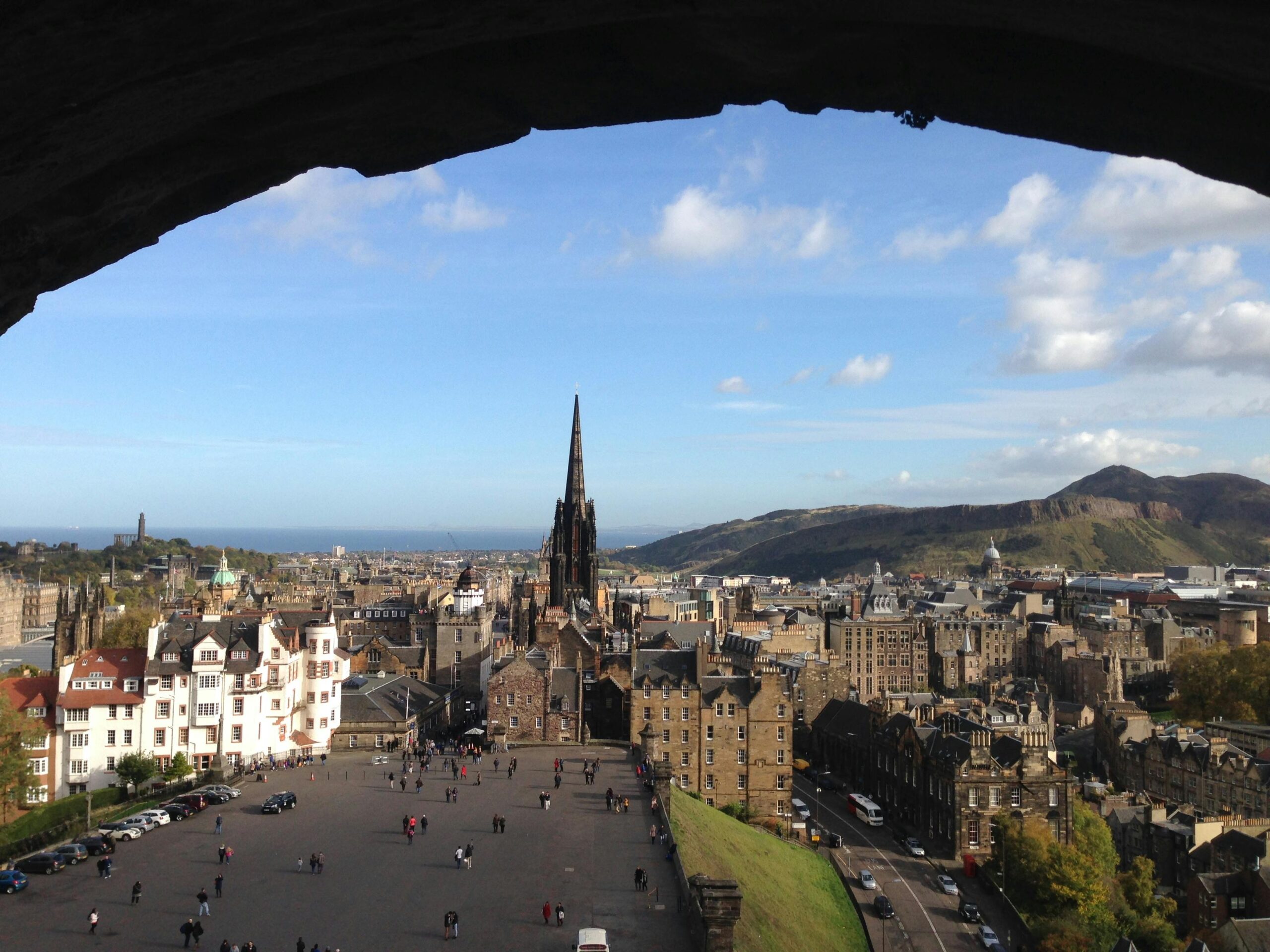
Festivals and the Edinburgh tourist season
Edinburgh’s tourist season peaks in July and August, driven by a cluster of international festivals and the pleasant summer weather. The most famous event is the Edinburgh Festival Fringe in August, when performers flood the city and venues operate late into the night. If you want the cultural intensity of festival season, book months ahead, as accommodation and tickets sell out fast.
Outside August, late spring and early autumn bring fewer crowds but plenty of cultural offerings — museums, historic sites, and seasonal events — with easier access to top attractions. For those seeking local life and lower visitor density, April–June and September–October are ideal times to enjoy the city without the festival influx.
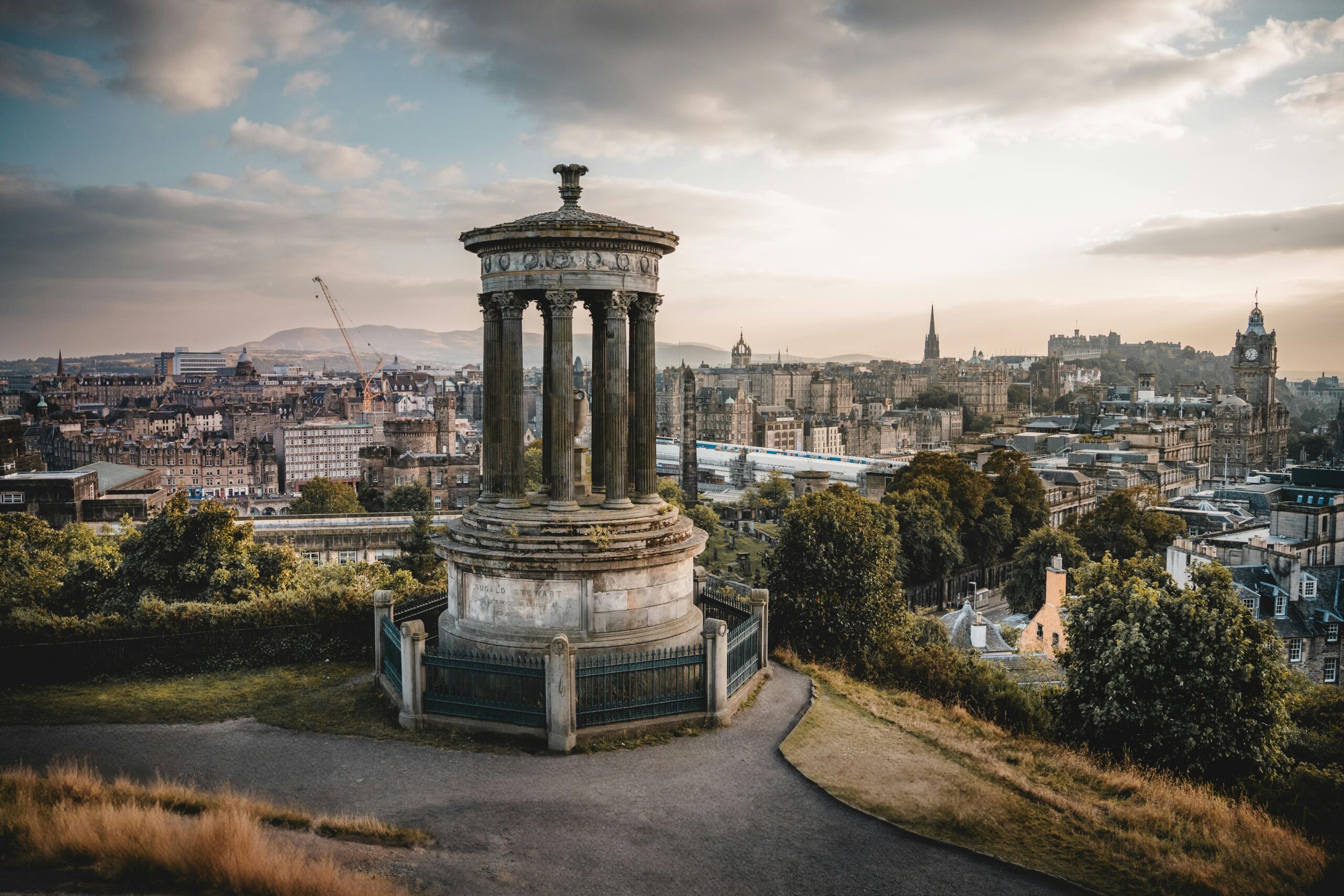
Edinburgh travel cost: budgeting by season
Edinburgh travel cost varies significantly by season. Peak months (July–August) carry the highest hotel rates, longer minimum-stay requirements, and pricier restaurant and tour options. Booking early can lock in better rates; consider midweek stays to reduce lodging costs in high season.
Off-peak months, particularly November through March excluding the Christmas and Hogmanay period, offer the best value. Many hotels lower prices, attractions may run special offers, and flights tend to be cheaper. Keep in mind that some seasonal tours or outdoor activities might be limited in winter, which could change how you allocate your budget.
To estimate daily expenses, factor in accommodation category, planned paid attractions, public transport or car hire, and meals. City center neighborhoods and properties with festival proximity will usually be more expensive during summer.
Practical tips: what to pack and how to get around
Packing for Edinburgh means preparing for layers. A waterproof jacket, comfortable walking shoes with good grip for cobbled streets, and a light sweater or fleece work well for most visits. Even in summer, a compact umbrella and a windproof layer are useful for sudden showers or chilly evenings.
Public transport is efficient: local buses and trams connect major neighborhoods, while many central sites are easily walkable. If you plan day trips further afield, rail links from Waverley and Haymarket stations provide access to the Highlands, Glasgow, or coastal towns. Consider buying tickets in advance for savings, and check schedules for seasonal services or engineering works that may affect travel plans.
Where to stay: neighborhoods for different priorities
Selecting the right neighborhood shapes your Edinburgh experience. The Old Town and Royal Mile put you in the heart of historic sites and festival venues but come with crowds and higher prices. New Town offers Georgian architecture, boutique shops, and quieter streets while still being within walking distance of the castle and major museums.
Leith and Stockbridge appeal to travelers seeking a more local vibe with excellent restaurants and markets; these areas often offer better value lodging and a calmer pace. If budget is a key concern, look slightly outside the center where tram or bus connections remain strong while nightly rates drop.
Regardless of where you stay, check proximity to Waverley Station or tram stops if you plan onward travel, and read recent reviews for noise levels during festival seasons.
FAQs
When is the warmest month in Edinburgh?
July is typically the warmest month, with average highs around 18–20°C (64–68°F). Warm spells can push daytime temperatures higher, but evenings generally remain cool; pack a light jacket even for summer nights.
Is August too crowded to enjoy Edinburgh?
August is the busiest month because of the Fringe and other festivals, which raises crowds and prices. If you enjoy lively atmospheres, this is a great time; for quieter sightseeing, choose late spring or early autumn instead.
How much should I budget per day for Edinburgh?
Daily costs depend on travel style. Budget travelers using hostels and public transport might manage on a modest sum, while mid-range visitors staying in 3-star hotels and dining out should plan for higher amounts. Off-peak months usually reduce lodging and some activity costs significantly.
Can I expect snow in Edinburgh during winter?
Snow is possible but not guaranteed. Winters are often wet and chilly rather than consistently snowy. If snow does fall, it can add scenic charm but sometimes affects transport, so build flexibility into your winter itinerary.
Are many attractions closed in low season?
Some seasonal tours or outdoor attractions may reduce hours in winter, but major museums, castles, and galleries typically remain open year-round. Check official attraction pages for current opening times before booking.
Conclusion
Choosing the best time to visit Edinburgh depends on what you value most: festival energy and daylight in August, milder weather and fewer crowds in late spring and early autumn, or lower costs and seasonal atmosphere in winter. Plan around the kind of experience you want, book accommodation and key tickets in advance when visiting during peak months, and pack for changeable Edinburgh weather so you are ready for whatever the city offers.
For practical planning tools and up-to-the-minute weather information, consult the national climate service and local tourism resources to align your dates with events and forecasts.
Enjoy planning your trip — whether you arrive for the festivals, the cobbled streets, or the quiet beauty of the city in shoulder season, Edinburgh rewards visitors year-round.