Deciding on the best time to visit Edinburgh depends on what you want from the trip: dramatic skyline views, lively festivals, quieter streets, or lower travel costs. This guide shows how Edinburgh’s seasons, events, and practicalities come together so you can choose the right month and plan with confidence.
Use this article to weigh weather, crowds, and budgets. It includes seasonal breakdowns, crowd and cost guidance, packing tips, and concise answers to common questions about Edinburgh weather, Edinburgh travel cost, and Edinburgh tourist season.
When is the best time to visit Edinburgh?
For many visitors, late spring to early autumn (May to September) represents the best time to visit Edinburgh because mild weather and long daylight hours make exploring easy. May and June offer a pleasant balance of warmth and fewer tourists than July and August, while September provides cooler evenings with thinning crowds. If you want to combine good weather with city energy, plan for late May through early September.
If your priority is to avoid crowds and save money, consider shoulder seasons: March to April and October to November. These months often have unpredictable conditions but lower accommodation rates and more available tables at popular restaurants. Winter brings short days and a brisk atmosphere; however, it’s a special time to see Edinburgh’s historic streets under festive lights.
Edinburgh weather by season
Edinburgh’s climate is maritime—temperatures are rarely extreme, but weather changes can be frequent. Summers (June–August) typically range from 15–20°C (59–68°F) with occasional warmer spells; rain showers are possible at any time. Spring and autumn feature cooler temperatures and variable days, while winter (December–February) averages near freezing at night but rarely endures prolonged snow.
For up-to-date forecasts and climate data before booking, check the national weather service. A reliable source for current conditions and month-by-month climate summaries is the Met Office, which helps with planning outdoor activities and packing decisions.
Festivals, events and Edinburgh tourist season
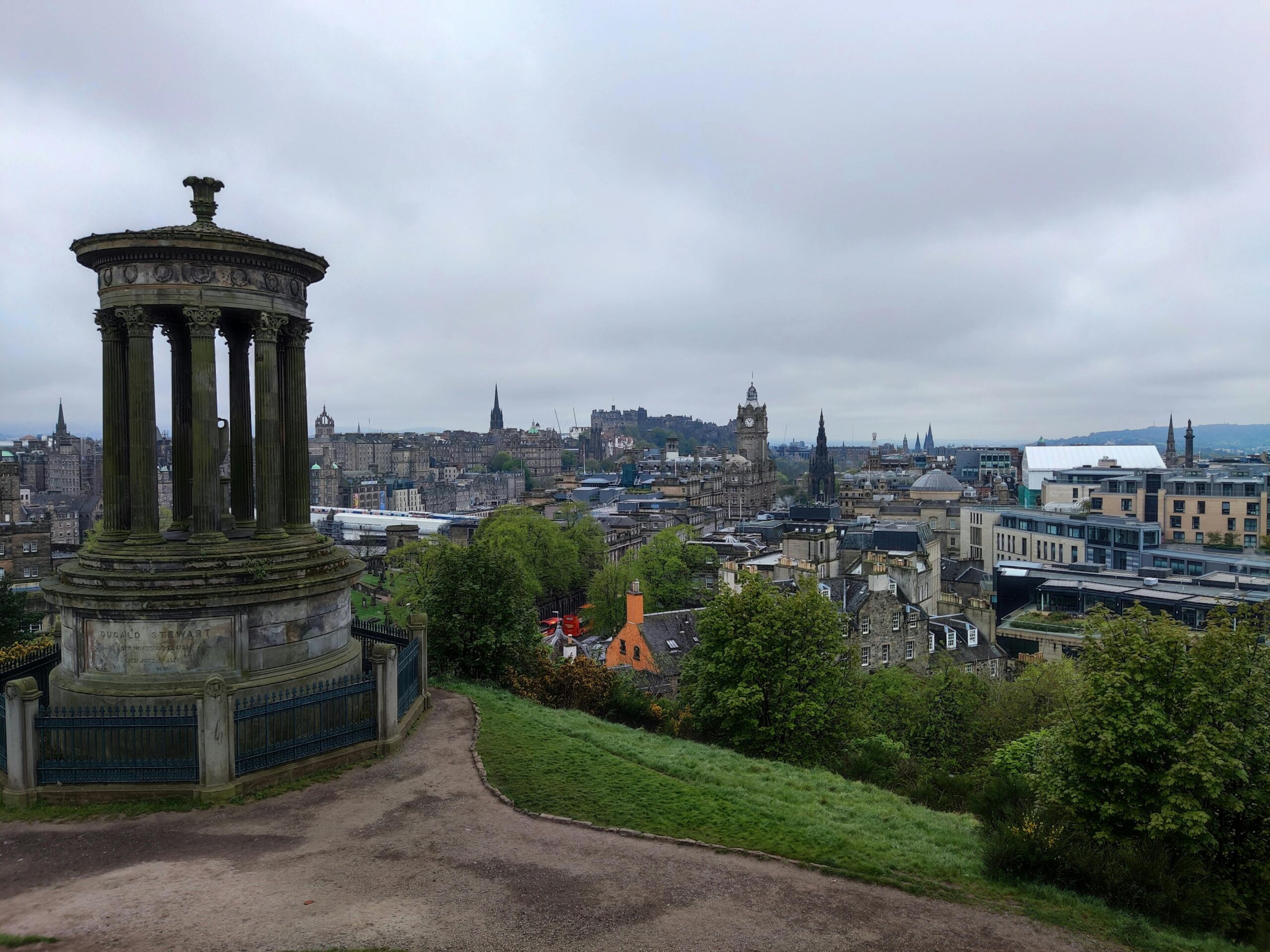
Edinburgh’s international reputation rests heavily on its festivals. August is the peak of the tourist season due to the Edinburgh Festival Fringe, the Edinburgh International Festival, and the Royal Edinburgh Military Tattoo. These events attract global audiences and dramatically increase demand for hotels and restaurants.
If you’re visiting specifically for festival culture, book at least 3–6 months ahead. For a fuller calendar of events beyond August—covering literary, film, and music festivals throughout the year—official visitor information can give calendar details and ticketing guidance, which is useful for timing your trip around specific events.
How crowds affect experience and costs
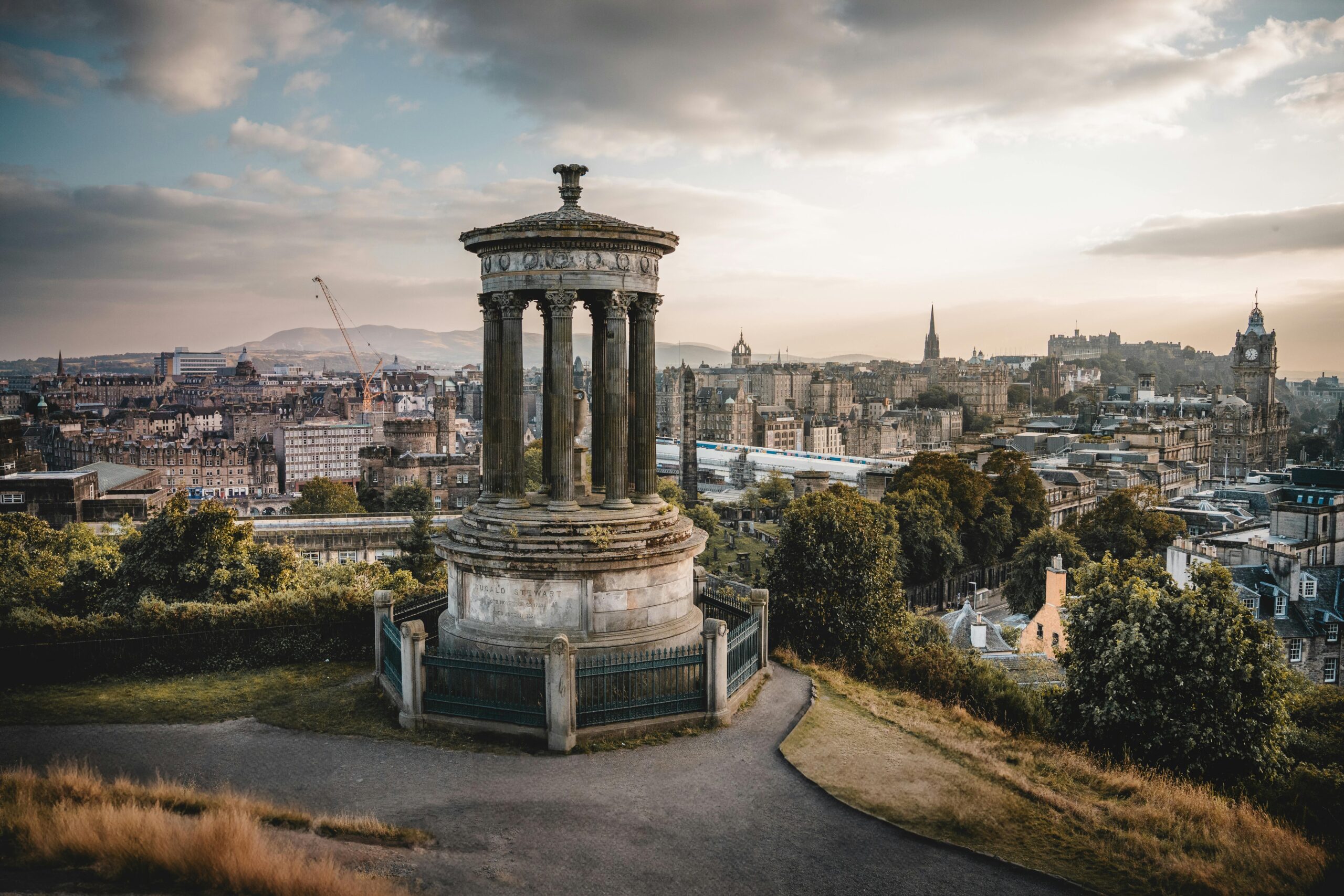
High season (July–August) means busy streets, longer lines at attractions like Edinburgh Castle and Holyrood Palace, and higher prices for accommodation and flights. If you prefer quieter sightseeing, weekdays in late spring or early autumn are ideal. Attractions often have less-congested early-morning or late-afternoon windows, even during busier months.
Edinburgh travel cost varies significantly by season. Expect peak summer prices for hotels and a premium for centrally-located rooms during festival weeks. Conversely, winter and shoulder seasons can save you 20–40% on lodging. Booking well in advance or searching for midweek stays can help reduce overall trip costs.
Budgeting: planning for Edinburgh travel cost
To estimate expenses, break your budget into accommodation, food, transport, and attractions. Accommodation is the largest variable and will rise sharply during festival weeks. Meals and local transport are moderate: many affordable cafes and pubs offer set lunches, and a day bus pass or a few tram rides keeps city travel tidy.
- Accommodation: budget hostels and guesthouses are cheapest in low season; mid-range hotels peak in August.
- Food: you can find meals from inexpensive to high-end—allow a mix of pub meals and one or two special dinners.
- Transport: public transport in the city is efficient; rail or coach connections are sensible for day trips.
- Attractions: book major sites in advance during busy months to avoid price surges and sold-out time slots.
For practical visitor planning, Scotland’s official tourism site provides helpful travel and event planning resources, which can inform budgeting and dates.
What to pack and practical travel tips
Packing for Edinburgh means preparing for changeable weather. Bring layers, a compact waterproof jacket, comfortable walking shoes for cobblestones and hills, and a small umbrella. Even in summer, evenings can be cool—include a light fleece or sweater. If you’ll be attending festival venues, plan for both indoor and outdoor programs.
- Essentials: layers, waterproof outerwear, sturdy shoes, power adapter (UK three-pin), and a small daypack.
- Money: contactless payments are widespread, but carry a small amount of cash for markets or smaller vendors.
- Booking: reserve popular attractions and restaurants in advance during August; otherwise many places accept walk-ins.
- Transport: the city is compact and walkable, but buses and trams provide good connectivity—consider a day ticket for convenience.
Day trips and alternative seasons
Choosing the best time to visit Edinburgh can also depend on side trips you want to take. Clearer weather in late spring and summer improves visibility for Highlands excursions and coastal drives. If you want to combine city sightseeing with quieter countryside walks, May–June and September are good windows.
For wildlife or atmospheric winter photography, November through February has dramatic skies and moody landscapes, though shorter daylight hours may limit longer excursions. If your travel dates are flexible, compare day-trip itineraries and open hours across seasons to avoid disappointment.
FAQs
When is Edinburgh warmest?
The warmest months are typically July and August, with average daytime temperatures around 15–20°C (59–68°F). Warm spells can push temperatures higher, but sea-influenced weather means heat is usually moderate and short-lived.
Is winter a bad time to visit Edinburgh?
Winter is not bad if you prioritize smaller crowds and festive atmospheres. Days are shorter and cooler, but you’ll find lower accommodation rates and seasonal events. Some attraction hours may be reduced, so check opening times before you travel.
How much should I budget per day in Edinburgh?
Daily budgets vary by travel style. A tight budget traveler can manage on £40–£70 per day using hostels, public transport, and inexpensive meals. Mid-range travelers should budget £100–£200 per day for comfortable hotels, entry fees, and a few restaurant meals; festival periods may raise these amounts.
Are there months to avoid because of crowds?
If you want to avoid crowds, skip August—especially the middle of the month—when festivals peak. Late July can also be busy. Consider visiting in May, June, or September for lighter tourist traffic and favorable weather.
Where can I find reliable weather and event information before I go?
Official weather forecasts and detailed climate data are best accessed via the national meteorological service, and event calendars and visitor guidance are available from the Scottish tourism authority for planning festival attendance and tickets.
Conclusion
Choosing the best time to visit Edinburgh comes down to trade-offs: July–August for festival energy and long days, May–June or September for milder weather and fewer tourists, and winter for lower prices and seasonal charm. Think about what matters most—weather, crowds, events, or costs—and plan bookings accordingly. With the strategies above, you can pick dates that match your priorities and make the most of Edinburgh’s rich history, vibrant arts scene, and compact, walkable streets.