
Deciding on the best time to visit Egypt depends on what you want to see and do: beaches, ancient sites, or a relaxed Nile cruise. Based on official climate data and tourism board guidance, this guide outlines seasonal patterns so you can choose dates that match your priorities and comfort level.
This egypt weather by month travel guide breaks down temperatures, rainfall, crowds and local events across regions — from Cairo and Luxor to the Red Sea and Mediterranean coast — and offers practical tips to help you plan an enjoyable trip.
When is the best time to visit Egypt: overview
Generally, the shoulder seasons — late autumn (October–November) and early spring (February–April) — offer the most comfortable conditions for touring temples and cities. Daytime temperatures are milder, humidity is lower, and the tourist crowds are smaller than in peak winter. These months balance pleasant weather with good visibility for outdoor sightseeing.
Winter (December–January) brings cooler nights and occasional chilly days in Upper Egypt, but it is the busiest season for cultural tourism and Nile cruises. Summer (June–August) is extremely hot across much of the country, particularly in Upper Egypt around Luxor and Aswan; however, coastal resorts on the Red Sea remain popular for diving and snorkeling despite high temperatures because of calm seas and excellent underwater visibility.
Month-by-month climate and travel guide
This month-by-month breakdown uses official climate averages to show what to expect by season. Use it to match activities (sightseeing, diving, festivals) with months that best serve your interests.
Short summary: October–April is ideal for sightseeing and cruises; May and September are transition months with rising temperatures; June–August are best for Red Sea beach holidays and fewer temple visits unless you tolerate high heat.
| Month | Typical weather | Best for | Notes on crowds |
|---|---|---|---|
| January | Cool days (15–20°C Cairo), cold nights in desert | Culture, museums, Nile cruises | High (holiday season) |
| February | Mild, sunny; warming toward month end | Temple tours, desert treks | Moderate to high |
| March | Warm days; spring pollen in some areas | Full sightseeing, comfortable nights | Moderate |
| April | Warming significantly, especially inland | Early desert trips, fewer crowds than winter | Moderate |
| May | Hot in Upper Egypt (30–38°C); pleasant at coast | Coastal resorts, early summer diving | Low to moderate |
| June | Very hot inland; warm Red Sea waters | Beaches, diving, quieter temple visits for heat-tolerant travelers | Low |
| July | Peak heat; temperatures often exceed 40°C in south | Water sports, Red Sea escapes | Low |
| August | Similar to July; sometimes hazy with dust | Resorts, diving, inexpensive travel options | Low |
| September | Cooling from summer; humid at coasts | Late-season diving, transitioning to sightseeing | Low to moderate |
| October | Comfortable; pleasant daytime temperatures | Best month to combine beach and sites | Rising |
| November | Cool and dry; excellent visibility | Prime sightseeing | High |
| December | Cool days, chilly nights in desert | Festivals, museum visits, cruises | High |
For booking accommodations around peak festivals and cruise seasons, many travelers compare hotel options in advance to secure preferred dates. You can explore current hotel availability on popular platforms when you finalize your itinerary: book hotels in Egypt.
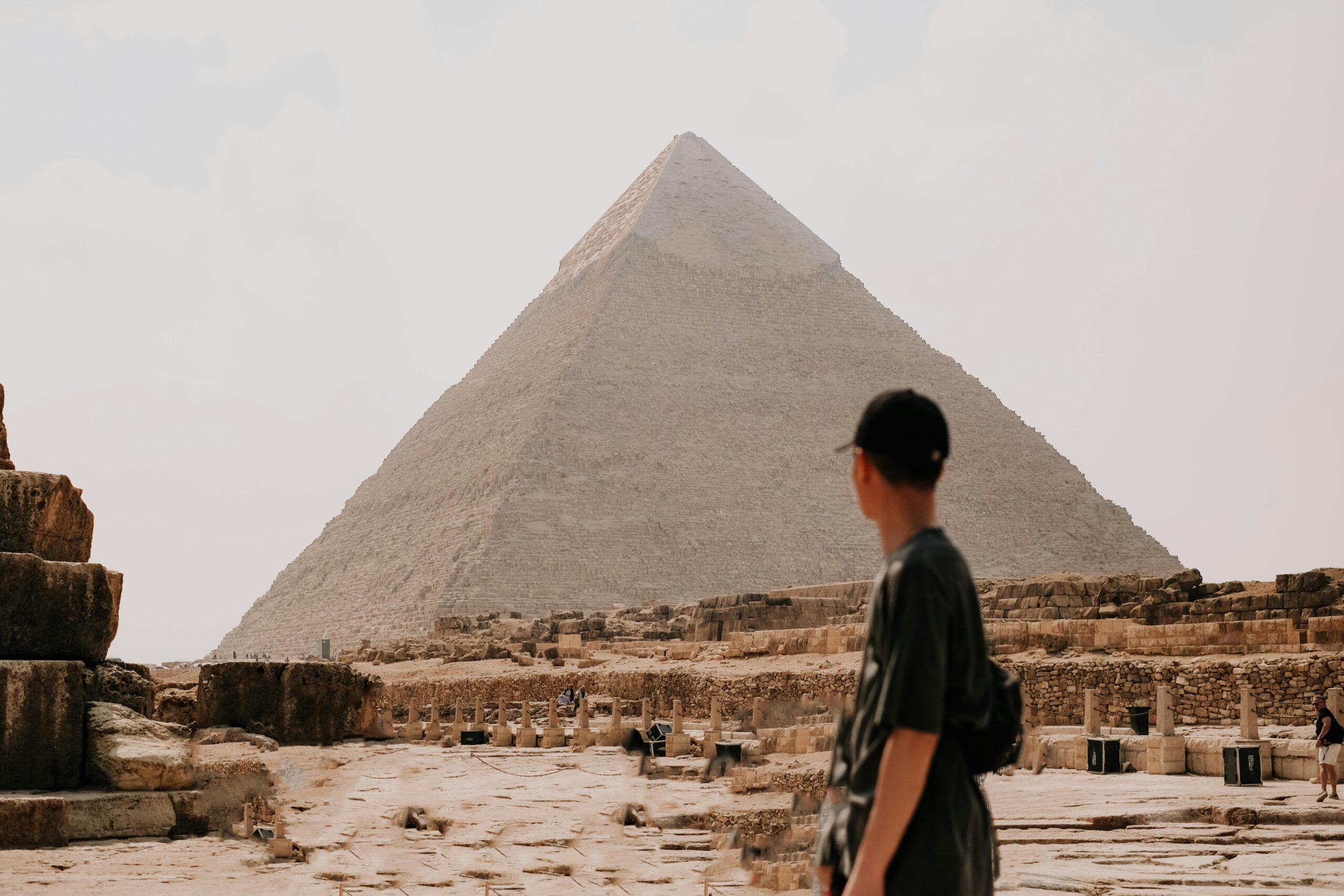
Regional climates: Cairo, Nile Valley, Red Sea and Mediterranean
Egypt’s climate varies by region. Understanding local differences helps you plan where to go and when:
- Cairo and the Delta: Typical Mediterranean-influenced climate with mild, rainy winters and hot, dry summers. Comfortable months: October–April.
- Nile Valley (Luxor, Aswan): Hot desert climate with extreme summer heat and mild winters. Best visited between October and April for temple visits and cruises.
- Red Sea (Hurghada, Sharm el-Sheikh): Arid with very warm winters and very hot summers; excellent diving year-round, though April–June and September–November combine warm water with moderate air temperatures.
- Mediterranean coast (Alexandria): Cooler summers and wetter winters; best for coastal city breaks in spring and autumn.
These regional distinctions affect both the comfort of outdoor activities and the kind of clothing and protection you should pack.
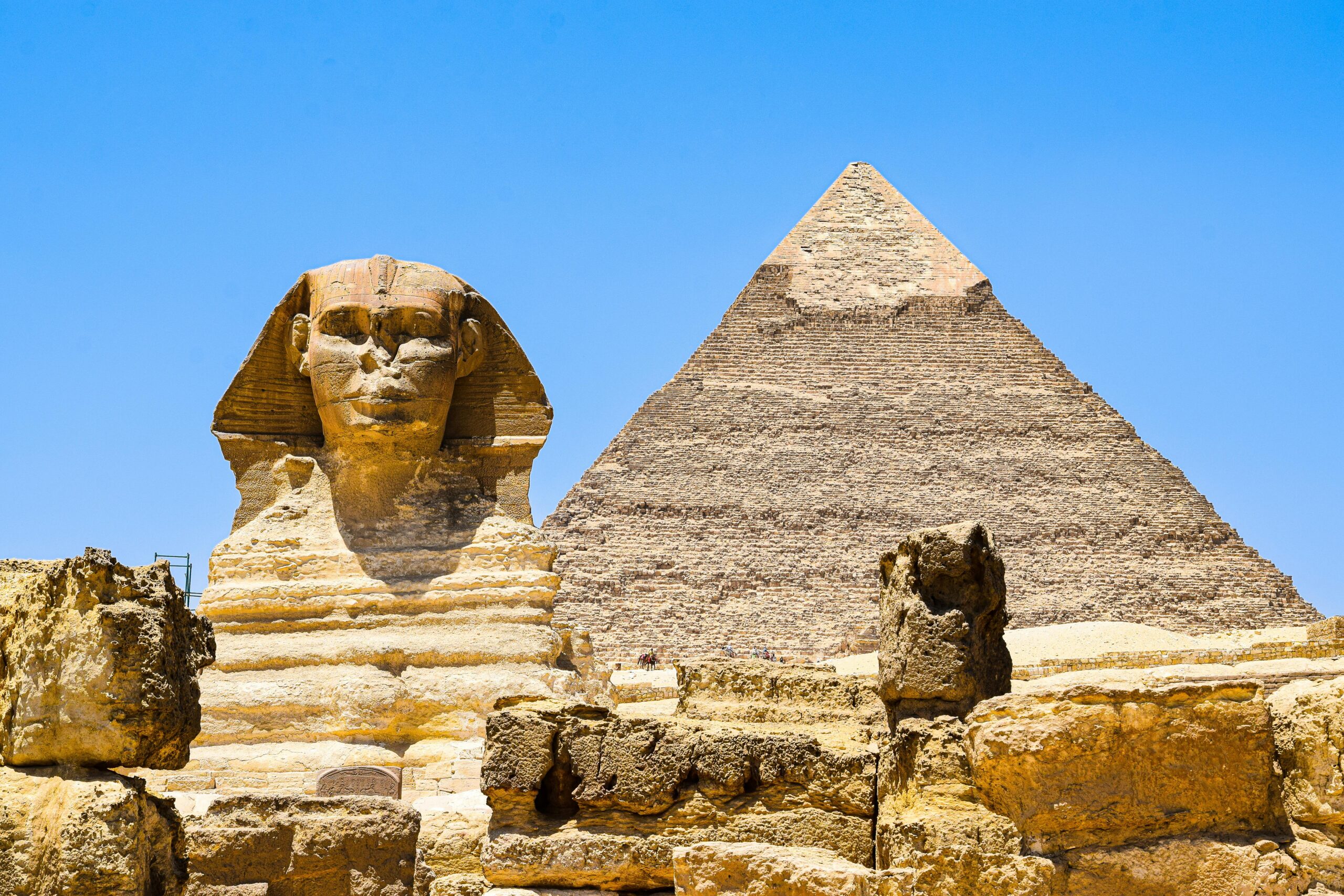
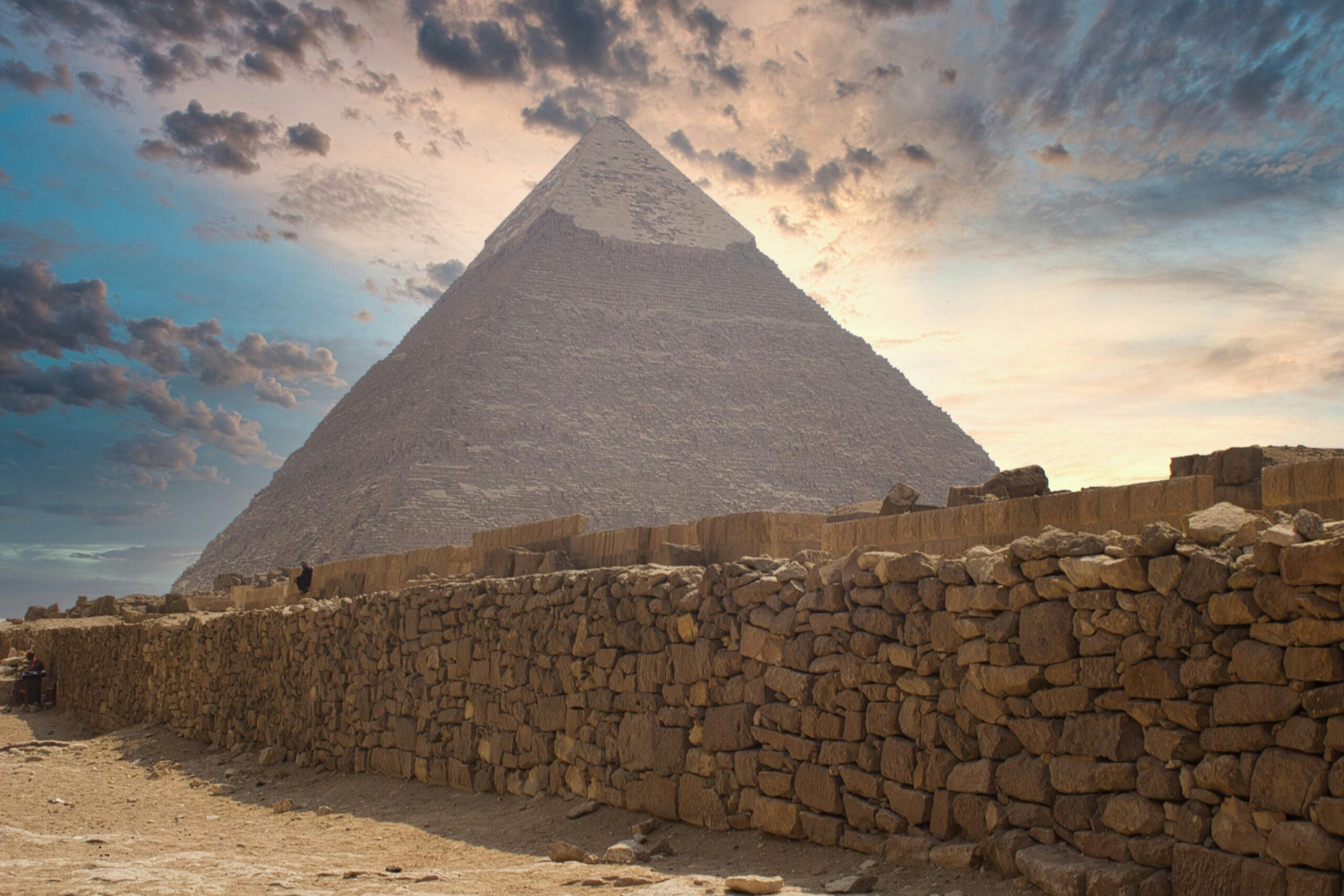
Choosing dates by activity: temples, Nile cruises, diving and festivals
Match your activity to the season:
- Temple sightseeing and archaeological sites: Visit during October–April to avoid extreme heat and to have comfortable daytime conditions for long outdoor excursions.
- Nile cruises: Peak cruise season is November–March when nights are cooler and river sightseeing is most pleasant.
- Red Sea diving and snorkeling: Diving is excellent year-round; summer months (June–August) bring warm water and excellent underwater visibility, but hiking inland should be avoided then.
- Desert trekking and Sinai hikes: Best in spring and autumn when temperatures are moderate; winter nights in the desert can be cold so bring layers.
- Local festivals and observances: Cultural events and national holidays (including Ramadan dates, which vary each year) can change visitor experiences — plan for altered business hours and unique local atmosphere during these times.
If you plan to travel during religious holidays, check official tourism updates as services and opening hours may vary; information from the national tourism board helps travelers set expectations and find event schedules on official channels: Egypt’s official tourism board.
Practical packing and comfort tips by season
Packing for Egypt is about layering, sun protection and sensible footwear. Here are practical tips based on season:
- Autumn/Spring (Oct–Nov, Feb–Apr): Light layers, a light jacket for evenings, comfortable walking shoes, hat and sunscreen.
- Winter (Dec–Jan): Warm layers for desert nights, a medium-weight jacket in Cairo if you plan early-morning temple visits, and a scarf for wind and dust.
- Summer (May–Aug): Breathable fabrics, sun hat, strong sunscreen, and plan indoor or early-morning activities to avoid midday heat. Carry adequate water; dehydration risk is higher in summer.
- General items: Reusable water bottle, loose clothing respectful of local customs when visiting religious sites, a small first-aid kit, and swimwear for Red Sea resorts.
For cruise travelers, bring a mix of casual daywear and a smarter outfit for evening dining. For archaeological site visits, long sleeves and sun protection reduce sunburn risk during long walks.
Money, crowds and travel costs by season
Travel costs and crowd levels fluctuate with the seasons. Winter and early spring draw the largest tourist numbers because of pleasant weather, which also raises hotel and tour prices. Summer typically offers lower prices and more availability, especially in inland tourist hubs, but increased heat affects comfort and activity choices.
For travelers seeking value and lower crowds, consider late April or September when temperatures are rising or falling but rates remain reasonable. If your focus is diving and beach time, summer can be attractive due to fewer crowds at key resorts and clear sea conditions.
Health and safety considerations throughout the year
Health precautions vary by season. In summer, heat-related illnesses are the main concern; stay hydrated, limit midday exposure, and recognize heat exhaustion signs. In winter, chilly desert nights require warm clothing to prevent discomfort.
- Drink bottled or filtered water and avoid ice from unregulated sources.
- Use sunscreen and protective clothing year-round; UV can be strong even on cooler days.
- Follow local guidance about swimming conditions in the Red Sea and coastal currents.
- Check vaccination and travel advisories before travel; carry a small medical kit and any prescription medicines.
If you plan health-sensitive activities (diving, high-exertion desert treks), schedule them in moderate-temperature months and consult local operators for safety standards.
Getting around: best seasons for transport and itineraries
Transport options are available year-round, but comfort varies by season. Road travel in summer can be challenging due to heat, and some desert safaris may be limited during hottest months. Nile cruises operate primarily in the cooler months, and train and domestic flight schedules remain consistent year-round.
- Best seasons for overland sightseeing: October–April for comfortable daytime driving and walking.
- Best seasons for Red Sea travel: April–June and September–November for a balance of warm water and moderate air temperatures.
- Nile cruises: November–March to avoid extreme heat during shore excursions.
Advance booking is recommended for major routes and popular cruise dates. Many travelers use online booking tools to compare itineraries and accommodations once their travel dates are decided.
FAQs
What is the single best month to plan a trip to Egypt?
October is often recommended as the single best month because daytime temperatures are warm but not extreme across most regions, nights are comfortable, and the Red Sea water is pleasant for swimming and diving. October also precedes the peak winter crowds, offering a good balance of weather and fewer tourists than the high season.
How hot does it get in Luxor and Aswan during summer?
Summer temperatures in Luxor and Aswan commonly exceed 40°C (104°F) during peak months (June–August). High heat can make daytime sightseeing uncomfortable; early morning or late afternoon visits are advisable, with midday rest and strong sun protection.
Can I dive in the Red Sea year-round?
Yes. The Red Sea offers excellent diving visibility year-round. Winter months provide slightly cooler air but warm water; summer months bring higher water temperatures and very good underwater visibility. Check seasonal conditions for specific dive sites and confirm operator schedules.
How does Ramadan affect traveling in Egypt?
Ramadan dates move each year and can affect opening hours for restaurants, shops and attractions. Many establishments adapt to serve tourists, but daytime closures or reduced hours are possible. Nights during Ramadan can be lively with special meals and cultural activities; plan accordingly and check local schedules in advance.
Are Nile cruises comfortable in winter?
Nile cruises in winter (November–March) are popular because daytime temperatures are mild and comfortable for shore excursions. Nights can be cool, especially on deck, so bring a light sweater or jacket. Booking early for winter months is advisable due to higher demand.
Conclusion
Choosing the best time to visit Egypt depends on what you want to experience: for temple tours and Nile cruises, aim for October–April; for beach holidays and diving, the Red Sea is excellent year-round with summer offering warmer water and fewer crowds. Use this climate-focused, month-by-month travel guide based on official weather and tourism data to align activities with seasonal conditions and to pack appropriately.
Plan ahead for holidays, check regional weather closer to your travel dates, and book essential services early if traveling during peak months. With thoughtful timing, Egypt rewards visitors with iconic ancient sites, vibrant coastal life, and a variety of climates that suit many types of trips.