The best time to visit Florence depends on what you value most: mild weather, smaller crowds, lower prices, or lively cultural events. This guide uses official tourism data and seasonal travel trends to explain how weather, costs, and tourist seasons change through the year so you can pick the ideal window for your trip.
Below you’ll find a clear, practical breakdown of each season, crowd patterns, budgeting tips, and planning advice so you can decide whether to visit for sunny outdoor strolls, Renaissance art without long lines, or festive winter markets.
Overview: seasons, crowds, and what to expect
Florence’s climate is Mediterranean with continental influences: hot, dry summers and cool, damp winters. Florence weather affects not only comfort but crowd sizes and prices. Peak tourist season generally runs from late spring through early autumn when most attractions operate at full hours and outdoor dining is at its liveliest.
When weighing your travel dates, consider three linked factors: temperature and rainfall, the intensity of the Florence tourist season, and travel cost fluctuations. Official tourism sources report the heaviest arrivals in June–September, while shoulder months (April–May, September–October) balance pleasant conditions with fewer visitors.
Spring (March–May): why many consider it the sweet spot
Spring is often recommended as the best time to visit Florence by travelers who want comfortable weather and manageable crowds. Daytime temperatures typically rise from the high single digits in March to the mid-teens and low twenties Celsius by May, with sporadic rainfall early in the season.
Highlights of visiting in spring:
- Blooming green spaces and comfortable walking weather for exploring the historic center and Boboli Gardens.
- Longer daylight that makes museum-hopping and piazza dinners more enjoyable.
- Shoulder-season rates for many hotels and easier reservations than peak summer months.
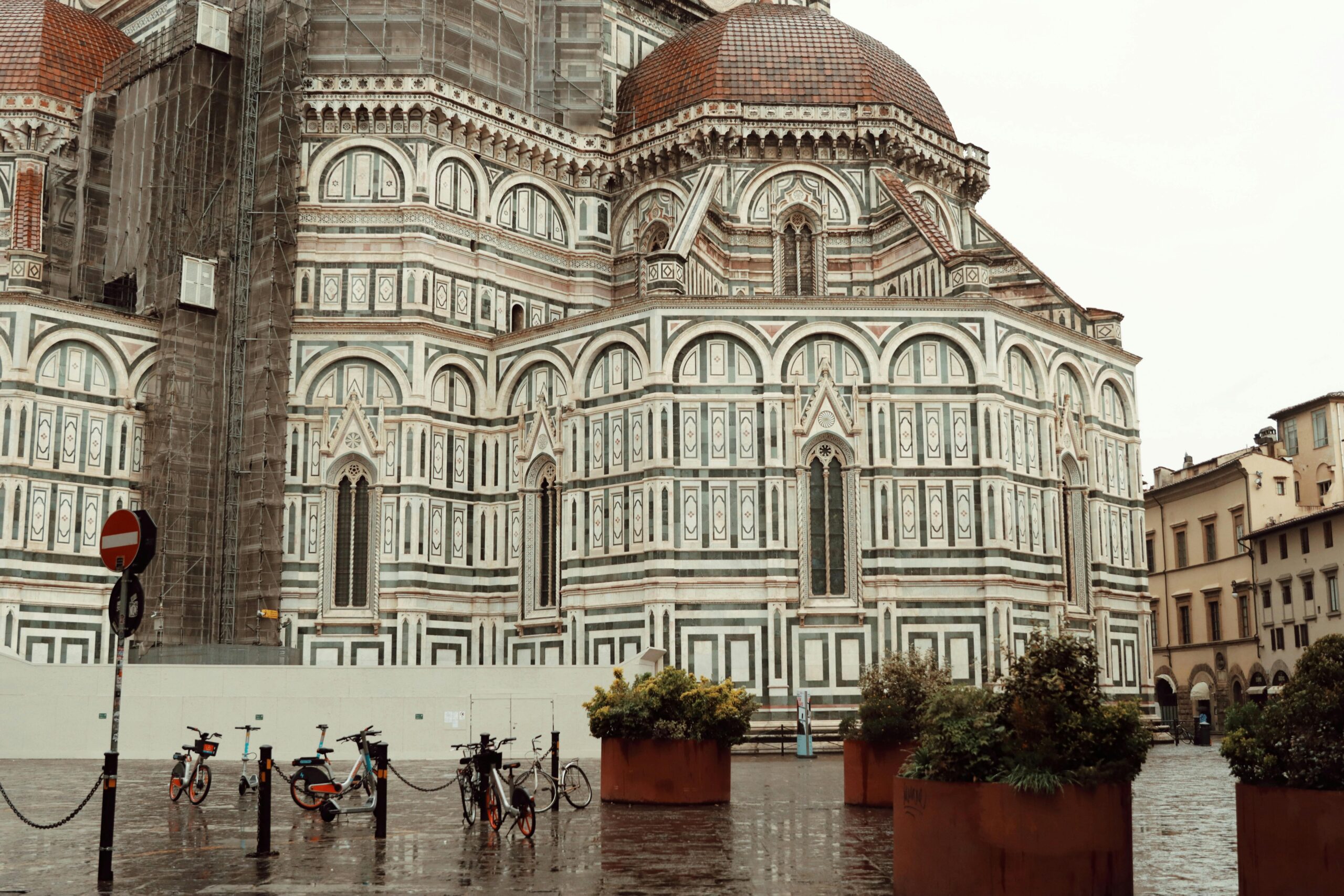
Drawbacks: popular attractions like the Duomo, Uffizi, and Accademia still attract steady queues during holidays (Easter and late April), so book timed-entry tickets for major museums in advance.
Summer (June–August): hot, busy, and lively
Summer is Florence’s busiest period. Temperatures frequently climb into the high twenties and low thirties Celsius, and heat waves can push them even higher. Long, sunny days are ideal for rooftop bars and late-night passeggiata but less comfortable for midday outdoor touring.
Expect crowded streets, fully booked restaurants, and extended queues at major museums unless you secure timed tickets and early access. Many Italians take August holidays, and some smaller shops close in late August during Ferragosto week, though tourist services remain active.
Summer advantages:
- Extended opening hours for attractions and vibrant cultural programming, including open-air concerts and festivals.
- Maximum availability of guided tours, walking routes, and seasonal menus at trattorie.
Autumn (September–November): warm starts, quieter finishes
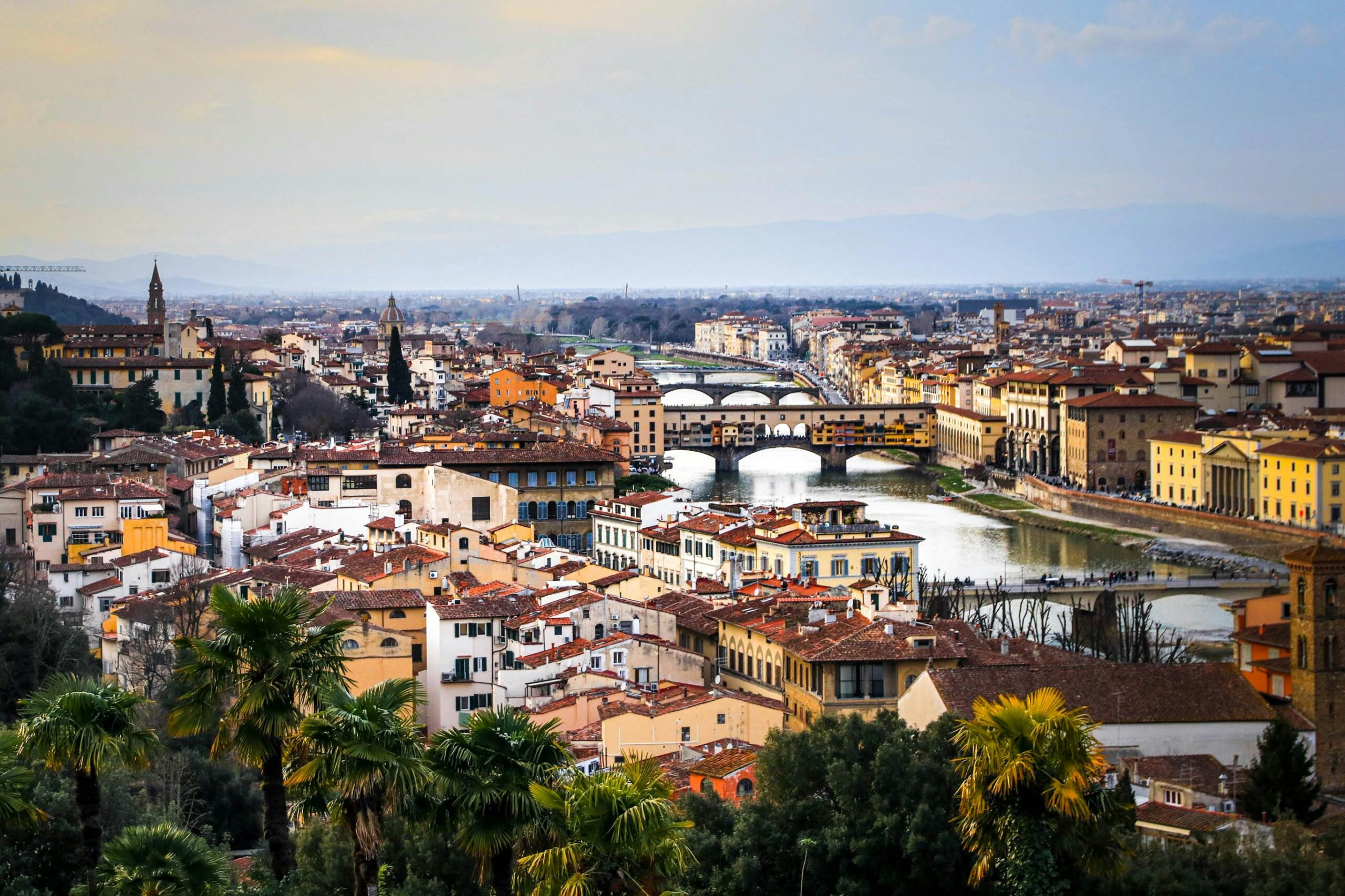
Autumn combines some of the best qualities of spring and summer: September and early October usually offer warm, pleasant days and thinner crowds than July–August. By late October and November temperatures cool and rainfall increases, but the city takes on a calmer, more atmospheric feel.
Reasons to travel in autumn:
- Harvest season brings fresh, rich Tuscan cuisine to menus—truffles, wild boar, and new olive oil feature prominently.
- Wine events and local markets appear across the region as vineyards press grapes, making it an excellent time for day trips to the Chianti area.
- Shoulder-season pricing and fewer tourists make it easier to book sought-after restaurants and guided tours.
Late autumn is ideal if you prefer indoor cultural experiences—extended museum visits and classical concerts in historic settings—without the summer rush.
Winter (December–February): off-season calm and lower prices
Winter is the quietest travel season in Florence. Temperatures hover around single digits to low teens Celsius, with occasional cold snaps and rain. Snow is rare but not impossible; when it falls the city becomes strikingly picturesque.
Winter benefits include:
- Significantly lower Florence travel cost for hotels and flights outside the Christmas and New Year period.
- Shorter lines at the Uffizi and Accademia and easier access to reservations at popular restaurants.
- A chance to experience local life without vast tourist crowds—perfect for photography-focused or slow-paced cultural trips.
Considerations: some small shops and trattorias may reduce hours, and certain outdoor events are seasonal, so check opening times in advance. The Christmas market in Piazza Santa Croce is charming but busier than the rest of winter.
Budgeting, crowds, and travel planning
Florence travel cost varies strongly by season. Here are typical tips and ballpark daily cost ranges to help plan:
- Accommodation: expect 20–40% higher rates in July–August and during major holidays; shoulder months provide the best value for mid-range hotels.
- Meals and local transport: food costs are relatively stable year-round, but reserving ahead for popular dining in summer prevents last-minute premium pricing.
- Museum tickets and guided tours: timed-entry tickets are recommended in spring and summer; advance booking often saves time and ensures entry on busy days.
Sample daily budget ranges (per person, excluding flights):
- Budget traveler: €60–€100 (hostel or budget hotel, market meals, walking)
- Mid-range traveler: €150–€300 (3-star hotel, mix of trattorie and sit-down restaurants)
- Comfort traveler: €300+ (4–5-star hotels, private guides, frequent dining out)
To reduce costs and crowds, aim for weekday visits to major museums, stay in less-central neighborhoods with good transit links, and book attraction tickets and restaurants well in advance.
Practical tips for choosing your travel dates
Decide which trade-offs matter most: warm weather and long evenings (summer), mild conditions and fewer tourists (spring and autumn), or low prices and calm streets (winter). Consider events and local holidays when both crowds and prices spike.
Check long-term climate trends and short-term forecasts before booking; for climate normals and month-by-month averages consult reliable weather sources and up-to-date forecasts such as current forecasts at Weather.com to plan what to pack and which days will be best for walking tours or countryside trips.
For historical and cultural context that can enrich your visit—museums, churches, and civic history—you can read the city overview on the Florence entry on Wikipedia. Cross-referencing official tourism information with seasonal event calendars will help you time your visit to coincide with exhibitions, festivals, or quieter stretches.
FAQs
When is peak tourist season in Florence?
Peak tourist season runs from late May through August, with July often the busiest month. Expect larger crowds at major museums, higher accommodation prices, and busier public spaces during this period.
How is the Florence weather throughout the year?
Florence has hot, dry summers and cool, wetter winters. Spring and autumn are generally mild and are considered the most comfortable for sightseeing. Sudden rain showers are possible outside of summer, so carrying a compact umbrella is wise.
Can I find low Florence travel cost options if I visit in summer?
Lower prices in summer are harder to find because demand is highest, but you can save by booking far in advance, choosing nearby towns for accommodation, and traveling during weekday low-demand periods. For significant savings, consider visiting in late autumn or winter.
Are museum lines long year-round?
Lines fluctuate: they are longest in peak months and during public holidays. Booking timed-entry tickets online or purchasing a city pass that includes priority entry will reduce waiting time, especially for the Uffizi and Accademia.
Which month offers the best balance of weather and fewer crowds?
Late April through early June and mid-September through early October usually offer the best balance of pleasant weather, reasonable daylight hours, and smaller crowds compared with July and August.
Conclusion
Choosing the best time to visit Florence comes down to priorities: warm weather and nightlife in summer, comfortable touring and smaller crowds in spring and autumn, or lower costs and quiet streets in winter. Use seasonal weather patterns, official tourism trend data, and current forecasts to pick dates that match your interests—then secure timed-entry museum tickets and reservations to make the most of your stay. With a little planning, you can enjoy Florence’s art, food, and history at a pace that suits you.