Deciding the best time to visit Granada means balancing weather, crowds and events so you can experience the Alhambra, the Albaicín and Sierra Nevada at their most rewarding. Whether you want warm evenings for tapas in the old town or crisp mountain air for a day trip to the ski slopes, timing your trip will shape your whole stay.
This guide breaks down the seasons, month-by-month considerations, weather patterns, typical travel costs and practical tips for avoiding crowds during Granada’s busiest periods. Read on to find the ideal window for your interests—culture, food, hiking, or a combined city-and-mountains itinerary.
Why timing matters in Granada
Granada’s appeal comes from its compact historic core and immediate proximity to the Sierra Nevada. As a result, Granada weather can vary strongly between the city and the mountains: hot, dry summers in the lowlands and snowy winters at altitude. Choosing the right month affects what you can comfortably do each day—sightseeing at the Alhambra requires cooler mornings in summer, while skiable snow makes winter attractive for outdoor enthusiasts.
Another timing factor is local events and visitor flow. Granada tourist season peaks in midsummer and during Semana Santa (Holy Week), when streets, monuments and hotels are busiest. Low-season travel delivers lower prices and fewer lines, but some attractions may have reduced hours, so plan accordingly.
Best seasons at a glance
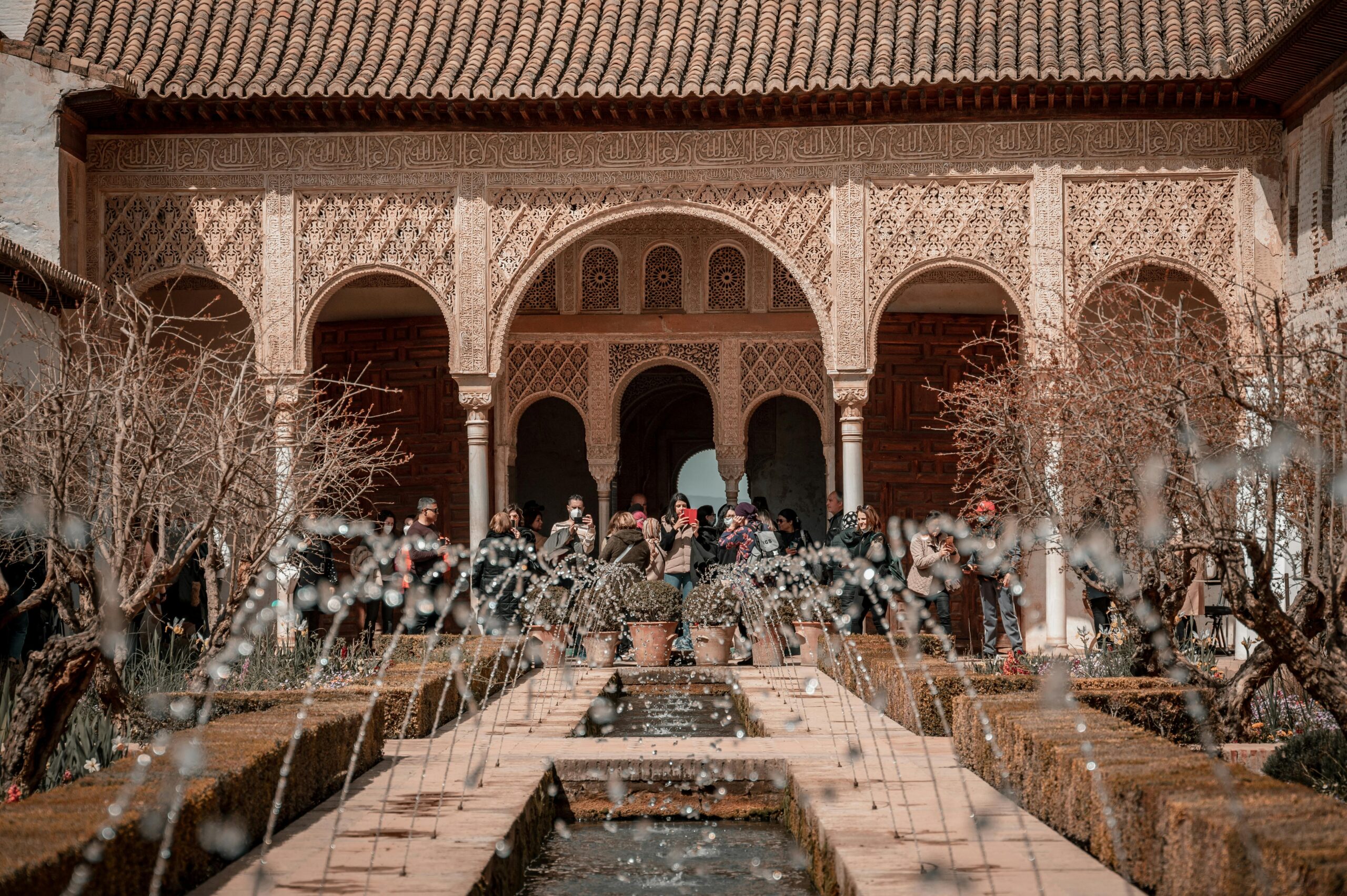
Spring (April–June) and autumn (September–October) are generally the best seasons for a visit: mild temperatures, fewer extreme heat days and lively streets without the full summer crowds. In spring, orange trees and flowered patios bring extra charm, while autumn provides warm daytime temperatures and cooler evenings—perfect for long walks through the Albaicín and Sacromonte.
Summer (July–August) brings the highest temperatures and the most tourists. Expect long, hot afternoons and busy evenings as visitors spill into plazas and restaurants. Winter (December–February) is quieter and colder, with the bonus of easy access to Sierra Nevada’s slopes and lower Granada travel cost for flights and hotels.
Month-by-month planning
Use this month-by-month guide to align your itinerary with weather, events and opening times. Each entry highlights what to expect and practical tips for making the most of your visit.
- January–February: Cool days and chilly nights, occasional rain. Fewer tourists and off-season rates make this a good time for budget travelers and for pairing the city with skiing in the nearby Sierra Nevada.
- March: Spring begins; temperatures rise and almond blossoms appear. The city wakes up before the main tourist flows; a good month for lower prices and pleasant walks.
- April (Semana Santa): Holy Week can be one of the busiest religious and cultural weeks in Granada—processions draw crowds but also provide powerful cultural experiences.
- May–June: Arguably the ideal months: warm but not hot, floral streets and many outdoor events. Book Alhambra tickets in advance for mornings or late afternoons.
- July–August: Hottest months with heavy tourist traffic. Midday can be uncomfortably hot for walking; plan visits to major sites early or late, and enjoy cooler evenings on terraces.
- September–October: Return to comfortable temperatures and a second peak of cultural activity in early autumn. Vineyards and surrounding countryside are particularly attractive now.
- November–December: Cooler, wetter and quieter, with Christmas markets and fewer queues. Good for travelers who prefer museums, indoor dining and bargain hotel rates.
Granada weather: what to expect and pack
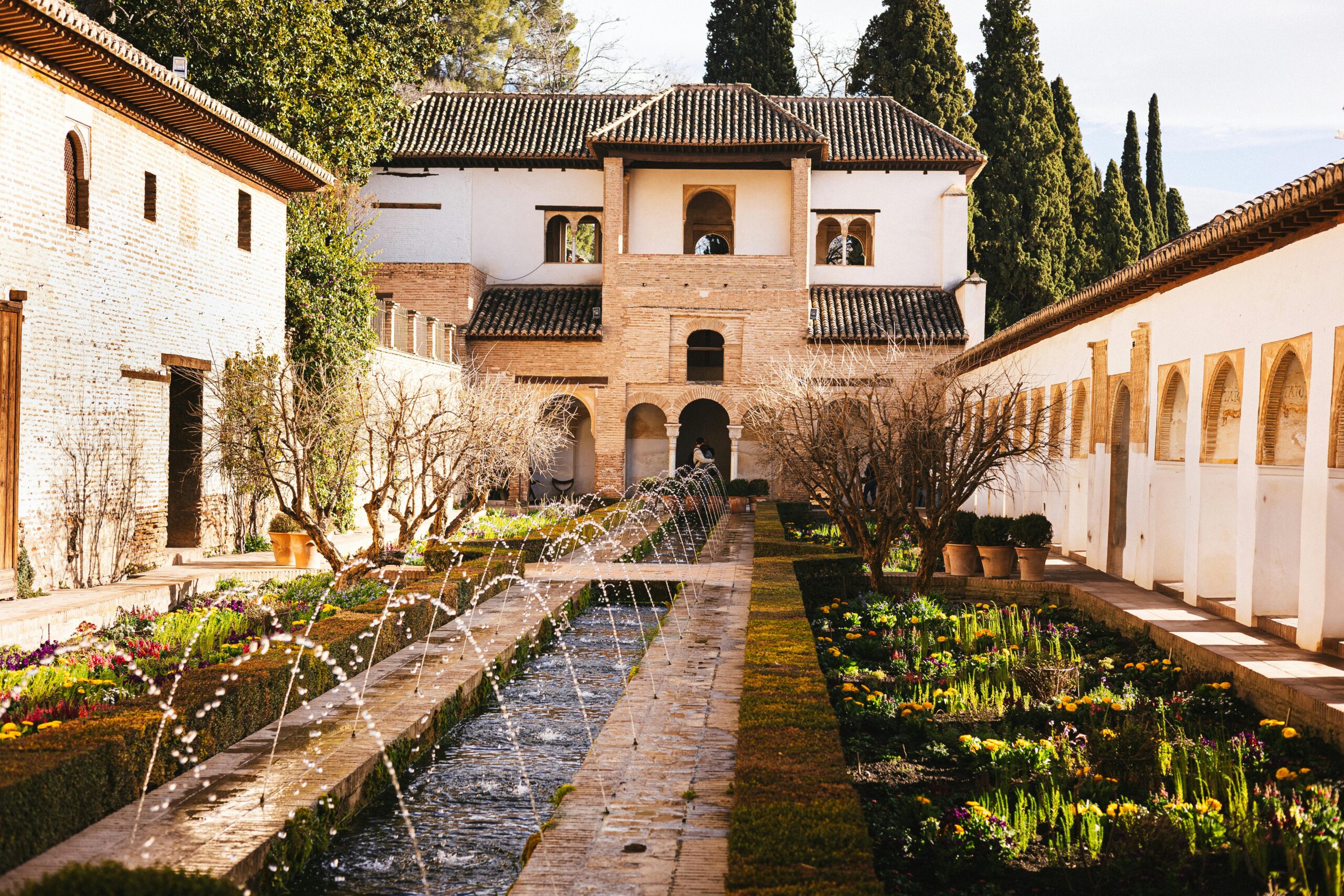
Granada’s climate is a mix of Mediterranean and continental influences. Summers are typically hot and dry, often reaching the low to mid 30s°C inland, while winters are cooler with nighttime temperatures that can drop close to freezing—especially in January and February. Rain is most common in autumn and winter months.
Packing pointers: in summer bring light layers, sun protection and comfortable walking shoes; spring and autumn require a lightweight jacket for cool mornings and evenings; in winter pack a warm coat and consider waterproof footwear. If you plan a Sierra Nevada trip, add insulated outerwear and boots—mountain conditions can be dramatically different from the city.
Costs and budgeting for Granada travel cost
Granada is generally more affordable than Spain’s largest cities, but costs vary by season. Expect higher hotel and flight prices during July–August and major festival weeks. Dining out can be very economical—many bars still serve a free tapa with a drink—while souvenirs, guided tours and Alhambra tickets add to the daily budget.
Accommodation options range widely; for a quick search of current prices and availability for hotels and apartments in Granada, check listings on local hotel booking pages to compare neighborhoods and rates. Booking in advance pays off during peak months and for stays within walking distance of the old town.
- Daily budget (approx.): Shoestring €40–€70; mid-range €70–€150; luxury €150+ (includes lodging, meals and basic sightseeing).
- Alhambra tickets: Reserve ahead—prices and time slots vary, but guided visits and night tours cost more than standard daytime entry.
- Transport: The city center is compact and walkable; buses and taxis are affordable for longer trips or luggage transfers.
When the city is busiest: understanding Granada tourist season
Granada tourist season has several identifiable peaks. High summer brings international holidaymakers and long opening hours at restaurants and attractions. Semana Santa (date varies in spring) and other religious festivals attract domestic visitors, often filling hotels and making popular viewpoints crowded. Late spring festivals and university term times can also affect availability for accommodation.
To avoid crowds, aim for shoulder seasons (late April–June and September–October) or travel midweek rather than weekends. If you must go in peak season, secure reservations early—especially for the Alhambra, flamenco shows and guided walking tours.
How to balance city sights with Sierra Nevada
One of Granada’s unique selling points is the ability to combine city culture with mountain activities in a single trip. Ski season in Sierra Nevada runs roughly December–April depending on snowfall, while summer opens hiking, mountain biking and alpine meadows. Plan extra transit time—buses to the ski stations take around an hour—and check seasonal timetables.
If you want both the Alhambra and the slopes, book a flexible itinerary: spend two to three days in the city to cover major monuments and tapas neighborhoods, then transfer for a day or two to the mountains. Pack clothes for both environments and double-check transport options between Granada and the resorts to avoid last-minute surprises.
FAQs
What is the single best month to visit Granada?
May or October are often recommended as single best months: temperatures are pleasant, outdoor dining is enjoyable and the city isn’t at the summer peak. Both months balance comfortable Granada weather with active cultural life and manageable crowds.
How hot does Granada get in summer?
In July and August daytime temperatures commonly reach the low to mid 30s°C, with hotter spikes on some days. Heat is most noticeable during midday; mornings and late evenings are cooler and more comfortable for sightseeing.
Are there times when Alhambra tickets sell out?
Yes. Alhambra time-slot tickets often sell out weeks in advance during high season and holidays. Book well ahead of your travel dates and plan for either an early morning or late afternoon visit to avoid the busiest periods.
Is Granada expensive compared with other Spanish cities?
Granada tends to be more budget-friendly than Madrid or Barcelona for accommodation and eating out, particularly outside peak tourist weeks. Costs rise in summer and during major festivals, so booking ahead and choosing a shoulder season can significantly lower Granada travel cost.
Can I ski and visit the Alhambra in the same trip?
Yes. Sierra Nevada is less than an hour from Granada, making it feasible to combine skiing and city sightseeing in a single trip. Allow sufficient time for transport and check seasonal conditions before you go.
Conclusion
Choosing the best time to visit Granada comes down to your priorities: spring and autumn offer the most comfortable weather and fewer crowds; summer gives long evenings and peak cultural energy but higher temperatures and more visitors; winter appeals to budget travelers and skiers. Plan ahead for the Alhambra, consider shoulder-season travel for the best balance of cost and comfort, and pack layers so you can enjoy both the city and nearby mountains. With a little timing and preparation, Granada rewards visitors year-round with history, food and dramatic Andalusian landscapes.