Deciding the best time to visit Innsbruck depends on what you want from the trip: sweeping alpine views and skiing, mild city strolls and museums, or lively festivals and outdoor adventures. Nestled in the Tyrolean Alps, Innsbruck’s seasons are dramatic, and understanding the climate and crowd rhythms will help you pick dates that match your priorities.
This guide explains Innsbruck weather patterns, peak tourist periods, and cost considerations so you can choose the optimal window for your stay. It also highlights monthly weather trends, crowd levels, budgets, and events to help you plan a memorable trip.
When to go: overview by season
Innsbruck’s appeal shifts noticeably through the year. Winters (December–March) attract skiers and winter-sport enthusiasts who come for reliable snow and quick access to surrounding resorts. Spring (April–May) brings thawing valleys and quieter streets, though higher elevations retain snow well into late spring. Summer (June–September) offers warm days, long daylight hours, and excellent hiking conditions. Autumn (October–November) is the calmest tourist season, prized by travelers who prefer lower rates and vivid fall colors.
Choose winter for alpine sports and seasonal markets, summer for hiking and cycling, and shoulder seasons for lower costs and fewer crowds.
Seasonal breakdown: pros, cons, and ideal months
Each season has clear advantages depending on your focus:
- Winter (Dec–Mar): Best for skiing, snowboarding, and festive Christmas markets. Expect cold temperatures and busy holiday weekends.
- Spring (Apr–May): Quiet city life, fewer tourists, and emerging greenery. Some mountain lifts and resorts may still be operating at higher altitudes.
- Summer (Jun–Sep): Warm, stable weather for hiking, climbing and outdoor cafes. Peak hiking months are July and August.
- Autumn (Oct–Nov): Lower prices and autumn colors. Ideal if you prefer museums, local cafés and easy day trips without the crowds.
If you want the best balance of weather, crowds, and value, late May to early June and September to early October are often ideal: trails are open, alpine wildflowers or fall colors are visible, and Innsbruck tourist season is not at its peak.
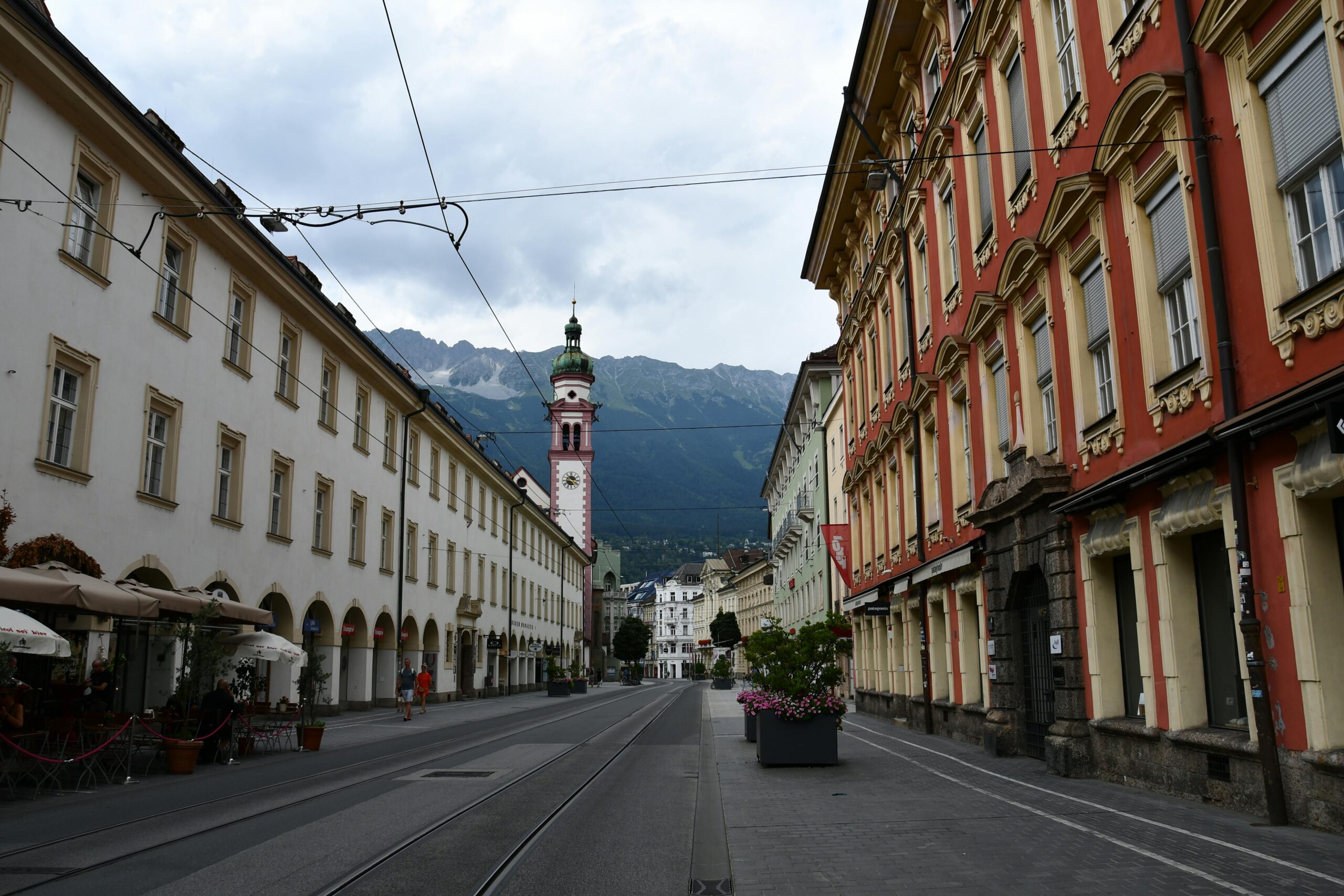
Month-by-month Innsbruck weather guide
Knowing typical month-by-month conditions helps you pack and plan activities. Below is a concise snapshot:
- January: Cold, snowy; prime ski month. Temperatures often below freezing.
- February: Snow continues; good snow conditions persist in nearby resorts.
- March: Transition month—snow still at altitude, mild in the valley on sunny days.
- April: Thawing, unpredictable; blossoms in lower areas, snow possible higher up.
- May: Spring warming; many trails open; occasional rain showers.
- June: Warm, stable; excellent for hiking and alpine lakes.
- July–August: Warmest months with long daylight; mountain refuges busy.
- September: Clear, cool mornings, ideal for hiking and photography.
- October: Crisp air, fall foliage; quieter city experience.
- November: Cooling down; fewer tourists and lower prices.
- December: Festive atmosphere with Christmas markets; snow increasingly likely.
Local microclimates mean valley temperatures differ from mountaintops. If you plan a mix of urban exploration and alpine activities, pack layers and be prepared for rapid changes in Innsbruck weather.
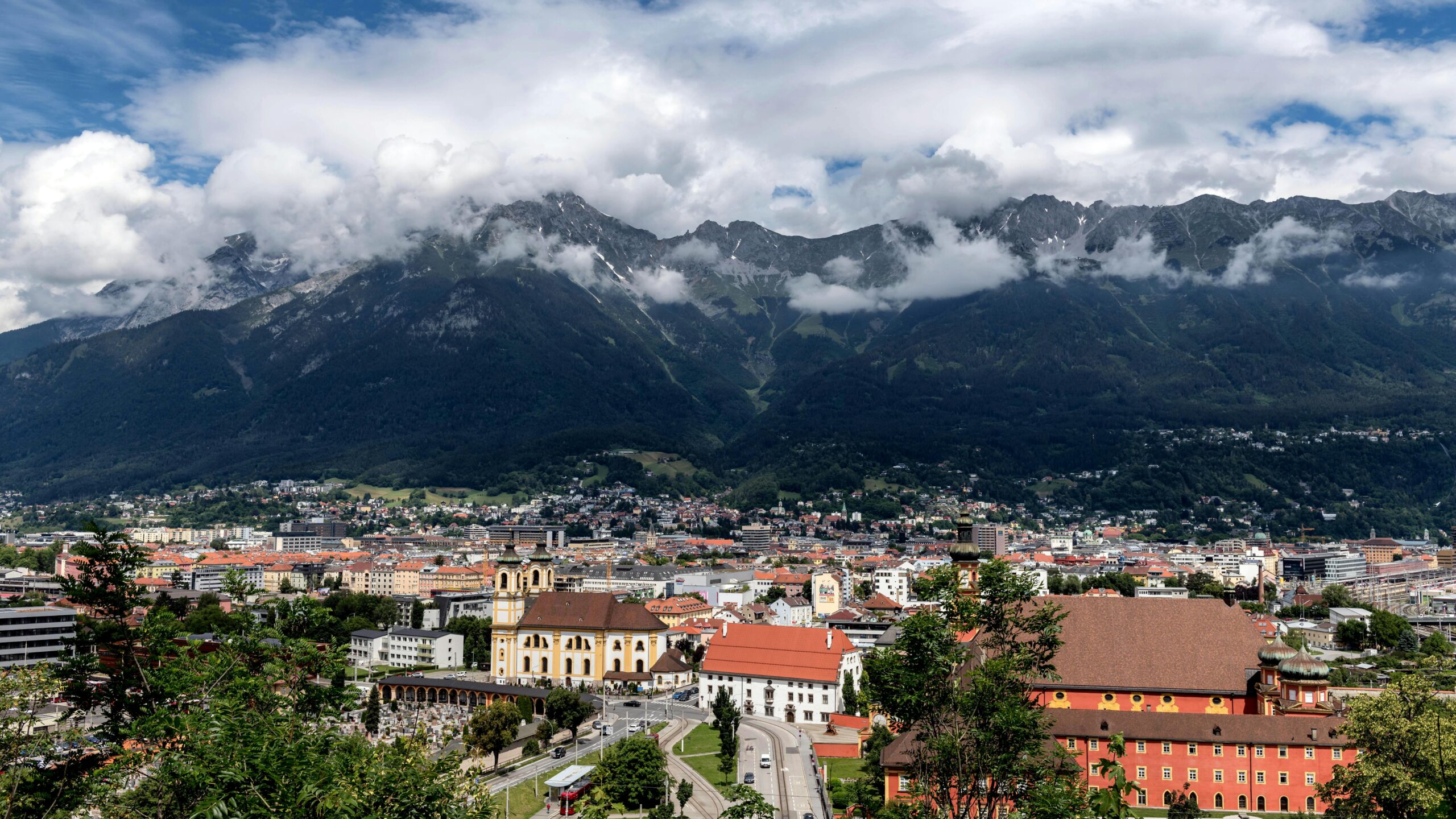
Crowds and the Innsbruck tourist season
Innsbruck tourist season has two clear peaks: the winter ski season (late November through March, with a spike around Christmas and school holidays) and the summer hiking season (June through August). Public holidays and school breaks across Europe amplify visitor numbers during these periods.
For fewer crowds while still enjoying good weather, aim for the shoulder months—May, early June, and September. Attractions such as the Old Town, the Golden Roof, and cable cars are more relaxed then, and you can often secure better reservations for guided tours and mountain huts.
Innsbruck travel cost: budgeting for different seasons
Innsbruck travel cost varies considerably by season. Winter and summer peak months typically command higher prices for accommodation, restaurants, and tours. Shoulder seasons and late autumn are when you’ll find the most attractive rates on lodging and some activities.
- Accommodation: Expect higher nightly rates during December holidays and July–August. Booking in advance helps for popular dates.
- Transport: Train travel to Innsbruck is efficient; regional passes and advance tickets can reduce costs.
- Activities: Ski passes, guided climbs, and summer cable cars are seasonal; early-booking discounts are common.
To compare accommodation options across the city and plan for different budget levels, sites that aggregate hotel listings can be useful for finding competitive prices and reviews, especially when your dates are flexible. Check hotels in Innsbruck.
Events, festivals and outdoor activities by season
Events shape when many travelers choose to visit. Winter features Christmas markets and winter-sport competitions, while summer hosts music festivals, mountain races, and cultural events. Here are a few highlights:
- Winter: Innsbruck Christmas markets, New Year’s festivities, and alpine competitions.
- Spring: Fewer large festivals but comfortable conditions for city walking tours and early-season hikes.
- Summer: Open-air concerts, local folk festivals, and guided nature activities.
- Autumn: Harvest celebrations and cultural programming in museums and theaters.
Given how events influence availability and Innsbruck travel cost, check event calendars when planning specific dates. If you want to ensure a convenient stay during a festival or match event timing with hiking plans, it’s wise to secure lodging early. Find a place to stay during events.
Practical tips for picking your travel window
Match your trip goals to these practical considerations:
- Skiing focus: Book between mid-December and March. Reserve lift tickets and equipment in advance for popular resorts nearby.
- Hiking and alpine views: Aim for June–September for open trails and mountain huts; check snow conditions at higher elevations in June.
- Low-cost, calmer visit: Visit in April–May or October–November for lower prices and quieter attractions.
- Festival-goers: Confirm festival dates and book accommodation early—some events draw regional crowds.
Always check local transport schedules (cable cars and mountain lifts), since these vary outside peak season and can affect access to hikes or ski areas.
FAQs
What month has the best weather in Innsbruck?
June through September typically offers the most stable and warm weather for outdoor activities, with July and August being the warmest months. Late spring and early autumn also provide pleasant conditions with fewer crowds.
When is Innsbruck busiest with tourists?
The busiest periods are the winter ski season (especially December holiday weeks) and the summer months of July and August. Weekends, European school holidays, and festival dates also raise visitor numbers.
How expensive is Innsbruck compared to other Austrian cities?
Innsbruck can be more expensive than some smaller Austrian towns due to its tourist infrastructure and mountain-access fees, but costs vary by season. Visiting during shoulder months often yields better hotel and activity prices than peak winter or summer periods.
Is Innsbruck good for skiing outside the winter months?
Most downhill skiing is concentrated in winter, but high-altitude glaciers or late-season snow can extend some ski options into spring. For reliable skiing outside core winter months, check specific resort openings before booking.
How should I pack for a trip to Innsbruck?
Pack layers year-round: a waterproof outer layer, insulating mid-layers, and sturdy footwear. In summer, include sun protection and light rain gear; in winter, bring warm clothing, a hat and gloves, and appropriate boots for snow.
Conclusion
The best time to visit Innsbruck depends on your priorities: winter for snow sports and festive markets, summer for hiking and alpine scenery, and shoulder seasons for fewer crowds and lower costs. Consider Innsbruck weather, crowd patterns, and travel costs when choosing dates, and book accommodation and key activities in advance for peak periods. With thoughtful timing you can enjoy Innsbruck’s mountain backdrop, compact Old Town, and abundant outdoor opportunities in a way that matches your trip goals.