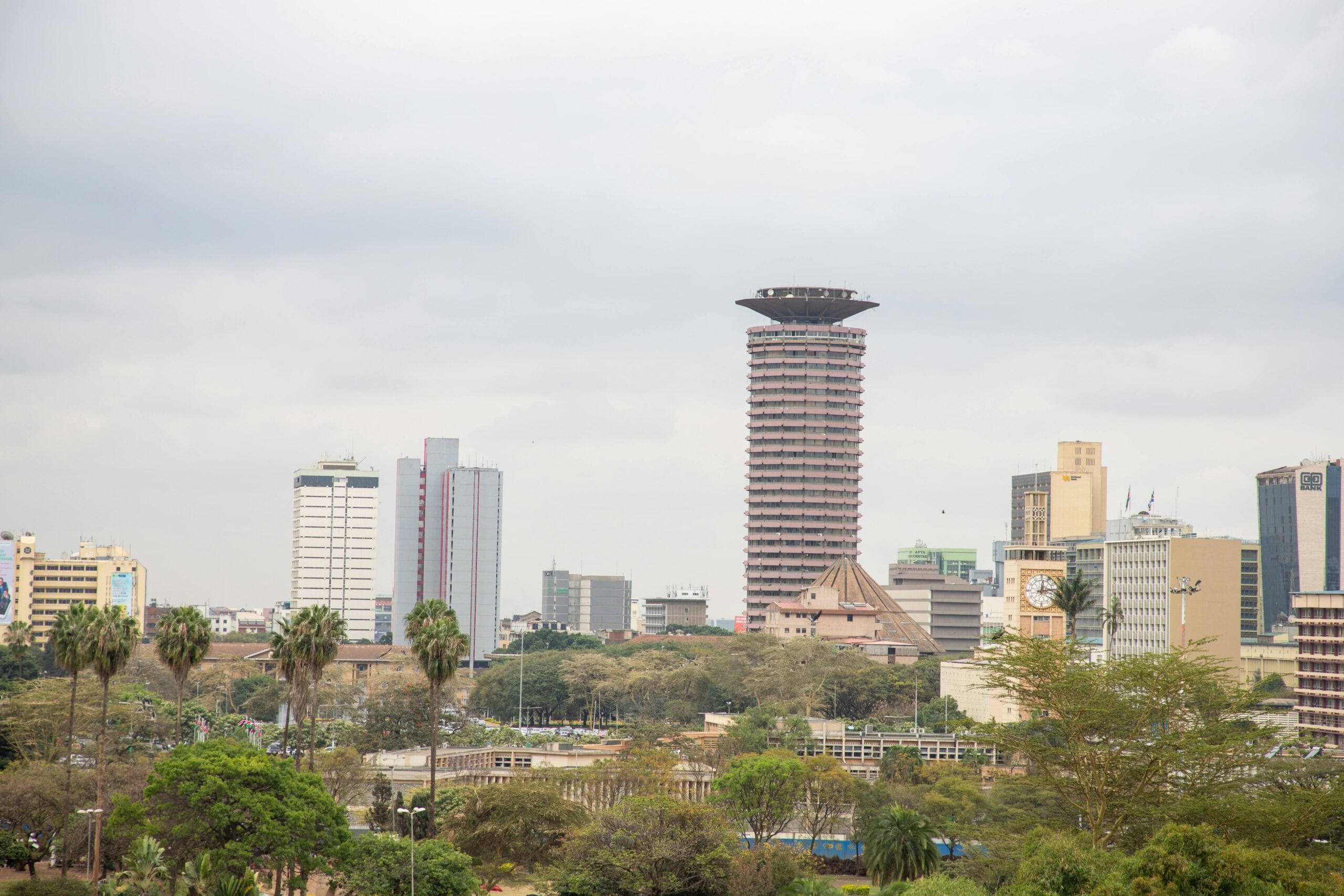
The best time to visit Kenya depends on what you want to see and do: wildlife viewing, birding, beach time or cultural festivals. Kenya’s climate varies by region and season, so choosing the right months can dramatically improve your experience — from watching the great herds in the Maasai Mara to enjoying sun-drenched beaches on the coast.
This guide uses official climate data and tourism board guidance to explain kenya weather by month, the main safari season windows, regional differences and practical planning tips. Use these notes to match your priorities — and to pick the optimal time for wildlife encounters, migratory events and comfortable travel conditions.
Overview: seasons, rainfall and what they mean for travelers
Kenya’s seasons are best understood as two wet periods (the long rains and the short rains) and two drier periods (a longer dry season and a short dry break). The “long rains” generally fall from March through May and are most intense in April, while the “short rains” typically occur in October and November. Between these rains you get clearer, drier stretches that are ideal for safaris and outdoor activities.
Temperature and humidity vary by altitude and proximity to the coast. Nairobi and the central highlands are milder, while the coast (Mombasa, Diani) is tropical and humid year-round. Lower-elevation savanna and northern Kenya can be hotter and drier. Understanding those regional differences is key when planning dates — a dry period in the interior will improve game visibility, while the coast may still be humid and warm.
Kenya weather by month: what to expect month-by-month
Below is a month-by-month summary you can use when deciding travel dates. These patterns are based on official climate averages and tourism board observations, which track rainfall, visibility and wildlife movement trends.
January – February: Generally warm and dry across most of the country. These months are excellent for game viewing as animals concentrate around permanent water sources; coastal areas are hot and sunny. Prepared travelers will find comfortable early-year conditions and good birding as migrants are still present.
March – May: The long rains begin in March and peak in April. Expect heavy, sometimes prolonged downpours and muddy tracks in parks. Safari access may be limited in wetter years, though landscapes are lush and birdlife increases. Late May can start to dry out in some regions.
June – October: The long dry season; June through October is the most popular time for safaris. Game viewing is at its best as animals gather at rivers and waterholes. September often marks the height of wildlife concentration and the most dramatic river crossings in the Maasai Mara.
November – December: Short rains usually arrive in October and November, tapering off by December. Weather can be variable: brief heavy showers interspersed with sunny windows. December is a popular holiday month with warmer coastal weather and a good mix of wildlife viewing as the landscape recovers from rains.
Safari season explained: when wildlife viewing is best
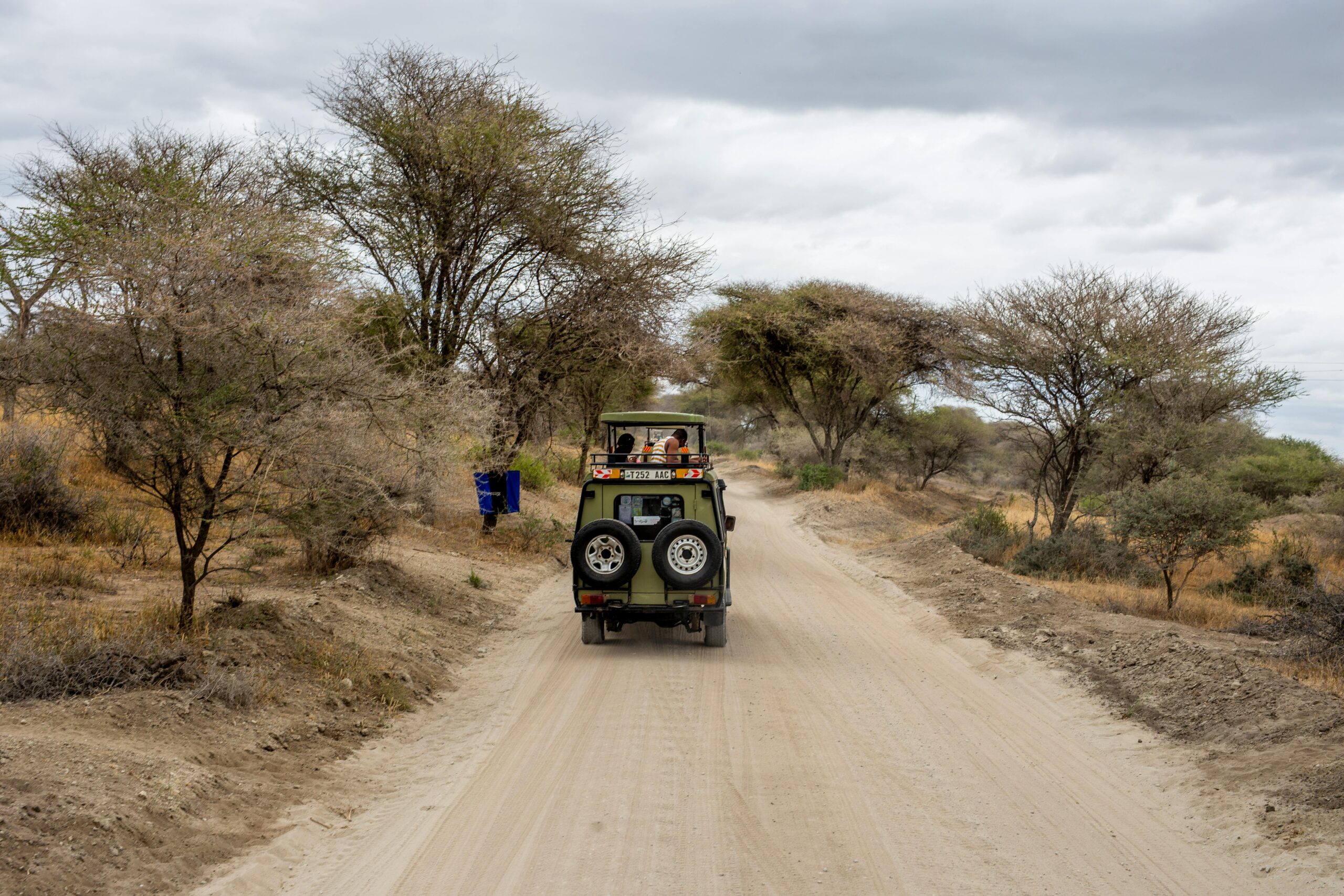
“Safari season” is less a single stretch of months and more a set of windows that favor different kinds of viewing. The main, most reliable safari season runs from June to October when the long dry season concentrates wildlife and roads are mostly passable. This period is ideal for photographic safaris, predator viewing and family trips.
For the iconic wildebeest migration river crossings, the peak months are typically July through October when the herds move north into the Maasai Mara from the Serengeti. If your primary goal is to see river crossings and the dramatic migration, plan your trip in this block and book well in advance.
Regional breakdown: Nairobi, Maasai Mara, Amboseli, the Coast and northern Kenya
Nairobi and the central highlands: cooler and pleasant most of the year. Daytime highs average around 20–25°C (68–77°F). Dry months (June–October) are bright and ideal for city excursions combined with short nearby safaris, while the long rains can make traffic and access slower.
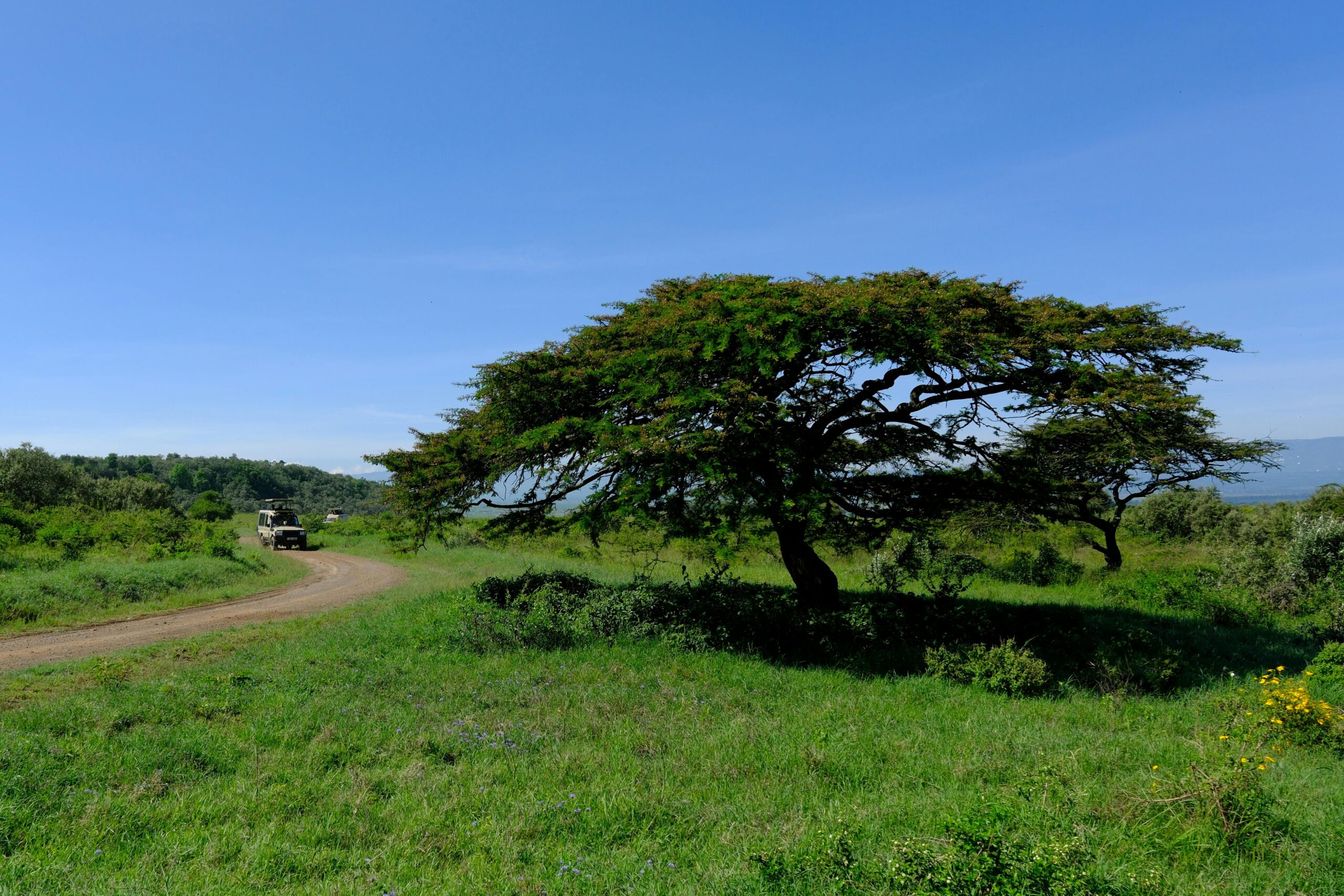
Maasai Mara and the Rift Valley: prime game country. The Mara is at its most spectacular between July and October for migration and river crossings, and June–September is generally the best window for clear roads and concentrated wildlife.
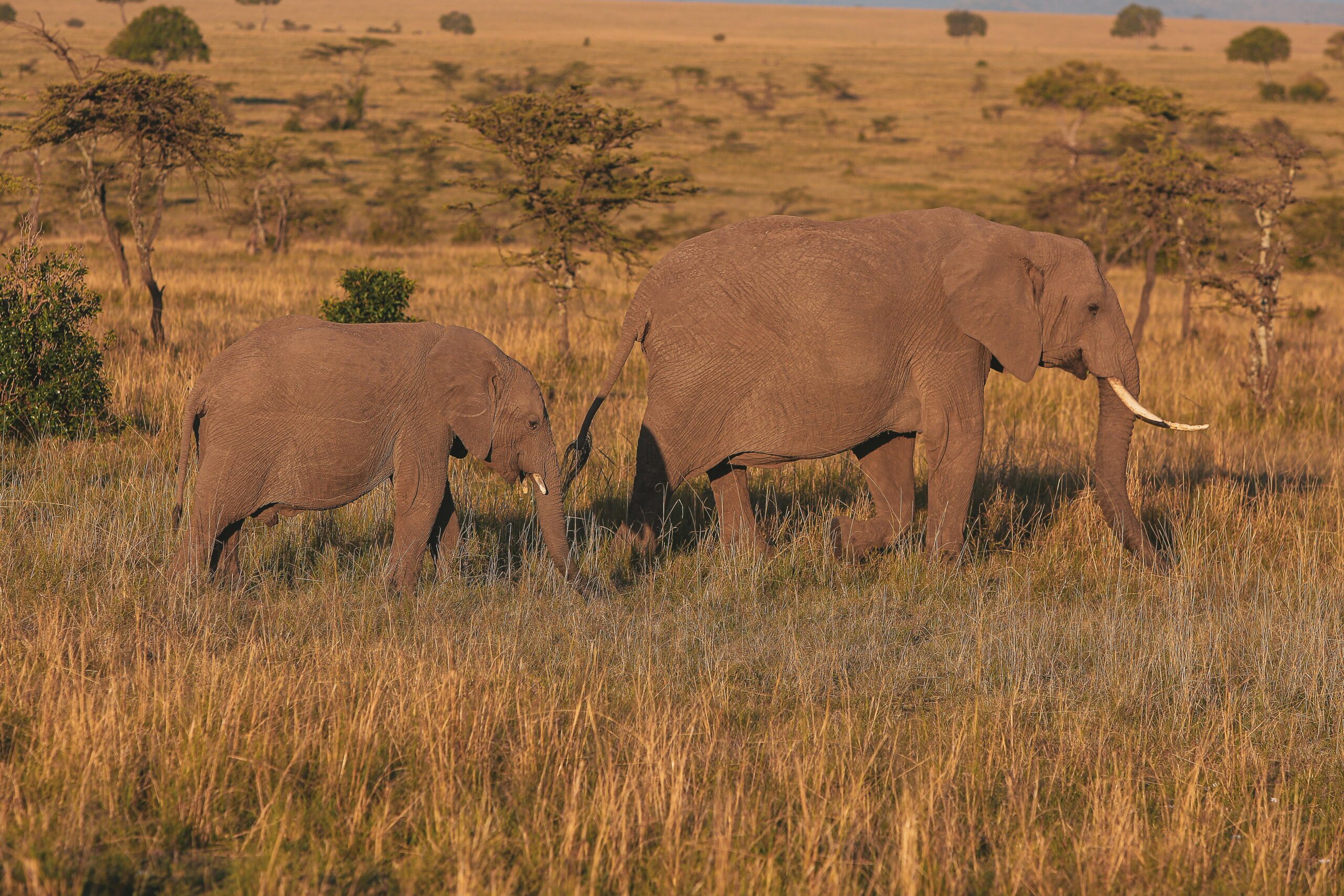
Amboseli and southern parks: noted for large elephant herds and views of Mount Kilimanjaro (weather permitting). Dry months concentrate animals at waterholes — June–October is excellent, though early-year dry spells in January–February can also offer great sightings.
Coast (Mombasa, Diani, Lamu): tropical climate with warm water year-round. Beach lovers often prefer January–March and July–September for sunnier, drier conditions. April–May and October–November bring heavier rains that may impact snorkeling and dhow trips temporarily.
Northern and arid regions: these areas are best visited in the dry months when roads are easier to navigate and temperatures, though high, are more bearable. If you plan to visit conservation areas like Samburu or Laikipia, aim for the drier windows between June and October.
Practical planning: crowds, costs, festivals and booking advice
High season (June–October and December) brings peak demand and higher prices — lodges and camps book quickly, especially for Maasai Mara during migration months. For the best availability and competitive rates, reserve accommodations and key game drives early. You can search and compare places to stay using reputable booking platforms to secure lodges and tented camps well before travel dates; this helps avoid last-minute price spikes and sold-out dates. Find lodges and hotels in Kenya
Shoulder seasons (January–February and November) often balance decent weather, fewer crowds and more attractive pricing. For birding enthusiasts, the shoulder months are exceptional because migrants remain or pass through, and the country’s wetlands are productive. Cultural events such as local warrior ceremonies, harvest festivals and national holidays can enrich a visit — check local festival calendars before booking.
Transport logistics: domestic flights connect main parks and can save travel time during limited windows; however, roads into some reserves can be rough during rains. Always factor in extra travel time during the wet seasons and confirm transfers in advance. For the widest selection and secure payments when booking lodges or transfers, use trusted booking portals and read recent property reviews.
What to pack and health considerations by season
Clothing: lightweight, breathable layers for daytime, warmer layers for cooler mornings and evenings in highlands. During the wet seasons, a good waterproof jacket, quick-dry clothing and a lightweight poncho help. For coastal stays, bring sun-protective clothing, swimwear and reef-safe sunscreen.
Footwear and gear: sturdy walking shoes or lightweight trekking boots for bush walks, sandals for the coast, binoculars, a camera with telephoto lens and a small daypack. If traveling in the long rains, waterproof covers for camera gear and quick-dry packing cubes are useful.
Health: carry insect repellent, malaria prophylaxis advice (follow your doctor), and any required vaccinations. Water quality varies — use bottled or purified water where recommended. Travel insurance that covers medical evacuation is sensible for remote-area travel.
Quick comparison: seasons at a glance
| Period | Typical weather | Safari quality | Pros | Cons |
|---|---|---|---|---|
| Jan–Feb | Dry, warm | Good — animals dispersed but visible | Lower crowds than peak; good for birding and beaches | Some parks less concentrated |
| Mar–May (long rains) | Wet; heavy rains in April | Variable — lush scenery, limited access | Fewer tourists; dramatic landscapes; birdlife | Road closures; muddy tracks; some camps close |
| Jun–Oct | Dry; sunny | Excellent — top game viewing | Best wildlife concentrations; migration crossings | Peak prices and crowds |
| Nov–Dec (short rains) | Intermittent showers | Good — fresh scenery | Lower rates; good birding; coastal beach time | Unpredictable short showers |
How to choose the best time based on travel goals
Wildlife photography and big predator action: aim for the dry season (June–October). Concentrated game, clear skies and lower grass height make it easier to photograph animals and catch dramatic predator-prey scenes.
Witnessing the great migration: plan for the Maasai Mara between July and October when large herds and river crossings are most likely. Consider booking a specialist guide or a migration-focused itinerary to maximize chances of seeing crossings.
Budget travel and fewer tourists: target shoulder months like January–February or November. You’ll find reduced rates, open lodges and pleasant weather windows for both safari and coastal time.
Beach and marine activities: choose January–March or July–September for the sunniest and calmest sea conditions. If diving or snorkeling seasonal plankton blooms are a factor, ask local operators about visibility during your chosen months.
Booking notes, permits and responsible travel tips
Many popular conservancies and national parks require permits or park fees. Confirm these costs with your operator or lodge beforehand. For the Maasai Mara high season, book early to secure prime camps and guides. If you prefer a quieter experience, consider conservancies adjacent to national parks — they often offer private vehicle access and fewer vehicles at sightings.
Responsible travel: choose operators that support local communities and conservation efforts, follow park regulations, and minimize single-use plastics. Respect cultural norms when visiting communities and always keep a safe distance from wildlife. When choosing accommodations, read property policies about conservation practices and community engagement to make an informed choice. If you need help comparing options quickly, reputable lodging and property listings make it easy to filter by location and guest reviews. Search accommodations across Kenya
FAQs
What is the overall best month to visit Kenya for wildlife viewing?
For the most consistent wildlife viewing across multiple parks, August and September are often the best months. These months fall squarely within the long dry season, when animals concentrate near water and predator activity is high. They also coincide with the migration moving through the Maasai Mara.
How does the long rains season affect safari plans?
The long rains (March–May) bring heavy showers and greener landscapes. Some lodges temporarily close in the wettest weeks, and road conditions can be challenging. However, birdwatching and photography of lush scenery are excellent, and visitor numbers are lower.
Is the coast worth visiting during the rainy months?
The coast can still offer pleasant weather with short, heavy showers during April–May and October–November. If your trip includes diving and beach time, aim for January–March or July–September for more consistently calm seas and good visibility.
When is the best time for birdwatching in Kenya?
Birdwatching is strong in the shoulder months and after the rains. January–March and November are particularly good because migrant species are present and wetlands are productive. The dry season also concentrates waterbirds around remaining water sources.
How far in advance should I book a safari in peak season?
For the June–October and December peak periods, especially if you plan to visit the Maasai Mara during migration windows, book at least 6–9 months in advance to secure preferred lodges and guides. International flights, camp transfers and specialist guides can sell out early.
Conclusion
Choosing the best time to visit Kenya comes down to balancing weather, wildlife priorities and crowd tolerance. If your top aim is world-class game viewing and migration drama, target the dry months from June to October. If you prefer fewer crowds, lower costs and lush scenery, consider the shoulder months or the short rains. Coastal travelers should target the drier windows for beach and marine activities. Use official climate guidance and local tourism resources to confirm conditions before you travel, book key services early for peak months, and pack for both heat and occasional rain depending on your itinerary. With the right timing, Kenya rewards visitors with spectacular wildlife, diverse landscapes and memorable cultural experiences.