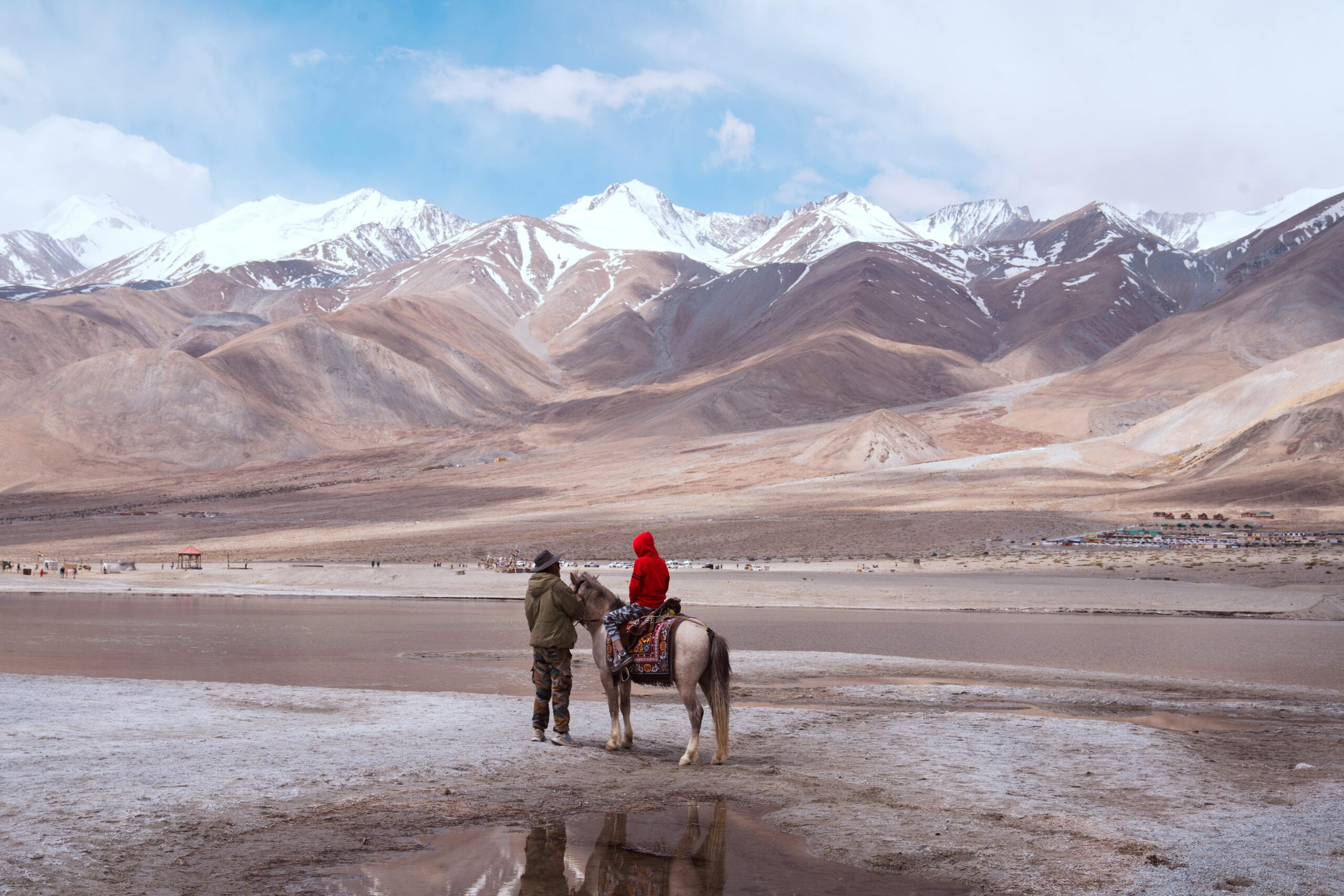
Deciding the best time to visit Ladakh depends on what you want to experience: high-altitude deserts, frozen lakes, colourful festivals or adventurous roads. For most travelers, the period between late May and early October offers the most reliable access and comfortable weather in Ladakh, but the region’s microclimates and elevation variations mean there are good reasons to plan travel for other months too.
This ladakh weather by month travel guide explains seasonal conditions, month-by-month expectations, what to pack, and how to plan trips around road openings, festivals, and activities. The guidance below is based on official climate data and tourism authority information so you can choose the right time for your priorities—whether that’s trekking, photography, culture, or quiet high-altitude solitude.
When is the best time to visit Ladakh: overview by season
Ladakh’s year breaks into three clear seasons for visitors: summer (late May–September), shoulder months (April, October), and winter (November–March). Summer is the high season: Srinagar-Leh and Manali-Leh roads are usually open, valley temperatures are mild during the day and nights are cool, and the high mountain passes are largely accessible. The shoulder months can be unpredictable—some years see early road openings or late closures—so plan with flexibility.
Winter transforms Ladakh into an extreme, cold but spectacular destination. Temperatures in Leh can drop well below freezing, and many roads and remote valleys are inaccessible. Winter travel is possible for experienced photographers, those attending specific festivals, or travelers aiming for unique ice landscapes, but services are limited.
Detailed seasonal recommendations and activities
If your priority is safe, comfortable travel plus a wide range of activities, summer (June–September) is usually the best time to visit Ladakh. This period offers the warmest daytime temperatures, the fullest schedule of cultural festivals and tourist services, and the highest likelihood that motorable passes like Khardung La and Chang La are open.
For high-altitude trekking—markha valley, chadar (winter special), and routes across the Zanskar and Ladakh ranges—specific windows apply. Monsoon rains bypass most of Ladakh, but valleys that sit at lower altitudes may see cloudier skies. Autumn (September–October) often brings clear skies and dramatic golden-brown landscapes, making it a favorite for photographers. Cultural travelers who want to attend local festivals like Hemis or Ladakh Festival should check event calendars and plan around those dates.
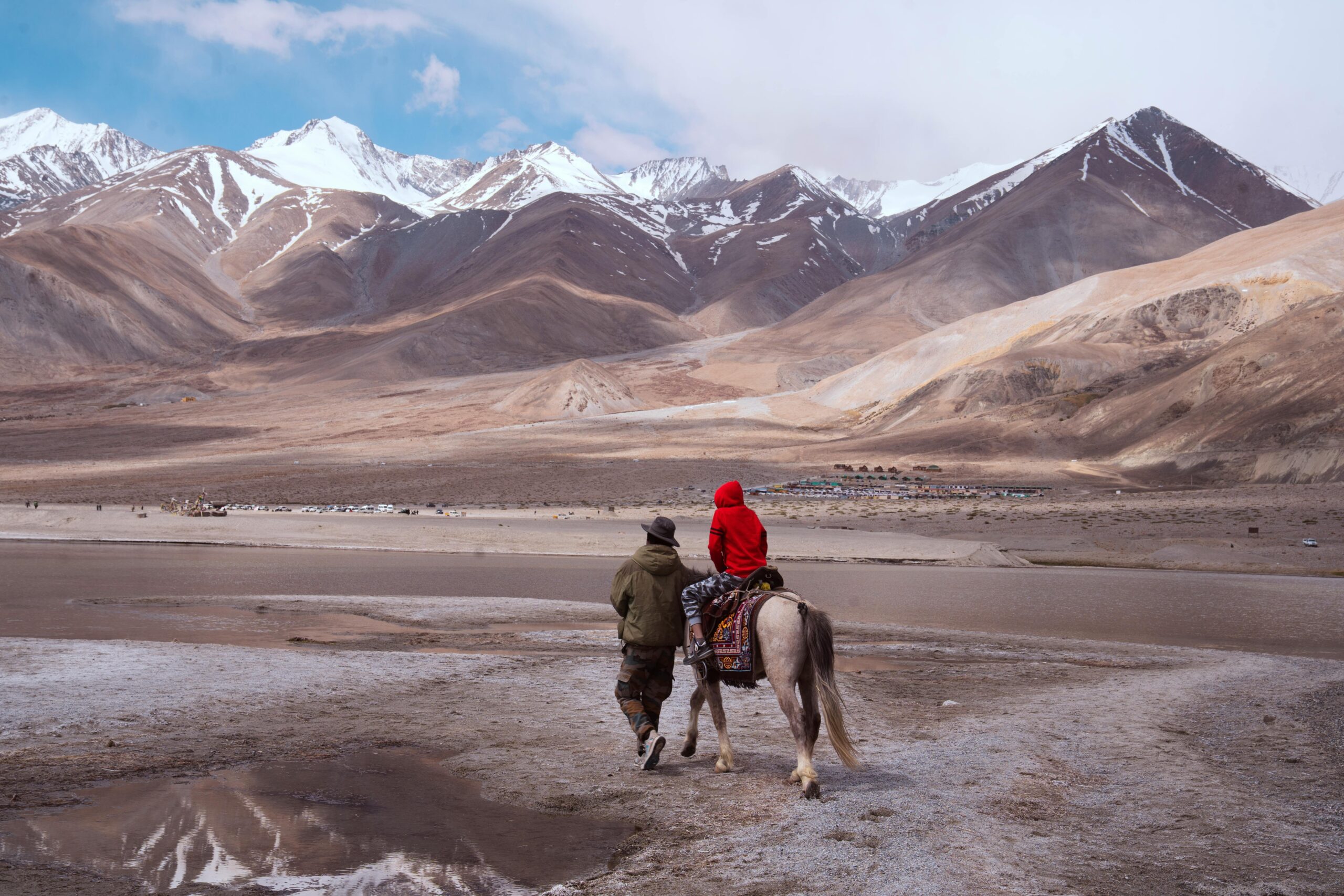
Month-by-month weather and travel guide
Below is a practical month-by-month summary focused on weather, road accessibility, visitor crowds, and recommended activities to help you choose the best time to visit Ladakh for your needs.
January–February: Deep winter across Ladakh. Temperatures typically range from –20°C to –5°C in interior valleys, and heavy snowfall closes high passes. Only Leh and a few connected villages remain somewhat accessible; many guesthouses operate on limited schedules. This window is for experienced winter travelers and photographers chasing frozen rivers and the rare Chadar-style experiences.
March–April: Transitional months. Temperatures begin to moderate but nights remain very cold and snow still blocks many passes. Roads may open cautiously toward late April depending on snow clearance—plan for uncertainty. Lower visitor numbers and early-blooming landscapes provide a quieter experience but limited services.
May: Early summer and the prelude to peak season. Temperatures rise during the day (5–20°C), but nights are still cool. Most services in Leh return, and by late May both Srinagar-Leh and Manali-Leh roads start to open in many years. This is an excellent time for travellers who want fewer crowds than high summer but better access than spring.
June–August: The prime travel season with the warmest weather (daytime highs can reach 20–25°C in Leh), long daylight hours, and full connectivity across main passes. This is the best time for road trips, motorcycle tours, river rafting, and high-altitude trekking. Expect more tourists and higher prices for popular accommodations.
September: Often the clearest month with crisp skies, mild days and cooler nights—ideal for photography, trekking lower-elevation routes, and cultural experiences. Road conditions are still good and services remain open, but crowds taper off after August.
October: Shoulder season when temperatures fall and some remote roads begin to close. Leh remains accessible early in the month but expect early snow at higher elevations. This can be a great time for visitors who want quieter towns and dramatic autumn colours, but check road status before travel.
November–December: The onset and deepening of winter. Leh gets cold and snow begins to close passes; most remote guesthouses shut down. Travel becomes difficult and services limited; however, winter festivals and the stark high-altitude landscapes attract a niche group of travelers.
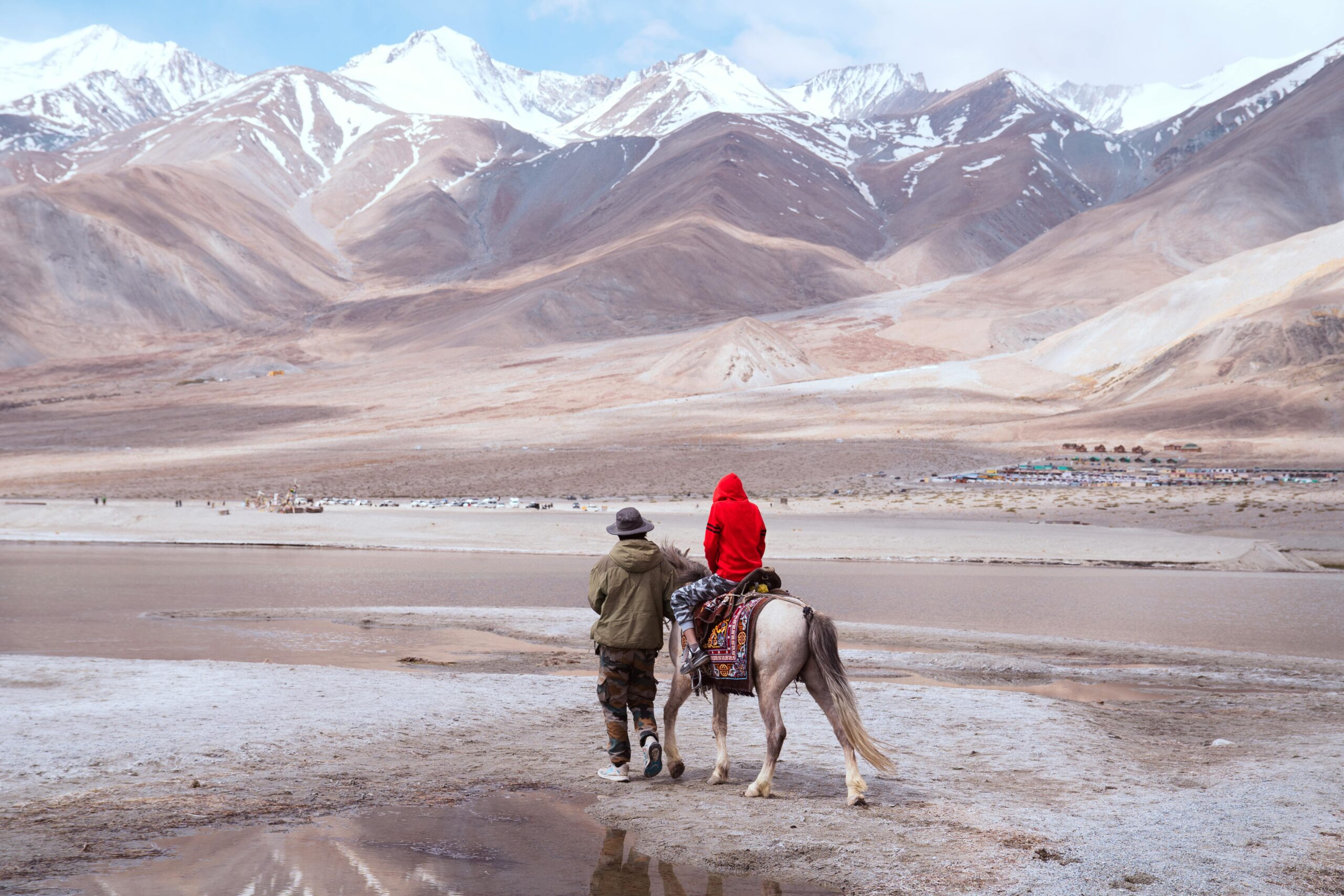
Practical travel considerations: altitude, permits, and booking
Altitude sickness is a primary concern in Ladakh. Leh sits around 3,500 meters (11,500 ft), so plan at least one acclimatisation day on arrival, stay hydrated, avoid heavy exertion for the first 24–48 hours, and consult a physician if you have preexisting health conditions. If you intend to travel deeper into Zanskar or cross higher passes, allow extra acclimatisation time.
Permits: Certain border and high-altitude areas require Inner Line Permits (ILP) or restricted area permits. These are typically issued by local authorities in Leh and can sometimes be arranged through tour operators. For planning stays and transport, many travellers use online booking platforms to compare accommodations and ensure availability during peak months; for example you can check current options for places to stay in Ladakh on Booking.com places to stay in Ladakh on Booking.com.
Booking in advance is essential during June–August and around major festivals. Many small guesthouses and homestays have limited rooms, so reserving early ensures you get the location and type of accommodation you want.
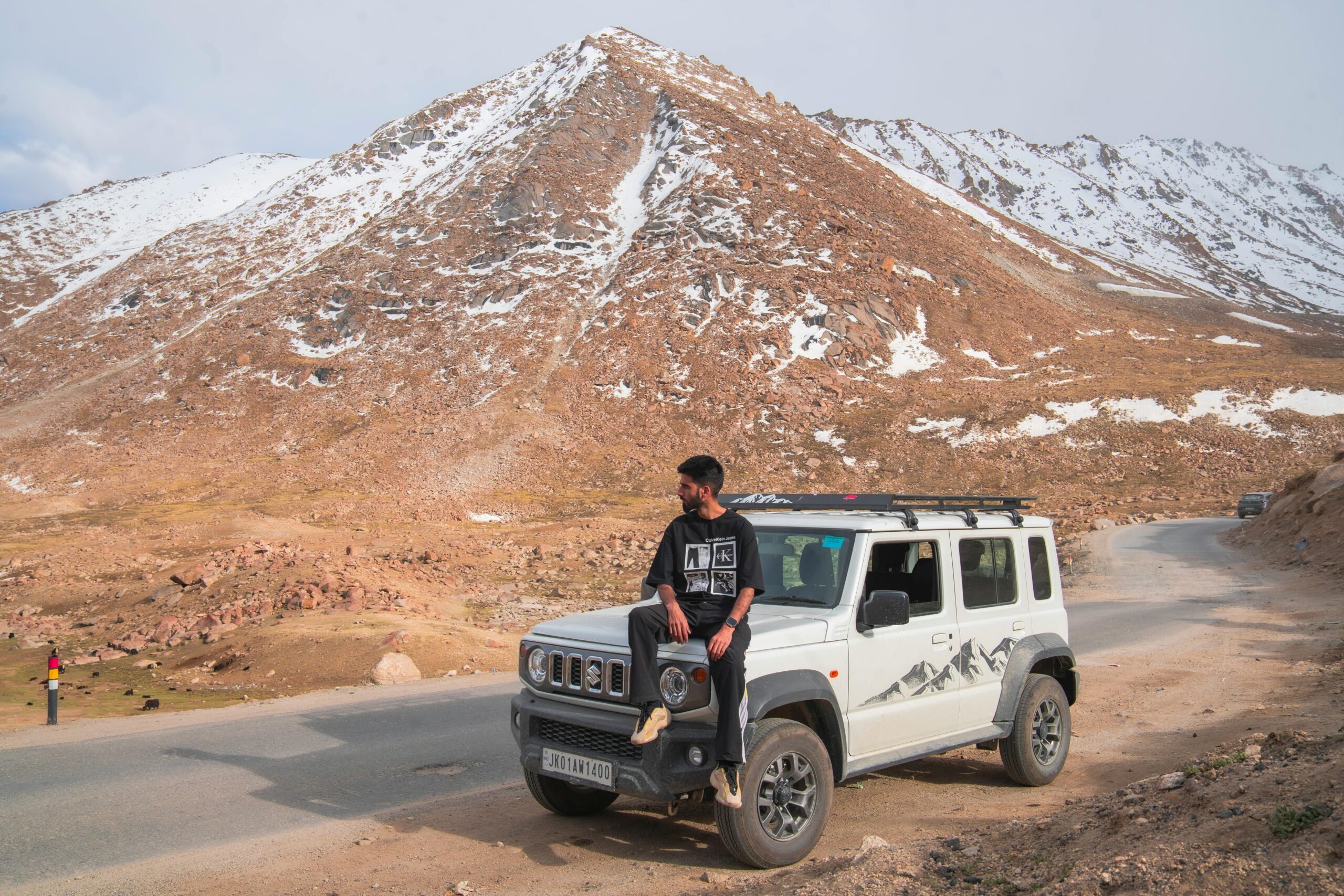
What to pack for Ladakh by season
Packing correctly increases comfort and safety. Even in summer, nights can be cold and weather changes quickly at high altitude. Essentials include layered clothing, a windproof and insulated jacket, sturdy walking shoes or boots, sun protection (sunglasses, high-SPF sunscreen, lip balm), a hat, and a reusable water bottle. A basic first-aid kit including altitude sickness medication (after consulting a doctor), blister care, and any personal prescriptions is important.
- Summer (June–August): Lightweight layers, thermal top for evenings, rain jacket, and strong sun protection.
- Shoulder months (April, May, September, October): Warm layers, insulated jacket, gloves, and a beanie for nights.
- Winter (November–March): Heavy down jacket, insulated boots, thermal layers, and specialised cold-weather gear if venturing beyond Leh.
For travellers planning multi-day treks, pack a quality sleeping bag rated for expected temperatures, and consider hiring local porters or using mule support for longer routes. Travel insurance that covers high-altitude activities is recommended.
Comparison table: month-by-month climate and travel suitability
| Month | Avg Day Temp (°C) | Avg Night Temp (°C) | Road Accessibility | Recommended for |
|---|---|---|---|---|
| Jan–Feb | -5 to -15 | -10 to -25 | Limited | Winter photography, solitude |
| Mar–Apr | -2 to 8 | -8 to -2 | Partial | Early-season explorers, lower crowds |
| May | 5 to 15 | -2 to 5 | Opening | Road trips, gradual acclimatisation |
| Jun–Aug | 15 to 25 | 5 to 12 | Excellent | All activities, trekking, festivals |
| Sep | 10 to 20 | 0 to 8 | Good | Photography, trekking, fewer crowds |
| Oct | 5 to 12 | -2 to 4 | Closing | Quiet travel, autumn colours |
| Nov–Dec | -5 to 5 | -15 to -5 | Mostly closed | Extreme winter experiences |
How to reach Ladakh and internal transportation
Ladakh is accessible by air and by two main mountain roads. Leh Kushok Bakula Rimpochee Airport (IXL) receives flights from major Indian cities during most of the year and is the quickest way to reach Leh. The Srinagar-Leh and Manali-Leh highways become fully motorable in most years between late May and October depending on snow conditions—always check current road reports before planning a road trip.
Within Ladakh, taxis, shared cabs, and local buses connect towns and villages. For mountain passes and remote treks, arrangements with local jeep operators and registered guides are common. If you prefer to compare stays and ensure reservations during peak months, use a trusted accommodation platform to browse what’s currently available; you can explore current listings for Ladakh accommodations available accommodations in Ladakh.
Bear in mind that fuel, vehicle repair facilities, and medical services are limited outside Leh and a few larger villages; plan fuel stops and emergency contingencies in advance.
Safety tips, health, and responsible travel
Respect local culture and the fragile mountain environment. Altitude is the main health risk—recognise early symptoms of acute mountain sickness: persistent headache, nausea, dizziness, or breathlessness. Descend and seek medical attention if symptoms progress. Drink plenty of water and avoid alcohol and heavy meals on arrival.
- Register with local authorities or inform your accommodation of your itinerary for safety.
- Support local businesses and choose eco-friendly operators where possible.
- Carry cash: ATMs are limited outside Leh and major towns.
Finally, weather in mountain zones can change rapidly. Even during high season, pack for cold nights and sudden storms, and plan travel windows with flexible time to accommodate delays.
FAQs
What is the single best month to visit Ladakh for clear skies and pleasant weather?
September often delivers the clearest skies and stable weather after the summer melting and before the autumn chill deepens. It combines good road accessibility, milder temperatures, and fewer crowds than July and August.
Can I drive to Ladakh from Manali or Srinagar in May?
Road openings vary each year depending on snowfall and clearance schedules. In many years, Manali-Leh and Srinagar-Leh roads begin to open in late May, but early May travel is risky. Always check official road status and local advisories close to your travel dates.
Is Ladakh suitable for families with children?
Yes—many families visit Ladakh during the summer months when access and services are reliable. Allow extra time for acclimatisation, avoid rapid ascent, and choose itineraries that include rest days and limited high-altitude exposure for younger children.
When is the best time for trekking in Ladakh?
The trekking season generally falls between June and September. Lower-elevation treks and festival-linked walks are possible in late May and early October in good years, while certain high passes open later in summer. For winter treks like the Chadar trek, specialised operators run expeditions in deep winter with very different logistics and risks.
Are there festivals in Ladakh that influence when I should visit?
Yes. Festivals like Hemis, Ladakh Festival, and various monastery mask dances take place mainly in the summer months and attract visitors seeking cultural experiences. If attending a specific festival is important, confirm dates with the local tourism office and plan bookings well in advance.
Conclusion
Choosing the best time to visit Ladakh depends on whether you prioritise accessibility, mild weather, cultural festivals, or solitude. For most travellers seeking a combination of comfortable weather and full access to roads and services, late May through September is ideal. If you prefer crisp skies and smaller crowds, September and early October are excellent. For winter specialists chasing ice and solitude, November–March offers a radically different but challenging experience. Use the month-by-month breakdown above and consult local authorities for up-to-date road and permit information to plan a safe, rewarding trip to this dramatic high-altitude region.