Lake Baikal, located near the city of Irkutsk in Russia, is a natural treasure known for its stunning beauty and ecological significance. When planning a trip to this remarkable destination, understanding the best time to visit Lake Baikal is crucial to making the most of your experience. The lake’s unique climate and seasonal changes offer vastly different opportunities for exploration and enjoyment throughout the year.
From crystal-clear ice in the winter to blooming flora in summer, Lake Baikal’s appeal varies dramatically with the seasons. This detailed guide on the best time to visit Lake Baikal will help travelers choose the ideal period based on weather conditions, activities, and accessibility. With insights grounded in climate data and information from the local tourism board, you’ll be well-prepared to enjoy one of Russia’s most iconic natural wonders.
Whether you are interested in hiking, ice skating, wildlife viewing, or cultural experiences around Irkutsk, understanding the lake’s weather patterns by month will enhance your trip planning. This comprehensive monthly weather guide and seasonal breakdown will provide you with the knowledge to select the perfect time for your visit.
Understanding Lake Baikal’s Climate and Seasonal Cycles
Lake Baikal’s climate is characterized by long, cold winters and short, mild summers, influenced by its location in Southern Siberia. The lake freezes over in winter, creating a spectacular icy landscape, while summer brings warmer temperatures and lush surroundings. Knowing these seasonal shifts is essential for planning activities and ensuring safety.
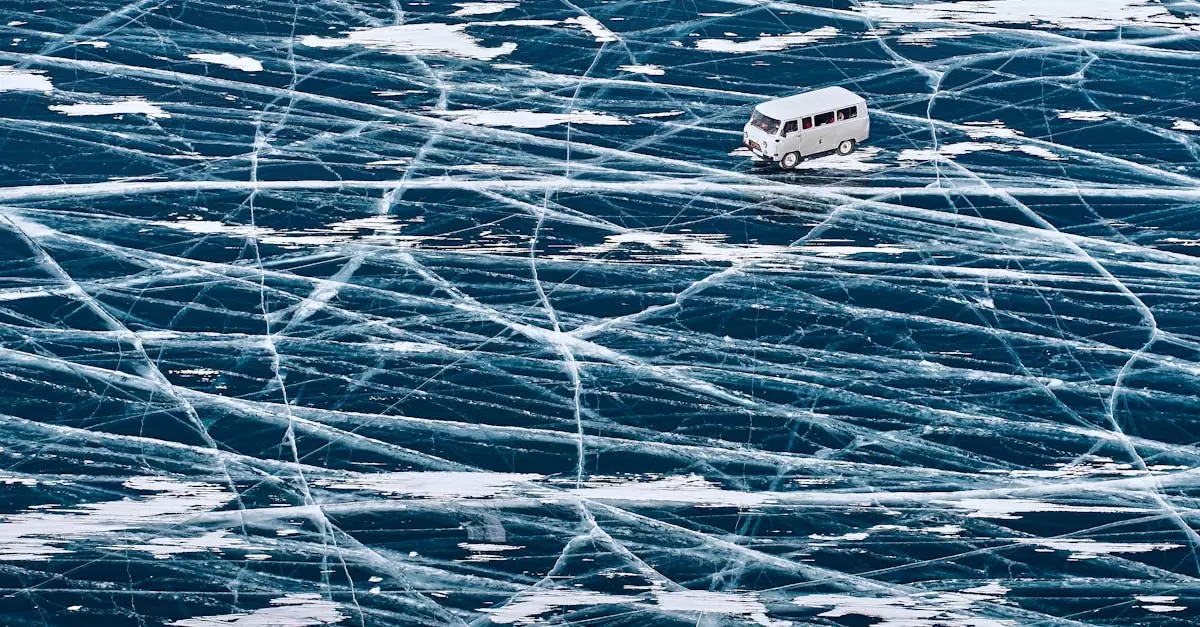
Winter temperatures around Lake Baikal can drop to as low as -20°C (-4°F) or lower, with ice thickness reaching up to 1.5 meters in some areas. This makes it ideal for ice-related activities such as ice skating, ice fishing, and even driving on the frozen lake. Conversely, summer temperatures range between 15°C to 25°C (59°F to 77°F), offering comfortable conditions for hiking, boating, and wildlife observation.
Spring and autumn are transitional seasons that bring unpredictable weather, including sudden temperature changes and occasional storms. These periods are less popular with tourists but offer unique opportunities to see the lake’s changing landscapes and migratory birds. Understanding these dynamics will help visitors avoid unpleasant surprises and enjoy the best conditions possible.
Best Time to Visit Lake Baikal: Monthly Weather Guide
The best time to visit Lake Baikal largely depends on what you want to do and see. Here is a detailed month-by-month breakdown of the lake Baikal weather by month guide to help you decide:
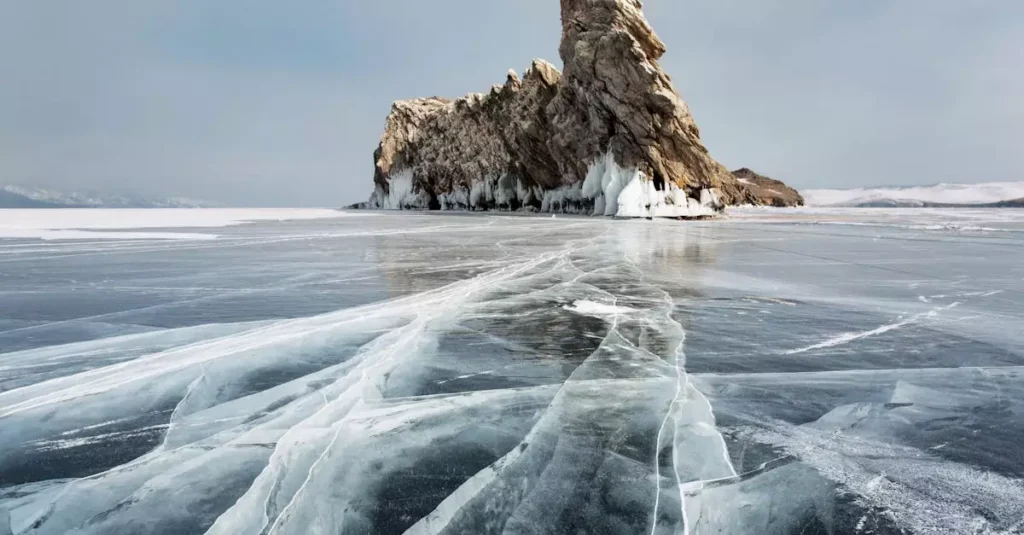
- January to March: The lake is frozen solid, and winter activities are in full swing. Expect extremely cold weather but breathtaking ice formations and winter festivals.
- April to May: Ice begins to melt, and temperatures slowly rise. This is a quieter time with fewer tourists but can be muddy and wet due to thawing.
- June to August: The peak tourist season with warm, pleasant weather perfect for hiking, boating, and exploring the surrounding nature reserves.
- September to October: Cooler temperatures return, and autumn colors paint the landscape. This is a great time for photography and cultural events.
- November to December: The lake starts to freeze again, and the first snowfalls arrive. It’s a serene time with fewer visitors, ideal for those seeking solitude.
Each month offers unique experiences, so your choice should align with your preferred activities and tolerance for weather conditions. For example, winter sports enthusiasts will favor January through March, while nature lovers might prefer the summer months for hiking and boating.
Exploring Irkutsk: Gateway to Lake Baikal
Irkutsk is the primary city for travelers visiting Lake Baikal and serves as a convenient base for excursions to the lake. The city itself boasts rich history, vibrant culture, and architectural charm, making it worth exploring alongside your lake adventure.
The city experiences weather patterns similar to those around Lake Baikal, with cold, snowy winters and warm summers. Visitors can enjoy local museums, markets, and cafes to experience Siberian culture before or after their lake excursions. Irkutsk’s transport links, including the Trans-Siberian Railway, make it accessible from major Russian cities and a practical starting point for any Lake Baikal itinerary.
Visiting Irkutsk in the summer months provides the best weather for sightseeing and outdoor activities, while winter visits offer a chance to witness the city under a blanket of snow, adding a magical atmosphere to its historic streets. The city also hosts festivals and events that coincide with the seasonal attractions of Lake Baikal, enhancing the overall travel experience.
Activities by Season: What to Do at Lake Baikal Throughout the Year
Lake Baikal offers a diverse range of activities tailored to each season, making it a versatile destination for travelers with different interests.
- Winter (December to March): Experience ice skating, dog sledding, ice fishing, and hiking on frozen trails. The frozen lake’s unique ice formations, such as “ice hummocks” and crystal-clear ice sheets, attract photographers and adventure seekers alike.
- Spring (April to May): Witness the thawing of the ice and the rebirth of flora and fauna. Birdwatching is particularly rewarding during this period as migratory species return to the area.
- Summer (June to August): Enjoy hiking, kayaking, swimming, and boat tours. The warm weather and extended daylight hours provide ample opportunities for outdoor exploration and wildlife viewing.
- Autumn (September to November): Take in the vibrant fall colors and participate in cultural festivals. This season is ideal for photography and quieter nature walks as the crowds diminish.
Planning your visit around these seasonal activities can greatly enhance your experience and ensure you engage with the lake’s natural beauty in the most enjoyable way possible.
Comparing Weather Conditions: A Quick Reference Table
| Month | Average Temperature (°C) | Ice Conditions | Recommended Activities |
|---|---|---|---|
| January | -18 to -25 | Thick ice, fully frozen | Ice skating, ice fishing, winter festivals |
| April | 0 to 5 | Ice melting | Birdwatching, early hiking |
| July | 15 to 25 | No ice | Hiking, boating, swimming |
| October | 2 to 10 | Beginning to freeze | Photography, cultural events |
| December | -10 to -20 | Ice forming | Winter sports, quiet nature walks |
Travel Tips for Visiting Lake Baikal and Irkutsk
To make the most of your visit to Lake Baikal and the nearby city of Irkutsk, consider several practical travel tips. First, pack clothing suitable for the season, keeping in mind the extreme cold in winter and the possibility of rain during transitional months. Layering is essential for comfort and safety.
Transportation options include buses, taxis, and organized tours from Irkutsk to various parts of the lake. Booking tours in advance, especially during peak seasons, ensures availability and access to knowledgeable guides. Moreover, respecting local customs and environmental regulations helps preserve the lake’s pristine condition.
For those interested in learning more about the lake’s ecology and history, visiting local museums and information centers in Irkutsk can provide valuable context. The Lake Baikal Wikipedia page also offers extensive background information and scientific details about this UNESCO World Heritage Site.
FAQs
When is the best time to visit Lake Baikal for outdoor activities?
The best time for outdoor activities like hiking and boating is during the summer months of June to August when the weather is warm and the lake is ice-free.
Is it safe to walk or drive on the ice during winter?
Yes, but only when the ice thickness is sufficient, typically from January to March. It’s important to follow local safety guidelines and avoid thin ice areas.
What is the weather like in Irkutsk compared to Lake Baikal?
Irkutsk has a similar climate to Lake Baikal, with cold winters and warm summers, though the city may experience slightly higher temperatures due to urban heat effects.
Are there any cultural events around Lake Baikal throughout the year?
Yes, several festivals and cultural events take place, especially in summer and autumn, celebrating Siberian traditions and the natural environment.
Where can I find more detailed scientific information about Lake Baikal?
Reliable scientific information can be found on the Lake Baikal ecology section on Wikipedia, as well as through local environmental organizations.
Conclusion
Choosing the best time to visit Lake Baikal depends on your interests and preferred activities. Whether you are drawn by the frozen beauty of winter or the vibrant life of summer, this remarkable destination offers unforgettable experiences year-round. Understanding the lake’s weather patterns by month and planning accordingly will ensure a safe and enjoyable trip.
Irkutsk provides a welcoming gateway with cultural richness and practical amenities to complement your journey. By considering seasonal highlights, weather conditions, and local tips, you can tailor your visit to match your travel goals perfectly. Lake Baikal’s unique ecosystem and breathtaking landscapes await your discovery, no matter when you decide to explore this Siberian gem.