The best time to visit Lucerne depends on what you want from your trip: alpine views and clear lakes, lively festivals, winter sports, or fewer crowds for strolling the old town. This guide breaks down months, weather patterns, tourist seasons, and typical costs so you can pick the right window for your visit to Lucerne, Switzerland.
Whether you’re planning a quick city break or a multi-day exploration of central Switzerland, understanding Lucerne weather and the rhythm of local life will help you maximize sunny days, avoid peak prices, and match activities to the season. Read on for month-by-month guidance, budget estimates, and practical tips for every traveler.
When to visit: quick overview by season
Spring (April–June) warms up quickly around Lake Lucerne. Snow melts on lower slopes, flowers appear in parks and along promenades, and the city moves out into terraces and outdoor cafés. Temperatures are generally cool to mild, making it a comfortable time for walking and photography.
Summer (July–August) is the warmest and sunniest period. Expect long daylight hours, lively outdoor events, and boat traffic on the lake. This is peak Lucerne tourist season: attractions and nearby mountain lifts run full schedules, but crowds and prices rise accordingly.
Autumn (September–October) is often the sweetest season for many visitors: fewer tourists, crisp air, and richly colored foliage in the surrounding hills. Many cultural events resume after the summer lull, and shoulder-season prices make this an attractive time to visit.
Winter (November–March) brings short days and a festive atmosphere, with nearby ski resorts and easy access to snow-covered peaks. Lucerne’s medieval center takes on a quieter charm, though some mountain excursions may be limited by weather. This season suits travelers focused on winter sports or a cozy European break.
Month-by-month planning guide
April — Early spring can still be cool, but it’s a good month for lower rates and blooming parks. May — Warmer days arrive and festivals begin; expect pleasant walks and reliable ferry services. June — Often mild and green, ideal for day trips to Rigi or Pilatus before the height of summer.
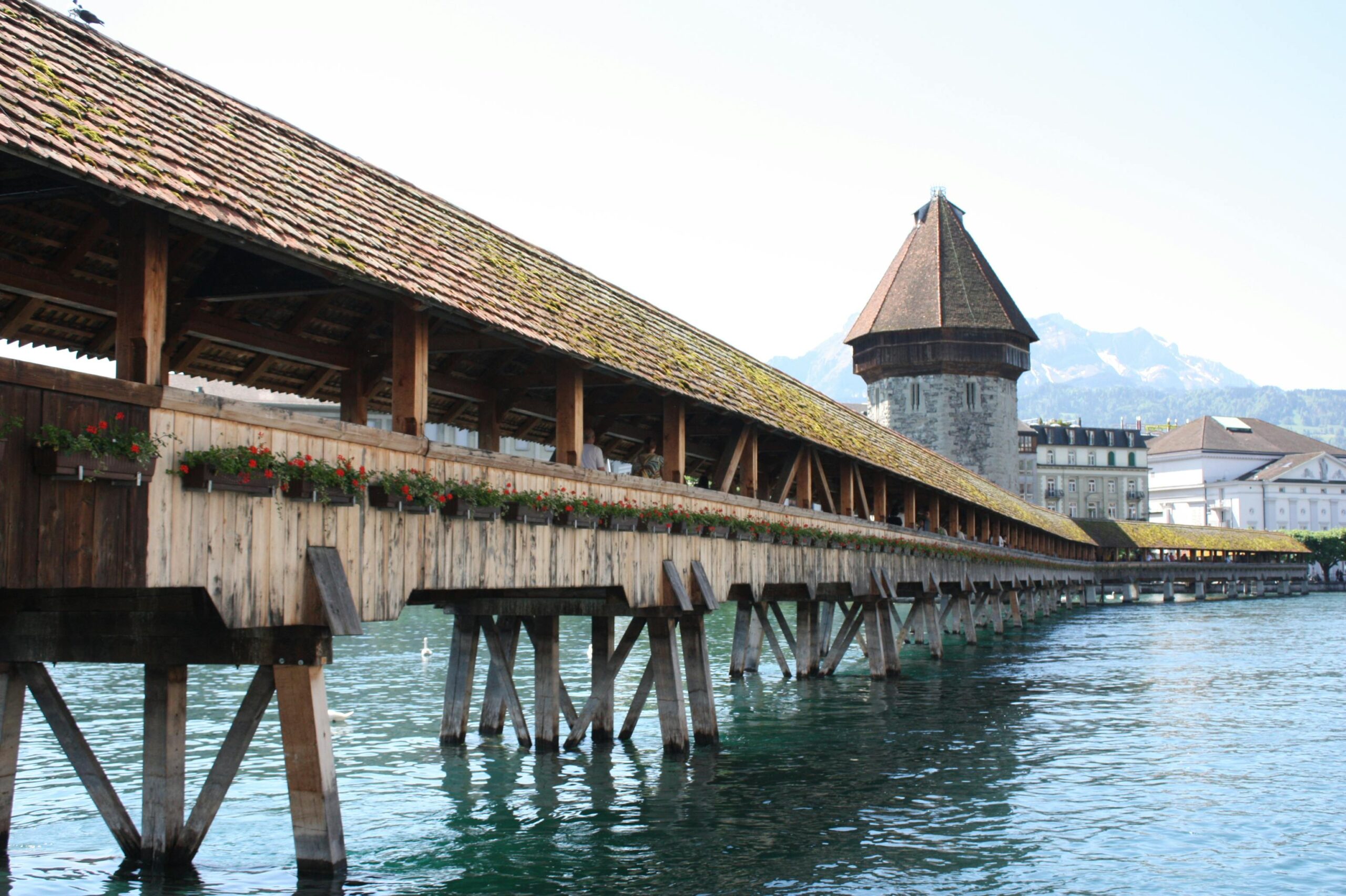
July — Warmest month; be ready for crowds at the Chapel Bridge, lakefront restaurants, and boat tours. August — Peak tourism continues, with the highest accommodation prices. September — A top pick for many visitors: warm days, lower prices, and grape harvest activity in surrounding areas. October — Cooler and picturesque; it’s quieter and great for photographers and hikers who prefer solitude.
November — Mornings can be foggy along the lake; museums and indoor attractions become appealing. December — Holiday markets and lights bring festive energy, though snow is possible. January–February — Lowest visitor numbers in the city itself (though ski areas are busy). March — Early spring returns on lower elevations, with occasional snow remaining at higher altitudes.
Understanding Lucerne weather and how it affects plans
Lucerne weather is influenced by both the lake and surrounding mountains. Summers are generally warm but not oppressively hot, with average highs in the mid-20s °C (mid-70s °F). Storms can form quickly in summer afternoons, so pack a light rain jacket.
Winter brings cold temperatures and snow at higher elevations; the city center tends to stay above the heaviest snowfall, but nearby mountain stations will be winter-white. Spring and autumn are transitional, with variable conditions—layers are essential. If you’re planning mountain excursions, always check alpine forecasts because conditions can differ substantially from city weather.
Lucerne tourist season: crowds and events
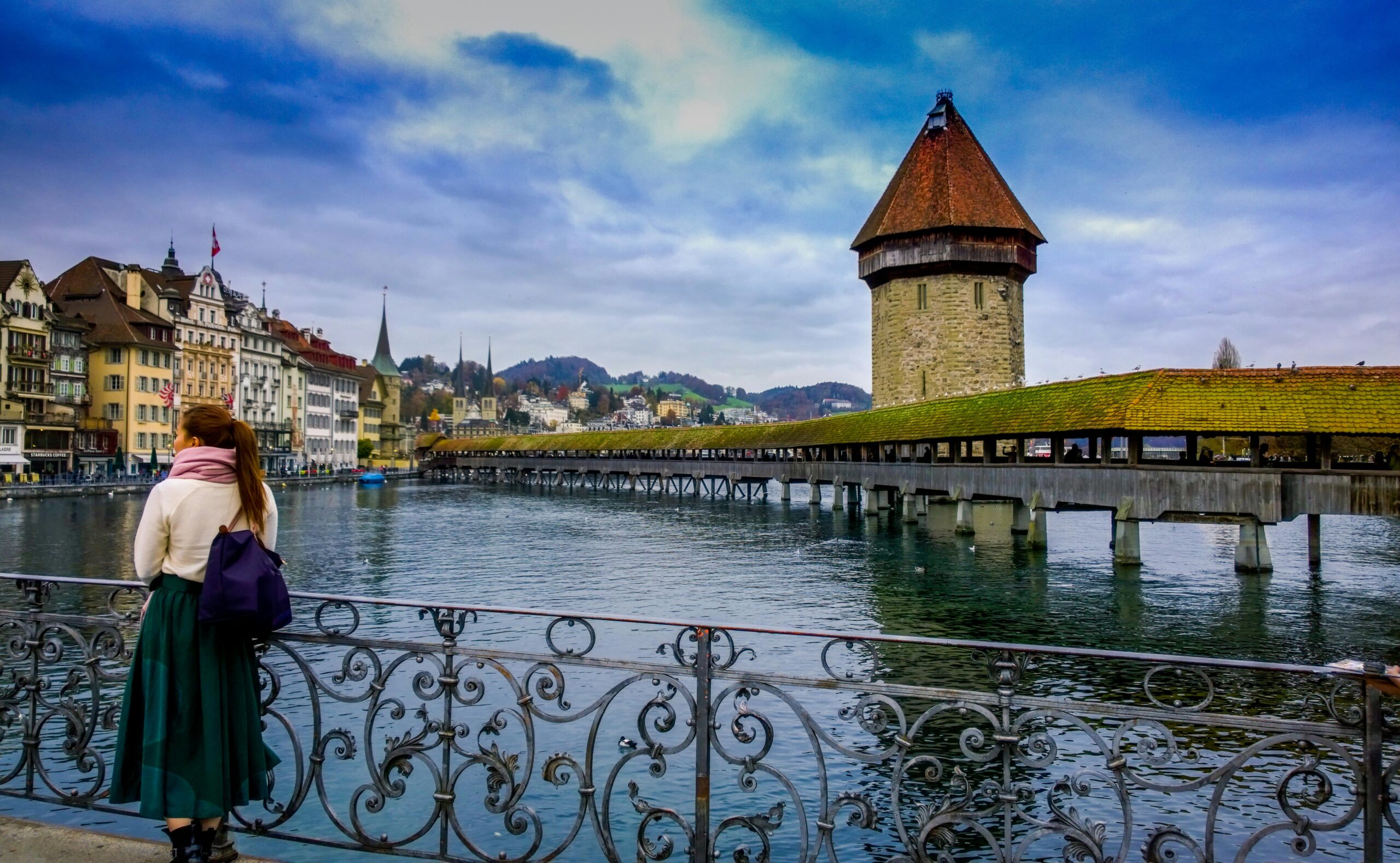
Lucerne tourist season peaks in July and August when families and international visitors converge for summer festivals, concerts, and boat tours. Expect longer lines at major attractions like the Lion Monument and the Chapel Bridge during this period. Shoulder seasons—late spring and early autumn—offer a good balance of activities with fewer crowds.
Major events also shape visitor numbers. For instance, cultural festivals and classical concerts can draw international audiences at certain times of year, and holiday markets push local visitation in December. If attending a specific event, book travel and accommodation well in advance.
Lucerne travel cost: budgeting by season
Lucerne travel cost varies by season, with the most significant differences in accommodation and flights. Summer and major festival dates command the highest nightly rates; you’ll typically find lower prices in late autumn (November) and winter (January–February), outside of holiday periods. Midweek stays often save money compared with weekend arrivals.
Daily costs for meals, local transport, and modest admission fees are relatively stable year-round. If you plan to use mountain railways or take multiple boat trips, consider passes and discounted bundles. For hotel and apartment choices across seasons you can compare current availability and prices through hotel booking sites like hotel listings on Booking.com.
To reduce expenses: travel in shoulder months, book early for peak periods, use public transport (the Swiss Travel Pass can be cost-effective if you plan several day trips), and eat at markets or bakeries for some meals. For stays, consider neighborhoods a short walk from the old town for better nightly deals without sacrificing location.
Activities and itineraries by season
Spring and summer activities: lake cruises, walking tours around the medieval center, hikes on Rigi and Pilatus, and cycling along the lakeshore. Early summer is excellent for boat-and-mountain combos and photography as wildflowers bloom.
Autumn activities: grape harvest experiences nearby, quieter walking routes, and scenic drives through fall foliage. Cultural programming resumes in full—concert venues and museums present exhibitions with more manageable visitor numbers.
Winter activities: ski and snowboard at nearby Alpine resorts, take panoramic trains for snow-scapes, or enjoy a cozy afternoon in a café with views of the snow-dusted peaks. The city itself offers Christmas markets and seasonal cuisine that highlight Swiss winter traditions.
- Day trip ideas: Mount Pilatus, Mount Rigi, Engelberg and Titlis, and nearby smaller towns along the lake.
- Family-friendly: boat rides and the Swiss Museum of Transport.
- Active travelers: hiking and via ferrata in summer; skiing and snowshoeing in winter.
Practical tips for choosing your travel dates
Decide what matters most: weather, crowds, cost, or events. If ideal weather and full alpine access are priorities, aim for July–September. If lower prices and fewer people matter more, target November–early December or January–February (outside holiday weeks). For a balance of pleasant weather and manageable crowds, late spring (May–June) and early autumn (September) are often the best compromise.
Advance planning matters more during the Lucerne tourist season—accommodation and regionally popular mountain excursions can sell out. Consider weekday travel, book key experiences in advance, and keep an eye on regional holidays that might affect availability. If you’re flexible, use day-of-week shifts to secure lower airfares and hotel rates.
FAQs
What is the warmest month in Lucerne?
July is typically the warmest month, with average daytime highs often in the mid-20s °C (mid-70s °F). Late June and August can be similarly warm but are sometimes punctuated by brief thunderstorms.
When is Lucerne least crowded?
The least crowded periods are late autumn (November, excluding holiday weeks) and January–February after New Year’s. These months see fewer international tourists, though some seasonal attractions may operate reduced hours.
How does Lucerne travel cost change by season?
Accommodation and flight prices rise in July–August and during major holidays; shoulder seasons (May–June and September–October) generally offer better value. Daily expenses like food and local transport remain relatively stable year-round.
Can I do mountain excursions in winter?
Yes—many mountain railways and cable cars operate in winter, and ski resorts are busy. However, some high-altitude hikes and summer-only trails are closed, so check operating schedules before you plan.
Where can I compare accommodation options in Lucerne?
Popular booking platforms and official tourism pages list hotels, apartments, and guesthouses with availability and reviews; for a broad comparison of current options, see accommodation pages on sites like Lucerne listings on Booking.com.
Conclusion
Choosing the best time to visit Lucerne comes down to priorities: aim for summer for warm weather and full alpine access, shoulder seasons for pleasant weather and fewer crowds, and winter if you want snowy landscapes and ski options. Factor in events and price peaks, plan mountain activities with weather in mind, and book key services in advance during busy windows. With a little planning, Lucerne rewards visitors year-round with dramatic scenery, historic charm, and efficient Swiss infrastructure that makes day trips and exploration easy.