Deciding on the best time to visit Maastricht depends on what you want from the trip: mild weather, lively festivals, lower prices or the quiet charm of off-season streets. Maastricht sits in the far south of the Netherlands, where a mix of Dutch, Belgian and German influences shapes its culture, food and calendar of events. This guide helps you match your priorities—weather, crowds and budget—to the ideal month to go.
Below you’ll find a season-by-season breakdown of Maastricht weather, explanations of tourist season patterns, advice on how Maastricht travel cost changes through the year and practical tips for planning a comfortable, well-timed visit.
When to go: overview by season
Spring (March–May) is often the most appealing period for many visitors: temperatures climb from cool to pleasantly warm, outdoor terraces and parks start filling up, and many cultural venues resume fuller schedules after winter. Summer (June–August) brings the warmest weather and the highest visitor numbers, while autumn (September–November) offers crisp air, harvest menus in restaurants and fewer crowds. Winter (December–February) is quiet except around Christmas markets and New Year’s celebrations—cold, but atmospheric for museum visits and cozy cafés.
Consider what you value most. If you prefer milder crowds and lower prices, late autumn or winter (excluding holiday weekends) can be ideal. If you want festivals, river life and the full al fresco experience, mid-June to early September is the peak tourist season in Maastricht.
Maastricht weather: month-by-month expectations
Understanding Maastricht weather by month will help set expectations for packing and daily plans. March and April can be changeable—layers, a light waterproof jacket and comfortable walking shoes are sensible. May warms up and brings longer daylight hours. June through August typically sees highs in the low to mid-20s°C (70s°F), with occasional hotter spells. September remains pleasantly warm early in the month before cooling off. October to February are the coldest months with temperatures commonly hovering around single digits Celsius and occasional frost or light snow.
Rain can fall any month, so keep a compact umbrella or water-resistant outer layer handy. If you plan to hike the surrounding hills or take river excursions, check detailed forecasts a day or two in advance for the best experience.
Events and festivals that shape the calendar
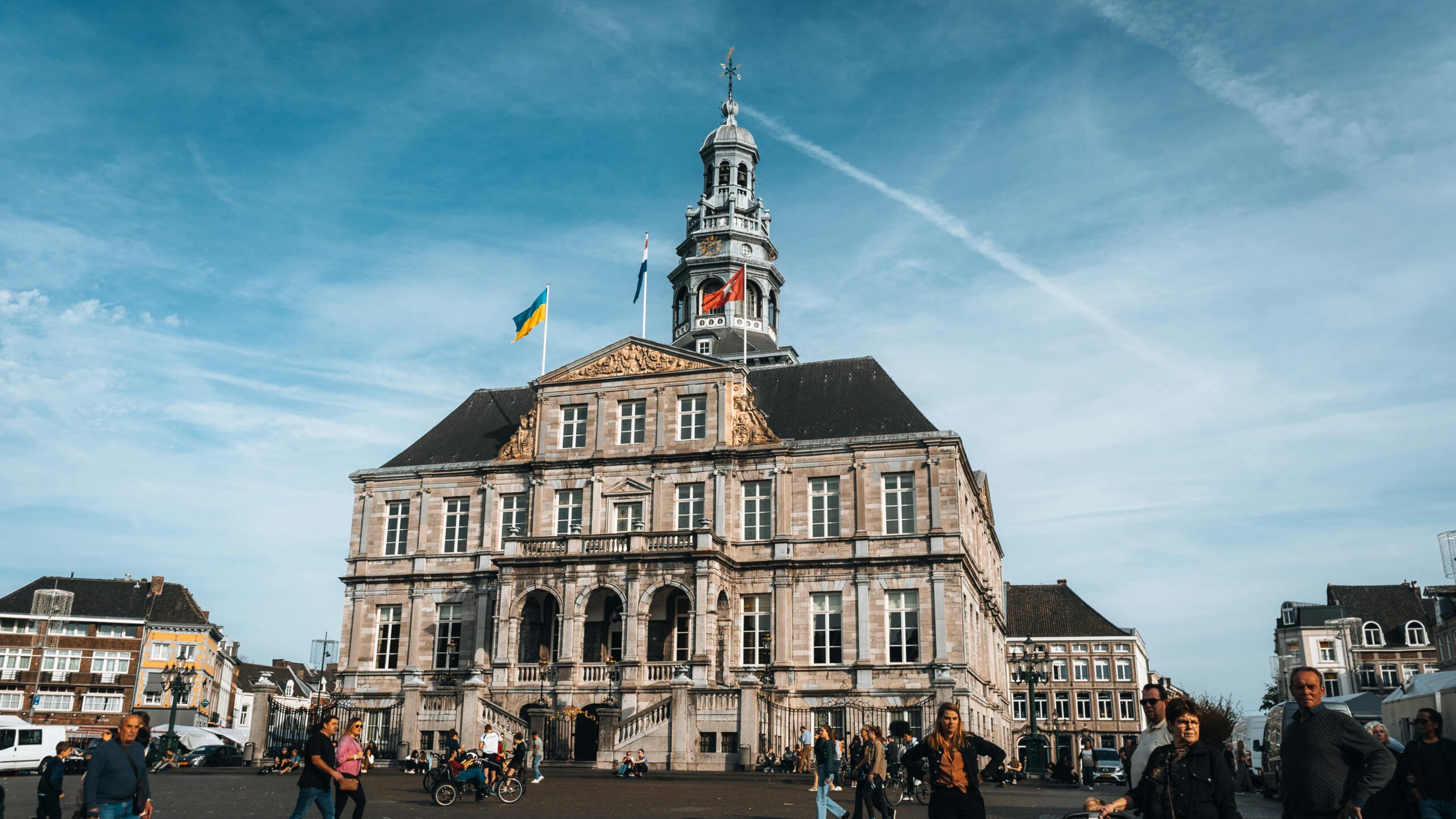
Maastricht’s cultural calendar affects both when visitors arrive and what experiences are possible. Highlights include the bright summer festivals, classical and jazz concerts, market days in Vrijthof and Sint Servaasplein, and design or culinary events that draw regional crowds. The city’s university and conference schedule also influences midweek occupancy in hotels and restaurants.
Planning around one or two signature events can make your trip especially rewarding, but be aware those dates often increase local prices and require early bookings for accommodation and popular restaurants. For wide hotel choices and more flexible dining options, avoid major festival weekends or reserve well in advance.
How the Maastricht tourist season affects crowds and opening hours
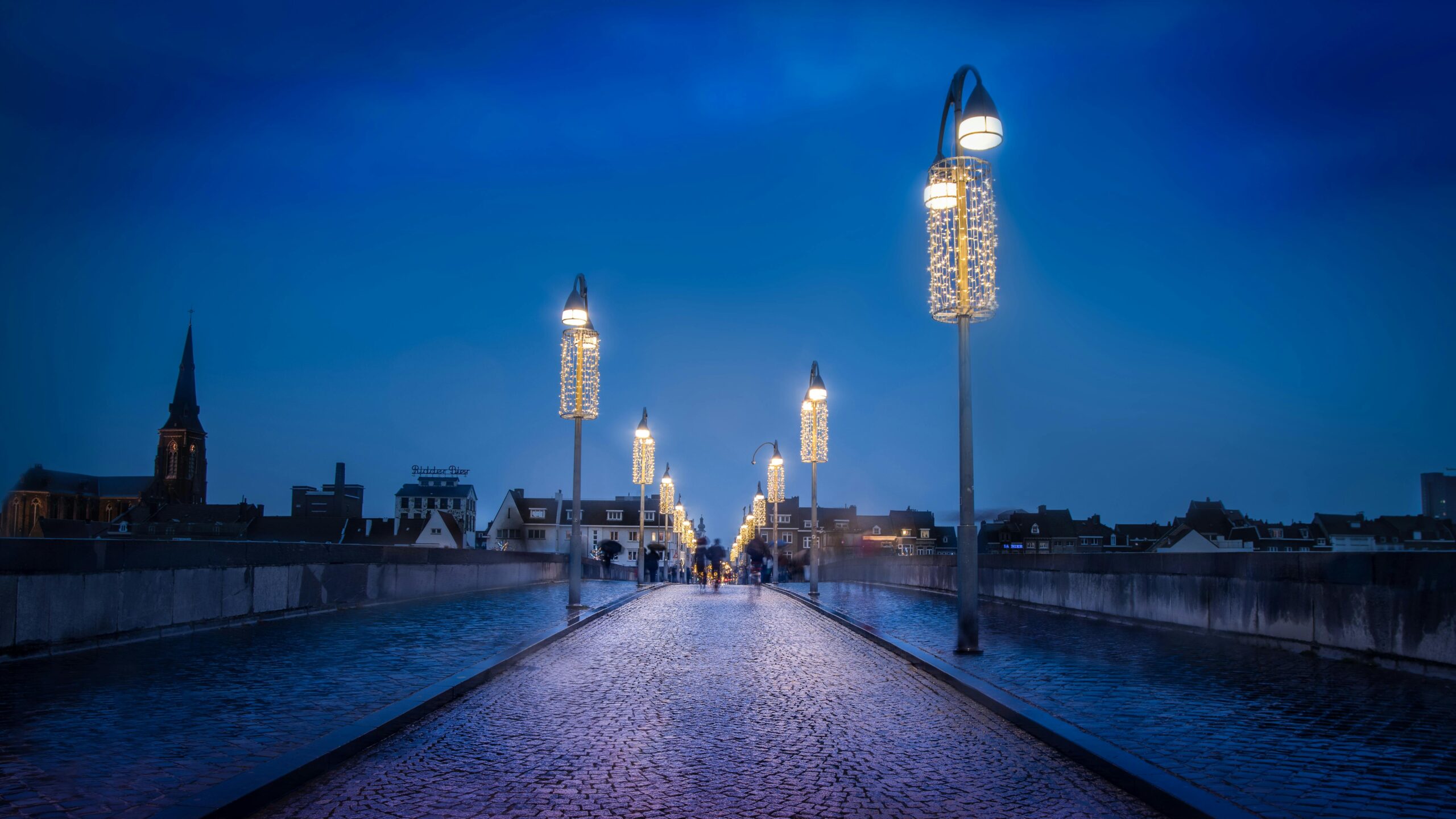
Peak tourist season in Maastricht (late spring through summer) brings longer opening hours for shops, museums and attractions, and more frequent guided tours in English and other languages. Streets and squares can feel lively, especially around the river Meuse and the Vrijthof. Outside peak months, you’ll find shorter lines, calmer cafés and more relaxed visits to popular museums like Bonnefanten and the underground caves at St. Pietersberg.
Transportation schedules—ferries, some regional buses and tour operators—often expand in summer, while reduced services can occur in late autumn and winter. If you’re relying on public transit to reach outlying sites, confirm timetables in advance to avoid disappointment.
Practical tips by season: packing, transport and sightlines
Spring and autumn: Pack layers, waterproof shoes and a light raincoat; mornings and evenings can be chilly while afternoons may warm up. Reserve indoor attractions and popular restaurants a few days ahead for weekends.
Summer: Bring sun protection and lighter clothing, but keep a light jacket for evenings near the river. Book accommodation and special-occasion dinners well in advance, and consider weekday visits to major sights to avoid weekend crowds.
Winter: Dress warmly for short outdoor walks and allow extra time for icy sidewalks in colder spells. Many museums and churches remain open and are less crowded, making winter an excellent choice for culture-focused trips.
- Transport tip: Maastricht is compact and walkable; reserve taxis or airport transfers early during busy weekends.
- Dining tip: Reserve tables for weekend evenings during peak season and for special tasting menus year-round.
- Accessibility tip: Check attraction accessibility if mobility is a concern—some historic sites have limited step-free access.
Planning your budget: Maastricht travel cost and when to save
Maastricht travel cost varies with season, event dates and how far in advance you book. Summer and major festival periods bring higher hotel rates and busier restaurants. Visiting in shoulder months—April to May or September to October—often yields a balance of nicer weather and more reasonable prices. Booking accommodation in advance can secure better rates; for last-minute deals, midweek stays outside peak holiday windows sometimes offer lower nightly rates.
For accommodation options and comparisons across different neighborhoods, many travelers start their search on established booking platforms where you can filter by price, location and guest reviews. For a comprehensive selection of hotels and apartments in Maastricht, see current accommodations in Maastricht.
Where to stay and how neighborhood choice affects your trip
Choosing a neighborhood shapes your daily experience. The historic center and Wyck provide easy walking access to museums, boutiques and major squares. The Boschstraatkwartier offers quieter residential streets with local cafés, while areas across the river give slightly lower prices and pleasant riverside walks. If you want nightlife and late dining, stay central; if you prefer calmer mornings and local markets, a short tram or bus ride from the center can be worthwhile.
To compare options across dates and filter amenities that matter most—breakfast included, free cancellation or a central courtyard—look at aggregated hotel listings and read recent guest reviews for up-to-date service details and neighborhood impressions. You can browse current listings and filter by neighborhood on major booking services.
FAQs
What is the warmest month in Maastricht?
The warmest months are typically July and August, with average daytime temperatures in the low to mid-20s°C (70s°F). Occasional hotter spells can push temperatures higher, so check forecasts close to your travel dates.
When is Maastricht least crowded?
Late autumn (November) and the winter months outside of the holiday season are generally the least crowded. Visiting between January and early March often means quieter streets, though some attractions may have reduced hours.
How much should I budget per day in Maastricht?
Daily costs depend on travel style. A budget traveler using public transport, cooking some meals and staying in budget accommodation can manage on a modest daily sum, while mid-range travelers should budget more for restaurants, entry fees and local transport. Prices rise during the peak tourist season and around major events.
Are there any must-see seasonal events in Maastricht?
Yes—Maastricht hosts several notable events across the year, including summer festivals, cultural weeks and seasonal markets. Specific events vary by year, so check current calendars before booking to align your visit with local highlights if that interests you.
Is Maastricht easy to visit as a day trip from nearby cities?
Maastricht is well connected by train and regional roads, making it feasible as a day trip from nearby Dutch and Belgian cities. For a relaxed experience with time for museum visits and dining, an overnight stay is recommended, especially during busy weekends.
Conclusion
Choosing the best time to visit Maastricht comes down to balancing weather preferences, crowd tolerance and budget. Spring and early autumn offer pleasant weather and fewer crowds, summer delivers festival energy and longer days, and winter provides a quieter, culture-focused visit. Check event calendars and transport timetables ahead of booking, secure accommodations early for popular dates and pack flexibly for changeable conditions. With a little planning, you can match your priorities to the ideal season and enjoy Maastricht’s rich history, cuisine and lively streets on your terms.