Deciding the best time to visit Madrid depends on what you want from the trip: comfortable weather for sightseeing, lower travel costs, or lively festivals and nightlife. In this guide I cover the city’s seasonal weather patterns, crowd levels, travel costs and practical tips so you can choose the ideal window for your visit.
This advice is compiled from official tourism patterns and long-term climate trends to help you pick months that match your priorities — whether that’s pleasant temperatures, fewer tourists, or the buzz of an annual event.
When is the best time to visit Madrid?
For most travelers the best time to visit Madrid is during spring (April–June) and autumn (September–October). These shoulder seasons offer warm, comfortable daytime temperatures, cooler evenings, and fewer extreme heat days than midsummer. Museums, parks and terraces are at their most pleasant and daytime activities are easier without the searing highs that can occur in July and August.
If you like festivals and a livelier atmosphere, late May and June bring major local events around the city; if you prefer quiet streets and lower prices, aim for late autumn or January-February, when arrivals dip and many hotels reduce rates.
Madrid weather by season
Madrid’s continental climate produces hot, dry summers and cool winters with low to moderate rainfall. Temperatures and daylight vary by season, so here’s a practical breakdown:
- Spring (March–May): Daytime averages 15–23°C (59–73°F). Blossoming parks and longer days make walking and terrace dining enjoyable.
- Summer (June–August): Daytime often hits 30°C (86°F) or higher, especially in July. Nights can remain warm. Expect strong sun and occasional heatwaves.
- Autumn (September–November): Early autumn is warm and pleasant (20–25°C / 68–77°F), cooling steadily by November. Rain is slightly more likely than in summer.
- Winter (December–February): Daytime averages 6–12°C (43–54°F) with cold nights; snow is rare but not impossible. Many indoor cultural activities are ideal in this season.
For up-to-date monthly averages and forecasts that can help narrow exact travel dates, consult a dedicated climate and forecast resource for Madrid’s long-term trends and current conditions: detailed climate and forecast reports.
Crowd levels and tourist season
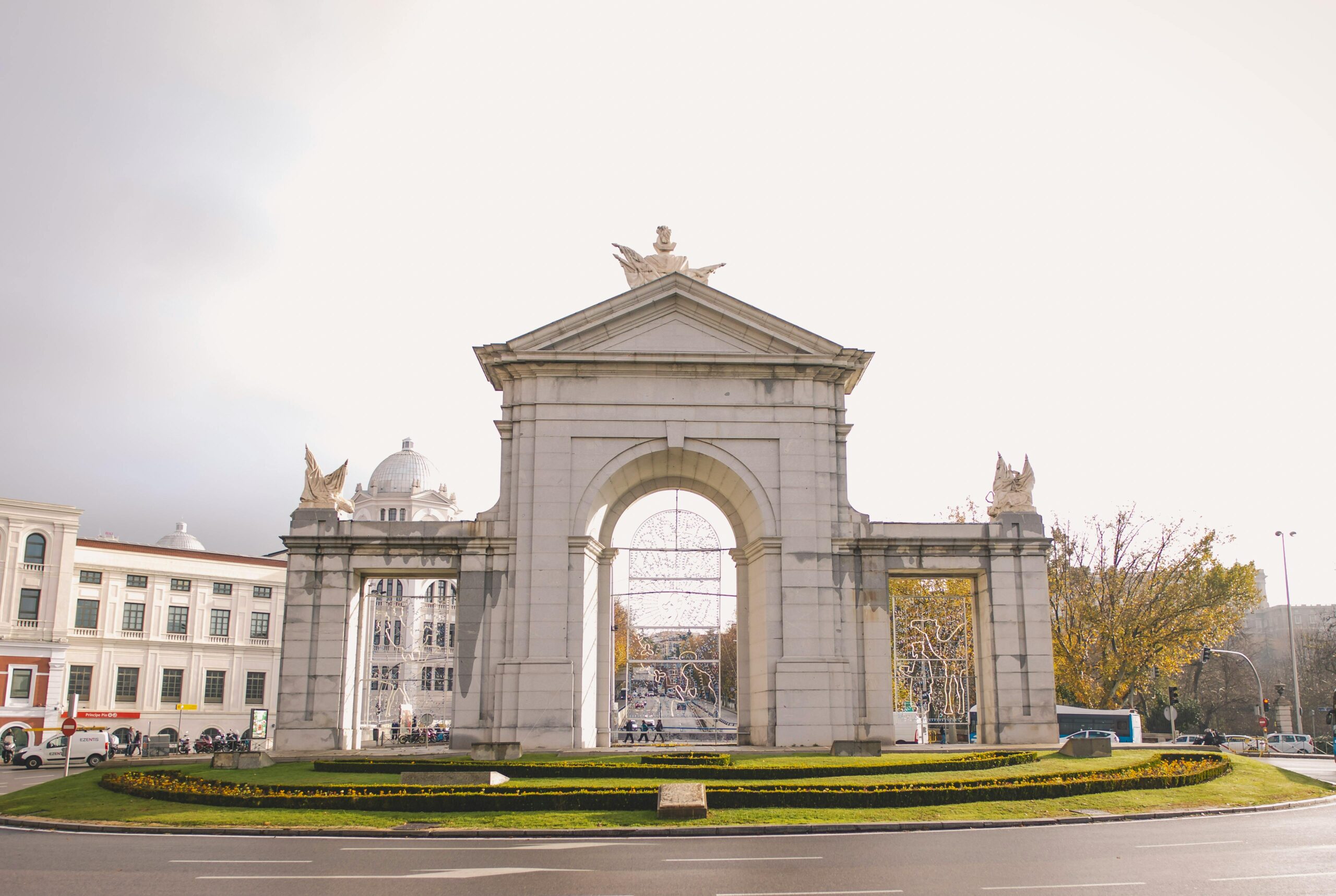
Tourist season in Madrid has distinct peaks and quieter stretches. High season typically centers on the European summer months (June–August) and the Christmas/New Year period, while shoulder seasons (spring and autumn) enjoy comfortable conditions and reduced congestion. Low season runs through January and February, when visitor numbers fall and many travelers seeking bargains arrive.
Even in August, when many locals travel elsewhere for holidays, Madrid remains lively with tourists; some smaller shops or traditional restaurants may close for a week or two, but museums, major sights and terraces stay open. If you want fewer queues at top attractions like the Prado, Reina Sofía or Royal Palace, aim for weekday mornings in the shoulder seasons.
Madrid travel cost and budgeting
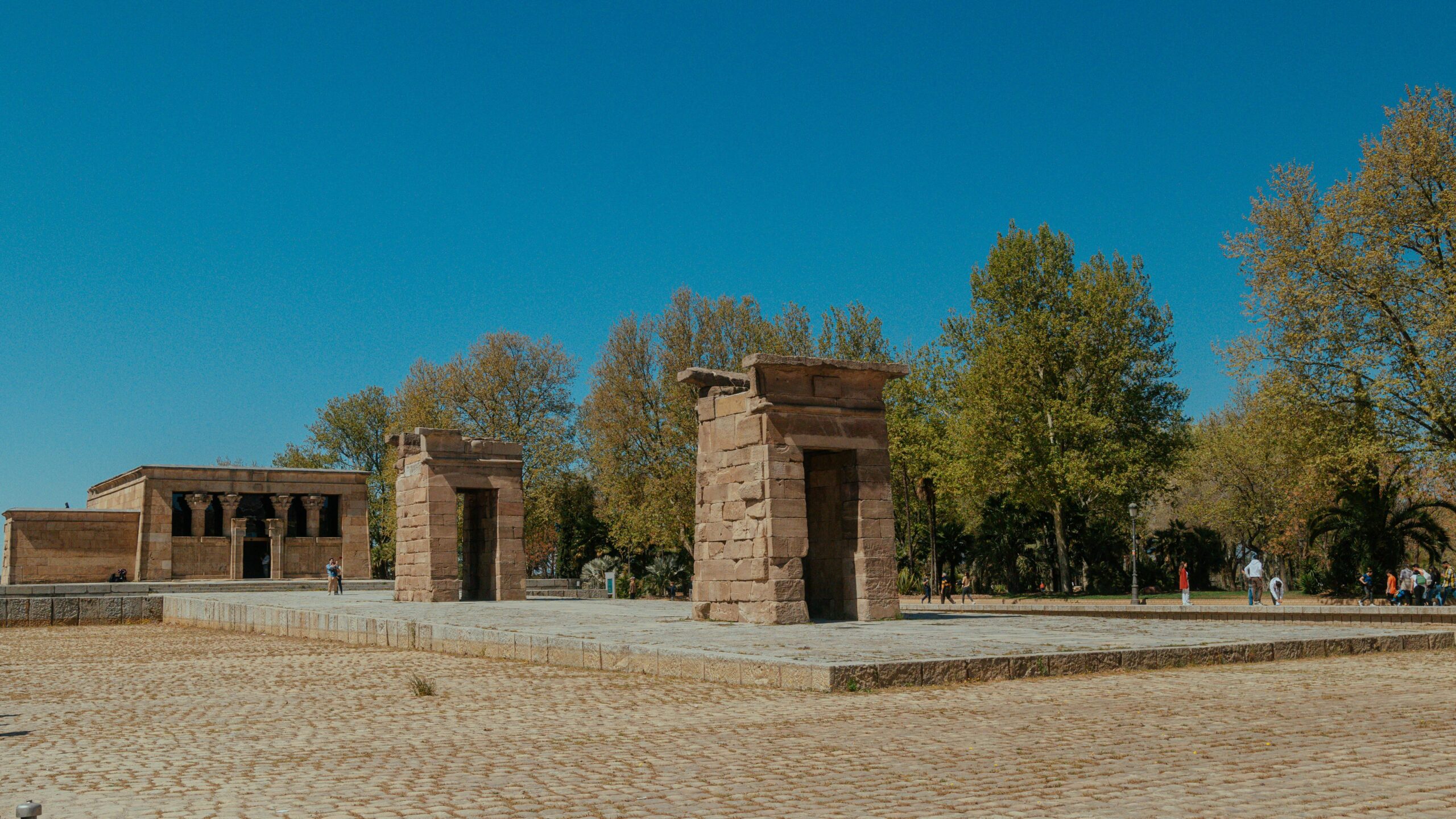
Madrid travel cost varies with season and personal style. Accommodation and airfares are highest during summer, major festivals, and late December; booking early usually secures better rates. Average daily costs depend on travel style:
- Budget traveler: €50–€80 per day (hostels, budget meals, public transit).
- Mid-range traveler: €120–€200 per day (3–4 star hotels, a mix of casual and sit-down meals, paid attractions).
- Comfort/luxury traveler: €250+ per day (higher-end hotels, fine dining, private tours).
To save money consider staying just outside the central neighborhoods and using Madrid’s efficient metro and commuter trains, or traveling during the low season when hotels and some tours discount rates. For context on Madrid’s urban profile and historical tourism patterns, see a general city overview: Madrid’s city profile.
Additional ways to reduce costs: buy a multi-day transport pass, visit museums on free-entry times, eat like a local at mercados and menu del día lunches, and compare accommodation options across booking platforms rather than assuming a central address is always best value.
Events and festivals that affect timing
Major events shape both crowds and the character of the city. If you want to attend or avoid large gatherings, plan around these highlights:
- San Isidro (mid-May): Madrid’s biggest local festival with concerts, processions and a lively atmosphere around the city’s parks.
- Madrid Pride (usually late June/early July): One of Europe’s largest Pride celebrations, drawing international visitors and producing higher accommodation rates.
- Veranos de la Villa (summer): A mix of music, dance and cultural programming across open-air venues.
- Christmas and Three Kings (late December–early January): Festive markets and lights create a spirited but busier city center.
Choosing dates around these events can be deliberate: attend to experience local celebration and nightlife, or avoid them to lower costs and skip longer queues at popular attractions.
Practical travel tips by season
Packing, daily planning and how you experience Madrid change with the season. These practical tips will help maximize comfort and enjoyment:
- Spring: Pack layers and a light rain jacket. Reserve popular attractions ahead for late spring weekends.
- Summer: Bring sun protection, a reusable water bottle and lightweight clothing. Plan outdoor sightseeing for mornings and evenings, rest during the hottest midday hours.
- Autumn: Layers again are useful; early autumn still allows for terraces, while late autumn calls for a warmer coat for evenings.
- Winter: A warm coat and comfortable footwear for brisk walks. Take advantage of shorter queues at major museums.
Other year-round tips: buy the Madrid Tourist Travel Pass if you’ll use public transport frequently, check museum free-entry times (many offer free hours once a week), and learn typical Spanish meal times — late lunches and late dinners are normal and help you blend in.
FAQs
What months have the most pleasant weather in Madrid?
April through June and September through October typically offer the most pleasant weather: warm days, cooler nights, and less intense heat than mid-summer. These periods are ideal for walking, parks and outdoor cafés.
Is summer in Madrid too hot for sightseeing?
Summer can be quite hot, with daytime temperatures often exceeding 30°C (86°F) in July and August. Sightseeing is still possible but plan outdoor activities for morning or evening, stay hydrated and allow indoor museum or café breaks during peak heat hours.
When are hotel prices lowest in Madrid?
Hotel prices tend to be lowest in January and February after the holidays, and sometimes in late autumn excluding event weekends. Booking in advance and comparing dates around major festivals will usually find better rates.
Are museums and attractions less crowded in winter?
Yes — winter, especially January–February, typically sees fewer international visitors, so museums and top sites can be quieter. Note that some smaller venues or seasonal outdoor events may have reduced hours.
Can I expect many closures in August?
Some small, family-run restaurants and specialty shops may close for one or two weeks in August while locals take holidays, but major museums, attractions and most restaurants in central neighborhoods remain open for tourists.
Conclusion
Choosing the best time to visit Madrid comes down to balancing weather, crowds and cost. For comfortable sightseeing and a lively but manageable city atmosphere, aim for spring or early autumn. If you prefer the lowest prices and quieter streets, winter brings bargains and indoor cultural experiences. Plan around festivals if you want to join local celebrations or avoid them for a calmer trip, and use practical tips for packing and booking to get the most from your visit.