Deciding the best time to visit Marseille comes down to what you want from France’s oldest city: warm Mediterranean days, lively festivals, or quieter streets for museum-hopping. Whether you’re chasing sunshine, steering clear of crowds, or balancing a budget, timing your trip affects everything from weather and activities to cost.
This guide breaks down Marseille weather, the tourist seasons, month-by-month conditions, and realistic travel costs so you can choose the ideal window for your visit. Practical packing tips and event highlights will help you plan an itinerary that matches your priorities.
When is the best time to visit Marseille?
The best time to visit Marseille depends on your priorities. For warm beach days and full nightlife, late June through August delivers peak Mediterranean summer with reliably hot temperatures and long evenings. If you prefer mild weather, fewer tourists, and lower prices, aim for the shoulder seasons—April to June and September to October—when sunny days are common and attractions are easier to enjoy.
Winter (November to March) is quieter and cooler; while swimming is off the table for most travelers, museums, markets, and neighborhoods like Le Panier feel more authentic and relaxed. Keep in mind that mistral winds can be strong year-round and will affect how warm or pleasant a day feels.
Marseille weather by season
Understanding Marseille weather by season helps you match activities to conditions.
- Spring (March–May): Mild temperatures (12–20°C / 54–68°F), increasing sunshine, flowering trees. Good for walking tours and early beach visits.
- Summer (June–August): Hot and dry (24–30°C / 75–86°F, sometimes higher), long daylight hours, peak beach season. Expect crowds and lively evening scenes.
- Autumn (September–November): Warm early autumn with cooling in November (15–22°C / 59–72°F). Harvest festivals and fewer tourists make it appealing for food-focused travel.
- Winter (December–February): Cool and wet at times (6–12°C / 43–54°F). Ideal for cultural visits, museums, and lower accommodation rates; but bring layers for chilly nights and mistral gusts.
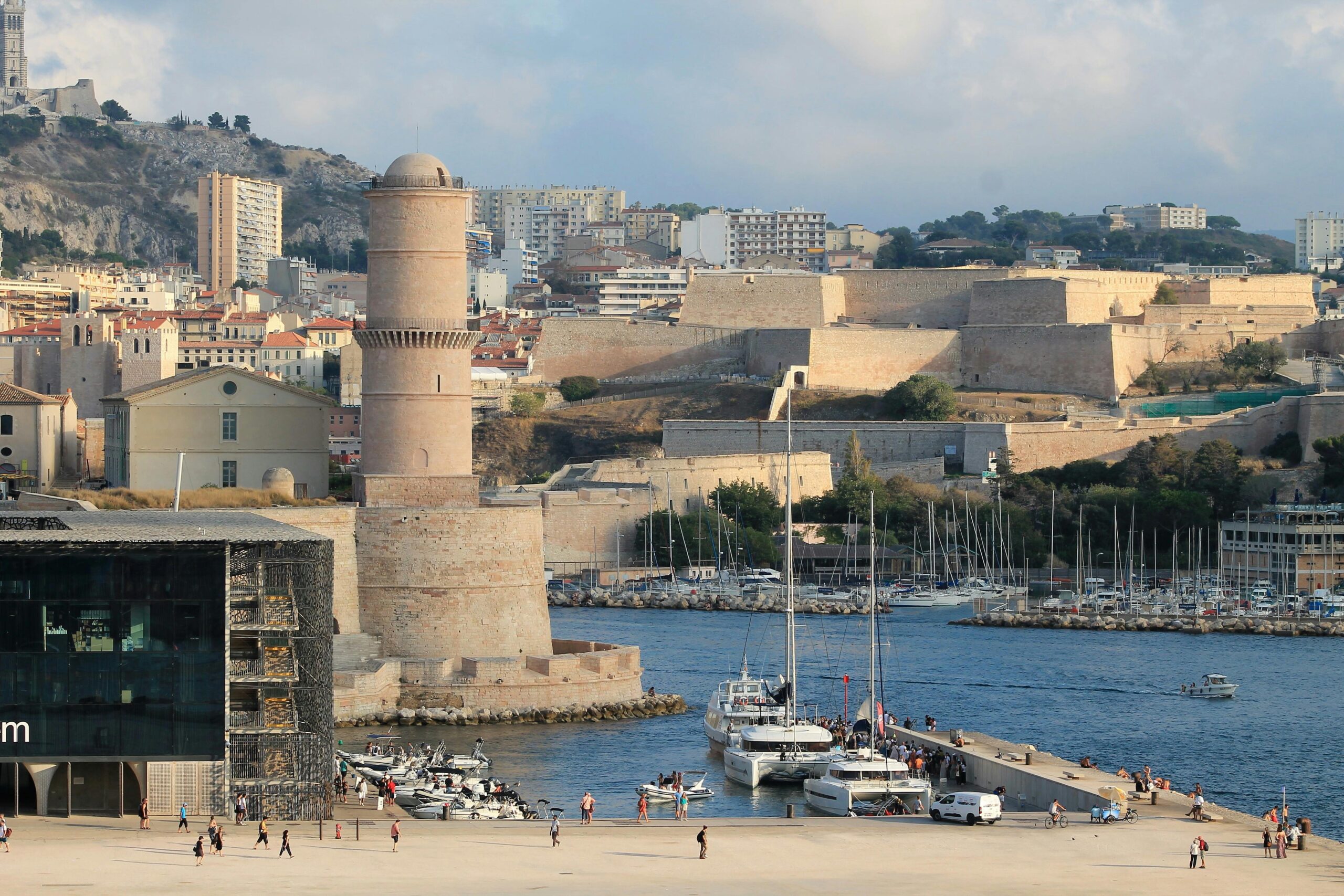
Month-by-month breakdown: what to expect
Planning by month gives a clearer picture of crowds, weather, and activities.
- January–February: Quiet, cheapest travel costs, some rainy days; museums like MuCEM and the Abbaye Saint-Victor are pleasant without queues.
- March–May: Blooming parks, fewer crowds, pleasant temperatures—great for exploring the Old Port and coastal walks.
- June: Warm sea temps begin, festivals start appearing, cafés fill up—good balance of weather and atmosphere.
- July–August: Hottest and busiest months. If you want beaches and nightlife, this is peak season; book accommodation well in advance.
- September–October: One of the best windows—sea still warm in early September, crowds thin, and local life resumes its normal pace.
- November–December: Cooler days, holiday markets in December, lower hotel rates and quieter sights.
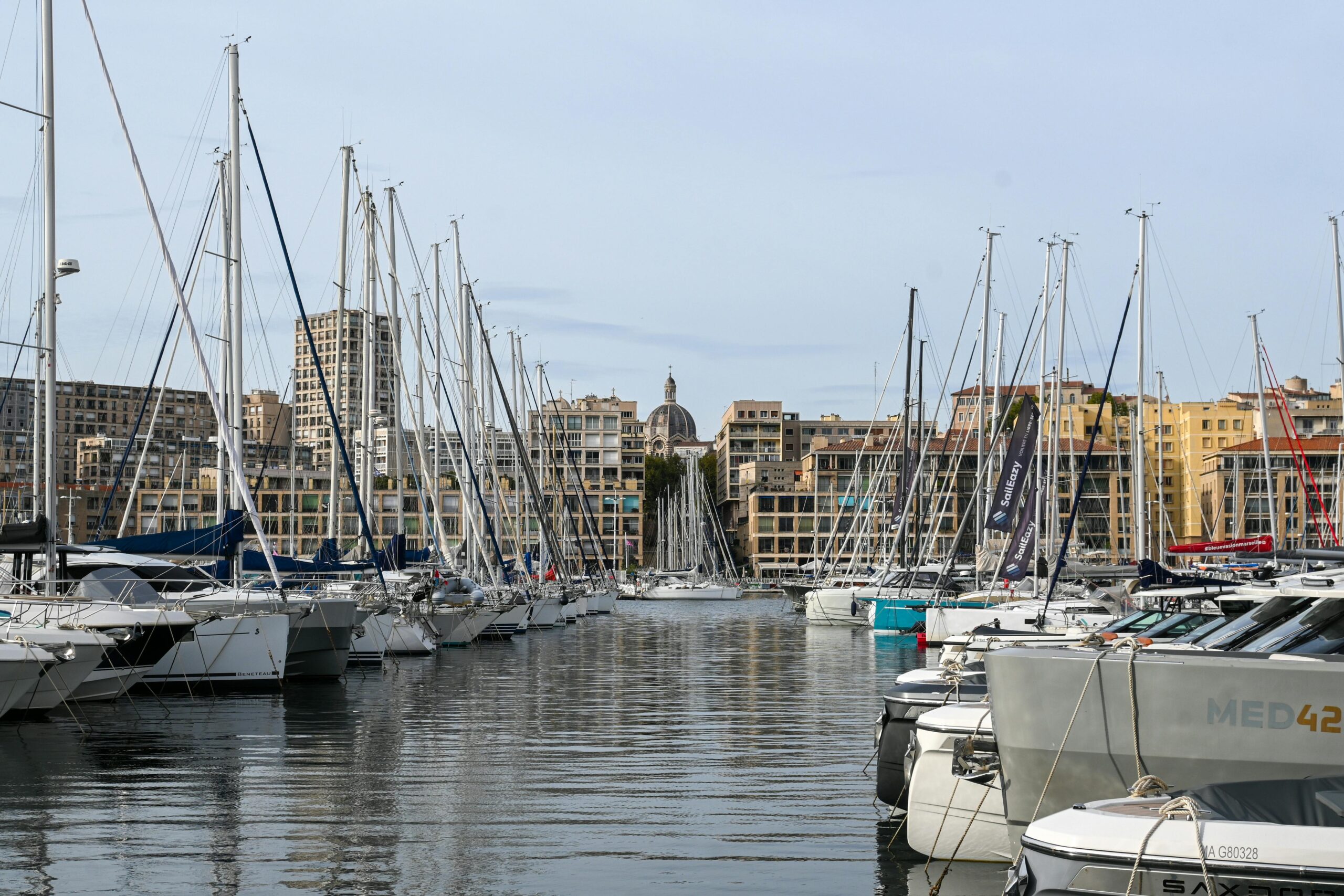
Avoiding crowds: understanding Marseille tourist season
Marseille tourist season peaks in July and August when both international travelers and domestic visitors flock to the coast. Popular sites—Basilique Notre-Dame de la Garde, the Old Port, and boat trips to the Calanques—see the biggest crowds during these months. For a quieter experience, plan sightseeing for early morning or late afternoon, or travel in May, early June, or September when visitor numbers drop but the weather remains appealing.
Travelers who want a truly low-key visit should consider winter months; although some seasonal businesses close, cultural venues and many restaurants remain open, and you’ll get a more local feel of Marseille life.
Marseille travel cost: budgeting by season
Marseille travel cost fluctuates with the season. Expect the highest prices for hotels and short-term rentals in July–August and during major events. Shoulder seasons offer better rates and good weather, while winter provides the lowest accommodation prices and deals on flights.
Typical budget ranges (approximate and per person):
- Budget traveler: 50–90 EUR per day (hostels, budget meals, public transport).
- Mid-range traveler: 120–220 EUR per day (3-star hotels, casual dining, occasional tours).
- Splurge traveler: 250+ EUR per day (4–5 star hotels, fine dining, private excursions).
For current hotel availability and price comparisons, many travelers use established booking sites to secure accommodation in advance; this helps lock in better rates during busier months. Find hotels and apartments in Marseille
What to pack and practical travel tips
Packing for Marseille should reflect the season and planned activities. Essentials include comfortable walking shoes for cobbled streets, a windproof layer for mistral-prone days, and sun protection for coastal time. If visiting in summer, lightweight clothes and swimwear are obvious; in winter, add a warm coat and waterproof layer.
- Documents: ID or passport, travel insurance, printed or digital confirmations.
- Transport: Marseille has good public transport—buy passes for extended stays and check schedules for ferries to the Frioul Islands and Calanques boats.
- Money: Credit cards are widely accepted but keep some cash for markets and smaller cafés.
To secure sensible accommodation options across different budgets, many travelers compare listings and reviews on well-known hotel sites before booking. Browse places to stay near the Old Port
Events and festivals that influence timing
Local events can make a visit more memorable but also affect availability and prices. Notable occasions include:
- Fête de la Musique (June 21) — free live music across the city.
- Le Festival de Marseille (summer) — contemporary dance and performance art.
- Christmas markets and seasonal light displays (December).
- Various food and wine events in late spring and autumn celebrating Provençal cuisine.
Check event dates before booking; attending a festival can be a highlight but plan early to avoid sold-out accommodation and crowded restaurants.
FAQs
What is the warmest month in Marseille?
July and August are typically the warmest months, with daily highs frequently in the mid-to-high 20s°C (mid 70s to mid 80s°F) and plenty of sunshine—ideal for beach days but also the busiest time for tourists.
When is the cheapest time to visit Marseille?
The cheapest period is usually November through March, excluding holiday weekends. Winter sees lower hotel rates and fewer tourists, though you should expect cooler weather and the possibility of rainy or windy days.
Is it safe to swim in Marseille year-round?
Swimming is most common between late May and September when water temperatures are comfortable. Outside those months, the sea is colder and sometimes rough due to wind; always check local conditions and lifeguard information at the beach.
How busy is Marseille during spring?
Spring (April–June) is pleasantly busy: nicer weather and gradually increasing tourist numbers, but without the intensity of peak summer. It’s a great time for sightseeing, outdoor markets, and coastal walks.
Do prices rise during major events in Marseille?
Yes—prices for accommodations and some services often rise during major festivals and peak summer weeks. Booking in advance and traveling in shoulder months are good strategies to avoid premium rates.
Conclusion
Choosing the best time to visit Marseille depends on whether you prioritize warm beach weather, lower costs, or quieter streets for exploring. For warm temperatures and lively atmosphere, aim for June–August; for the best balance of weather, crowds, and price, April–June and September–October are ideal. Winter offers the lowest prices and a more local experience if you don’t need beach weather.
Consider local events, pack for the mistral, and book ahead during peak months to secure preferred accommodations and tours. With the timing right, Marseille delivers a compelling mix of Mediterranean charm, historic neighborhoods, and coastal scenery any time of year.