Deciding the best time to visit Melbourne depends on what you want from your trip: city culture, beach days, festivals, or quieter streets. The best time to visit Melbourne balances milder weather, manageable crowds, and reasonable travel costs so you can enjoy the city’s cafés, laneways and nearby coastline without major disruption.
This guide breaks down Melbourne weather by season and month, outlines peak tourist season patterns, explains typical Melbourne travel cost considerations, and gives practical tips so you can pick the right time for your plans.
Seasons at a glance: what to expect
Melbourne has four distinct seasons, each offering a different character. Summers (December–February) are warm to hot and often dry. Autumn (March–May) brings cooler temperatures and beautiful foliage in parks. Winters (June–August) are cool, sometimes rainy and can be blustery. Spring (September–November) is variable but often mild and blooming with events and outdoor activity.
Because Melbourne is known for rapid weather changes — locals joke about “four seasons in one day” — short-term forecasts matter more than long-term expectations. Still, choosing a season that matches your interests (events, beaches, quieter museums) will narrow down the best months to visit.
Month-by-month guide to planning your trip
Use this month-by-month breakdown to match activities with likely weather and crowd levels.
- January: Peak summer. Warm to hot days and lively outdoor events. Great for beach trips and rooftop bars. Expect higher hotel rates and busy attractions.
- February: Warm with many events and festivals; still high season for visitors. Good for dining and nightlife but book ahead.
- March: Early autumn brings milder temperatures and fewer tourists — ideal for walking tours and coastal drives.
- April: Comfortable days and crisp evenings; arts festivals and outdoor markets are common.
- May: Cooler and quieter; museum and gallery visits are pleasant without long queues.
- June–August: Winter months; lower prices and fewer tourists, but expect rain and chill. Great for theatre, coffee culture and local food scenes.
- September: Spring arrives with variable weather and blooming gardens; crowds increase toward the end of the month.
- October–November: Mild to warm and lively with events — a sweet spot for comfortable sightseeing and moderate prices.
- December: Early summer energy returns with festive lights, outdoor dining and busier visitor numbers.
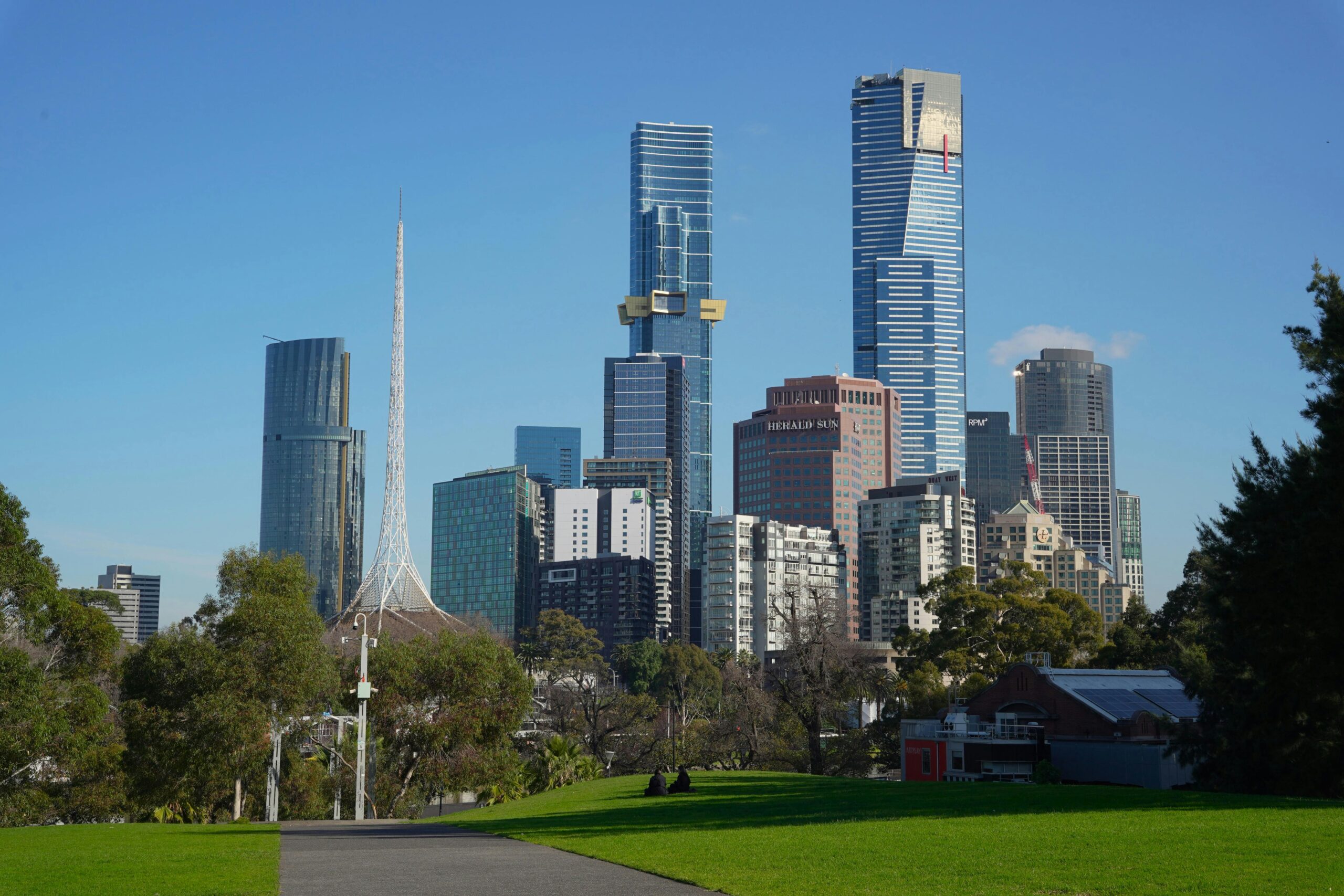
Understanding Melbourne weather: temperature, rain and variability
Melbourne weather is temperate but famously changeable. Average summer highs sit around 25–30°C (77–86°F), while winter highs are typically 10–14°C (50–57°F). Rainfall is fairly evenly distributed across the year, though late autumn and winter can be wetter. Sudden cold fronts can drop temperatures quickly even in otherwise warm months.
For day-to-day planning, layerable clothing and a lightweight rain jacket are sensible year-round. If you’re traveling for beach time, aim for the heart of summer; for fewer crowds and pleasant walking weather, autumn and spring are better. To check current conditions and long-range outlooks, consult local meteorological resources before finalizing plans.
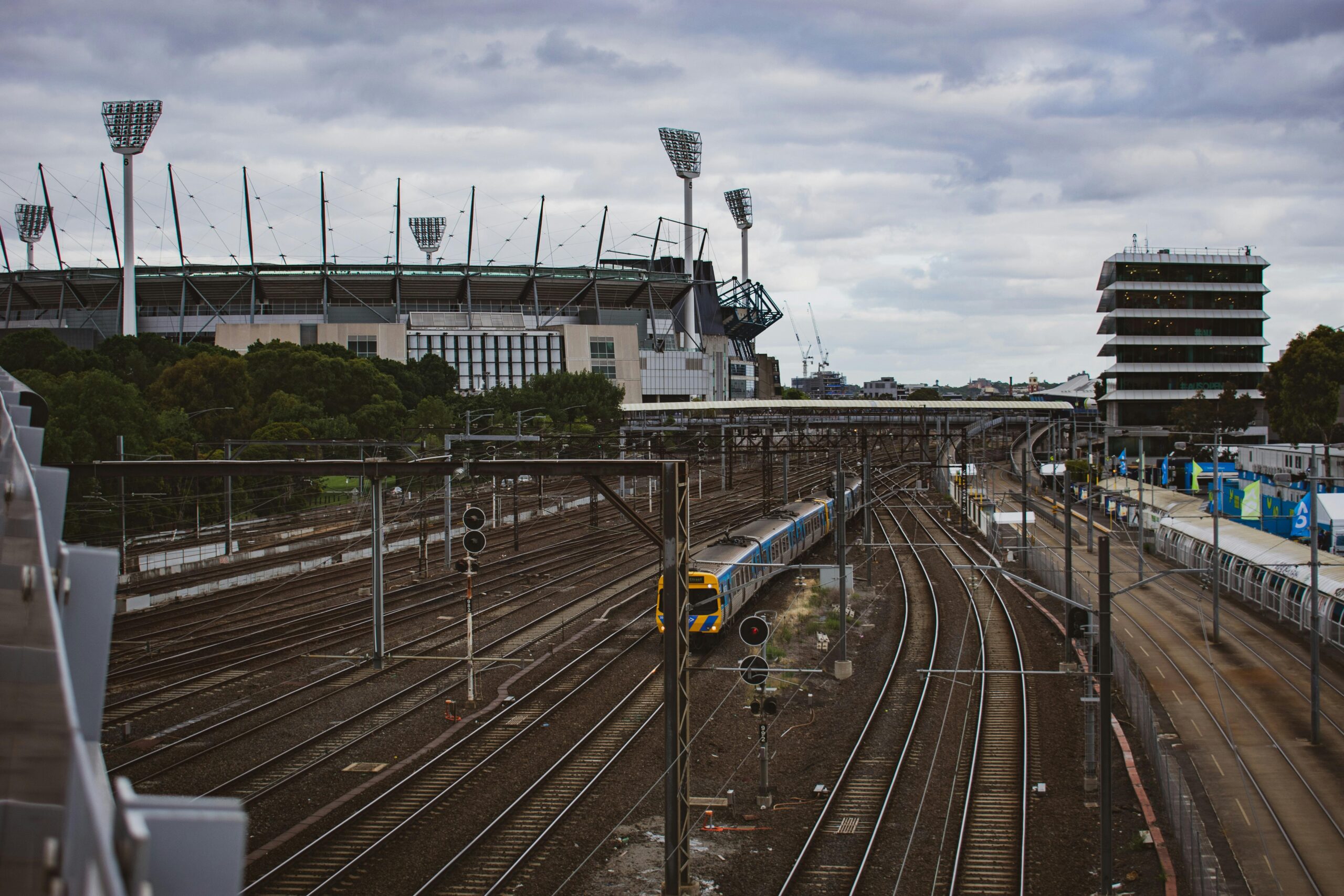
Melbourne tourist season and major events
Peak tourist season aligns with Australian summer (December–February) and major events. The Australian Open in January draws international visitors, while Melbourne Cup week in November brings surge travel for the racing carnival. Festivals, fashion weeks and international conferences can also inflate demand and prices.
If you prefer to avoid the busiest times, plan around these calendar highlights. Conversely, if you want to experience Melbourne’s event culture firsthand, booking accommodation and tickets well ahead is essential. For early hotel searches and availability, you can find hotels and deals in the city.
Melbourne travel cost: budgeting by season
Melbourne travel cost varies with season and how far in advance you book. Peak months and big event weeks usually mean higher airfares, hotel rates and some activity surcharges. Winter and shoulder seasons (March–May, September–November) often offer lower accommodation prices and occasional travel promotions.
- Accommodation: Expect the highest nightly rates during January and major event weeks. Booking early or choosing neighborhoods slightly outside the CBD can reduce costs.
- Transport: Public transport is efficient; using a reusable card for trams and trains is cost-effective. Rideshares and taxis surge during busy nights and events.
- Food and activities: Dining costs are steady year-round; look for set menus and market meals to save. Museums and galleries often have free or discounted days outside peak tourist weeks.
To compare where to stay and see current pricing, consider reputable booking platforms when planning your budget; many options allow flexible cancellation policies that suit changing travel plans. You can also compare accommodation options for different neighborhoods to balance cost with convenience.
Practical planning tips: packing, transport and neighbourhoods
Packing for Melbourne is straightforward if you plan for variability: layers, a compact umbrella, comfortable walking shoes and a light jacket. For summer, include sun protection; for winter, add warmer layers and a scarf.
- Getting around: Melbourne’s tram network covers the central city and is free within the central tram zone. Trains and buses reach suburbs and attractions like St Kilda and Brighton Beach.
- Where to stay: The CBD suits first-time visitors who want access to laneways and theatres. Fitzroy and Collingwood are vibrant for nightlife and cafés. Southbank and St Kilda are closer to waterfront attractions.
- Advance bookings: For hot-ticket restaurants, theatre shows or seasonal tours, reserve ahead. For flexible sightseeing, leaving room in your itinerary reduces stress when weather shifts.
How to choose the best time to visit Melbourne for your trip
Match the city’s seasonal character to your priorities:
- Culture and cafés: Spring and autumn provide comfortable walking weather and active arts calendars without the summer crowds.
- Beach and sun: Visit in January and February for the warmest sea temperatures and longest days.
- Lower cost and quieter streets: Winter months tend to be cheaper and less crowded; ideal for museum visits and enjoying indoor food scenes.
- Event-focused travel: Book around specific dates like the Australian Open or Melbourne Cup if those events are the main reason for your visit.
Consider travel flexibility and how much you want to spend. Shoulder months often represent the best compromise between pleasant weather, fewer tourists and moderate costs.
FAQs
When is peak tourist season in Melbourne?
Peak tourist season runs through Australian summer (December–February), with additional spikes during major events like the Australian Open (January) and Melbourne Cup (November). These periods see higher demand for hotels and attractions.
What is the typical Melbourne weather like in spring?
Spring (September–November) is mild but variable. Expect blossoming parks and alternating sunny and cool days. Layered clothing is recommended due to occasional sudden changes in temperature.
Are there months with better value for travelers?
Shoulder seasons — March to May and September to November — and winter months generally offer better value on accommodation and fewer crowds, though winter has cooler, wetter weather.
How far in advance should I book hotels for major events?
For major events like the Australian Open or Melbourne Cup, book several months in advance to secure reasonable rates and locations. For general travel outside peak times, booking a few weeks ahead is often sufficient.
Can I rely on public transport to see Melbourne year-round?
Yes. Melbourne’s trams, trains and buses provide year-round access to city attractions and suburbs. The central tram zone offers convenient, often free, short trips within the CBD.
Conclusion
Choosing the best time to visit Melbourne comes down to balancing weather, crowds and cost against the experiences you want. If you want warm beach days and festival energy, visit in summer; for milder weather and fewer tourists, pick spring or autumn; for lower costs and a quieter pace, winter can be ideal. With layered clothing, flexible plans and a sense of adventure, Melbourne offers rewarding experiences in any season.