Deciding the best time to visit Miami depends on what you want from the trip: warm sunny days for beach time, lively festival crowds, or lower prices and quieter neighborhoods. This guide synthesizes official tourism data and seasonal travel trends to help you choose the ideal window for your Miami getaway.
Below you’ll find a month-by-month breakdown, detailed weather and cost guidance, crowd and event notes, and practical tips to make the most of Miami’s beaches, neighborhoods, and nightlife without unpleasant surprises.
Miami at a glance: seasons and what they mean
Miami’s year divides into two broad climatic seasons: the dry, mild “high season” from late fall through spring, and the hot, humid wet season from late spring through early fall. The high season typically draws most visitors because temperatures are pleasant and rainfall is lower, while the wet season brings afternoon storms and higher humidity.
Beyond climate, Miami’s tourist season is shaped by holidays, conventions, and signature events—from Art Basel in December to major music and cultural festivals—so timing your trip to coincide with or avoid those events will affect crowds and prices. For a concise background on Miami’s history and urban character, an overview can be found on the city’s encyclopedia entry.
Month-by-month breakdown: when to go and why
Use this month-by-month guide to match weather patterns, major events, and crowd levels to your travel priorities.
January–March: Peak season. Expect comfortable daytime temperatures in the upper 60s to mid-70s°F (20–25°C), sunny skies, and low rainfall—ideal for beach days, outdoor dining, and exploring neighborhoods like South Beach and Coconut Grove. Hotel rates and flight prices are at their highest, especially around winter holidays and spring break weeks.
April–May: Shoulder season. Temperatures rise into the mid-70s and 80s°F (mid-20s to low-30s°C). Spring breakers leave, crowds thin, and many hotels begin offering deals. Late April and May can be a sweet spot for decent weather with lower Miami travel cost compared with winter months.
June–August: Low season for many visitors. This is Miami’s hottest and most humid period, with regular afternoon thunderstorms and the start of hurricane season. Rates for accommodation and some attractions drop, making summer attractive to budget-conscious travelers who don’t mind heat and occasional heavy rain.
September–October: Late hurricane-season considerations. These months often bring the warmest ocean temperatures and fewer tourists, which yields lower prices and quieter beaches—balanced against an elevated risk of tropical storms and unpredictable weather patterns.
November–December: Return of the high season. Cooler, drier air returns and the city fills with travelers attending festivals, holiday events, and seasonal markets. Early booking is recommended if you plan to travel in December, when cultural events drive demand.

Weather and climate details: what the numbers mean
Miami’s climate is tropical monsoon: warm year-round with a clear wet and dry split. Daily highs average from the mid-70s°F in winter to the upper 80s and low 90s°F in summer. Humidity increases markedly from May through October and afternoon storms are common.
Hurricane season runs from June 1 to November 30, peaking in August and September. If you are traveling during this period, monitor forecasts and consider travel insurance that covers weather disruptions. For up-to-date local forecasts and warnings, consult authoritative weather services such as national and regional weather portals.
Sea temperatures remain warm for most of the year, making swimming and water sports an option outside a storm event. The combination of ocean breezes and sunshine in the dry season creates the most comfortable outdoor conditions for sightseeing and walking tours.
Miami travel cost: budget expectations and saving strategies
Costs in Miami vary widely by season and neighborhood. During high season (November–April) expect higher hotel rates, premium event pricing, and busier restaurants. In summer and late fall, many hotels and tour operators reduce rates to attract visitors.
- Accommodation: Budget travelers can find hostels or economy hotels, while mid-range properties cluster around $120–$250 per night in shoulder seasons; luxury beachfront hotels commonly exceed $350 per night during peak times.
- Airfare: Flight prices spike in winter and around holidays; booking 2–3 months in advance for domestic routes often secures better fares.
- Food and transport: Miami offers a range from affordable food trucks and markets to high-end dining. Public transit and shared rides are available, but factor in parking costs if you rent a car.
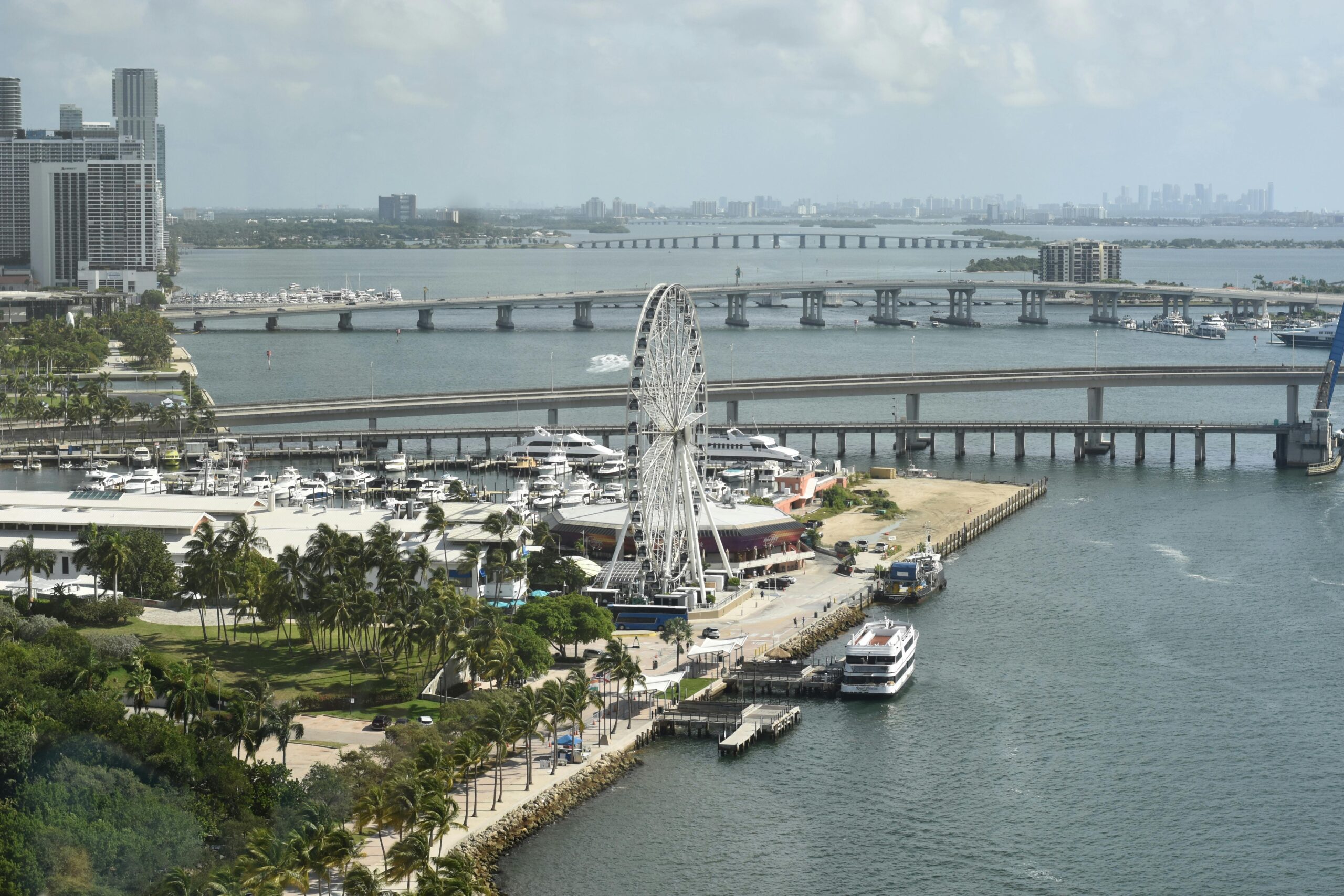
To lower Miami travel cost, travel in the shoulder months of April–May or October, book midweek stays, and combine free activities—like visits to public beaches, Wynwood’s street art, and strolling Bayside Marketplace—with a limited number of ticketed experiences.
Where to stay and how crowds shift by neighborhood
Choose a neighborhood based on your priorities: South Beach for nightlife and classic Art Deco beach time; Brickell for business-friendly hotels and modern restaurants; Coconut Grove and Coral Gables for quieter, leafy streets; Wynwood for art and boutique galleries.
- South Beach: Extremely busy in high season and spring break—book early if nightlife and beachfront access are top priorities.
- Brickell and Downtown: Busy on weekdays during convention season, but quieter on weekends—good for dining and culture.
- Wynwood and Design District: Best visited during the dry season and on weekends when galleries and pop-ups are active.
Consider splitting a stay between neighborhoods to balance nightlife and relaxation, and always check event calendars if you want to avoid major conventions that can increase demand and prices.
FAQs
What is the single best month to visit Miami for beach weather and fewer crowds?
Late April is often recommended: temperatures are warm without peak-summer humidity, spring-break crowds have thinned, and many hotels begin offering shoulder-season rates. This provides a good compromise between reliable beach weather and lower Miami travel cost.
When is Miami’s peak tourist season and why does it matter?
Peak tourist season runs roughly November through April. Vacationers escape colder climates during these months, so beaches, restaurants, and hotels are busier and prices are higher. Book accommodations and key activities well in advance if you travel during this period.
Is Miami expensive compared to other U.S. destinations?
Miami can be expensive during high season and in upscale neighborhoods, but it also offers budget options. Costs depend on timing, accommodation choice, and how much you plan to dine out or attend paid attractions. Traveling in shoulder or low season reduces average daily expenses.
How worried should I be about hurricanes when planning a trip?
Hurricane season (June–November) carries increased risk, especially in August and September. Most trips are unaffected, but if you travel during this period monitor forecasts, book flexible reservations, and consider travel insurance that covers weather-related cancellations.
What should I pack for a Miami trip across seasons?
Packing depends on season: year-round staples include sunscreen, light clothing, a light jacket for cooler winter evenings, comfortable walking shoes, and swimwear. For summer travel add a portable umbrella and breathable fabrics; for high-season evenings bring a dressier outfit for restaurants and nightlife.
Conclusion
Choosing the best time to visit Miami comes down to tradeoffs between weather, cost, and crowds. For reliably pleasant weather and active cultural calendars, plan between November and April; for lower prices and quieter beaches, consider April–May or late September–October while remaining mindful of hurricane season. Use neighborhood choices, advance bookings, and flexible planning to match your priorities—whether that’s sun and sand, arts and nightlife, or a more budget-friendly escape.