Planning the best time to visit Miami depends on what you want from the trip: sunny beach days, warm nights of nightlife, or lower prices and fewer crowds. Miami’s subtropical climate and lively cultural calendar mean there’s rarely a “wrong” time to go, but timing affects weather, crowds and travel budgets.
This guide breaks down Miami weather, peak tourist periods, what months offer the best value, and practical tips for packing, booking and avoiding weather-related pitfalls so you can choose the right month for your priorities.
When is the best time to visit Miami? A short answer
If you want mild, dry weather and lively outdoor options, late fall through spring (November to April) is widely considered the best time to visit Miami. Temperatures are comfortable, humidity is lower, and there’s a run of festivals, sporting events and nightlife that draw visitors.
For lower rates and fewer crowds, consider shoulder months like May or October. Those months can be a sweet spot for balancing price and weather, though you may face higher humidity or an occasional tropical storm during early summer and fall.
Miami weather by season
Understanding Miami weather by season helps you match activities to conditions:
- Winter (December–February): Dry, pleasant and the coolest months. Daytime highs average 70–80°F (21–27°C). Great for beaches, walks in Wynwood, and outdoor dining.
- Spring (March–May): Warm and comfortable with increasing humidity. Peak event season begins in March. Temperatures climb from the low 70s into the 80s°F (23–31°C).
- Summer (June–August): Hot, humid and rainy with frequent afternoon thunderstorms and the start of hurricane season. Daytime highs often reach the upper 80s to low 90s°F (31–34°C).
- Fall (September–November): Warm early on, with hurricane risk peaking in September. By November humidity falls and pleasant weather returns.
Because Miami’s climate skews hot for much of the year, plan outdoor sightseeing for mornings and evenings in summer months and always carry water and sun protection.
Miami tourist season and crowd levels
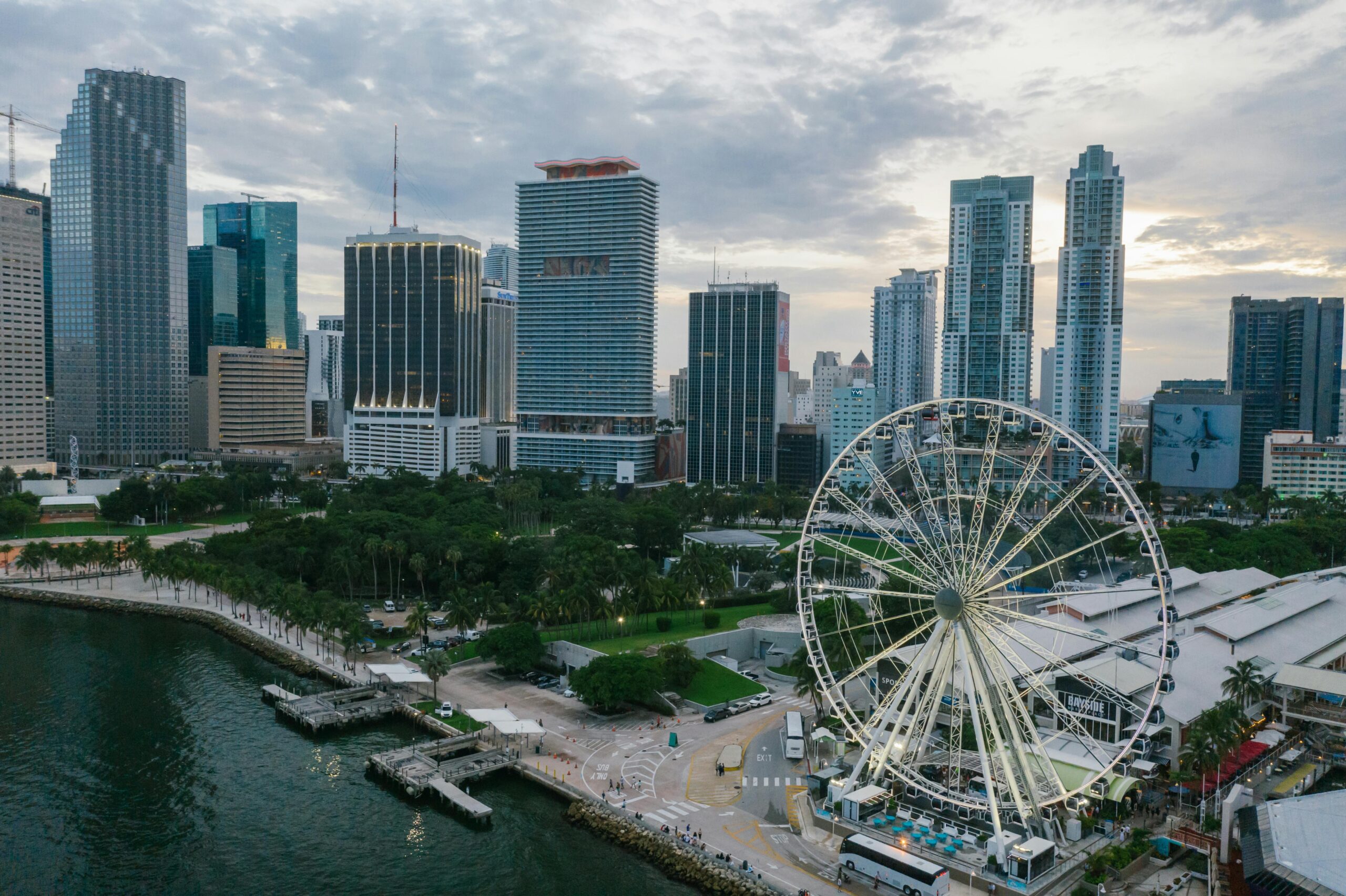
Miami tourist season peaks in winter and early spring. The period from mid-December through March draws holiday travelers, snowbirds and event-goers, making this the busiest—and often most expensive—time to visit. High demand means restaurants, clubs and key neighborhoods like South Beach and Brickell can feel crowded.
Late spring and early fall are lower-traffic periods. If you prioritize fewer crowds for museums, beach access and quicker restaurant reservations, aim for May or late October. Keep in mind that hurricane season (June 1–November 30) overlaps with these quieter months, so buy flexible tickets or travel insurance if you plan to visit then.
Miami travel cost: budgeting and saving tips
Miami travel cost varies by season. Expect the highest hotel and flight prices in winter and during major events (Art Basel in December, Miami Open tennis in March). Shoulder seasons and summer sales can offer better deals on lodging and airfare.
To compare accommodation quickly, check current inventory and pricing on reputable booking platforms before you lock dates; browsing listings early helps you spot off-peak rates and refundable options. Search hotels and compare neighborhoods to find the best fit for your budget and itinerary.
- Average nightly hotel costs: expect peak-season rates 25–50% higher than summer or fall bargains.
- Meals and transportation: moderate—budget to mid-range dining and rideshare use will affect daily spend.
- Free and low-cost activities: beaches, public parks, street art and many community events help keep costs down.
Travelers on a tighter budget can save by staying outside South Beach (consider North Beach, Mid-Beach, Little Havana or Wynwood), using public transit and targeting shoulder-season travel dates.
Events and festivals—plan around what you want to see
Miami’s calendar is full of signature events that can shape when you visit. Art Basel Miami Beach (early December) draws massive international crowds, while Ultra Music Festival and Miami Open bring music and sports fans in spring. Winter holiday programming, Pride and Caribbean Carnival (usually in October) also influence crowd levels.
If attending a specific festival is your goal, plan and book at least three to six months ahead. If you prefer to avoid the busiest dates, check event calendars and shift your travel by a week or two to reduce costs and lines.
What to pack and activities by month
Packing for Miami is mostly straightforward but seasonal nuances matter. Here’s a concise month-by-month approach to gear and activities:
- December–February: Light layers for cool evenings, sunscreen, and a light jacket for breezy nights. Best for outdoor dining and walking tours.
- March–May: Summer-weight clothing plus a light rain jacket later in spring; festival wear for parties and events.
- June–August: Sun hat, reef-safe sunscreen, quick-dry swimwear and a portable umbrella for sudden showers. Plan indoor alternatives during afternoon storms.
- September–November: Prepare for heat early in fall and milder conditions by November; monitor storm advisories during peak hurricane months.
Popular activities shift with the seasons: winter and spring are optimal for boating, outdoor markets and rooftop bars; summer is ideal for pool clubs and indoor nightlife; fall brings cultural festivals and lower hotel rates if you avoid storm-prone weeks.
Getting around, safety and practical tips
Miami’s transportation options include the Metrorail, Metromover (free downtown loop), buses and rideshares. Renting a car offers flexibility for Everglades trips and Keys drives but expect limited parking and tolls in busy neighborhoods. For walkable areas like South Beach, Brickell and Coral Gables, plan on walking or short rides.
- Book airport transfers or rideshares in advance during busy arrival windows.
- Always carry cash or a card for tolls; many bridges and expressways use electronic tolling.
- Keep an eye on weather alerts during hurricane season; register plans with your accommodation and consider travel insurance.
For up-to-date listings of accommodations and neighborhood guides while planning dates, use reliable travel platforms to compare options that match your priorities and price range. Look at current hotel availability and reviews before you finalize dates.
FAQs
When is Miami hurricane season and how does it affect travel?
Hurricane season runs from June 1 to November 30, with peak activity typically in August and September. While many trips go ahead without incident, the season increases the chance of storms that can disrupt flights, accommodations and outdoor plans. If you travel during these months, book flexible reservations and purchase travel insurance that covers weather-related cancellations.
Is winter the most expensive time to visit Miami?
Yes—mid-December through March is usually the most expensive period due to holiday travel, snowbird arrivals and major events. Expect higher rates for hotels and flights; booking several months ahead or targeting shoulder dates can reduce costs.
What months have the best beach weather in Miami?
Late fall through spring (November–April) generally offers the most comfortable beach weather—warm water, lower humidity and less rainfall. Summer months are hot and humid with frequent afternoon storms, though many still enjoy swimming and water sports then.
Can I find good hotel deals in Miami off season?
Yes. The lowest rates are commonly found during the quietest parts of summer and early fall, especially outside of major event weeks. Look for package deals, last-minute discounts and properties in less-touristy neighborhoods to stretch your budget.
How should I plan if I want to attend Art Basel or other major events?
Plan and book at least three to six months in advance for major events like Art Basel or the Miami Open. Expect premium prices and limited availability; consider staying in nearby neighborhoods with transit access to avoid inflated South Beach rates.
Conclusion
Choosing the best time to visit Miami comes down to your priorities: visit November through April for the best weather and events, choose shoulder months like May or October for better deals and fewer crowds, and travel cautiously during hurricane season with flexible plans. By matching your travel dates to the weather patterns, event calendar and budget considerations outlined here, you’ll find the ideal window for a Miami trip that fits your style—whether that’s beaches and nightlife, cultural festivals, or a laid-back getaway.