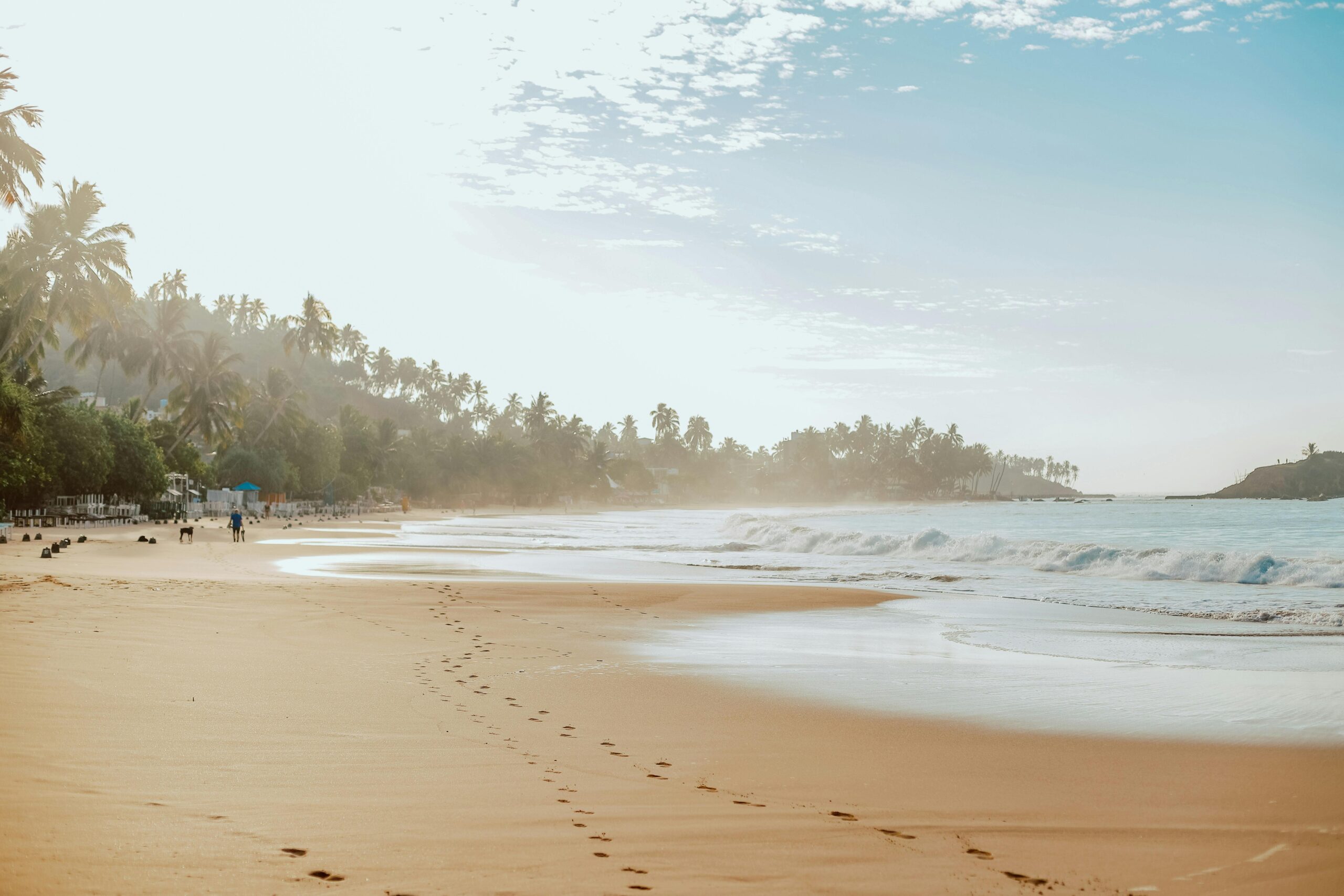
When planning a trip to the south coast of Sri Lanka, the best time to visit Mirissa depends on what you want to do: beach relaxation, surfing, or whale watching. Based on official climate data, Mirissa’s dry and cooler months offer calm seas and plenty of sunshine, while the monsoon brings heavy rain and rough surf—factors that shape the ideal travel window for this small but popular coastal town.
This guide uses weather authority and tourism board data to explain seasonal patterns, sea conditions, and wildlife opportunities so you can choose the right month for your priorities. Below you’ll find a month-by-month breakdown, a comparison table, practical travel tips, and a focused Mirissa weather whale season guide to help plan your trip with confidence.
Understanding Mirissa’s climate and seasons
Mirissa sits on Sri Lanka’s southwest coast and experiences a tropical monsoon climate. Temperatures remain warm year-round, typically between 26°C and 31°C (79°F–88°F), but what changes markedly is rainfall and sea state. Two primary weather influences shape the year: the southwest monsoon (roughly May–September) and the inter-monsoonal periods (October/November and March/April). These patterns determine rainfall amounts, surf quality, and marine visibility for whale watching and snorkeling.
Humidity is high throughout the year, but the dry season from December to March brings lower precipitation, clearer skies, and calmer seas—conditions many travelers prefer. The tourism board and meteorological statistics consistently show that visitor numbers peak in the dry season, which also coincides with the best visibility for marine wildlife excursions.
Best months for beaches, sightseeing, and sunshine
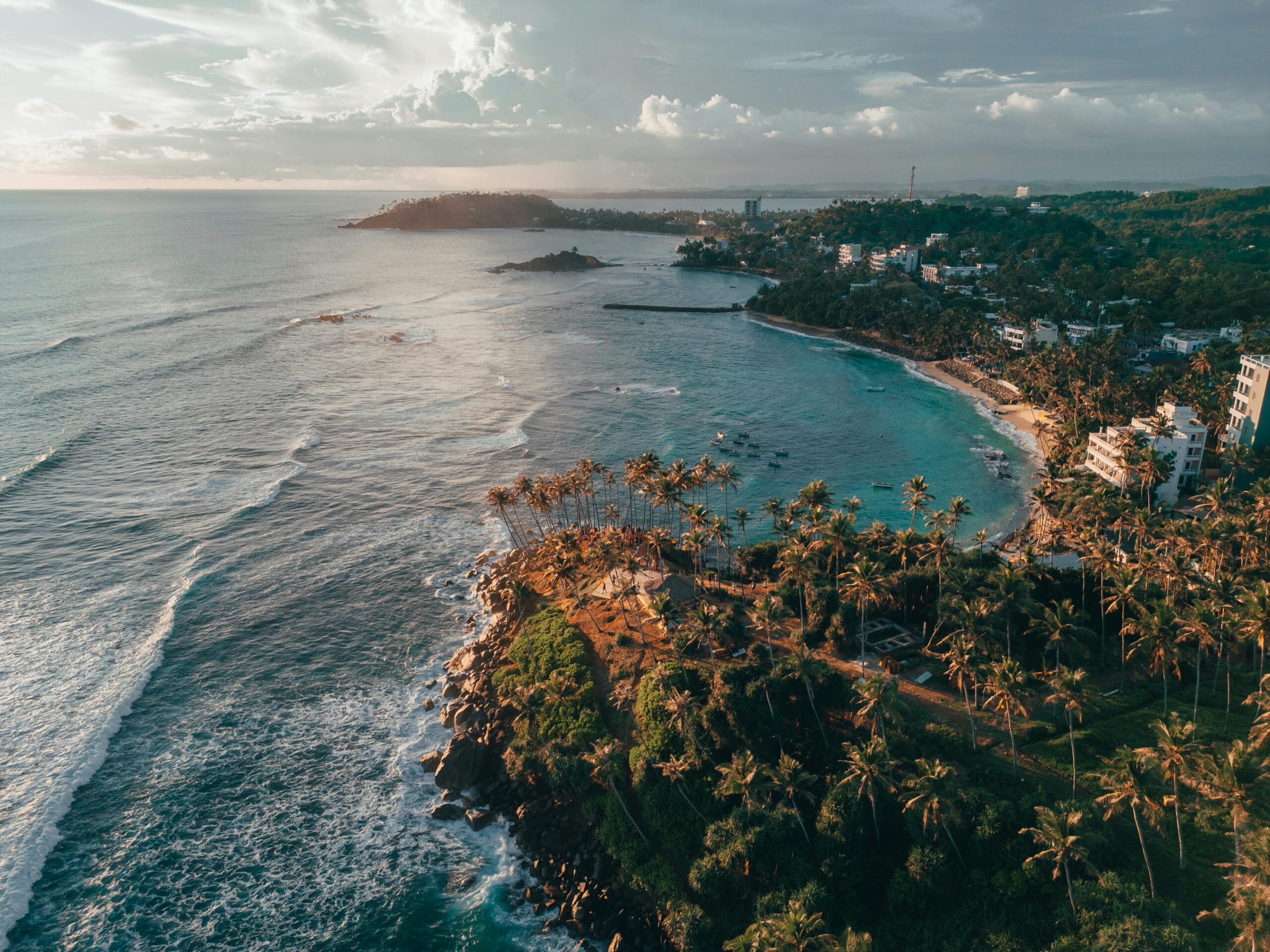
If your priority is sunbathing, swimming in calmer waters, and enjoying Mirissa’s famous crescent beach, plan your trip between December and March. These months typically deliver the most reliable sunshine and lowest rainfall totals, making it easier to combine beach days with coastal walks, local dining, and sunset views from Parrot Rock.
Temperatures during these months still feel tropical but are more comfortable due to slightly lower humidity. Sea breezes often pick up in the afternoon, offering pleasant relief. Because this is the high season, accommodation and tour providers fill up quickly; it’s wise to reserve beachfront rooms or guesthouses early using reliable booking platforms such as places to stay in Mirissa.

Mirissa weather and whale season guide
Mirissa is one of Sri Lanka’s best-known whale-watching hubs. The peak whale season runs from November to April, when blue whales and sperm whales are most frequently sighted in the deep waters off the coast. Calm seas and clearer conditions during these months improve visibility from the boat and increase chances of sightings.
Operators typically run trips early in the morning when the sea is calmest, and many sightseeing providers operate under standardized safety and conservation guidelines set by local authorities. To secure a place on a reputable trip, especially in peak months, consider booking in advance through well-known platforms—many travelers review and reserve excursions alongside accommodation on websites like Mirissa accommodation on Booking.com.
Month-by-month breakdown: what to expect
Reviewing each month helps match weather and activities to your travel goals. The following summary is drawn from official climate data and local tourism seasonal reports.
- January–March: Dry, sunny, calm seas—ideal for beaches, snorkeling, and whale watching. Peak tourist season with higher prices and busy restaurants.
- April: Transition month—still good for beach days early in the month; occasional showers toward the end. Visibility for whale watching remains acceptable, though less predictable.
- May–September (southwest monsoon): Increased rains and rougher seas; consistent surf along the coast for experienced surfers. Whale sightings drop due to sea state and changes in marine feeding patterns. Some boat operators scale back services for safety.
- October–November (inter-monsoonal/second peak): Short, heavy rain spells mixed with clear days. Whale activity begins to rise again in November as seas calm. Shoulder season pricing and fewer crowds—good value for flexible travelers.
- December: Start of the high season—sunny, dry, and busy. Great month for all coastal activities, but book early for hotels and tours.
What to pack and how to prepare for Mirissa’s conditions
Packing for Mirissa depends on the season. For visits in the dry season, lightweight clothing, sun protection, a hat, reef-safe sunscreen, and sturdy sandals or water shoes are essential. If you plan to take a whale-watching or snorkeling trip, bring a light windbreaker for early-morning boat trips and a waterproof bag for electronics.
- Dry season: light breathable fabrics, sunglasses, insect repellent, snorkeling gear (optional).
- Monsoon months: quick-dry clothing, a dependable rain jacket, waterproof footwear, and flexibility in your itinerary.
- All seasons: a basic first-aid kit, copies of travel documents, and cash for smaller vendors.
Boat operators follow safety guidelines, but it’s wise to check recent reviews and ask about lifejackets and return procedures before boarding. If you’re prone to seasickness, consider medication or patches, and sit mid-boat where movement is less pronounced.
Activities by season: surf, snorkeling, and wildlife
Different seasons highlight different experiences in Mirissa:
- Surfing: The southwest monsoon (May–September) increases wave size and consistency, drawing surfers to nearby breaks. Beginners should seek lessons during calmer months or join guided surf schools that operate year-round.
- Snorkeling and diving: Best between December and March when water visibility is highest. Head to nearby bays and reef areas; local operators can advise on conditions and safe sites.
- Whale watching: November–April is the primary window for reliable sightings of blue and sperm whales. Operators follow codes of conduct to minimize disturbance.
- Beach and relaxation: December–March offers the most consistent beach weather for lounging, yoga, and coastal walks.
Safety, health, and travel tips
Mirissa is generally safe for travelers, but standard precautions help ensure a smooth trip. During the monsoon, strong currents and beach closures are possible—always heed warnings and lifeguards. Drink bottled or treated water if you are unsure about local tap water, and take basic health precautions for tropical climates, including staying hydrated and using mosquito repellent at dusk.
Transportation on Sri Lankan coastal roads can be busy; allow travel time between Galle, Mirissa, and other coastal towns. For reliable accommodation and up-to-date traveler reviews, consider checking established travel booking pages and local tourism information. This helps ensure you choose lodgings with good cancellation policies and clear safety practices.
Comparison table: seasons at a glance
| Season / Month | Rainfall | Sea State | Whale Watching | Best For |
|---|---|---|---|---|
| Dec–Mar | Low | Calm | High | Beach, snorkeling, whales |
| Apr | Moderate | Mostly calm | Moderate | Shoulder-season deals, mixed weather |
| May–Sep | High (SW monsoon) | Rough | Low | Surfing, fewer crowds |
| Oct–Nov | Variable (inter-monsoonal) | Improving | Increasing (Nov) | Wildlife sightings improve, good value |
How to book whale-watching and tours responsibly
When booking whale-watching trips, choose operators that follow responsible wildlife viewing guidelines: maintain safe distances, limit chase behavior, and prioritize animal welfare. Small group sizes and licensed providers usually offer better experiences with less disturbance to marine life.
For accommodations and combined tour packages, reputable platforms list verified properties, traveler reviews, and cancellation options that are helpful during shoulder seasons or when weather is unpredictable. If you prefer to compare hotels and guesthouses in Mirissa before travel, you can browse verified listings on major travel sites to find options that suit your budget and comfort needs.
Suggested itineraries by length of stay
Match your schedule to activities and season to make the most of Mirissa.
- 2–3 days: Relax on Mirissa Beach, take an early-morning whale-watching tour (in season), and enjoy a sunset at Parrot Rock.
- 4–6 days: Add a day trip to Galle Fort, try surfing lessons or a reef snorkeling excursion, and visit nearby coconut plantations and local markets.
- 7+ days: Combine coastal relaxation with inland excursions—tea country or national parks—or plan multi-day surf and diving activities along the southern coastline.
FAQs
When is the best time to see whales in Mirissa?
The peak whale-watching season is from November to April, when seas are calmer and visibility is higher. Sightings are most frequent during these months, though responsible operators may run trips at other times depending on conditions.
Is Mirissa safe during the monsoon season?
Mirissa is generally safe year-round, but the southwest monsoon (May–September) brings heavy rains and rough seas. Some activities like whale-watching and snorkeling may be suspended during storms, and beach safety can be reduced. Check local weather updates and follow guidance from authorities.
What should I pack for a trip to Mirissa?
Pack lightweight breathable clothes, sun protection, a hat, insect repellent, and reef-safe sunscreen. If visiting during monsoon months, bring a waterproof jacket and quick-dry items. For boat trips, a light windbreaker and motion-sickness remedies are helpful.
Can I surf in Mirissa year-round?
Surf conditions vary—May to September (southwest monsoon) produces bigger, more consistent waves that appeal to experienced surfers, while beginners will find gentler conditions outside the monsoon. Local surf schools operate year-round and can recommend the best nearby breaks for your skill level.
How far is Mirissa from other popular sites like Galle?
Mirissa is approximately a 30–45 minute drive from Galle, depending on traffic. Galle Fort makes an excellent day trip for history, dining, and shopping after a morning on Mirissa’s beaches or a whale-watching excursion.
Conclusion
Choosing the best time to visit Mirissa depends on your priorities: December to March offers the most reliable beach weather and the best whale-watching conditions, while May to September is ideal for surfers who want stronger swells and quieter beaches. Shoulder months can provide a balance of lower prices and improving conditions, especially for travelers with flexible schedules.
Use official climate data and local tourism guidance to time your visit, book reputable tour operators, and pack according to the season. Whether you seek sunrise whale sightings, surfable waves, or simply a peaceful tropical beach escape, Mirissa has a season to suit your travel goals.