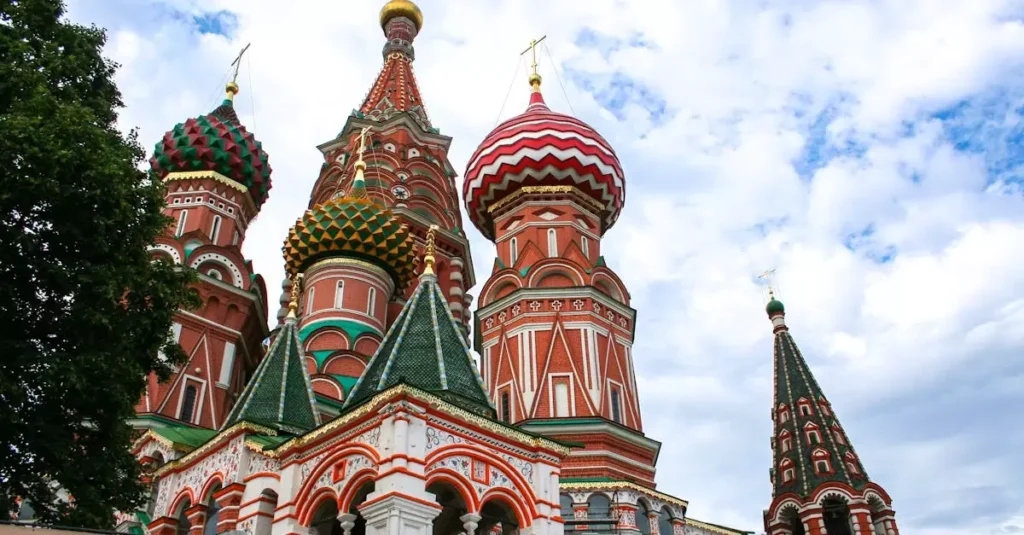
Moscow, the vibrant capital of Russia, offers a captivating blend of history, culture, and architecture that draws millions of visitors each year. If you’re planning a trip to this iconic city, understanding the best time to visit Moscow is essential to make the most of your experience. The city’s climate varies significantly throughout the year, affecting everything from sightseeing to outdoor activities.
In this comprehensive guide, we’ll explore Moscow weather by month to help you choose the ideal season for your visit. Whether you prefer the snowy charm of winter or the lively festivals of summer, this article will provide detailed insights based on climate data from official weather authorities and the Russian tourism board.
By the end, you’ll have a clear picture of what to expect during each part of the year, enabling you to plan your trip with confidence and enjoy Moscow’s unique offerings at their best.
Understanding Moscow’s Climate: An Overview
Moscow experiences a continental climate, characterized by cold winters and warm summers. The city’s weather patterns are influenced by its inland location, resulting in significant temperature swings between seasons. Winters can be long and harsh, often lasting from November through March, while summers are relatively short but can be pleasantly warm.
Spring and autumn serve as transitional seasons, offering moderate temperatures and fewer tourists, which can be ideal for travelers seeking a quieter experience. However, the unpredictability of weather during these months means you should be prepared for sudden changes.
Knowing these general climate traits is the first step in deciding the best time to visit Moscow, as it will help you align your travel plans with your weather preferences and activities.
Moscow Weather by Month Guide: January to June
January in Moscow is typically the coldest month, with average temperatures often plunging below freezing. Snow blankets the city, creating a picturesque winter wonderland perfect for those who enjoy festive holiday atmospheres and winter sports. However, the short daylight hours and extreme cold may limit outdoor exploration.
February remains chilly but gradually starts to show hints of spring towards the end of the month. It’s still a good time for winter activities and enjoying Moscow’s famous ice-skating rinks.
March marks the beginning of spring, but temperatures can be quite variable, ranging from below freezing to mild afternoons. Snow starts melting, and the city’s parks begin to awaken, making it a transitional yet beautiful period to witness Moscow’s changing seasons.
April brings more reliable signs of spring, with temperatures rising and longer daylight hours. However, rain showers are common, so packing waterproof clothing is advised. The city starts to buzz with outdoor events, and gardens like Gorky Park become more accessible.
May is one of the best months to visit Moscow, boasting pleasant weather with average temperatures between 15°C and 20°C (59°F to 68°F). The city celebrates Victory Day on May 9th, featuring parades and cultural events, adding vibrancy to your trip.
June ushers in summer, with warm days and cool nights. This month is ideal for exploring Moscow’s outdoor attractions, riverside walks, and open-air festivals. Daylight extends well into the evening, providing ample time for sightseeing.
Moscow Weather by Month Guide: July to December
July is often the warmest month in Moscow, with average highs reaching 24°C to 26°C (75°F to 79°F). This is peak tourist season, with numerous festivals, outdoor concerts, and vibrant nightlife. The warm weather encourages visits to the city’s many parks and open-air cafes.
August maintains warm temperatures similar to July but can sometimes bring occasional rain showers. It’s a great time for river cruises on the Moskva River or exploring the city’s museums and galleries during cooler parts of the day.
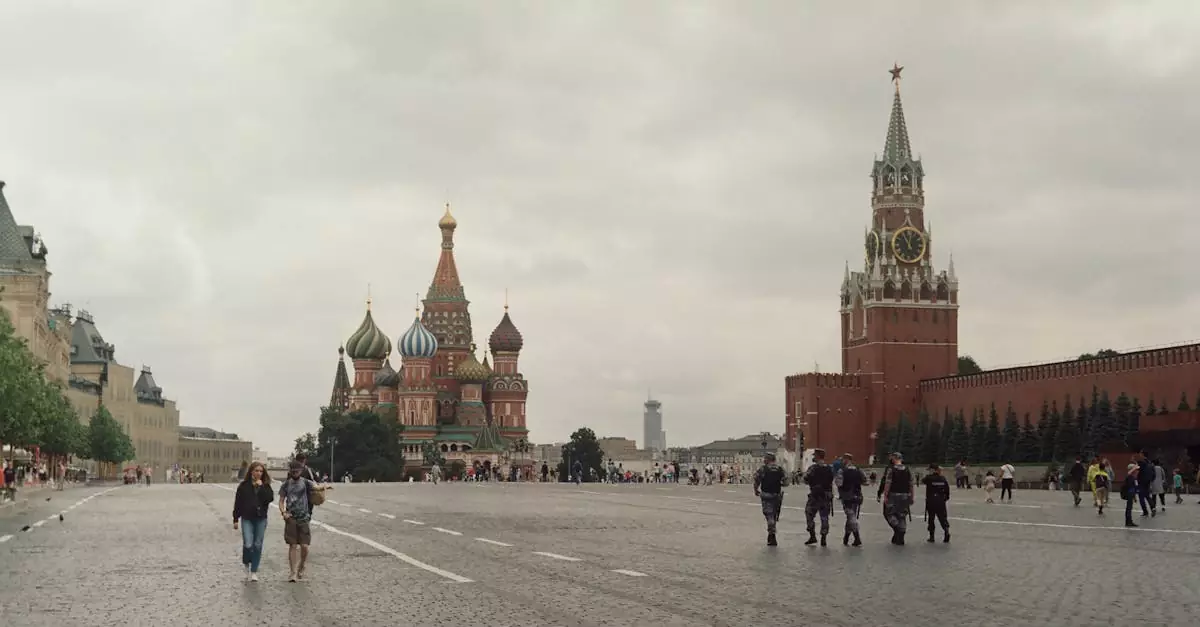
September signals the start of autumn, with temperatures beginning to cool. Early September can still feel summery, but by the end of the month, crisp air and changing foliage create a charming atmosphere for walks along the Kremlin and Red Square.
October is a picturesque month as Moscow’s parks and streets turn vibrant shades of orange, red, and yellow. Temperatures drop further, and rain becomes more frequent, so layering clothes is essential. This season attracts photographers and nature lovers alike.
November marks the transition to winter, with cold weather settling in and the first snowfalls often occurring. Tourist crowds thin out, making it a quieter time to explore indoor attractions such as the Bolshoi Theatre and the State Tretyakov Gallery.
December brings festive cheer with Christmas markets and holiday decorations lighting up the city. Temperatures drop below freezing, and snow is common, enhancing the magical winter ambiance. It’s an excellent time to experience Russian holiday traditions.
Comparing Moscow’s Seasons: A Quick Reference Table
| Season | Average Temperature (°C) | Weather Characteristics | Best Activities |
|---|---|---|---|
| Winter (Dec-Feb) | -10 to -5 | Cold, snow, short daylight | Ice skating, Christmas markets, museums |
| Spring (Mar-May) | 0 to 15 | Variable, rain, blooming parks | Sightseeing, festivals, outdoor walks |
| Summer (Jun-Aug) | 18 to 26 | Warm, long daylight, occasional rain | River cruises, open-air concerts, parks |
| Autumn (Sep-Nov) | 5 to 15 | Cool, colorful foliage, rain | Photography, cultural tours, indoor attractions |
What to Pack for Moscow Based on the Season
Knowing the best time to visit Moscow also helps with packing smartly. During winter, warm layers are essential, including insulated jackets, hats, gloves, and waterproof boots. The cold can be biting, especially when exploring outdoor landmarks.
For spring and autumn, bring versatile clothing that can be layered, such as light sweaters, waterproof jackets, and comfortable shoes suitable for walking in wet conditions. An umbrella or raincoat is advisable due to occasional showers.
Summer packing should focus on lighter clothing like t-shirts, shorts, and breathable fabrics. However, evenings can be cooler, so a light jacket or sweater is recommended. Don’t forget sunscreen and sunglasses for sunny days.
Regardless of the season, comfortable walking shoes are a must since many of Moscow’s attractions are best explored on foot. A good quality camera will also help capture the city’s stunning architecture and seasonal beauty.
Events and Festivals to Consider When Planning Your Visit
The best time to visit Moscow can also depend on the cultural events and festivals you want to experience. For instance, the New Year and Orthodox Christmas celebrations in December and January feature spectacular fireworks and festive markets.
May hosts the Victory Day parade on May 9th, one of Russia’s most significant national holidays, with impressive military displays and cultural performances. Summer months are abundant with music festivals, outdoor theater, and open-air film screenings.
Autumn offers the Moscow International Film Festival and various art exhibitions, attracting international visitors. Winter brings the Maslenitsa festival, celebrating the end of winter with traditional Russian food, music, and performances.
Choosing your travel dates around these events can enhance your experience, providing unique insights into Russian culture and traditions.
Travel Tips for Enjoying Moscow Year-Round
Regardless of when you visit, some travel tips can help you navigate Moscow smoothly. Public transportation is efficient and affordable, with the Moscow Metro being a highlight for its ornate station designs. Purchase a Troika card for convenient travel across buses, trams, and metro lines.
Language can be a barrier, so learning basic Russian phrases or using translation apps is beneficial. Many tourist spots have English signage, but in smaller establishments, English may be limited.
Cash is widely accepted, but credit cards are increasingly common. Always carry some rubles for markets or small vendors. Booking accommodation in advance, especially during peak seasons, ensures better rates and availability.
Lastly, respect local customs and dress codes, particularly when visiting religious sites like the Kremlin’s cathedrals. Modest attire is appreciated, and photography restrictions should be observed.
FAQs
What is the best month to visit Moscow for pleasant weather?
May and June are often considered the best months due to mild temperatures, longer daylight hours, and vibrant city life with many festivals and outdoor activities.
How cold does Moscow get in winter?
Winter temperatures in Moscow typically range from -10°C to -5°C (14°F to 23°F), but can occasionally drop even lower, especially in January and February.
Is summer a good time to visit Moscow?
Yes, summer offers warm weather and extended daylight, ideal for enjoying outdoor attractions, river cruises, and cultural events. However, it is also peak tourist season.
Can I visit Moscow during the shoulder seasons?
Absolutely. Spring and autumn provide moderate weather and fewer crowds, though you should be prepared for variable conditions including rain and cooler temperatures.
Where can I find more detailed information about Moscow’s history and climate?
You can explore detailed insights on Moscow’s Wikipedia page and visit the official climate overview page for up-to-date weather data.
Conclusion
Determining the best time to visit Moscow depends largely on your personal preferences for weather, activities, and cultural experiences. Whether you’re enchanted by snowy winters and festive markets or prefer the warmth and energy of summer, Moscow offers something special year-round.
By using this detailed Moscow weather by month guide, you can plan your trip to align with the climate and events that suit you best. Remember to pack accordingly and take advantage of the city’s efficient transport and rich cultural offerings to make your visit truly memorable.
With proper planning, your trip to Moscow will be rewarding, immersive, and filled with unforgettable moments in one of Europe’s most fascinating cities.