Planning the best time to visit Mykonos starts with balancing weather, crowds and cost. Whether you want sunbathing on windswept beaches, exploring whitewashed alleys or enjoying the island’s legendary nightlife, choosing the right month affects everything from temperatures to prices and how busy the island will feel.
This guide breaks down Mykonos weather, the main tourist season, cost expectations and practical travel tips so you can pick the ideal window for your trip and make the most of your stay.
When is the best time to visit Mykonos?
The consensus among travelers and local operators is that the best time to visit Mykonos is during the shoulder seasons: late May to early July and September to mid-October. In these months you’ll find warm, pleasant weather, fewer crowds than the peak of summer, and more reasonable rates on accommodation and flights. Beaches are accessible, tavernas are open, and daytime temperatures are ideal for sightseeing.
If your priorities are warm sea swimming and a full nightlife calendar, mid-July through August delivers peak energy but also peak crowds and prices. Conversely, if you prefer quiet exploration, late October through April is low season, with many beach bars closed and fewer ferry connections, although local life and the island’s character remain rewarding for visitors who don’t need nonstop nightlife.
Understanding Mykonos weather by month
Mykonos weather follows a clear Mediterranean pattern. Summers are hot and dry with strong northerly winds (the Meltemi), while winters are mild and wetter. Below is a practical month-by-month snapshot to help you decide when to go:
- May: Warm daytime temperatures (around 20–24°C / 68–75°F), blooming landscape and limited crowds—great for early-season travelers.
- June: Warmer (around 24–28°C / 75–82°F), more beach services open and nightlife gearing up—still comfortable before the full summer rush.
- July–August: Hottest months (28–33°C / 82–91°F) with peak tourism, busy beaches and the strongest Meltemi winds—perfect if you want parties and sun, but expect high prices.
- September: Warm sea temperatures, more relaxed crowds and late-season events—one of the best months to combine weather and atmosphere.
- October: Cooler evenings and some rain, but fewer tourists and reduced prices; many establishments start closing late in the month.
- November–April: Off-season with mild but unpredictable weather, lower ferry frequency and limited services—best for budget travelers who prioritize quiet and don’t need beach facilities.
Mykonos tourist season: crowds, events and nightlife
Mykonos tourist season peaks in July and August when international travelers flock to the island for beach clubs, nightlife and summer festivals. Expect crowded Old Town alleys (Chora), packed beaches like Paradise and Super Paradise, and lively waterfront dining. Booking reservations is essential during this time.
Shoulder months still offer excellent nightlife—many beach bars and clubs remain open in June and September—but with fewer queues and a more relaxed pace. If you want to experience island events, check the calendar for Greek Orthodox Easter (dates vary) and midsummer parties, which can intensify visitor numbers.
Mykonos travel cost: budgeting by season
Mykonos travel cost varies widely with season, accommodation choice and dining preferences. Here’s a practical breakdown to estimate daily budgets during different times of year:
- Budget traveler (off-season or shoulder months): €50–€90 per day — staying in guesthouses, cooking some meals, using buses and ferries.
- Mid-range traveler (shoulder to early high season): €120–€250 per day — boutique hotels or family-run rooms, dining at mid-range tavernas, occasional taxis.
- Luxury traveler (peak season): €300+ per day — upscale villas or boutique hotels, fine dining, private transfers and beach clubs.
Accommodation and airfare are the largest cost drivers. To compare options and lock in rooms during busy periods, many travelers use well-known booking platforms to secure lodging early; you can browse current listings and availability through Mykonos accommodation listings.
Outside of lodging, eating at family-run tavernas, using public buses and exploring on foot will keep costs down. If your travel dates fall in high season, plan and reserve services at least two to three months in advance to avoid premium last-minute prices.
How Meltemi winds affect your trip
The Meltemi is a prevailing northerly wind that blows across the Aegean from late spring into early autumn, peaking in July and August. It brings cooler temperatures and makes summer days feel more comfortable, but it can also be strong enough to affect sea conditions, ferry crossings and beach lounging.
If you’re sensitive to wind, choose sheltered beaches on the island’s southern coast or plan visits in June and September when the Meltemi tends to be milder. Ferry schedules can be delayed during strong winds, so allow flexible travel days if you have onward connections.
Practical tips: where to stay, how to get around, and what to pack
Choose lodging based on your priorities: Chora for nightlife and convenience, Ornos or Psarou for easy beach access, Ano Mera for a quieter village feel. For accommodation browsing and comparison, many travelers check multiple platforms and read recent reviews before booking; you can start by viewing current hotel options on a major booking site like the Mykonos section of Booking.com.
- Getting around: Public buses connect major beaches and Chora, taxis are available but can be scarce in peak hours, and car/scooter rentals give flexibility—book rentals ahead in July/August.
- What to pack: lightweight clothing, a windbreaker for Meltemi days, sturdy sandals for cobblestones, reef-safe sunscreen, and a small daypack for beach-to-town transitions.
- Money and payments: Credit cards are widely accepted, but carry some euros for small purchases and remote tavernas.
- Health and safety: Sun protection is essential; sea conditions can change with wind, so heed local warnings about swimming areas.
How to avoid crowds and get local experiences
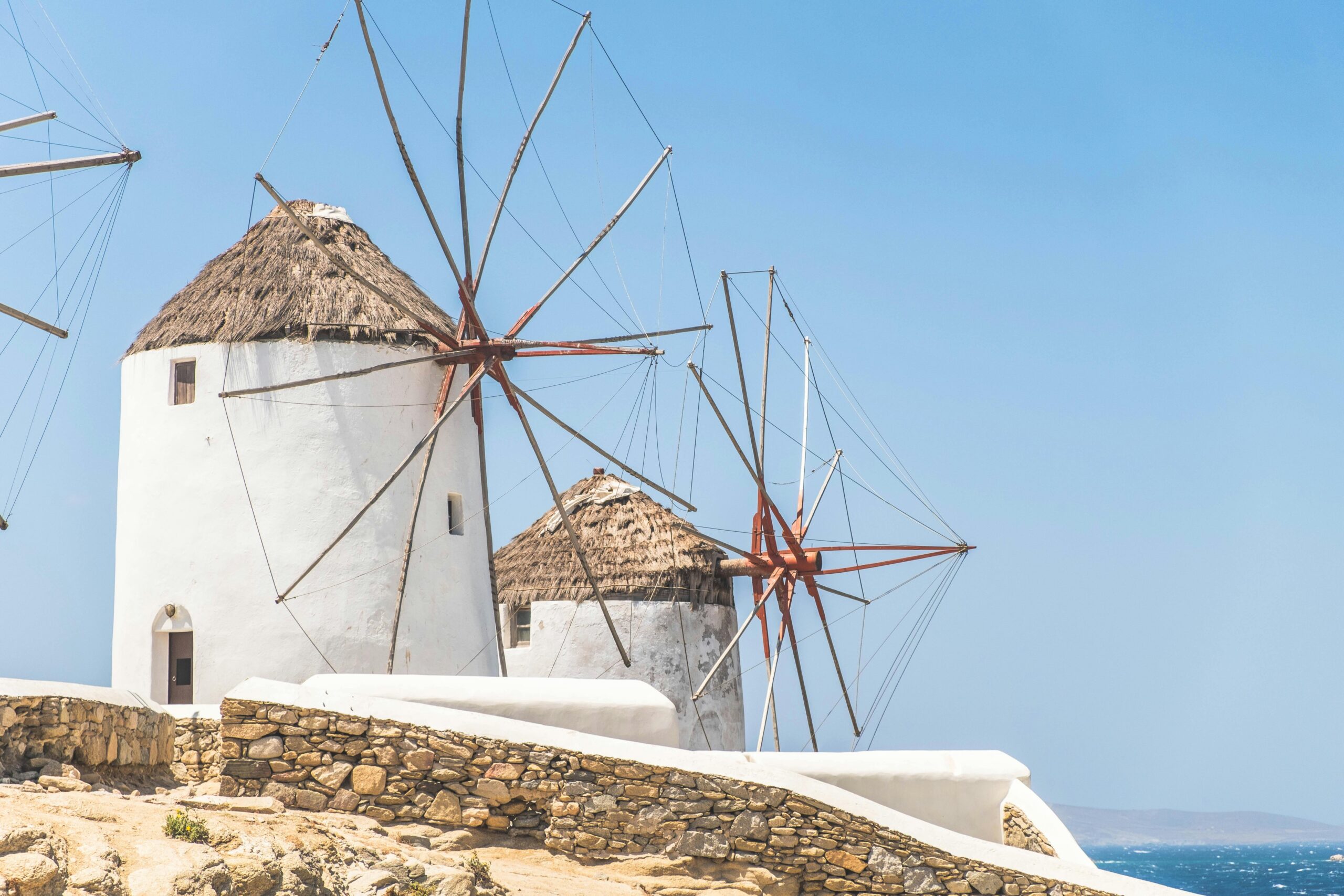
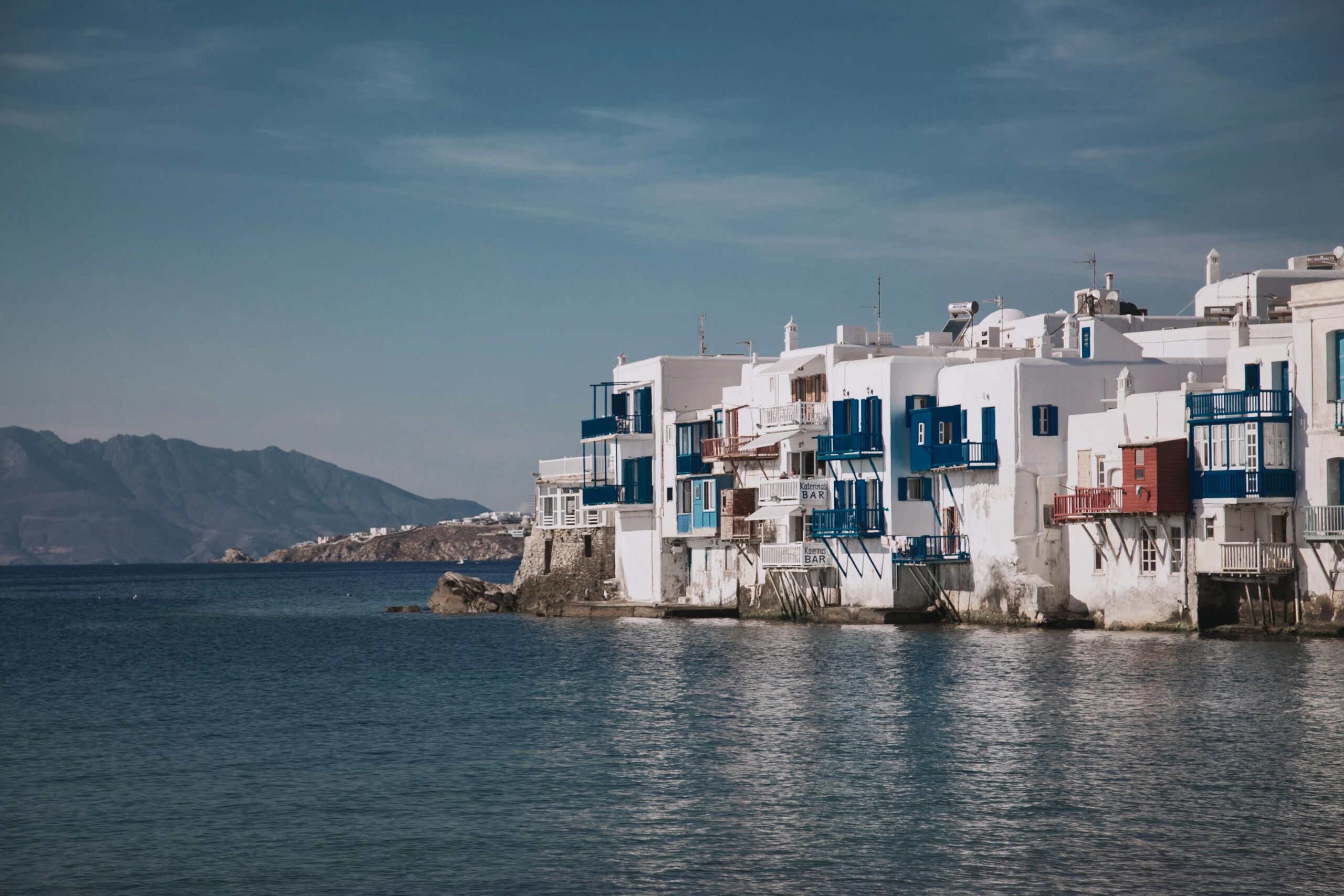
To enjoy Mykonos without the crowds, travel in May, early June or September. Start days early—mornings in Little Venice and the windmills are serene before tour groups arrive. Visit lesser-known beaches like Agios Sostis or Fokos for quieter sand and authentic seaside tavernas.
Explore inland villages and religious sites, attend a local cooking class, or time a visit around a weekday rather than a weekend to avoid peak ferry arrivals. Booking tours and restaurant reservations in advance for popular nights will save time and disappointment during high season.
FAQs
What is the single best month to visit Mykonos?
September often offers the best balance: warm sea temperatures, fewer crowds than July/August, full services and lively evenings without the height-of-summer congestion.
Is Mykonos windy year-round?
Wind peaks in summer with the Meltemi, especially July and August. Winters are generally calmer but can be unpredictable; bring layers and a light windproof jacket if you’re sensitive to breezes.
Can I visit Mykonos on a tight budget?
Yes—traveling in the shoulder or off-season, staying in guesthouses, using buses, and eating at local tavernas will reduce daily costs significantly. Book accommodations and ferries in advance for the best rates.
Is the sea warm enough to swim outside peak summer?
June and September typically have comfortably warm water. In May and October the sea can be cooler but still swimmable for many; November through April is usually too cool for most swimmers.
How far in advance should I book accommodation for peak season?
For July and August, book at least two to three months ahead—popular hotels and villas fill quickly. For special events or luxury properties, consider booking six months in advance.
Conclusion
Choosing the best time to visit Mykonos depends on whether you prioritize weather, nightlife, or avoiding crowds. Shoulder seasons (late May–June and September) are ideal for most travelers seeking good Mykonos weather, manageable crowds and fairer prices, while July–August is unmatched for party energy and full service. With planning—particularly for accommodation and transport—you can tailor your trip to match your preferences and budget, ensuring a memorable visit to this iconic Greek island.