Choosing the best time to visit Porto depends on what you want from the city: warm sunny days for riverside strolls, festival energy, or quieter cobbled streets with fewer tourists. This guide helps you match seasons to expectations, covering Porto weather, visitor crowds, and practical cost considerations so you can plan a trip that fits your priorities.
Whether you’re budgeting for a long weekend or a two-week stay, Porto’s character shifts noticeably through the year. Below I break down month-by-month conditions, crowd patterns, and travel costs, plus seasonal tips for eating, sightseeing and getting the most from your time in Portugal’s second city.
When to visit Porto: a quick overview
Overall, the most popular window to visit Porto is late spring through early autumn (May to September). Warm temperatures, long daylight hours and many cultural events make these months attractive, but they also coincide with higher accommodation prices and busier attractions. If you want milder weather and fewer crowds, shoulder seasons—April to May and September to October—are often the best compromise.
Winter (November to March) brings cooler, wetter conditions but also lower travel costs and a quieter city experience. For travelers prioritizing budget and local life over beach weather, winter can be a surprisingly rewarding time to explore Porto’s museums, port lodges and lively food scene.
Month-by-month guide to Porto
January–February: These are the coolest months with frequent rain and average highs around 13°C (55°F). Many attractions remain open and hotel rates are typically at their lowest, making it an economical option for museum visits, port tastings and indoor dining.
March–April: Spring starts to feel welcome by March. Temperatures climb, flowers appear in parks and outdoor terraces open up. Rainfall decreases relative to winter, though sudden showers are still possible.
May–June: Late spring and early summer offer some of the best conditions for walking the Ribeira, exploring the Douro and taking day trips to nearby wine estates. Expect pleasant temperatures and longer days.
July–August: Peak tourist season with warm, sometimes hot, days and lively nightlife. Beaches near Porto are busiest and accommodation prices are at their highest. If you plan to visit in August, book lodging and any must-see attractions well in advance.
September–October: Early autumn often mirrors late spring in terms of weather—still warm, but with thinning crowds after August. Harvest festivals and wine-related events in the Douro make September especially appealing.
November–December: Cooler and wetter, with shorter days. Tourist numbers drop and prices fall. November can be damp, but December brings festive markets and holiday lights that make the city atmospheric.
Understanding Porto weather
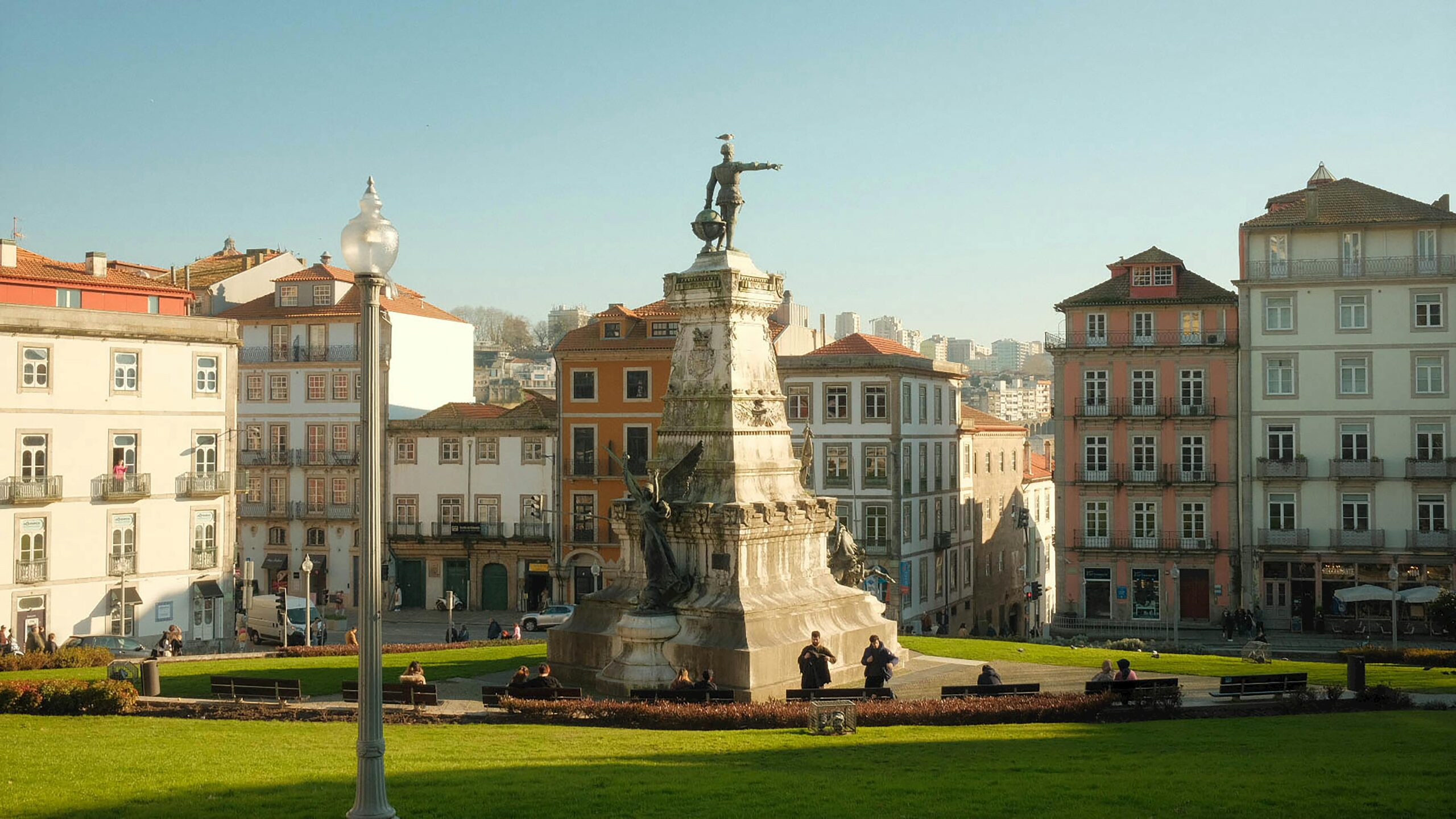
Porto sits on Portugal’s Atlantic coast, which moderates temperatures year-round but also brings maritime humidity and periodic rain. Summers are generally dry and warm, while winters are mild compared with northern Europe yet noticeably rainier. Average highs range from about 13°C in winter to 25–28°C in summer, but sea breezes can make hot days feel more comfortable than inland towns.
If weather is your deciding factor, consult forecasts close to your travel dates and plan a flexible itinerary that allows indoor activities on rainy days. For climatological context and up-to-date weather data, the Portuguese meteorological service provides reliable forecasts and historical climate information; checking national resources before you travel helps set realistic expectations.
Crowds and the Porto tourist season
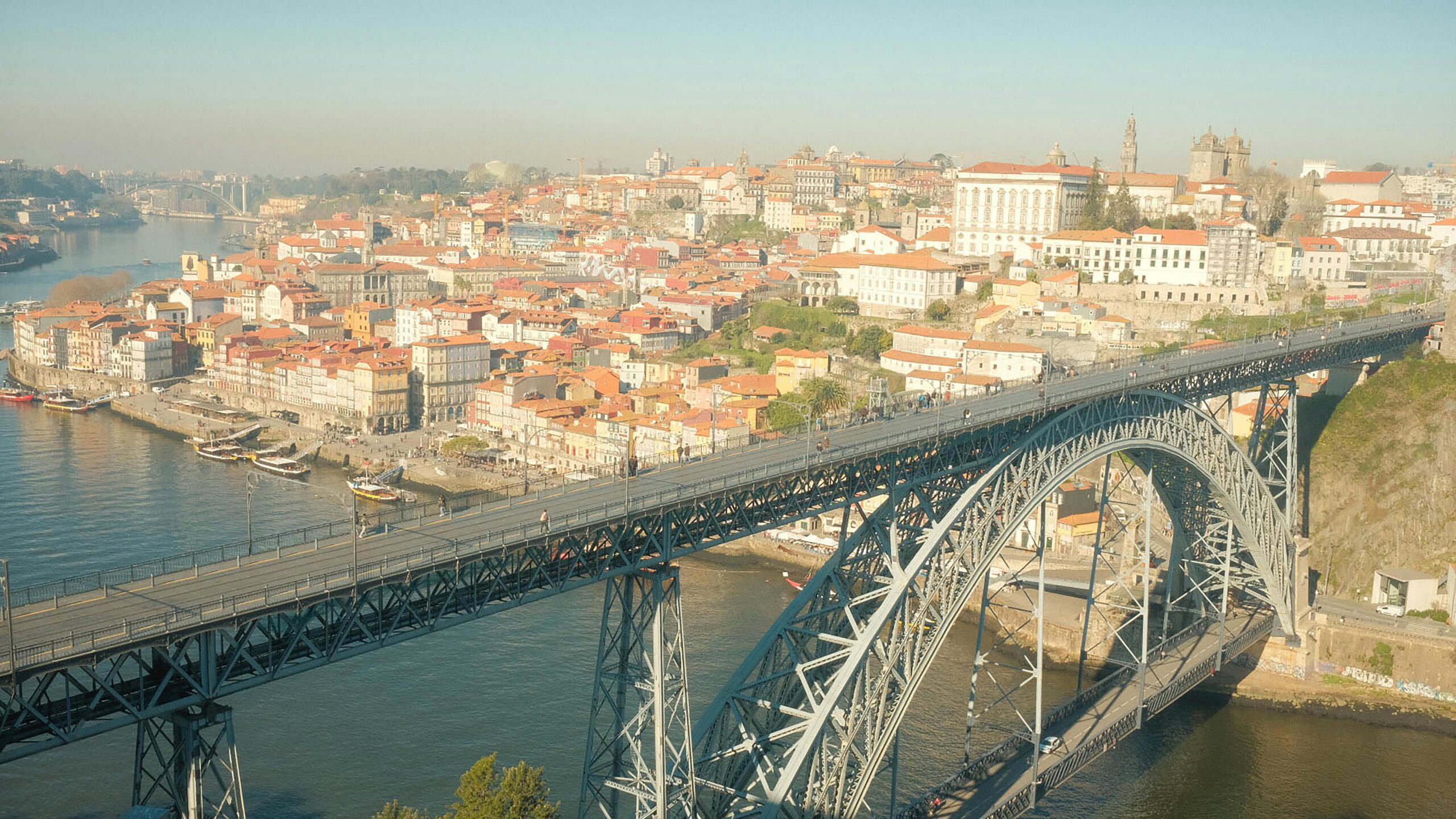
Porto tourist season peaks in July and August, and while the city never reaches the crush of Lisbon or Barcelona, key areas such as the Ribeira, Dom Luís I Bridge and the main port lodges can feel crowded. Shoulder months reduce crowding significantly, providing easier access to viewpoints and popular restaurants without sacrificing good weather.
Major events and holidays—local festivals, national holidays or school breaks—also affect crowd levels. Planning weekday visits to busy museums or reserve-ahead dining during high season will save time and reduce stress. If you prefer quieter experiences, target November–March, but be ready for limited daylight and more rainy days.
Porto travel cost: budgeting by season
Travel costs in Porto vary by season. High season (June–September) means higher airfare and lodging rates, while the shoulder and low seasons offer better value. Booking accommodations several months ahead can lock in lower prices for summer travel; conversely, last-minute winter deals are common but carry the risk of limited options in preferred neighborhoods.
- Accommodation: Expect the widest price swings. Boutique hotels and riverfront rooms command premium rates in summer.
- Dining and nightlife: Porto has great value options year-round, from francesinha sandwiches to fine dining—plan at least one mid-range dinner and several casual meals.
- Transport: Off-season public transport and ride-sharing costs remain stable; car rentals surge in summer, especially for one-way trips to the Douro Valley.
For visitor planning and official tourism information, the national tourism portal offers practical travel advice and seasonal highlights that help set realistic budgets and expectations before you go.
Practical tips for each season
Winter: Pack a waterproof jacket, comfortable waterproof shoes, and plan more indoor activities like wine cave tours, churches and culinary experiences. Many restaurants run special menus outside peak tourism months.
Spring: Bring layers—mornings can be cool, afternoons mild—and a light umbrella. Spring is ideal for botanical gardens, scenic walks and riverside cafés before the summer rush.
Summer: Reserve top restaurants and port lodge tours in advance, aim for early morning or late afternoon sightseeing to avoid the hottest hours, and include a beach day or Douro Valley trip to balance city time.
Autumn: Expect pleasant weather for river cruises and wine-related activities. Harvest events and food festivals are common, so check local listings for pop-up markets and tastings.
FAQs
When is Porto busiest?
Porto is busiest in July and August, when summer vacations and good weather attract international visitors. Late spring (May–June) and early autumn (September) also see increased numbers but are generally less crowded than midsummer.
Does Porto get very hot in summer?
Summers in Porto are warm but tempered by Atlantic breezes. Highs often reach the mid-20s°C (mid-70s°F), with occasional hotter spells. Coastal breezes and shaded public squares make heat manageable for most visitors.
Is winter a bad time to visit Porto?
Not at all—winter offers fewer tourists, lower prices and a more local atmosphere. Rain and shorter daylight hours are the main trade-offs, but museums, port lodges and cozy cafés make winter visits enjoyable.
How much should I budget per day in Porto?
Daily budgets vary by travel style. Budget travelers can manage on modest sums by using public transport and eating at local cafés, while mid-range travelers should allow for moderate hotel costs, a couple of meals out and sightseeing fees. Peak season increases accommodation costs substantially, so plan accordingly.
Are there shoulder-season advantages for visitors?
Yes—shoulder seasons (April–May and September–October) combine pleasant weather with fewer crowds and often lower prices than summer. These months are great for walking tours, vineyard visits and enjoying the city without peak-season pressure.
Conclusion
Deciding the best time to visit Porto comes down to balancing weather preferences, crowd tolerance and budget. If you want warm, lively summers and beach time, aim for June through September and reserve early. If you prefer milder weather, lower prices and a quieter city experience, choose the shoulder seasons or winter. Use local weather data and official tourism information to fine-tune plans before booking, and pack flexibly so rain or shine you can enjoy Porto’s riverside charm, historic neighborhoods and outstanding food and wine.