The best time to visit Punta Cana depends on what you want from your trip: sun-drenched beach days, lower prices, calm seas for snorkeling, or avoiding the island’s brief wet season. This guide draws on official climate data from the national weather authority and the Dominican Republic tourism board to give a practical, month-by-month view of conditions so you can pick the ideal window for your plan.
Below you’ll find an easy-to-follow Punta Cana weather by month guide, safety notes about hurricane season, a comparison table to weigh temperature, rainfall, crowd levels and prices, and smart packing and activity tips for each part of the year. The goal is to help you plan a trip that matches your priorities—relaxation, adventure, family time, or value.
Overview: seasons, climate patterns and visitor trends
Punta Cana sits on the eastern tip of the Dominican Republic and enjoys a tropical maritime climate. That means warm temperatures year-round, trade winds that moderate the heat, and a distinct wet and dry rhythm rather than cold winters. Average daytime highs generally range from about 28°C to 31°C (82–88°F), while nighttime lows rarely fall below 22°C (72°F).
Tourist traffic follows two main peaks: the northern-hemisphere winter months (December–March), when travelers escape colder climates, and parts of summer (June–August), when families travel on school breaks. Prices and hotel occupancy tend to be highest during December–April and around major holidays. If lower cost and quieter beaches are priorities, aim for shoulder seasons when weather is still good but crowds thin.
Punta Cana weather by month guide
This section summarizes typical conditions for each month: temperature ranges, rainfall expectations, sea temperatures, and travel notes. These averages are based on long-term climate records from local meteorological data and tourism monitoring.
January–March: One of the most reliable windows for dry, sunny weather. Daytime heat is pleasant thanks to trade winds, and rainfall is at its annual low. Sea temperatures are warm and ideal for swimming and snorkeling.
April–May: Transition months with slightly higher humidity and occasional short showers. April is often a great compromise—fewer visitors than peak winter and generally good weather. May sees a gradual rise in afternoon rain chances as the island moves toward the wet season.
June–August: Warm and sunny overall, with higher humidity and more frequent afternoon thunderstorms. This is a popular time for families; expect higher hotel occupancy and elevated prices in some resorts despite the chance of brief showers.
September–October: These months fall squarely in the wettest part of the year and overlap with the Atlantic hurricane season. Heavy downpours can occur, though they are often brief. Travel insurance and flexible plans are recommended if visiting in this period.
November–December: Rainfall diminishes, humidity drops, and conditions return to the best travel window. December sees a return of the winter-sun market, so book ahead for holiday travel to secure better rates.

Month-by-month climate details (what to expect each month)
Below are more detailed notes for each month to help you decide which is best for your needs. Remember that local weather can vary year to year; this is a guide built on typical patterns.
January: One of the coolest and driest months. Day temps around 28°C (82°F), lowest rainfall of the year. Ideal for beach activities, sailing and diving. Popular with visitors from North America and Europe.
February: Similar to January with slightly warmer nights. Very low rainfall and calm seas make it a top choice for snorkeling and fishing trips.
March: Warm, with plenty of sun and minimal rain. Spring break can increase crowds at all-inclusive resorts; book activities and transfers early.
April: Warm and pleasant; daily showers are uncommon and usually short-lived. Good shoulder-season value if you prefer fewer crowds without sacrificing weather.
May: Temperatures climb and humidity increases. Intermittent showers become more common, usually in the later afternoon. Early-May can still be a bargain period for lower rates.
June: Start of the busier summer season. A mix of long sunny stretches and occasional tropical showers. Sea conditions are typically good for water sports.
July: Hotter and more humid; thunderstorms may appear most afternoons but often clear quickly. This month suits families and active travelers who want full-resort programming.
August: One of the warmest months. Afternoon showers possible, but many days are clear. Hotel prices can still be high in resort-heavy parts of Punta Cana.
September: Historically the wettest month and peak of hurricane climatology. Rain can be heavy and extended. Many travelers avoid this month unless they seek the lowest prices and accept higher risk of storms.
October: Rainfall remains elevated and occasional tropical disturbances are possible. If traveling, choose flexible booking and consider enhanced travel insurance.
November: Rainfall drops dramatically as the island exits the wet season. Temperatures moderate and trade winds pick up, improving comfort outdoors.
December: Dry and comfortable with increasing international arrivals for the winter sun. Book early for holiday travel.

Hurricane season and weather risks: how to plan safely
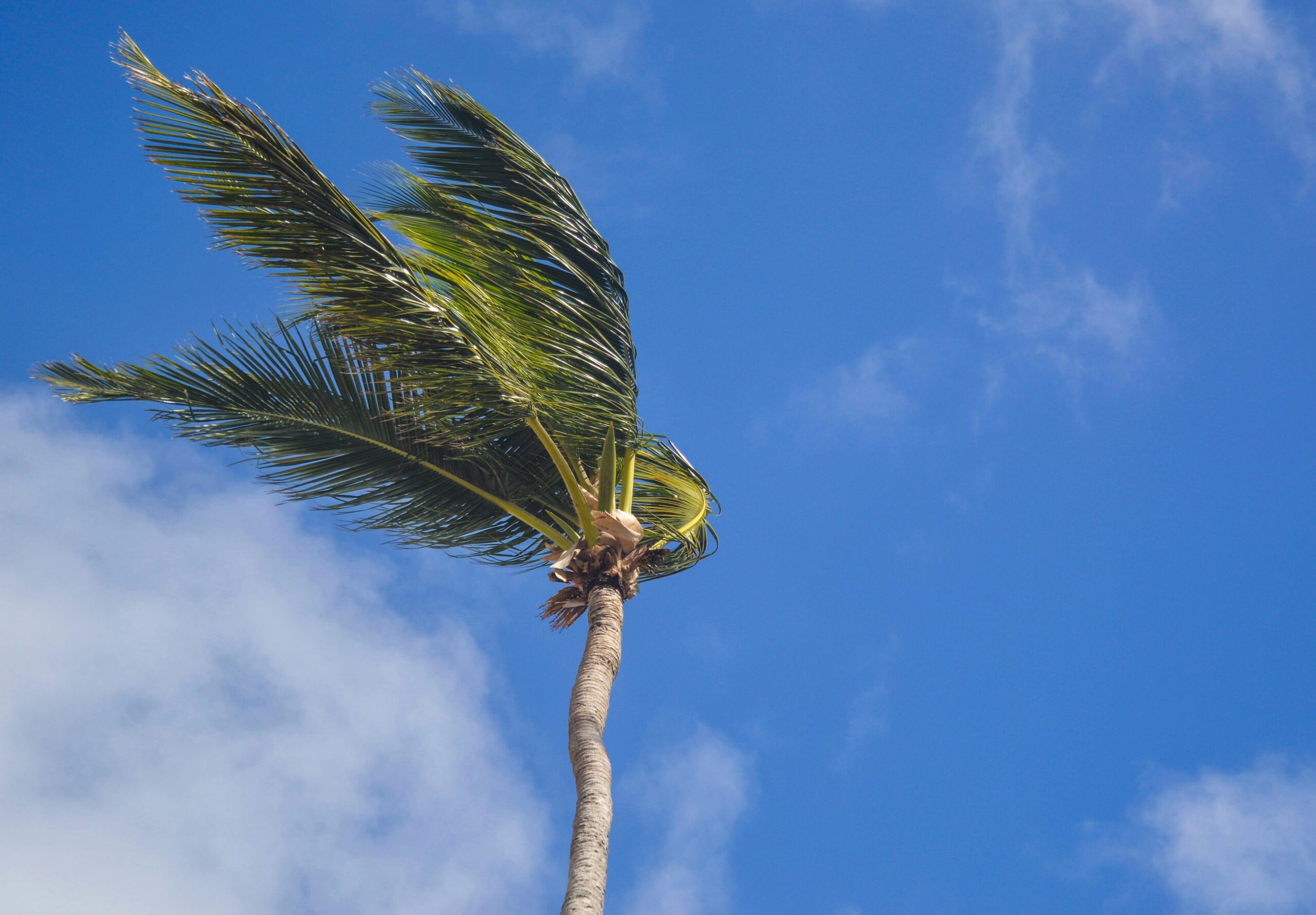
The Atlantic hurricane season runs from June 1 through November 30, with a climatological peak from mid-August to October. Punta Cana, while frequently spared direct hits, can experience tropical storms or hurricanes that bring heavy rain, strong winds and service disruptions. September and October typically show the highest risk.
Practical planning tips for hurricane season:
- Book refundable or changeable flights and accommodations when possible.
- Purchase comprehensive travel insurance that includes weather-related trip interruption and evacuation coverage.
- Monitor official advisories from the national weather authority and local tourism officials in the days leading up to travel.
- Choose hotels and resorts with clear storm policies and strong guest communication systems.
Visitors in the wet months often still enjoy many sunny hours between storms; storms tend to be seasonal and regionally variable rather than constant rainfall.
How to choose the best time based on travel style
Your ideal month depends on priorities. Below are recommendation windows linked to common travel goals, plus a compact comparison table to help you weigh trade-offs quickly.
- Sun and beach perfection (calmest seas, lowest rain): January–March and November–December.
- Best value and fewer crowds: April, early May and late November.
- Family-friendly with lots of organized activities: June–August.
- Lowest prices and quietest resorts (accepting higher rain and risk): September and October.
- Surf or wind-focused water sports: Trade winds are steady from late fall through spring; check wind reports for kiteboarding spots seasonally.
| Season | Typical Temp (°C) | Rainfall | Crowds & Prices | Best for |
|---|---|---|---|---|
| Dry Season (Dec–Apr) | 27–30 | Low | High crowds, higher prices | Beach days, snorkeling, weddings |
| Shoulder (Apr–Jun, Nov) | 27–31 | Moderate | Moderate crowds, better deals | Value trips, quieter resorts |
| Wet Season (Jul–Oct) | 28–32 | Higher, short heavy storms | Lower prices in Sep–Oct | Budget travel, off-peak stays |
Practical tips for each season: packing, activities and expectations
Planning smarter makes each season enjoyable. Below are practical suggestions for what to bring and how to structure days according to the month you travel.
- Dry season (Dec–Apr): Bring lightweight breathable clothing, reef-safe sunscreen, a light sweater for breezier evenings, and advance bookings for popular excursions like catamaran trips.
- Shoulder months (Apr–Jun, Nov): A compact rain jacket and quick-dry clothing are helpful. Plan morning water activities and reserve afternoons for spas, shopping or cultural tours when the chance of passing showers increases.
- Wet season (Jul–Oct): Focus on indoor-outdoor flexibility—book refundable tours, carry waterproof bags for electronics, and aim for morning snorkeling when seas are calmer. Keep travel insurance up to date.
If you need to book accommodations, check up-to-date listings and traveler reviews when comparing properties; for a broad selection of hotels and guest reviews you can browse Punta Cana hotels and resorts. Choose properties with good guest communication and clear cancellation policies, especially if traveling in the shoulder or wet seasons.
Local events, holidays and crowd considerations
Local festivals, Dominican holidays and school breaks influence availability and crowding. Important dates to be aware of include Semana Santa (Holy Week around Easter), which often draws domestic travelers, and the winter holiday season in late December and early January, which attracts international visitors.
Booking flights and transfers well in advance is sensible during these peak windows. For a quieter experience, avoid major local holiday weeks or consider staying at a resort that offers full-board options and on-site entertainment.
For authoritative visitor information and seasonal event calendars, check details on the official site for the country’s visitor information and travel advisories: official Dominican Republic tourism site.
FAQs
What is the absolute best month to visit Punta Cana for perfect beach weather?
Late January through March generally offers the most reliable combination of dry weather, comfortable temperatures and calm seas—making it the prime window for classic beach vacations and water activities.
Is Punta Cana warm year-round, or does it get cool?
Punta Cana stays warm throughout the year. Temperatures vary slightly by season but rarely drop below the low 20s°C (low 70s°F) at night. The real differences are in humidity and rainfall rather than cold.
Should I avoid Punta Cana during hurricane season?
Hurricane season runs June through November, with the highest risk in August–October. Many travelers still visit earlier in the season or in June–July when conditions are usually fine, but if you choose to travel during peak hurricane months, get flexible bookings and comprehensive travel insurance.
When are prices lowest and when can I find the best travel deals?
September and October typically offer the lowest prices and best deals on accommodations and sometimes airfares, reflecting the higher rainfall and storm season. Early May and late November can also yield good value while maintaining reasonable weather.
Are there months that are particularly good for snorkeling and diving?
Snorkeling and diving are excellent most of the year, but the clearest and calmest seas are often found from December through April. Spring mornings can also be very good—just keep an eye on recent weather patterns that might affect visibility.
Conclusion
Choosing the best time to visit Punta Cana comes down to what you value most: the driest weather and calm seas (December–March), lower prices and quieter resorts (April, November, September–October for bargains), or family-friendly programming (June–August). Use this month-by-month guide and comparison table to align your trip with the season that fits your priorities. For safety during the wet months, prefer flexible bookings and insurance, and check up-to-date advisories from official sources before travel. With thoughtful planning, Punta Cana offers warm, rewarding beach travel almost any time of year.