Deciding the best time to visit Riga depends on what you want from the city: lively festivals and long daylight hours, crisp autumn colors, or quiet snowy streets. Riga’s compact Old Town, Art Nouveau districts and riverside promenades shift character through the year, so timing your trip can shape the experience as much as the itinerary.
This guide explains Riga weather patterns, crowd trends and budgeting so you can choose the season that matches your interests. I cover seasonal highlights, practical packing lists, average Riga travel cost estimates and tips for avoiding peak crowds while still enjoying the city’s top sights.
When is the best time to visit Riga?
If you want mild temperatures, outdoor cafes and open museums, late spring to early autumn—May through September—is widely considered the best time to visit Riga. This period offers warm days, extended daylight (especially in June) and most cultural events. However, the right time for you depends on whether you prioritize weather, festivals, lower prices or winter charm.
June and July present the most consistent warm weather, while May and September often balance comfortable temperatures with fewer tourists. For travelers who prefer snowy scenery, December to February brings a distinct atmosphere around the Christmas markets and fewer crowds at major attractions.
Riga by season: what to expect
Spring (March–May): Spring thaws the city. March can still be chilly, but by April and May parks and riverside paths green up. Museums and indoor attractions are open year-round, and spring offers lower accommodation rates than peak summer.
Summer (June–August): Summer is peak season for a reason—long days, festivals, outdoor dining and river cruises. Riga’s calendar features events like the Riga City Festival and the Midsummer (Jāņi) celebrations in late June. Expect warmer Riga weather but also larger crowds and higher prices.
Autumn (September–November): Early autumn is ideal for those who enjoy crisp air, colorful foliage in parks and quieter streets. September still has pleasant temperatures, then October and November cool down quickly. It’s a great shoulder season for a balance of amenities and reduced tourist pressure.
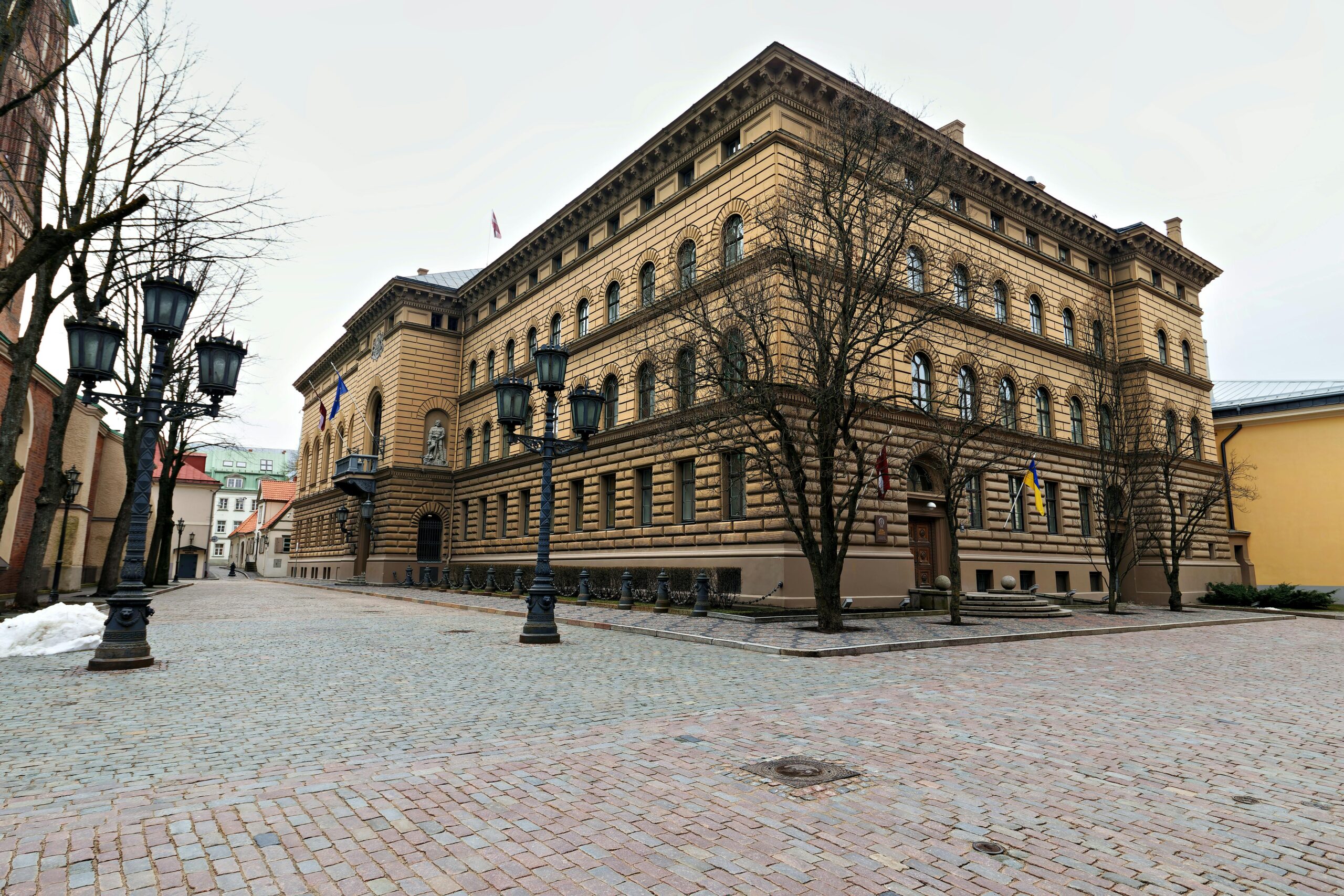
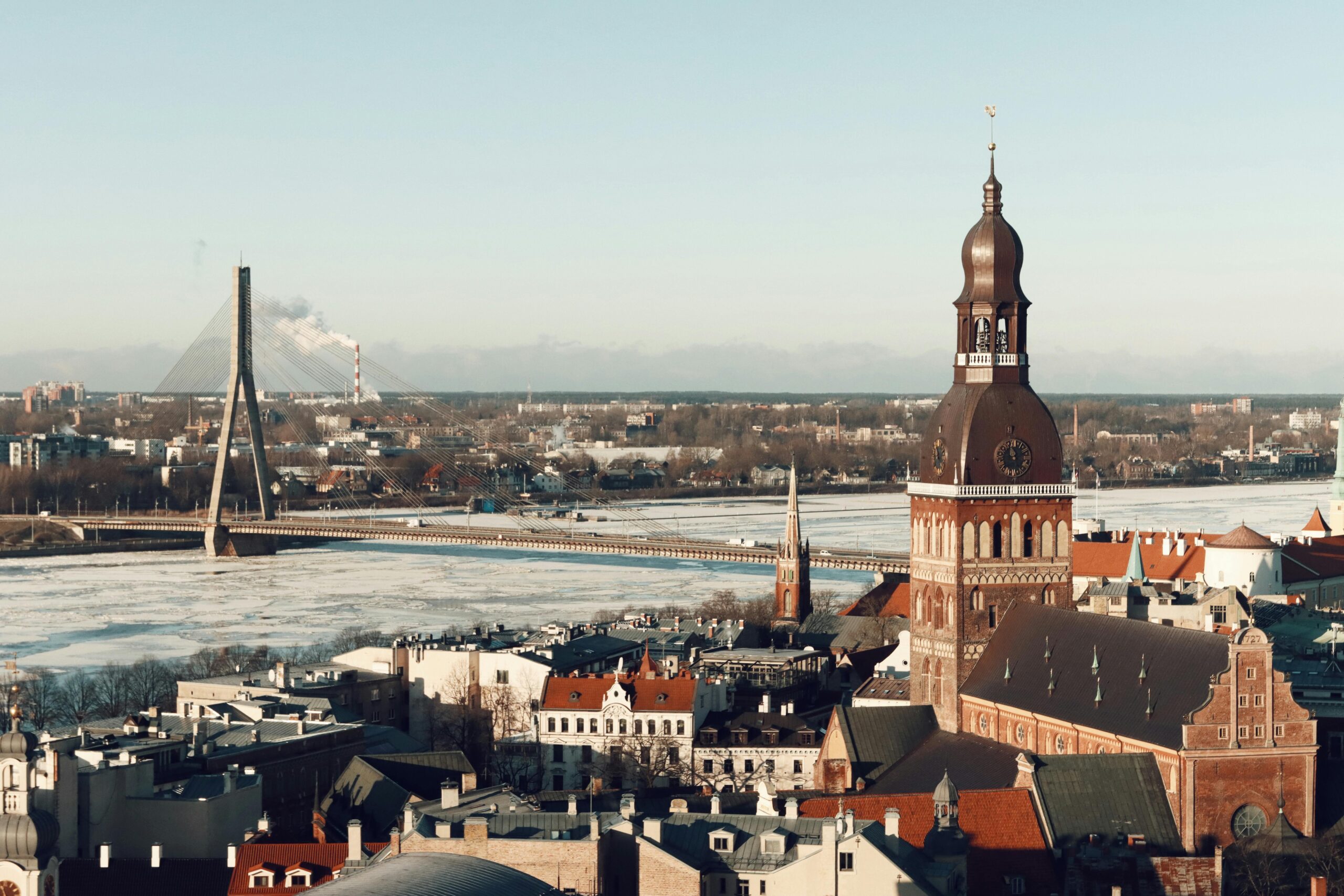
Winter (December–February): Winters are cold and often snowy. The holiday period brightens the Old Town with markets and lights, and if you enjoy a cozy, festive vibe, December is rewarding. Museum lines are shorter and some hotels lower their rates, but daylight hours are brief and some outdoor attractions operate seasonally.
Riga’s historic center is a UNESCO World Heritage site, and the Old Town’s architecture can be appreciated any time of year; see the UNESCO World Heritage listing for Riga for background on the protected districts and why they’re so well preserved.
Riga weather: monthly breakdown and what to pack
Riga weather varies significantly by month. Here is a simple breakdown to help you pack and plan:
- May–September: Daytime highs 15–25°C (59–77°F). Light layers, a waterproof jacket for sudden showers, and comfortable walking shoes are essential.
- October–November: Daytime highs 5–12°C (41–54°F). Pack warmer layers, a windproof coat and an umbrella.
- December–February: Daytime highs -5–2°C (23–36°F). Thermal base layers, a warm coat, hat, gloves and insulated boots will keep you comfortable.
- March–April: Fluctuating temperatures 0–10°C (32–50°F). Pack layers and a warm mid-layer for chilly evenings.
For active days exploring Art Nouveau neighborhoods and riverside paths, bring comfortable shoes with good grip—winter streets can be slippery. If you visit during summer festivals, include a light dress or slacks for evenings out and a rain layer for unpredictable showers.
Riga tourist season: crowds, festivals and how to avoid peak times
Riga tourist season peaks in June–August when cruise ships, group tours and independent travelers converge on the Old Town and central attractions. Weekends in summer draw locals and visitors to riverside restaurants and open-air events.
To enjoy popular sights with fewer people, plan visits early in the morning or later in the afternoon, and consider shoulder months like May or September. These months still offer pleasant Riga weather with smaller crowds and more availability at mid-range hotels.
Major events influence crowd patterns: the Riga City Festival, the Song and Dance Festival (held every five years), and Christmas markets in December. Consult the official Latvia tourism site for current event calendars and practical visitor information.
Riga travel cost: budgeting for different trip styles
Riga travel cost is generally lower than many Western European capitals, but expenses vary with season and travel style. Below are rough daily budgets to help plan:
- Budget traveler: €40–€70/day — hostel dorms or budget guesthouses, public transport, market meals, free walking tours and low-cost attractions.
- Mid-range traveler: €90–€160/day — 3-star hotels or private apartments, a mix of cafes and sit-down restaurants, museum visits and occasional taxis.
- Comfort traveler: €180+/day — 4–5 star hotels, fine dining, guided tours and private transfers.
Costs rise in summer and around holiday periods. Booking accommodation in advance often secures better rates, and choosing neighborhoods a short tram ride from the Old Town can save money while still keeping you close to main sites.
Key cost tips: use public transport (trams and buses are efficient), pick up a city card or museum passes if you plan multiple paid museum visits, and eat like a local—Latvian markets and small bistros offer excellent food at modest prices.
Practical travel tips: transport, neighborhoods and safety
Getting around: Riga International Airport is 10–15 minutes from the city center by taxi and 20–30 minutes by bus. The central area is highly walkable; trams, buses and trolleybuses cover the wider city. Purchase single tickets or a 24/72-hour pass from kiosks or by using city apps where available.
Best neighborhoods to stay: the Old Town for historic atmosphere and nightlife; Āgenskalns and Krišjāņa Barona Street for Art Nouveau architecture; and the Central District for easy access to transport and a range of accommodations.
Safety: Riga is generally safe for tourists. Standard precautions—watch belongings in crowded areas, avoid poorly lit streets late at night and be cautious when accepting drink offers from strangers—are sensible. Emergency services are reachable via local emergency numbers and most hotels provide multilingual reception staff for assistance.
FAQs
When is the warmest month in Riga?
July is typically the warmest month in Riga, with average daytime temperatures around 20–22°C (68–72°F). Late June and August can also be warm and pleasant for exploring outdoor attractions.
Is Riga worth visiting in winter?
Yes. Winter offers a quieter, more intimate experience of Riga with festive Christmas markets, snow-dusted architecture and shorter queues at top museums. Be prepared for cold temperatures and limited daylight.
How long should I stay in Riga?
Two to four days is sufficient to see the Old Town, Art Nouveau district, central museums and a few neighborhoods at a relaxed pace. Add extra days if you plan excursions to nearby towns or want a slower cultural immersion.
Are museums and attractions open year-round?
Most major museums, galleries and churches stay open year-round, but opening hours may be shorter in winter and on public holidays. Always check attraction websites or local tourist information before planning your visit.
Can I use credit cards everywhere in Riga?
Credit and debit cards are widely accepted in hotels, restaurants and shops, but smaller cafes, markets and some services may prefer cash. It’s a good idea to carry a small amount of euros for incidental purchases.
Conclusion
Choosing the best time to visit Riga comes down to balancing weather, crowds and budget. For warm weather and vibrant street life, late spring through summer is ideal; for fewer tourists and pleasant temperatures, try May or September; for festive charm and lower daytime visitor numbers, winter is rewarding. With thoughtful planning around Riga weather and tourist season trends, you can shape a trip that fits your interests and makes the most of Latvia’s elegant capital.