Deciding the best time to visit Rome shapes nearly every part of a trip — from what you’ll pack to how long you’ll wait in line at St. Peter’s Basilica. Whether you want warm afternoons for wandering cobbled lanes, cooler weather for museum days, or off-season savings, timing affects weather, crowds, events and travel cost.
Use the practical, season-based guidance below to match your priorities with Rome’s climate and tourist rhythm. Data here draws on official tourism patterns and seasonal trends to help you pick months that suit your interests, budget and tolerance for crowds.
Overview: why timing matters for a Rome trip
Rome blends outdoor ruins, churches and plazas with world-class indoor attractions, so the city responds visibly to seasonal change. In summer the city hums with alfresco dining and long daylight hours but also higher temperatures and larger crowds. Winter brings quieter streets and lower prices, but shorter museum hours and cooler, wetter conditions. Shoulder seasons — spring and autumn — often offer the best balance of pleasant Rome weather, manageable crowds and reasonable travel cost.
Beyond comfort, timing also affects availability: special religious holidays, international events and local festivals can close streets or increase lodging demand. If you want to coincide with Easter services, feast days or the Rome Marathon, plan well in advance. Conversely, if you want space at the Colosseum or to stroll Trastevere without elbow-to-elbow crowds, aim for off-peak windows.
Seasons and Rome weather
Rome has a Mediterranean climate: hot, dry summers and mild, wetter winters. Typical seasonal patterns are:
- Spring (March–May): warming temperatures, blossoming parks and frequent sunny days, though March can still be cool and showery.
- Summer (June–August): hot and dry, with July and August often seeing temperatures above 30°C (86°F). Expect strong sun, occasional heatwaves and lots of tourists.
- Autumn (September–November): warm early in September with cooling, wetter conditions by November; autumn is a popular shoulder season thanks to comfortable daytime temperatures.
- Winter (December–February): mild by northern European standards but cooler and rainy; snow is rare in the city center but cold snaps do occur.
For daily and extended forecasts before you travel, check reliable meteorological sources; detailed forecasts and long-range outlooks can help you finalize packing and activities.
See detailed forecasts at Weather.com
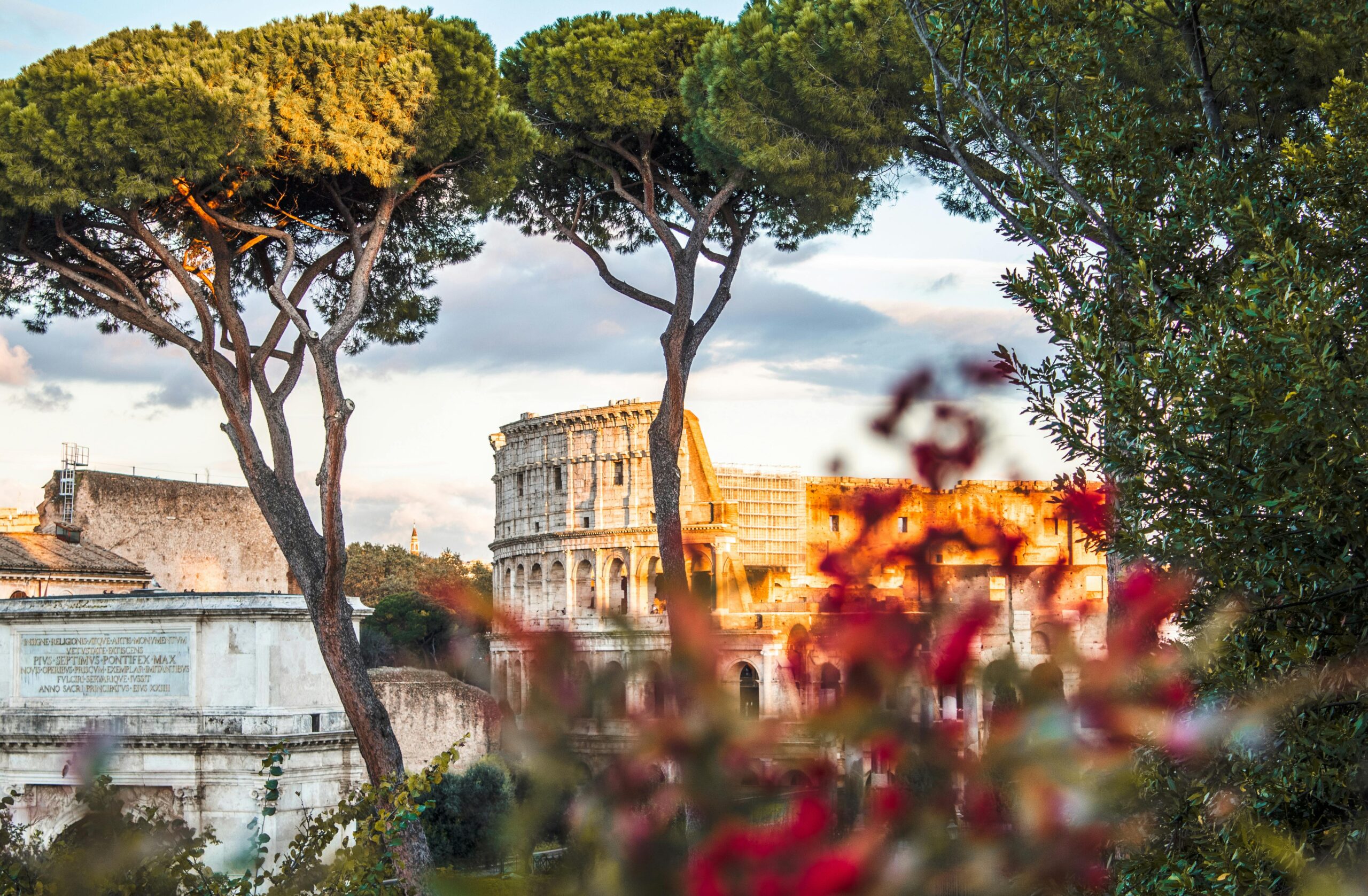
Month-by-month guide to picking the best time to visit Rome
A month-by-month look helps match specific dates to priorities like weather, events and expense. Below are typical patterns that repeat most years; consult event calendars and official tourism notices for celebrations or closures that can change timing.
- January: Quiet after the holidays, discounted rates and shorter lines; museums open but some attractions may have reduced hours.
- February: Still low season, often affordable; Carnival events occur occasionally and require planning if you want to join festivities.
- March: Spring arrives late; temperatures improve and outdoor cafés begin to fill. Easter sometimes falls in March, which increases church and hotel demand.
- April: One of the best months — comfortable weather, blooming gardens and more manageable crowds than summer.
- May: Warm days and long evenings; popular with international visitors, so book key attractions ahead of time.
- June: Early summer is lovely but momentum towards high season raises prices and visitor numbers by month’s end.
- July–August: Peak tourist season with very warm temperatures. Many Romans take holidays in August, and some small businesses may close around mid-August for Ferragosto.
- September: A top choice — warm sea air, thinner crowds than July and August, and many cultural events return after summer breaks.
- October: Crisp weather, fall colors and fewer tourists; rain increases late in the month but outdoor life still enjoyable.
- November: Cooler, wetter and quieter — good value if you prioritize museums and indoor attractions.
- December: Festive lights and markets around Christmas bring charm and some crowding near major attractions, but early- and mid-December can still be economical.
Rome on Wikipedia provides historical context and event timelines that can help you align travel dates with cultural happenings.
Best time for specific interests — food, sights, crowd levels
If you have a priority, tailor months to fit it rather than chasing a single “best” month. For gourmets, late spring and autumn pair harvest-driven menus with pleasant al fresco dining. For sightseeing and photography, early morning light in April–June and September–October is ideal. If beach time on the nearby coast matters, late June through September brings warm sea temperatures.
Culture seekers who want to attend major liturgical events should plan around Easter and Christmas services; expect higher accommodation prices and strong demand for Vatican visits. Food festivals and local markets appear throughout spring and fall; check municipal event listings and local tourism sites for annual schedules.
Rome travel cost and tourist season: budgeting by time of year
Rome travel cost fluctuates with tourist season and demand. Peak summer months (July–August) and major holidays drive the highest prices for flights and hotels. Shoulder seasons (April–June and September–October) typically balance lower costs and good weather. Winter months, apart from Christmas–New Year, often present the best savings on lodging and flights.
- Accommodation: Expect the widest price variance; booking at least two months ahead for shoulder season and four to six months for peak weeks reduces surprises.
- Airfare: Follows global demand cycles; mid-week flights and early-morning departures can be cheaper, and winter months often have lower fares.
- Food and transport: These are relatively stable year-round, though seasonal menus and tourist surcharges on guided tours can alter daily spend.
- Attractions: Many museums and major sites offer timed-entry tickets; during high season, booking skip-the-line or early-access tours is wise to avoid long waits that cost time if not money.
Planning around these patterns lets you control your average daily spend without sacrificing essential Rome experiences.
Rome tourist season and crowd management — practical tips
Understanding Rome tourist season helps you avoid long lines and crowded piazzas. Peak congestion typically occurs from late spring through early autumn and spikes around Easter and late-December holidays. To minimize time in lines and crowds:
- Reserve timed-entry tickets for the Vatican Museums, Colosseum and Borghese Gallery well in advance.
- Visit popular sites early in the morning or late afternoon; many guided tours start before official opening to access cooler, quieter conditions.
- Explore lesser-known neighborhoods like Coppedè or Villa Torlonia to experience authentic Roman streets away from tourist hubs.
- Use multi-attraction passes judiciously — they can save money but often draw visitors to busy sites during the same time window.
Travelers who expect large crowds should also plan logistics for meals and transit: book evening tables for peak nights and allow extra time for trams or buses during festival weekends.
Practical planning tips: packing, transport and tickets
Packing depends heavily on season and planned activities. Lightweight, breathable clothing and a sun hat are essentials for summer; a compact umbrella, waterproof layer and layers for cooler evenings are smart from late autumn through early spring. Comfortable walking shoes are non-negotiable — Rome’s historic center is best explored on foot, often over uneven cobbles.
- Transport: Rome’s metro, buses and trams provide broad coverage; buy multi-day passes if you plan frequent public transit use. Taxis and rideshares are widely available but can be costly during peak hours.
- Tickets: For high-demand attractions, reserve timed-entry or skip-the-line tickets before arrival. For religious services (St. Peter’s Basilica during Holy Week, for example), check schedules early and respect dress codes.
- Money and safety: Card acceptance is widespread, but carry some cash for small cafés and market purchases. Usual urban safety precautions apply; pickpocketing is more likely in crowded tourist areas.
- Day trips: If you plan visits to Tivoli, Ostia Antica or coastal towns, factor travel time and the best local season for each destination.
With simple advance planning you can shape a Rome itinerary that aligns with your tolerance for crowds, interest in particular festivals and desired comfort level regarding the city’s variable weather.
FAQs
When is the warmest month in Rome?
July and August are typically the warmest months, with daytime temperatures frequently exceeding 30°C (86°F). If heat bothers you, aim for late spring (May–June) or early autumn (September) when temperatures are warm but less intense.
Is Rome worth visiting in winter?
Yes. Winter offers fewer tourists, lower travel cost and the chance to explore museums and churches with shorter lines. Expect cooler, wetter weather; some smaller businesses may have reduced hours, but the city’s atmosphere and winter markets provide unique charm.
How much should I budget per day in Rome?
Daily budgets vary by travel style. Mid-range travelers often allocate money for modest hotels, museum entries and restaurant meals; off-peak months reduce accommodation costs significantly. For more precise planning, compare seasonal lodging rates and current transport fares when selecting dates.
When do the biggest crowds arrive in Rome?
The largest concentrations of tourists occur in late spring and throughout summer, particularly June through August, and around major holiday periods such as Easter and late-December. Shoulder months in spring and autumn generally have fewer visitors while still offering good weather.
How far in advance should I book tickets and hotels?
For peak season and major events, book hotels and key attraction tickets three to six months ahead. For shoulder seasons, two months is often adequate. For last-minute winter travel you can sometimes secure good deals, but check cancellation policies carefully.
Conclusion
Choosing the best time to visit Rome comes down to what you value most: weather, crowd levels, budget or specific events. For most travelers, the shoulder months of April–June and September–October provide the optimal mix of pleasant Rome weather, manageable crowds and reasonable travel cost. If you prefer quiet streets and lower prices, aim for winter; if you want guaranteed warm weather and long evenings, summer delivers—at the cost of larger crowds and higher rates.
Plan with event calendars, reserve essential tickets in advance, and pack for the season you pick. With those steps you’ll maximize time enjoying Rome’s history, food and neighborhoods rather than managing logistics, no matter which month you choose.