Planning the best time to visit San Francisco hinges on what you want from the trip: clear skies and warm afternoons, smaller crowds, lower prices, or local events and festivals. While many travelers assume summer is ideal, San Francisco’s microclimates and seasonal quirks mean the most pleasant months often fall outside the traditional tourist window.
This guide breaks down San Francisco weather, crowd patterns, cost considerations and event timing to help you pick the right month for your trip. Use these practical tips to match your priorities—whether photography, hiking, museum visits, or just strolling neighborhoods in comfortable weather.
When to Go: Best Months to Visit San Francisco
The single best stretch for most visitors is late summer and early fall—roughly September through November. Those months often deliver the warmest, clearest days of the year because the coastal marine layer that brings fog tends to thin out. Expect sunny afternoons, calmer winds, and more predictable weather for photography and sightseeing.
Spring (March to May) offers mild temperatures and blooming gardens with fewer tourists than summer, though fog can still appear in late spring mornings. Winter (December to February) is the wet season: cooler temperatures, rain showers, and the lowest travel demand and prices. If you want to avoid crowds and don’t mind a chance of rain, winter and late fall are budget-friendly options.
Understanding San Francisco Weather
San Francisco weather is famously variable from block to block because of its microclimates. The western neighborhoods near the ocean—such as the Sunset District and Richmond—tend to be cooler and foggier. Downtown and the Mission District often enjoy sunnier, warmer conditions the same day. Layering is essential year-round: mornings and evenings can be chilly even in August.
Typical monthly patterns:
- January–February: Cool and wet; daytime highs around the mid-50s°F (12–14°C).
- March–May: Mild and increasingly sunny; late spring mornings can still be foggy.
- June–August: The classic “June gloom” and frequent afternoon fog, especially near the water; downtown is comparatively warmer.
- September–November: Warmest and sunniest window with less wind and clearer skies.
- December: Cooler with rain and holiday events; good for museum visits and lower prices.
If your plan centers on outdoor activities—tours of the Golden Gate Bridge, Alcatraz island, or walking the Embarcadero—aim for the September–October window for more reliable sunshine and calmer seas for boat trips.
Peak Tourist Seasons and Crowd Patterns
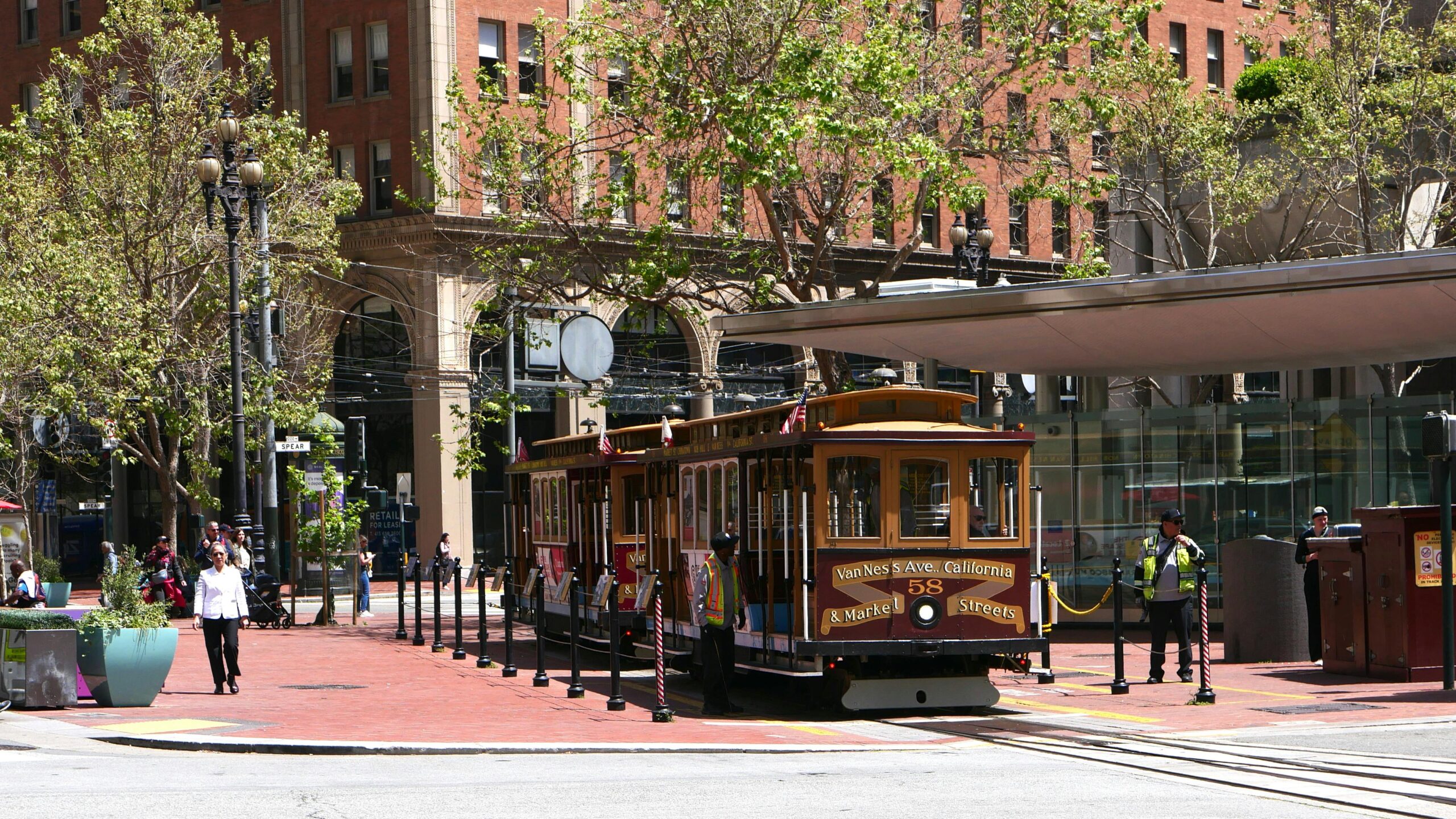
The main San Francisco tourist season runs from late spring through early fall, peaking in June, July and August. Expect heavier crowds at major attractions like Fisherman’s Wharf, Pier 39, Alcatraz, and the Golden Gate viewpoints. Weekends and holiday periods—particularly around Memorial Day, the Fourth of July and Labor Day—draw big domestic crowds.
Shoulder seasons (April–May and September–October) strike a good balance: fewer visitors than midsummer, generally better weather than early spring or late fall, and more availability for tours. For the smallest crowds, visit between November and March, excluding the week around Christmas and New Year’s when holiday travel picks up.
Cost Considerations: When Prices Are Lowest
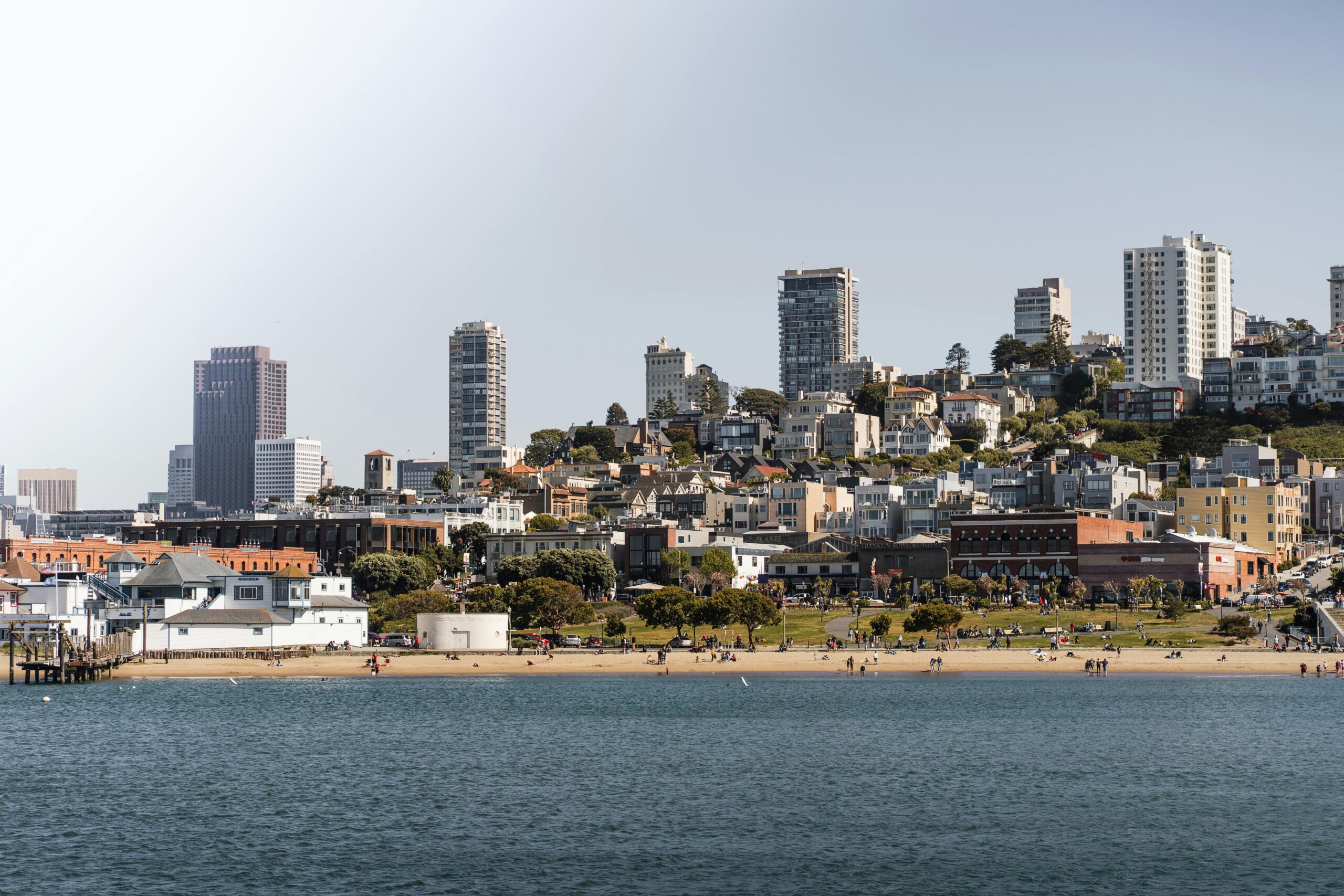
San Francisco travel cost fluctuates with demand. Summer months and large-event weekends drive hotel and flight prices up sharply. If budget is a priority, aim for late fall (November, except Thanksgiving) or winter months (January–February) when accommodation and airfare can be 20–40% cheaper than peak season. Booking midweek stays instead of weekends also reduces nightly rates.
For comparing properties and current deals, it’s smart to check a reputable booking platform to see dates and price differences across neighborhoods. Compare hotels in San Francisco.
Other cost-saving tips:
- Book popular tours (Alcatraz, guided city walks) in advance to lock in prices.
- Use public transit rather than rideshares within the city—Muni and BART are affordable and reliable for most routes.
- Consider staying in neighborhoods slightly outside the tourist core (e.g., Richmond, Sunset, or SoMa) and commuting—often cheaper and quieter.
Events and Seasonal Highlights
San Francisco’s calendar is packed with events that can influence the best time to visit depending on your interests. Spring brings cultural festivals and film events, summer and early fall have outdoor music festivals and street fairs, and winter features holiday light displays and special museum exhibitions.
Notable annual events:
- San Francisco Pride (June) — one of the largest pride celebrations in the U.S.
- Outside Lands (August) — a major music festival in Golden Gate Park that increases hotel demand.
- Fleet Week (October) — air shows and maritime displays draw big crowds near the waterfront.
- Chinese New Year (January/February) — vibrant parades and neighborhood celebrations in Chinatown.
- Hardly Strictly Bluegrass (October) — a free music festival in Golden Gate Park.
If your trip is centered on a particular event, plan far enough ahead for lodging. Festival weekends often sell out quickly—use a trusted booking site to find and reserve lodging during major events. Find accommodation for festival dates.
Practical Tips by Type of Traveler
Families: Aim for late summer (if you can tolerate fog) or September when weather is pleasant and outdoor attractions are accessible. Look for hotels with suites or kitchenettes to simplify mealtimes.
Couples and photographers: Early fall is ideal—clear skies and golden light make cityscapes and bridge views spectacular in the late afternoon and evening.
Budget travelers: Travel in January–March (post-holidays) for lower prices and smaller crowds. Museums and indoor attractions remain excellent options on rainy days.
Outdoor enthusiasts: Spring and fall offer the best blend of trail conditions and weather for hiking Muir Woods, Lands End, and the Marin Headlands. Summer mornings may be foggy near the coast but inland trails can still be warm.
FAQs
When is the absolute best time to avoid fog in San Francisco?
Late September through October usually has the clearest, sunniest days and the least coastal fog. Those months often bring warm afternoons and calmer winds, especially inland and downtown.
How much should I budget for a three-day trip to San Francisco?
San Francisco travel cost varies, but a mid-range estimate for a three-day trip including mid-tier hotel, meals, public transit and modest attractions is roughly $600–$1,200 per person. Peak travel dates and high-end dining or tours can push costs higher.
Is there a best month for visiting if I want fewer crowds?
November (outside the Thanksgiving week) and January–March typically have the fewest tourists. You’ll see lower prices and shorter lines at popular attractions, though prepare for cooler, wetter weather in winter months.
Are there months when attractions are closed or limited?
Most major attractions operate year-round, but some seasonal tours (certain boat operators or specialty outdoor excursions) may reduce schedules in winter. Alcatraz and major museums remain open but can have limited hours on holidays—check schedules before you go.
How should I pack for the variable San Francisco weather?
Pack layers: a lightweight base layer, a warm mid-layer (sweater or fleece) and a windproof jacket. Comfortable walking shoes are essential. Even in summer, bring a hat and a compact umbrella for unexpected showers or mist near the coast.
Conclusion
Choosing the best time to visit San Francisco depends on your priorities: September–November for the most reliable sunshine and mild temperatures, spring for blooms and moderate crowds, and winter for the lowest travel costs and quiet streets. Keep in mind the city’s microclimates, pack layers, and plan key activities around the weather windows that matter most to you.
Whether you’re chasing clear vistas of the Golden Gate, hunting for the best local food, or timing your trip for a festival, this city rewards travelers who match timing to intent. Use the seasonal breakdowns and practical tips above to plan a San Francisco visit that fits your interests, budget and tolerance for fog.