Deciding the best time to visit Seville depends on what you want from the city: bloom-filled plazas and fiestas, empty streets and lower prices, or long, sunlit evenings. In this guide I’ll explain how Seville’s climate, calendar and crowd patterns interact so you can pick the right season for your trip.
Along the way you’ll find practical tips for dealing with Seville weather, realistic estimates of Seville travel cost, and notes on the busy Seville tourist season so you can plan flights, accommodation and daily routes with confidence.
Why timing matters in Seville
Seville’s character shifts dramatically through the year. In spring the city is fragrant with orange blossom and packed with visitors for Semana Santa and Feria de Abril; in summer temperatures can push past 40°C (104°F) and the city slows down as locals retreat indoors; autumn offers warm afternoons and fewer crowds; and winter brings mild days and the lowest prices of the year.
Choosing when to visit affects everything: what you can comfortably see in a day, how much you’ll spend, and whether you’ll get hotel or tour availability for major events. Understanding these trade-offs will help you prioritize attractions and make the most of your time in Seville.
When is the best time to visit Seville: month-by-month guide
Seville’s annual climate and event calendar make some months better than others depending on your priorities. Below is a practical month-by-month breakdown to help you match weather, crowds and festivals to your plans.
- January: Quiet and cool. Daytime highs around 15°C (59°F). Museums and monuments are easy to visit without queues; some restaurants reduce hours after New Year.
- February: Similar to January but with slightly longer days. Early signs of spring. Good for low-cost travel and exploring at your own pace.
- March: Transition month with warming temperatures. Semana Santa usually falls in March or April—book early if you want to attend processions.
- April: Peak season for many. Orange trees blossom, and Feria de Abril often takes place. Expect high demand and lively streets; daytime temperatures are comfortable (18–26°C / 64–79°F).
- May: One of the best months overall: warm, long evenings, and most tourist services are fully operational. Ideal for walking tours and rooftop terraces.
- June: Warm and sunny. Crowds are still manageable in early June; by late June it becomes noticeably hotter.
- July and August: The hottest months. Midday heat can be extreme; many locals head to the coast. If you travel now, plan siestas and evening activities.
- September: Temperatures start to fall but are still pleasant. Crowds thin after August; this is a reliable shoulder-month choice.
- October: Comfortable and often sunny — another excellent time for sightseeing and tapas-hopping.
- November: Cooler and quieter. Rain becomes more likely but sights are uncrowded.
- December: Mild winter weather with festive lights and markets. A quieter, atmospheric time to visit if you don’t mind shorter days.
Use this month-by-month guide to align your priorities—festival experiences, lower costs, or milder weather—and plan accordingly.
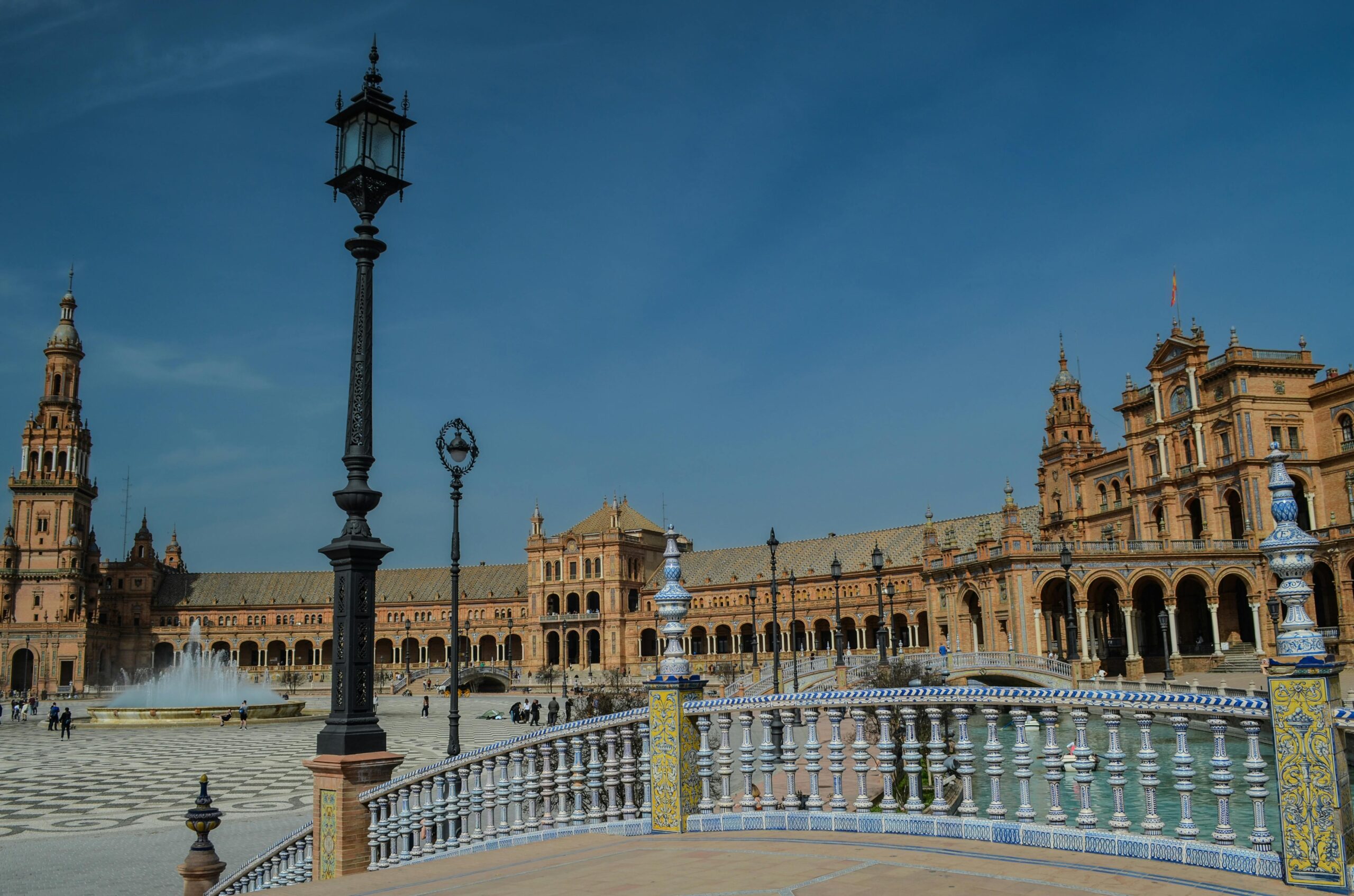
Spring and autumn: ideal balance of weather and crowds
For most travellers, late March through May and September through October represent the best windows. Spring brings vivid floral displays, mild temperatures and major cultural events like Semana Santa and Feria de Abril. Autumn offers warm, often sunny days and fewer visitors than spring, which makes it perfect for strolling the Alcázar, the cathedral and the Barrio Santa Cruz without long waits.
If your primary aim is to attend traditional festivities and you enjoy a spirited atmosphere, plan around event dates and book months in advance. For a quieter cultural visit with excellent light for photography and comfortable walking temperatures, target late April, May or October.
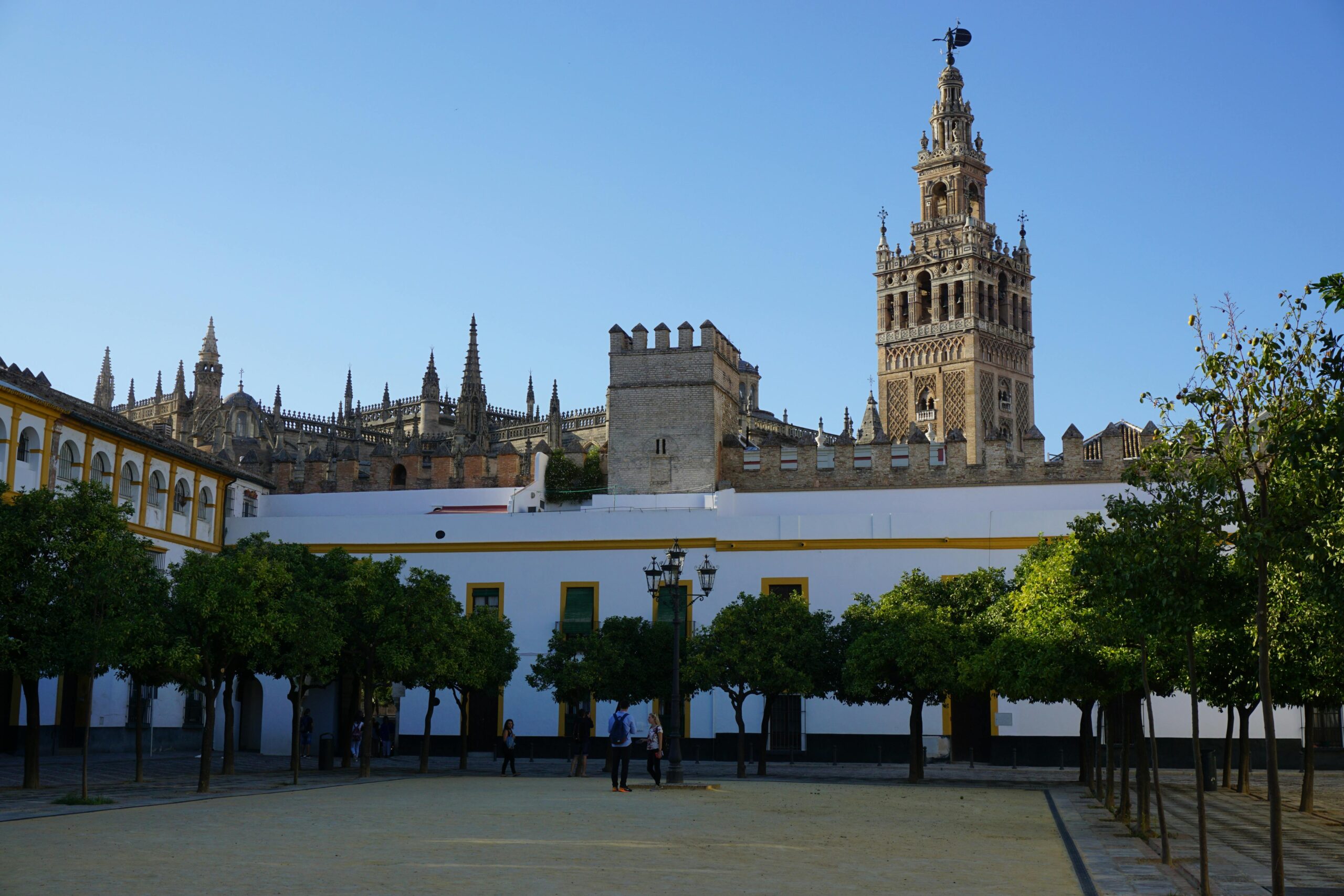
Summer in Seville: heat, tips and strategies
Summer is not for everyone. July and August bring intense heat, with daytime highs often above 35–40°C (95–104°F). Many outdoor activities are less comfortable, but the city adapts: museums and churches keep cool, restaurants move service later into the evening, and nightlife carries on when temperatures drop.
If summer is your only option, follow these practical strategies:
- Plan outdoor sightseeing for early morning or late afternoon.
- Book accommodation with air conditioning and a shaded terrace or internal courtyard (patio) when possible.
- Carry water, wear sun protection and take regular breaks in shaded cafes or museums.
- Use siesta hours to rest and schedule flamenco shows or tapas crawls after sunset.
Travelers seeking lower crowds in museums and cheaper last-minute deals may find value in traveling during summer despite the heat; just adapt your daily rhythm to the climate.
Winter in Seville: quieter, cheaper, and milder
Winter is Seville’s low season for many international visitors, but it has distinct advantages. Temperatures in December-February average around 10–16°C (50–61°F) during the day, with cool nights. Rain is more common but typically comes in short bursts rather than extended storms.
Advantages of visiting in winter:
- Lower Seville travel cost: cheaper flights and hotel rates compared with spring and autumn.
- Fewer crowds at top attractions like the Cathedral and Alcázar, making for a more relaxed experience.
- Festive atmosphere around Christmas and Three Kings Day, with seasonal markets and lights.
For budget-conscious travelers or those who prefer calmer sightseeing, winter is a smart choice. Just pack a light jacket and plan indoor activities for rainy afternoons.
Costs, crowds and practical planning
Seville travel cost varies by season. On average, expect lower daily expenses in winter and higher prices in spring around major festivals. A simple daily budget guide:
- Budget traveler: €50–€80/day (hostels or budget hotels, public transport, tapas).
- Mid-range: €100–€180/day (3–4-star hotels, some guided tours, sit-down meals).
- Comfortable/upper-range: €200+/day (nicer hotels, private tours, fine dining).
Advance booking is crucial for high-season travel. For popular spring dates and during Feria de Abril, accommodation sells out quickly—search early and compare options to secure good rates. You can find accommodation in Seville and filter properties by neighborhood, price and amenities to match your needs.
Understanding Seville tourist season patterns makes both budgeting and logistics easier: book museum time slots, flamenco shows and restaurant reservations in advance when traveling in high season, and be more flexible if visiting in off-peak months.
What to pack and how to plan daily activities
Packing for Seville depends on season, but a few essentials serve year-round needs: comfortable walking shoes, sun protection, a reusable water bottle, and a light layer for evenings. Specific suggestions by season:
- Spring/Autumn: Light layers, a medium-weight jacket for evenings, and a small umbrella for occasional showers.
- Summer: Sunhat, breathable clothing, strong sunscreen and a cooling scarf; plan excursions early or late in the day.
- Winter: Warm layers, a compact rain jacket, and closed shoes for cooler mornings and evenings.
Daily planning tips:
- Start with the largest indoor attraction early (Alcázar or Cathedral) to avoid later crowds and midday heat.
- Break the day with a long lunch or siesta in summer; use late afternoon for neighborhoods like Triana or the Alameda.
- Book timed tickets for major sites when available to reduce queueing time.
Things to consider about festivals and events
Major festivals define Seville’s calendar and are key reasons many visitors travel at specific times. Semana Santa (Holy Week) and Feria de Abril are the two most significant: Semana Santa features religious processions through the city’s historic core, while Feria is a week of daily festivities, dancing, and bullfighting traditions in a fairground outside the center.
Festival travel notes:
- During big festivals, transport and hotels fill up quickly; book months ahead.
- Festival dates shift each year—check official event calendars so you don’t miss the exact dates. The official Spain tourism page is useful for planning around national and regional events.
- Expect higher prices and heavier crowds in central neighborhoods during these periods.
FAQs
What month is best to visit Seville to avoid crowds but still have good weather?
Late September through October is an excellent compromise: the summer heat has eased, the major tourist crowds have thinned, and weather remains warm and pleasant for walking and outdoor dining.
How hot does Seville get in summer and how can I cope with the heat?
July and August can see highs above 35–40°C (95–104°F). To cope, schedule outdoor sightseeing for early morning or evening, rest during midday, stay hydrated, and choose accommodation with air conditioning or shaded patios.
Are there cheap months to visit Seville?
Winter months (November through February) generally offer the lowest prices for flights and hotels. You’ll also encounter fewer tourists at major attractions, although weather is cooler and there’s a higher chance of rain.
When is Semana Santa and should I book ahead?
Semana Santa falls in the week leading up to Easter and moves each year with the liturgical calendar. It’s one of Seville’s busiest times; if you want to attend processions or experience the week’s atmosphere, book accommodation, transport and any special tours well in advance.
How does Seville’s tourist season affect museum and restaurant openings?
During the high season (spring and early summer) nearly all attractions and restaurants run full schedules, while in late autumn and winter some smaller venues may reduce hours. If you plan to visit a specific museum or restaurant, check opening times ahead to avoid disappointment.
Conclusion
Choosing the best time to visit Seville comes down to preferences: spring for festivals and blossoms, autumn for mild weather and fewer crowds, summer for bargain hunters who can manage the heat, and winter for a quieter, lower-cost experience. Consider your tolerance for heat and crowds, book early for festival periods, and plan your daily schedule to match local rhythms—early starts, long lunches and lively evenings—to get the most from this historic Andalusian capital.